空气质量标准修订

Search documents
PM2.5等排放限值,进一步“收严”!千方百计打好“蓝天保卫战”
Yang Shi Wang· 2025-12-16 03:44
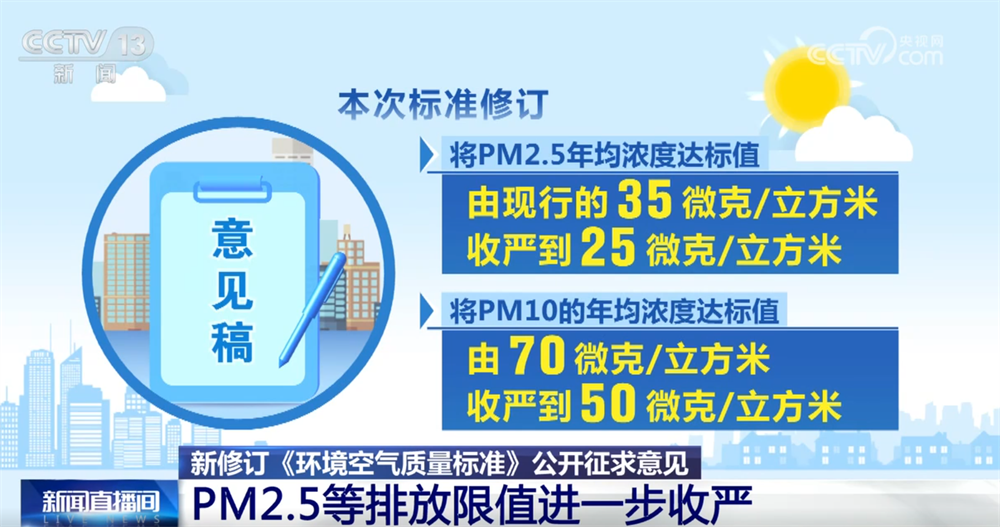
Core Viewpoint - The Ministry of Ecology and Environment has initiated a new round of revisions to the "Ambient Air Quality Standards," tightening the emission limits for air pollutants such as PM2.5, PM10, sulfur dioxide, and nitrogen dioxide to improve air quality in China [1][4]. Group 1: Revised Standards - The annual average concentration limit for PM2.5 will be tightened from 35 micrograms per cubic meter to 25 micrograms per cubic meter [1] - The annual average concentration limit for PM10 will be reduced from 70 micrograms per cubic meter to 50 micrograms per cubic meter [1] - The annual average concentration limit for sulfur dioxide will be lowered from 60 micrograms per cubic meter to 20 micrograms per cubic meter [1] - The annual average concentration limit for nitrogen dioxide will be decreased from 40 micrograms per cubic meter to 30 micrograms per cubic meter [1] Group 2: Implementation Timeline - A transitional limit for PM2.5 will be set at 30 micrograms per cubic meter from 2026 to 2030, with full implementation of the revised limits starting in 2031 [6] Group 3: Current Air Quality Status - As of 2024, 74% of 339 cities have met the current standard of 35 micrograms per cubic meter for PM2.5, but about half of these cities still exceed the new standard of 25 micrograms per cubic meter [10] - Despite improvements, PM2.5 levels remain high, particularly in key regions affected by adverse weather conditions [10] Group 4: Health and Environmental Impact - PM2.5 is linked to major health issues such as hypertension and diabetes, making it a primary focus for the new revisions [4] - The revisions also consider the health impacts of sulfur dioxide and nitrogen oxides, which are precursors to PM2.5 [4] Group 5: Future Emission Reduction Goals - To achieve the goal of reducing the national average PM2.5 concentration to 25 micrograms per cubic meter by 2035, emissions of PM2.5, sulfur dioxide, nitrogen oxides, and volatile organic compounds need to be reduced by 23%, 21%, 28%, and 22% respectively compared to 2023 levels [14]

3项空气质量标准征求意见,收严PM2.5等浓度限值
Di Yi Cai Jing· 2025-12-16 01:27
Core Viewpoint - The Chinese government is tightening air quality standards for PM2.5 and other pollutants to align with WHO guidelines and enhance public health protection, as part of the "Beautiful China" initiative aimed at improving air quality and public well-being [1][2][3]. Group 1: Air Quality Standards Revision - The new draft standards propose to lower the PM2.5 annual average and daily average limits to 25 micrograms per cubic meter and 50 micrograms per cubic meter, respectively [4]. - The revision aims to address the gap between current PM2.5 levels in many cities and the target of reducing the national average PM2.5 concentration to below 25 micrograms per cubic meter by 2035 [2][4]. - The standards for SO2 and NO2 will also be tightened, with SO2 limits set to 20 micrograms per cubic meter (annual), 50 micrograms per cubic meter (daily), and 150 micrograms per cubic meter (hourly) [4]. Group 2: Health and Environmental Impact - PM2.5 remains the most significant air pollutant affecting human health, necessitating stricter concentration limits to protect public health [2][3]. - The revision reflects a response to the increasing need for improved air quality management as pollution characteristics evolve and public health concerns grow [3][6]. - The implementation of stricter standards is expected to drive the optimization of industrial structures and promote a transition to cleaner energy sources, despite potential short-term economic pressures [7]. Group 3: Public Communication and Evaluation - The revised standards will enhance the methods for public air quality information dissemination, allowing for quicker responses to pollution events [7]. - Changes in air quality evaluation results may occur, with some areas potentially shifting from compliant to non-compliant status under the new standards, reflecting a commitment to higher quality benchmarks rather than a decline in actual air quality [7].
贺克斌:将25μg/m作为新的空气质量标准限值,可以实现更大健康效益引领作用
Mei Ri Jing Ji Xin Wen· 2025-10-27 09:15
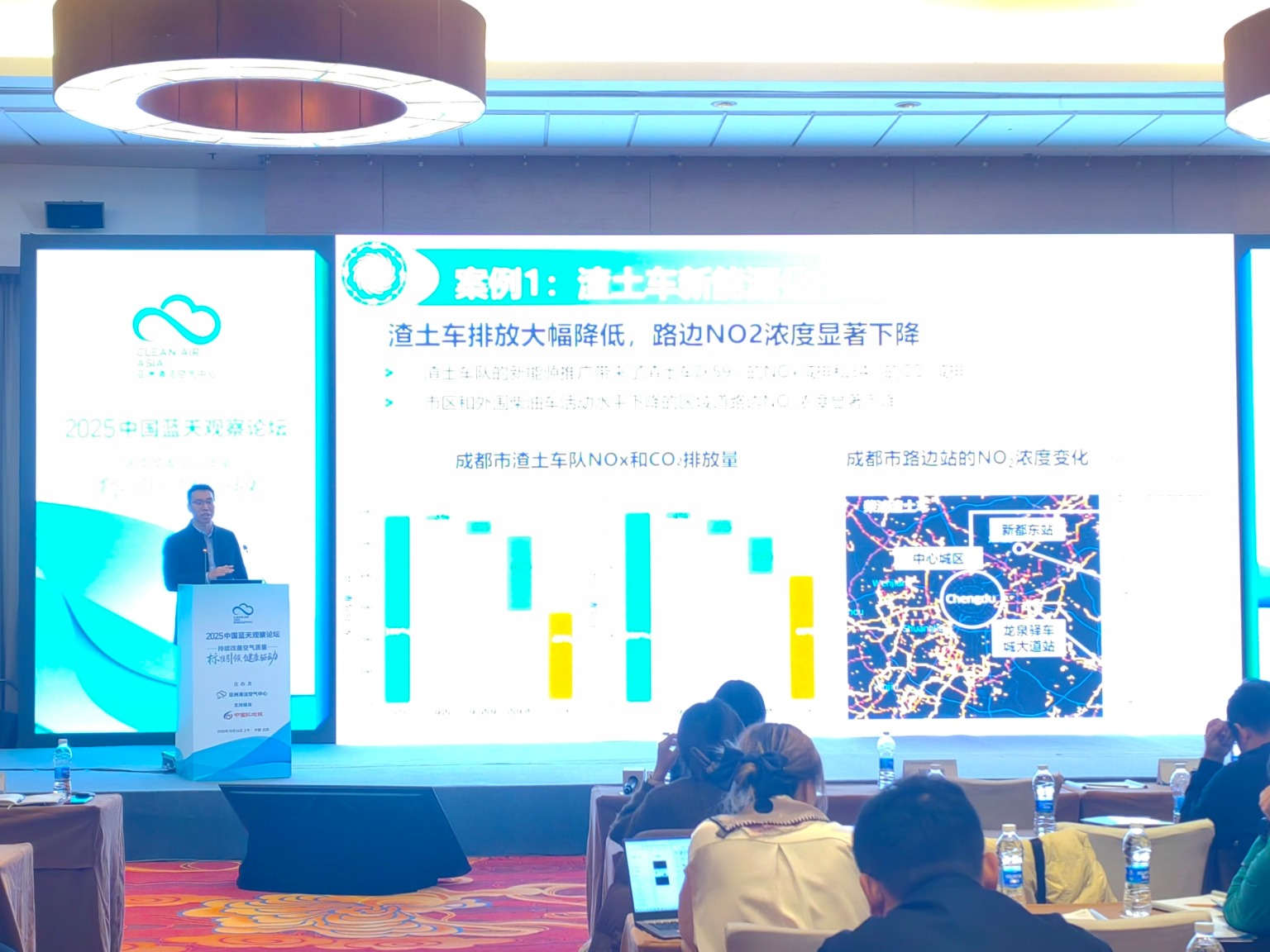
Core Points - The recent 2025 China Blue Sky Observation Forum discussed the revision of China's air quality standards and the health effects of clean air actions, highlighting the need for updated standards due to improved air quality [1] - The Ministry of Ecology and Environment is advancing the research on revising air quality standards and related technical specifications as part of the "Action Plan for Continuous Improvement of Air Quality" [1] Group 1: Air Quality Standards - The current air quality standards, established in 2012 and implemented in 2016, have effectively guided air pollution prevention efforts, necessitating an upgrade as air quality continues to improve [2] - A reference target of 25μg/m³ for new air quality standards has been proposed, which aligns with the 2035 goal of "Beautiful China" and the WHO's second phase transition target [2] - A phased and regional approach to achieving the new standards is being researched, aiming for 339 cities and the Yangtze River Delta to meet the target by 2030, with further reductions expected in key regions by 2035 [2] Group 2: Local Governance and Innovations - Cities like Chengdu are exploring new governance models for air pollution control, achieving positive results through comprehensive policies covering all stages from research and development to disposal [3][4] - Chengdu's initiatives include financial support for R&D, subsidies for production and sales of new energy vehicles, and granting road rights and exemptions during heavy pollution days for these vehicles [4]
以标准为引领、健康为驱动,推动空气质量持续改善
Zhong Guo Neng Yuan Wang· 2025-10-24 11:56
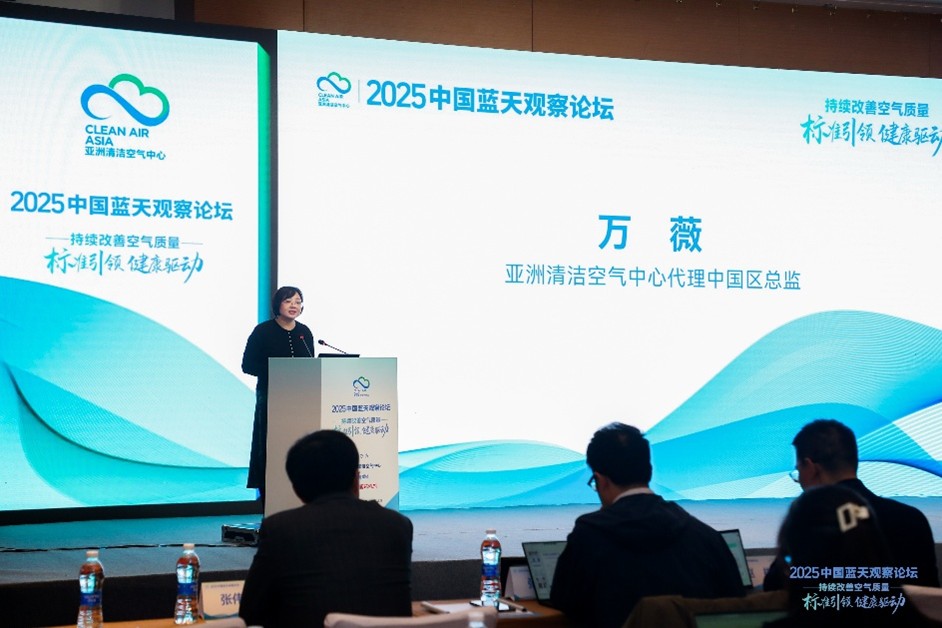
Core Insights - The 2025 China Blue Sky Observation Forum was successfully held in Beijing, focusing on improving air quality through standard revisions and health-driven actions [1] - The forum highlighted the importance of sharing advanced experiences and future pathways for air quality improvement, especially as China enters a new phase of air pollution prevention during the 14th Five-Year Plan [1] Air Quality Standards and Policy - The forum released three significant reports aimed at advancing air quality improvement, including studies on environmental air quality standards and health effects of air quality improvements [4] - The current air quality standards, established in 2012 and implemented in 2016, are set to be revised, with a focus on stricter limits and phased regional compliance [4][5] - Recommendations include establishing a new air quality standard limit of 25μg/m³ for PM2.5, which could enhance health benefits and guide future actions [5] Health Impact Assessments - Research indicates a structural shift in health risks associated with air pollution, with acute risks becoming more prominent due to extreme pollution events [10][11] - The health benefits of air quality improvements are not evenly distributed across regions, necessitating targeted strategies for vulnerable populations [11][13] Local Governance and Best Practices - Local governments play a crucial role in implementing air quality standards and innovative practices, with examples from cities like Beijing, Chengdu, and Shanghai showcasing effective pollution control measures [15][17][22] - The forum emphasized the need for regional collaboration and innovative governance mechanisms to address complex air pollution challenges [24]