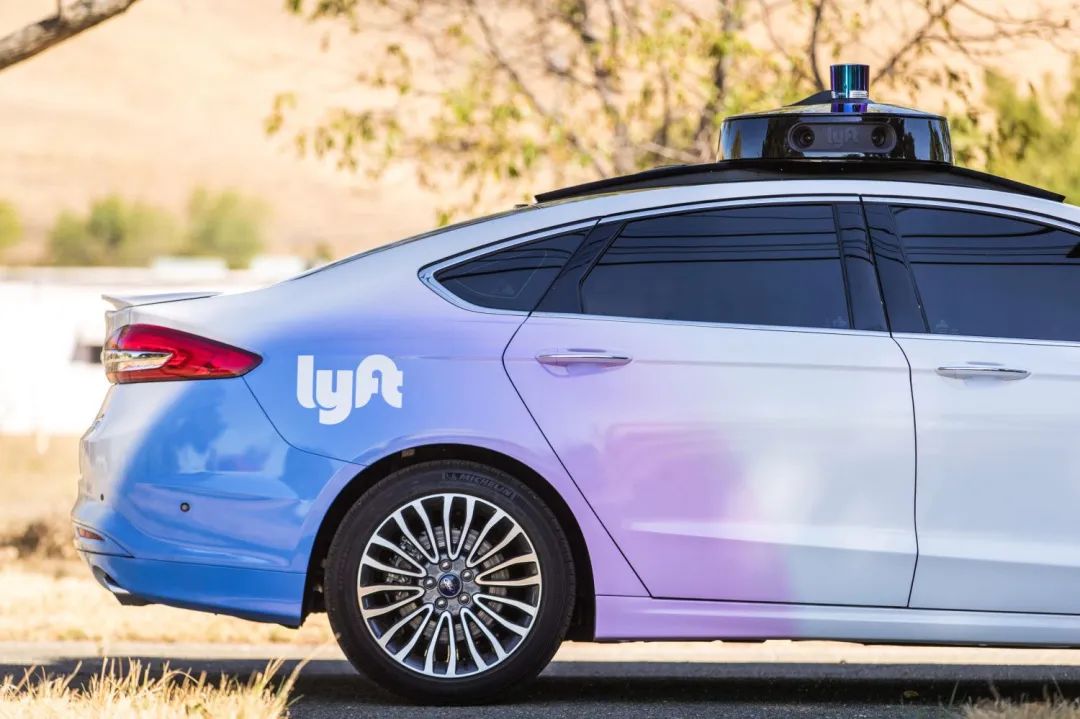
纯视觉路线

Search documents
马斯克:摄像头和激光雷达不能共用!
半导体芯闻· 2025-06-16 10:13
Core Viewpoint - The optimal solution for intelligent driving, according to Elon Musk, combines artificial intelligence, digital neural networks, and cameras, rather than relying on laser radar technology [2][6]. Group 1: Perspectives on Sensor Technology - Musk emphasizes that the global road systems are designed for biological neural networks and vision, not for laser-based systems, which can lead to conflicts between different sensor types [6]. - In contrast, domestic companies like Huawei advocate for the necessity of laser radar, citing safety concerns and limitations of camera-only systems, especially in adverse weather conditions [6][11]. - Huawei's executive, Yu Chengdong, argues that life is invaluable, and thus, safety features like laser radar are essential for reliable vehicle operation [7]. - Xiaopeng Motors supports a vision-based approach, with their senior director stating that the idea of laser radar being superior for long-distance detection is misleading [8][9]. Group 2: Limitations of Laser Radar - Laser radar, as an active sensor, has several drawbacks, including reduced signal strength and point cloud density at longer distances, making it less effective for identifying distant objects [10]. - The technology is also sensitive to weather conditions, with laser radar struggling in rain and fog, while millimeter-wave radar performs better in such scenarios [11]. - Overall, laser radar is characterized as having low information density and being prone to interference, making it unsuitable as the primary sensor for advanced driving systems [12].


激光雷达:AEBS新规催化标配预期,割草机+无人城配快速放量
2025-06-12 15:07
Summary of Key Points from Conference Call Industry and Company Involved - The conference call focuses on the **LiDAR (Light Detection and Ranging)** technology industry, particularly its applications in the automotive sector and emerging markets like smart lawn mowers and unmanned urban delivery vehicles. Core Insights and Arguments 1. **Impact of AEBS Regulations**: The release of the AEBS (Advanced Emergency Braking System) regulation draft is expected to catalyze the adoption of LiDAR in L2 and below vehicles, enhancing basic safety and perception functions [3][12][10]. 2. **Market Growth in Smart Lawn Mowers**: The demand for LiDAR in smart lawn mowers and unmanned urban delivery is rapidly increasing, with expected shipment volumes to expand significantly by 2025, potentially reaching a market size of **5 to 6 billion** [5][17]. 3. **High Potential in LiDAR Market**: The global automotive-grade LiDAR market is projected to cultivate companies with a market value of **hundreds of billions** of RMB, although current valuations of leading companies like Hesai and RoboSense do not fully reflect their growth potential [6][9]. 4. **Concentration of Supply and Demand**: The supply side is highly concentrated with strong certainty, while the pricing and valuation have not yet fully captured the accelerating demand, indicating a high potential for returns [8][7]. 5. **Trends in LiDAR Technology**: LiDAR technology is trending towards downscaling, diffusion, and high-end applications, with prices rapidly decreasing, making it more accessible for various vehicle types [4][14][16]. 6. **Unmanned Delivery Vehicles**: The use of LiDAR in unmanned delivery vehicles (RoboVan) is justified by significant cost savings in last-mile delivery, with potential reductions in delivery costs by **67%** [19][20]. 7. **Growth of Unmanned Freight Vehicles**: The unmanned freight vehicle market is expanding quickly, with major companies planning substantial deliveries in 2025, indicating a market potential of **200 to 400 billion** [21][23]. 8. **Technological Advancements**: The latest models of unmanned freight vehicles are equipped with multiple LiDAR units, with costs decreasing significantly, enhancing their commercial viability [22][23]. 9. **Future Market Dynamics**: The future of the unmanned delivery vehicle market is promising, with a focus on cost control and the need for stricter automotive-grade requirements as speeds increase [24][25]. Other Important but Possibly Overlooked Content 1. **LiDAR's Role in Technology**: LiDAR is crucial for simulating human interaction with the environment, serving as a key technology in various sectors including smart driving and safety monitoring [2]. 2. **Market Penetration of LiDAR in Smart Lawn Mowers**: The penetration rate of LiDAR in smart lawn mowers is expected to rise significantly, with a notable increase from **10% to 30%** in just one year [18]. 3. **Regulatory Changes**: The shift of AEBS from a recommended to a mandatory standard will require M1 and N1 class vehicles to install AEBS systems, directly impacting the adoption of LiDAR technology [12]. 4. **Long-term Investment Opportunities**: Companies like Hesai and RoboSense are positioned for long-term growth, with the potential for significant returns in the high-risk, high-reward segments of the market [26].
马斯克最新的AI驾驶方案,会终结激光雷达吗?
3 6 Ke· 2025-04-23 01:34
Core Viewpoint - Elon Musk has reiterated Tesla's commitment to a pure vision-based approach for fully autonomous driving, relying solely on cameras, Tesla's AI chips, and AI software, while rejecting lidar and other sensors [1][2][4]. Group 1: Tesla's Position on Autonomous Driving - Tesla's strategy emphasizes the belief that advanced AI algorithms and proprietary chips can provide vehicles with perception and decision-making capabilities that rival or exceed human drivers [1][2]. - Musk has previously criticized lidar, stating that using lidar is a flawed approach, as human drivers do not use lasers to navigate [1][2]. - Tesla's marketing now reflects this philosophy, promoting the idea that driving should be based on human-like perception rather than sensor reliance [1]. Group 2: Lidar Industry Dynamics - The high cost of lidar technology has historically deterred companies like Tesla from adopting it, with prices for early models reaching nearly $80,000 [4]. - Chinese lidar companies have gained a competitive edge due to significant cost reductions, with prices dropping from approximately $30,000 to around $200 over eight years, making lidar more accessible [4][5]. - BYD has announced plans to vertically integrate lidar into its production, aiming to reduce costs further, potentially bringing the price down to 900 yuan per unit [7]. Group 3: Market Trends and Adoption - The penetration rate of lidar in new energy vehicles in China is expected to exceed 40% this year, up from 25% last year, indicating a growing acceptance of lidar technology [7]. - Various automakers, including Leap Motor and GAC Toyota, are incorporating lidar into their models, with a significant portion of orders for lidar-equipped versions [8][10]. - The competition in the lidar market is intensifying, with companies needing to explore international markets and non-automotive applications to maintain profitability [11][12]. Group 4: Future of Lidar and Robotics - The global market for lidar in robotics is projected to grow significantly, with estimates suggesting that by 2029, there could be 5 million robots using lidar, representing a potential market size of $10 billion [15]. - Companies like Hesai are expanding their lidar applications beyond automotive, targeting high-growth markets such as delivery and cleaning robots [15][17]. - Hesai has secured significant contracts with major automotive manufacturers, enhancing its position in the global lidar market [14].