
美国党争

Search documents
美政府“停摆”纪录即将刷新 两党相互指责不休
Yang Shi Xin Wen Ke Hu Duan· 2025-11-04 22:46
Group 1 - The U.S. federal government shutdown has lasted for 35 days as of November 4, matching the previous record set during Trump's presidency, with the potential to extend further due to the Senate's 14th rejection of a temporary funding bill [1][2] - The shutdown has severely impacted various sectors, including aviation, food assistance, early education, and healthcare, highlighting the increasing political polarization in the U.S. [1][2] Group 2 - The Senate's failure to advance the temporary funding bill means the fiscal deadlock continues, with the shutdown expected to become the longest in U.S. history starting November 5 [2] - The aviation sector is facing significant challenges, with approximately 13,000 air traffic controllers and 50,000 airport security personnel working without pay, leading to increased flight delays and safety risks [3] Group 3 - Over 40 million Americans relying on the Supplemental Nutrition Assistance Program (SNAP) are affected, with benefits halted since November 1, while the Trump administration has allocated $4.65 billion in emergency funds to cover part of the month's benefits [4] - The ongoing shutdown has led to a significant increase in healthcare costs, with insurance premiums expected to rise by $1,000 per person annually due to the lack of government subsidies [5] Group 4 - Political negotiations remain stalled, with President Trump refusing to negotiate until the government reopens, while some lawmakers express optimism about resolving the fiscal impasse [6]
国际观察|美联邦政府“停摆”近纪录 民众“伤不起”
Xin Hua She· 2025-11-04 02:15
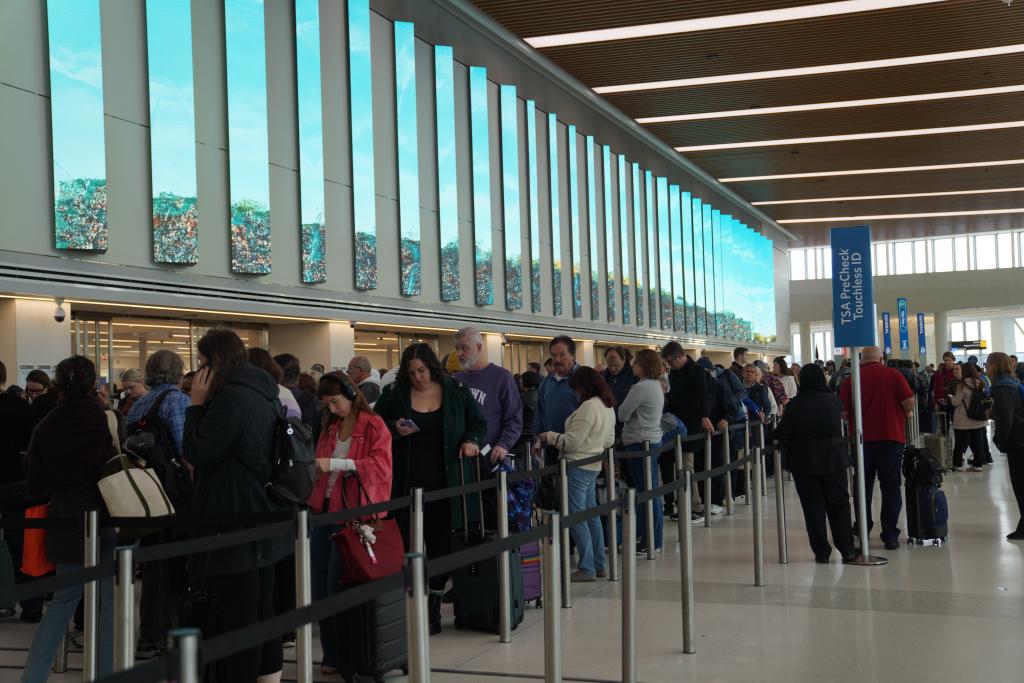
Core Points - The U.S. federal government shutdown has reached its 34th day, nearing the record of 35 days set in late 2018 to early 2019, causing significant disruptions in various sectors, particularly aviation, food assistance, and healthcare [1][4] - The ongoing political deadlock between the Republican and Democratic parties is exacerbating the situation, with both sides using the shutdown to further their political agendas without signs of compromise [1][7] Aviation Industry - Approximately 13,000 air traffic controllers and 50,000 airport security personnel are working without pay, leading to staffing shortages and increased flight delays [2][3] - Nearly half of the major air traffic control facilities in the U.S. are experiencing personnel shortages, with 90% of air traffic controllers in the New York area absent from work [3] - On November 2, nearly 4,300 flights were delayed and over 550 flights were canceled due to the staffing crisis [3] Food Assistance - The federal food assistance program, known as the Supplemental Nutrition Assistance Program (SNAP), ceased issuing benefits on November 1 due to funding exhaustion, affecting approximately 42 million Americans [4][6] - The interruption of SNAP is expected to have a particularly severe impact on African American communities [4] Healthcare Sector - The new enrollment period for the Affordable Care Act (ACA) began on November 1, with around 24 million participants, but rising premiums are anticipated due to the lack of agreement on government subsidies [6] - The Congressional Budget Office estimates that the shutdown could reduce the U.S. GDP growth rate by 1-2 percentage points in Q4, translating to economic losses of $7 billion to $14 billion depending on the duration of the shutdown [6] Political Landscape - The shutdown is primarily driven by a stalemate over healthcare spending, with both parties unwilling to compromise, which has led to a lack of urgency to resolve the situation [7][9] - The Republican party is leveraging the shutdown to push for budget cuts and a reduction in federal employment, while the Democratic party is using the situation to bolster its image as a representative of low-income groups [7][9]

国际观察丨美联邦政府“停摆”近纪录 民众“伤不起”
Xin Hua Wang· 2025-11-04 01:21
Core Points - The U.S. federal government shutdown has reached its 34th day, nearing the record of 35 days set in late 2018 to early 2019, causing significant disruptions in various sectors, particularly aviation, food assistance, and healthcare [1] - The ongoing political deadlock between the Republican and Democratic parties is exacerbating the situation, with both sides using the shutdown to further their political agendas without signs of compromise [1][9] Aviation Industry - Approximately 13,000 air traffic controllers and 50,000 airport security personnel are working without pay, leading to staffing shortages and increased flight delays across the country [2][3] - Nearly half of the major air traffic control facilities in the U.S. are experiencing personnel shortages, with 90% of air traffic controllers in the New York area absent from work [3] - On November 2, nearly 4,300 flights were delayed and over 550 flights were canceled, indicating a severe impact on air travel [3] Food Assistance and Healthcare - The federal food assistance program, the Supplemental Nutrition Assistance Program (SNAP), ceased issuing benefits on November 1, affecting 42 million Americans, many of whom live below the poverty line [6] - The new enrollment period for the Affordable Care Act began on November 1, with 24 million participants expected, but rising premiums are anticipated due to the lack of agreement on government subsidies [8] - The Congressional Budget Office estimates that the shutdown could reduce the U.S. GDP growth rate by 1-2 percentage points in Q4, translating to potential economic losses of $7 billion to $14 billion depending on the duration of the shutdown [8] Political Dynamics - The shutdown is primarily driven by a stalemate over healthcare spending, with both parties unwilling to compromise, and each using the situation to advance their political goals [9][10] - The Republican party is seen as leveraging the shutdown to push for government downsizing, while the Democratic party aims to maintain support among low-income voters by advocating for food assistance [10]

美国政府“停摆”逼近历史纪录
第一财经· 2025-11-04 01:15
Group 1 - The U.S. federal government shutdown has entered its 34th day, nearing the record of 35 days set in late 2018 to early 2019, causing significant disruptions in various sectors including aviation, food, and healthcare, leading to increased pressure on both livelihoods and the economy [3][10] - Approximately 13,000 air traffic controllers and about 50,000 airport security personnel have been forced to work without pay, resulting in a shortage of staff and increased flight delays, raising safety risks in the aviation industry [5][6] - The U.S. Department of Transportation has reported a shortage of 2,000 to 3,000 air traffic controllers, exacerbating the operational challenges faced by the aviation sector [6] Group 2 - The government shutdown has led to the suspension of the Supplemental Nutrition Assistance Program (SNAP) as of November 1, affecting 42 million Americans, which is about one-eighth of the U.S. population, with the most severe impact on low-income individuals [9] - The Affordable Care Act's enrollment for the new year began on November 1, with approximately 24 million participants, but rising premiums are expected due to a lack of agreement on government subsidies between the two parties [9] - The Congressional Budget Office has projected that the ongoing shutdown could reduce the annual GDP growth rate by 1 to 2 percentage points in Q4, translating to an economic loss of $7 billion if the shutdown lasts four weeks, $11 billion for six weeks, and $14 billion for eight weeks [9]
政府“停摆”逼近历史纪录 美民生经济双重承压
Yang Shi Xin Wen· 2025-11-03 16:23
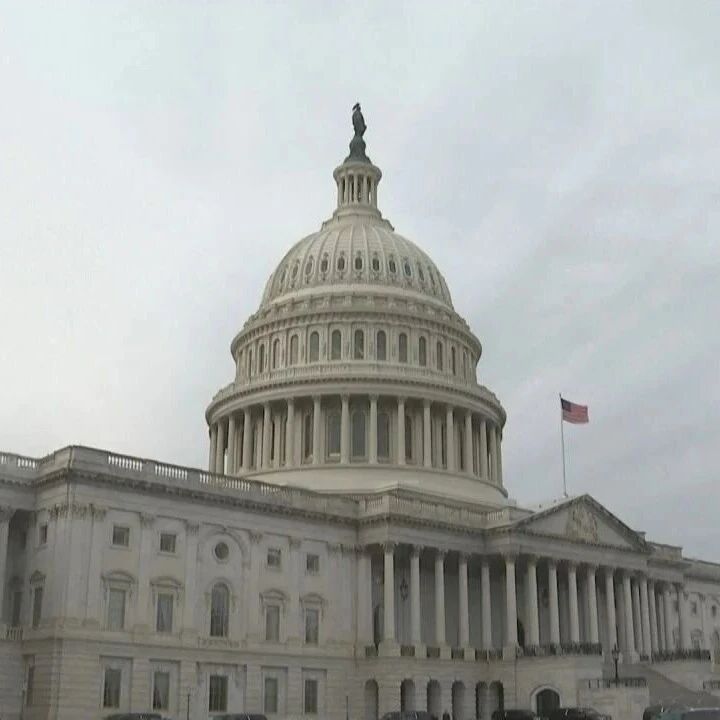
Core Points - The U.S. federal government shutdown has entered its 34th day, nearing the record of 35 days set in late 2018 to early 2019, causing significant disruptions in various sectors, particularly aviation, food, and healthcare [1] - Approximately 13,000 air traffic controllers and 50,000 airport security personnel are working without pay, leading to staffing shortages and increased flight delays, raising safety concerns in the aviation industry [3] - The shutdown has exacerbated the financial burden on citizens, particularly in the healthcare sector, where the Affordable Care Act's enrollment began on November 1, with an estimated 24 million participants facing potential premium increases due to unresolved subsidy issues [5] - The federal food assistance program, the Supplemental Nutrition Assistance Program, has ceased operations as of November 1, affecting 42 million Americans, with a significant impact on low-income individuals [6] - The Congressional Budget Office estimates that the prolonged shutdown could reduce the U.S. GDP growth rate by 1-2 percentage points in Q4, translating to economic losses of $7 billion to $14 billion depending on the duration of the shutdown [8] - The shutdown highlights the increasing political polarization in the U.S., with both parties using the situation to further their political agendas without signs of compromise, negatively impacting the public [9]
国际观察丨美联邦政府“停摆”近纪录 民众“伤不起”
Xin Hua Wang· 2025-11-03 13:43
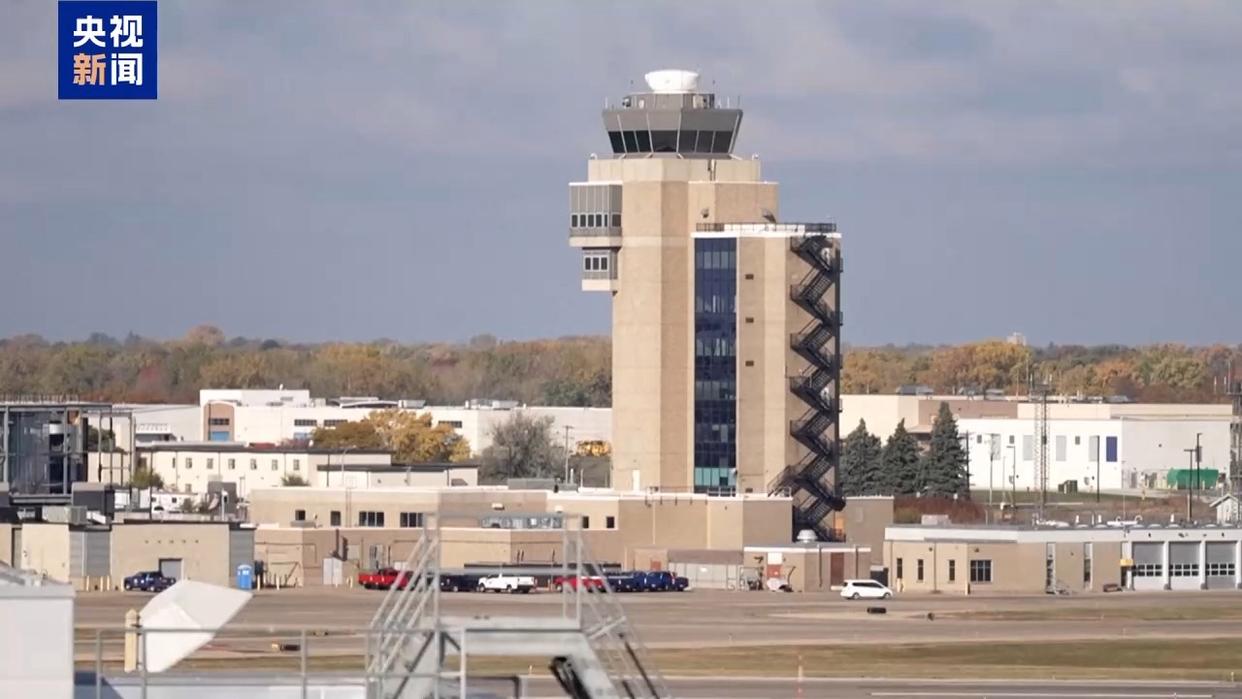
Core Points - The U.S. federal government shutdown has entered its 34th day, nearing the record of 35 days set in late 2018 to early 2019, causing significant disruptions in various sectors, particularly aviation, food assistance, and healthcare [1][5] - The shutdown highlights the increasing political polarization in the U.S., with both major parties using the situation to further their political agendas without signs of compromise [1][9] Aviation Industry - Approximately 13,000 air traffic controllers and 50,000 airport security personnel are working without pay, leading to staffing shortages and increased flight delays [2][4] - Nearly 90% of air traffic controllers in the New York area are absent, resulting in significant operational challenges, including a temporary "ground stop" at major airports [4] - The pressure on air traffic controllers has reached an "unacceptable level," raising concerns about aviation safety as some employees seek additional income through side jobs [4][5] Food Assistance and Healthcare - The federal food assistance program, the Supplemental Nutrition Assistance Program (SNAP), has ceased operations as of November 1, affecting 42 million Americans, many of whom live below the poverty line [5][7] - The new enrollment period for the Affordable Care Act has begun, but due to the ongoing political deadlock, insurance premiums are expected to rise significantly, potentially increasing costs by $1,000 per enrollee annually [7] - The Congressional Budget Office estimates that the shutdown could reduce the U.S. GDP growth rate by 1-2 percentage points in Q4, translating to economic losses of $7 billion to $14 billion depending on the duration of the shutdown [7][8] Political Dynamics - The shutdown is primarily driven by a stalemate between the two parties over healthcare spending, with neither side showing urgency to resolve the situation [8][9] - The Republican Party is leveraging the shutdown to push for government downsizing, while the Democratic Party is using it to reinforce its image as a defender of low-income groups [9]
美联邦政府“停摆”近纪录 民众“伤不起”
Xin Hua She· 2025-11-03 12:15
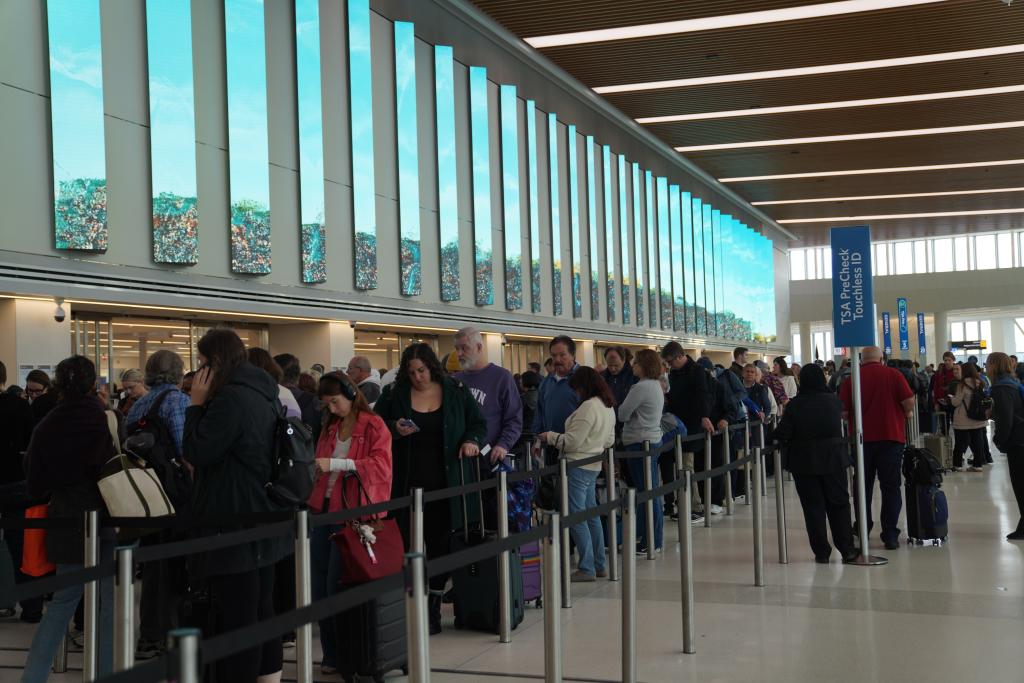
Core Points - The U.S. federal government shutdown has entered its 34th day, nearing the record of 35 days set in late 2018 to early 2019, with significant impacts on various sectors including aviation, food assistance, and healthcare [1] - The ongoing political polarization between the Republican and Democratic parties is exacerbating the situation, with both sides using the shutdown to further their political agendas without signs of compromise [1] Aviation Industry - Approximately 13,000 air traffic controllers and 50,000 airport security personnel are working without pay, leading to staffing shortages and increased flight delays across the country [2] - The Federal Aviation Administration reported that nearly half of the major air traffic control facilities in the U.S. are experiencing staffing shortages, with nearly 90% of controllers in the New York area absent [2] - On November 2, nearly 4,300 flights were delayed and over 550 flights were canceled due to the staffing crisis [2] Food Assistance and Healthcare - The federal food assistance program, the Supplemental Nutrition Assistance Program, ceased operations on November 1 due to funding exhaustion, affecting 42 million Americans, or about one-eighth of the U.S. population [3] - The Affordable Care Act's enrollment for the new year began on November 1, with 24 million expected to enroll, but rising premiums are anticipated due to a lack of agreement on government subsidies [3] - The Congressional Budget Office estimates that the shutdown could reduce the annual GDP growth rate by 1-2 percentage points in Q4, translating to economic losses of $7 billion for a 4-week shutdown, $11 billion for 6 weeks, and $14 billion for 8 weeks [3] Political Stalemate - The shutdown is primarily due to a deadlock between the two parties over healthcare spending, with neither side showing urgency to resolve the issue [4] - The Trump administration has been attempting to significantly cut spending and reduce federal employment, with expectations that over 10,000 federal positions may be eliminated due to the shutdown [5] - Both parties are leveraging the shutdown to solidify their political positions, with Democrats aiming to portray themselves as advocates for low-income groups while Republicans focus on reducing government spending [5]
美政府停摆进入第二周 给多少人造成了多少损失?
Yang Shi Xin Wen Ke Hu Duan· 2025-10-08 03:19
Core Points - The U.S. federal government has been in a shutdown for a week due to budget disagreements, with no signs of compromise between the Democratic and Republican parties [1] - The shutdown is causing significant economic damage, with an estimated loss of $15 billion for each week the government remains closed [1] - Over 2 million government employees are affected, with 750,000 furloughed and essential workers, including military personnel, working without pay [2] Economic Impact - The White House's planned $10 billion subsidy for farmers has been postponed due to the shutdown, exacerbating the financial struggles of farmers affected by trade wars [6] - The shutdown has led to a reduction of air traffic controllers by 50% in some regions, causing significant flight delays and cancellations [4] - A survey indicates that 60% of Americans are avoiding air travel during the shutdown, with 81% believing it will harm the economy [4] Political Dynamics - The Trump administration is using the shutdown to attack Democratic-supported projects and push for federal workforce reductions [5] - White House officials have indicated that layoffs are imminent, attributing the situation to the Democratic party [6] - Public sentiment is increasingly negative, with only 33% of Americans believing the country can resolve its political issues [7]
热点问答|得州选区重划何以成为美国党争新焦点
Xin Hua Wang· 2025-08-06 01:13
Group 1 - Over 50 Democratic lawmakers in Texas staged a "walkout" on April 4, leading to a lack of quorum in the Republican-controlled state House, preventing any legislative progress, including redistricting [1][2] - The Texas House, dominated by Republicans with 88 seats compared to 62 for Democrats, requires at least 100 members present to conduct legislative business, prompting the Democratic lawmakers to leave the state [1][2] - The Republican response included a vote to authorize the arrest of absent Democratic lawmakers, although this was largely seen as a symbolic gesture due to Texas's lack of jurisdiction over out-of-state actions [1][2] Group 2 - The push for redistricting in Texas comes less than five years after the last redistricting, which was heavily influenced by Republicans, resulting in a significant advantage for them in congressional seats [2] - The motivation for the new redistricting effort is linked to pressure from the White House, with President Trump urging Texas Republicans to redraw district lines to secure more seats in the upcoming 2026 midterm elections [2] - The proposed changes aim to alter districts in Democratic strongholds like Austin, Houston, and Dallas, potentially adding five Republican seats in the House [2] Group 3 - The ongoing political conflict in Texas reflects broader issues within the U.S. electoral system, where parties manipulate district boundaries to maintain power, leading to increased political polarization [3][4] - The tactics of "cracking" and "packing" are employed to dilute opposition party votes or concentrate them, respectively, which has been criticized as politicians choosing their voters rather than voters choosing their representatives [3] - The Democratic National Committee Chair warned that if Texas Republicans proceed with redistricting, Democratic states would retaliate with similar actions [3]
剑指中期选举 特朗普发声挺得州 民主党誓言“以牙还牙”
Yang Shi Xin Wen· 2025-08-05 23:53
Core Viewpoint - The article discusses the political maneuvering surrounding the redistricting of congressional seats in Texas, highlighting the conflict between the Republican and Democratic parties as they prepare for the 2026 midterm elections [1][11]. Group 1: Redistricting and Political Strategy - Trump claims that the Republican Party has the right to gain five additional seats in Texas, emphasizing his historical vote count in the state [2][8]. - The Texas legislature, dominated by Republicans (88 seats to 62 for Democrats), is pushing for redistricting to convert Democratic strongholds into Republican advantages ahead of the midterms [3][7]. - The current congressional districts in Texas were redrawn in 2021, favoring Republicans, and the party is seeking to redraw them again within five years, a move driven by pressure from the White House [8][11]. Group 2: Democratic Response and Legislative Tactics - Over 50 Democratic lawmakers staged a walkout to protest the redistricting efforts, aiming to delay legislative proceedings and draw national attention to their cause [3][10]. - The Texas House voted to authorize the arrest of absent Democratic lawmakers, although this action is largely seen as symbolic due to Texas's lack of jurisdiction over out-of-state lawmakers [5][7]. - The Democratic Party has previously used similar tactics to block Republican redistricting efforts, indicating a pattern of escalating partisan conflict [4][10]. Group 3: Broader Implications and Political Polarization - The redistricting conflict in Texas reflects a broader issue in the U.S. electoral system, where parties manipulate district boundaries to secure electoral advantages, contributing to political polarization [11]. - Democratic leaders have warned that if Republicans proceed with redistricting, they will retaliate in Democratic-controlled states, indicating a potential cycle of partisan retribution [11].