
自身免疫疾病治疗

Search documents
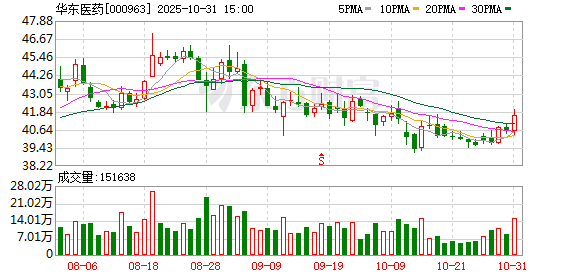
华东医药自免创新管线进展频频 罗氟司特乳膏0.3%剂型在华上市申请获受理
Zheng Quan Ri Bao· 2025-10-31 13:41
Core Viewpoint - Huadong Medicine's innovative topical formulation Roflumilast cream (ZORYVE®) has received acceptance for its market authorization application from NMPA, targeting localized treatment for plaque psoriasis in patients aged 6 and above [2][4]. Product Overview - Roflumilast, a highly selective non-steroidal PDE4 inhibitor, has shown significant advantages in clinical applications compared to previously approved topical psoriasis treatments, including rapid efficacy and improved safety profile [3][4]. - The cream utilizes HydroARQ technology, enhancing user comfort with a lightweight, easily absorbable moisturizing formula, and is suitable for long-term use without restrictions [3]. Market Potential - The psoriasis market in China has seen rapid growth, with the market size increasing from $604 million in 2018 to $1.436 billion in 2022, reflecting a compound annual growth rate (CAGR) of 24.2% [5]. - The Chinese psoriasis drug market is projected to reach ¥139 billion in 2023 and is expected to grow to ¥894 billion by 2032, with a CAGR of 59.1% [6]. Company Strategy - Huadong Medicine is focusing on the autoimmune disease sector, which is experiencing rapid global growth, with the market expected to rise from $132.3 billion in 2022 to $176.7 billion by 2030 [7]. - The company has developed a diverse product pipeline in the autoimmune field, covering various indications, and has over 20 innovative products in development [7]. Recent Developments - The acceptance of Roflumilast cream's NDA marks the seventh market application received by Huadong Medicine this year, indicating a strong pipeline of innovative products [8]. - The company is also advancing other clinical trials for autoimmune diseases, including a new JAK1 inhibitor for vitiligo and ongoing studies for atopic dermatitis and ankylosing spondylitis [8]. Future Outlook - Huadong Medicine's innovative pipeline is expected to enter a harvest phase between 2025 and 2026, with multiple new drug approvals anticipated, further enhancing its competitive position in the pharmaceutical market [10]. - The company aims to continue integrating global innovative resources and enhancing its independent innovation capabilities to provide comprehensive and efficient treatment options for patients [10].


Nature子刊:吴玉章/田易/张轶团队发现自身免疫和过敏疾病治疗新靶点——LARP4
生物世界· 2025-10-18 04:05
Core Viewpoint - The study published in Nature Biomedical Engineering highlights the role of LARP4 in regulating the quiescence exit of naive CD4+ T cells, suggesting that inhibiting LARP4 could improve autoimmune and allergic diseases [2][3][6]. Group 1: Research Findings - Naive T cells are in a resting state and exit this state upon antigen stimulation, with LARP4 identified as a critical regulatory factor for this process [6]. - Conditional knockout of LARP4 in naive CD4+ T cells enhances their resting state and impedes quiescence exit, affecting the stability of several mRNAs crucial for T cell activation [6]. - The differentiation of naive CD4+ T cells into helper T cell subsets is impaired following LARP4 knockout, leading to improvements in autoimmune and allergic responses [6][8]. Group 2: Therapeutic Implications - The research team developed a LARP4 peptide inhibitor, LIPEP, which mimics the effects of LARP4 deficiency and alleviates the severity of autoimmune diseases and allergies in mouse models [6][8]. - The findings establish a link between RNA stability and the homeostasis/adaptive activation of CD4+ T cells, indicating that LARP4 could be a new target for preventing and treating autoimmune and allergic diseases [8].

Argenx(ARGX)深度研究:从亏损到年赚8.3亿美元,FcRn抑制剂如何颠覆自身免疫疾病市场?
贝塔投资智库· 2025-10-17 05:46
Company Overview - Argenx SE is a global biotechnology company founded in 2008, focused on developing innovative immunotherapies for severe autoimmune diseases using its proprietary SIMPLE Antibody™ platform [1] - The core product, VYVGART (efgartigimod alfa), is a novel neonatal Fc receptor (FcRn) blocker approved for treating generalized myasthenia gravis (gMG) in multiple countries, with plans for further indications [1] - Sales of VYVGART grew from $400 million in 2022 to $2.19 billion in 2024, demonstrating strong commercialization capabilities, and the company achieved its first annual profit in 2024 with a net income of $833 million [1] Financial Performance - Argenx's financial performance shows explosive growth, reflecting the successful commercialization of VYVGART [2] - Revenue increased from $401 million in 2022 to $2.252 billion in 2024, representing a compound annual growth rate (CAGR) of 136% [3][18] - The company transitioned from a net loss of $710 million in 2022 to a profit of $833 million in 2024, driven by scale effects, improved operational efficiency, and tax benefits [4] Product Commercialization - VYVGART's net sales in 2024 reached $2.186 billion, with the U.S. accounting for approximately 86.56% of sales [4] - The product is available in various formulations, including intravenous (VYVGART IV) and subcutaneous (VYVGART SC, branded as Hytrulo), enhancing patient convenience [5][7] - VYVGART SC, approved in June 2023, allows for at-home administration, significantly improving patient convenience and expected to contribute over 30% of sales by 2025 [7] Market Expansion and Penetration - Argenx is actively expanding VYVGART into additional indications, with gMG as the core indication approved in over 30 countries [8] - The company is conducting clinical trials for 15 additional autoimmune diseases, with a focus on expanding market penetration [9] - As of 2024, an estimated 15,000 patients globally have received VYVGART treatment, indicating significant growth potential in a market with approximately 60,000-80,000 gMG patients [9] Clinical Efficacy and Patient Acceptance - VYVGART has shown strong clinical efficacy, with 98.1% of patients experiencing significant improvement in MG-ADL scores [13] - Patient satisfaction is high, with over 90% expressing satisfaction with nursing case management services and nearly 80% willing to recommend the treatment [12] Competitive Landscape - Argenx faces competition from major players like AstraZeneca and UCB, but VYVGART maintains a strong market position due to its unique mechanism and clinical advantages [15] - The product's rapid onset of action and good safety profile provide a competitive edge in the autoimmune disease treatment market [16] Investment Highlights - Argenx presents strong investment potential with a current market valuation of approximately $40-45 billion and expected revenue growth rates of 50-70% in the short term [18] - The company has a robust financial position with $3.4 billion in cash and no long-term debt, supporting its growth strategy [18] - The management team has demonstrated strong execution capabilities and a clear strategic vision for future growth [18]


国产CAR-T细胞疗法,又双叒叕登上顶刊Cell:BCMA-CAR-T治疗进行性多发性硬化症
生物世界· 2025-10-16 04:04
Core Insights - The article discusses the potential of anti-BCMA CAR-T cell therapy in treating progressive multiple sclerosis (PMS), highlighting its effectiveness and safety in clinical trials [4][11]. Group 1: Disease Overview - Progressive multiple sclerosis (PMS) is characterized by chronic inflammation in the central nervous system, leading to brain atrophy and demyelination [3]. - Current treatment options for PMS are limited and often ineffective, posing significant challenges for clinical management [3]. Group 2: Treatment Mechanism - B cells are identified as key drivers of disease progression through various mechanisms, including the production of autoantibodies and inflammatory cytokines [3]. - Existing B cell depletion therapies, such as CD20-targeted monoclonal antibodies, have shown efficacy in treating relapsing forms of multiple sclerosis but are limited in their ability to target plasma cells in the central nervous system due to the blood-brain barrier [3]. Group 3: Clinical Trial Findings - A phase 1 clinical trial involving 5 PMS patients (1 primary, 4 secondary) demonstrated that anti-BCMA CAR-T cell therapy is safe and effective [4]. - The therapy resulted in a significant reduction of plasma cells in the central nervous system and showed sustained expansion of CAR-T cells in cerebrospinal fluid, indicating a unique response in the CNS environment [6][9]. - Patients exhibited notable functional improvements over a follow-up period of up to 9 months, which was not observed in cases treated with anti-CD19 CAR-T cells [6][11]. Group 4: Safety Profile - The therapy was associated with only grade 1 cytokine release syndrome, and all grade 3 or higher cytopenias occurred within 40 days post-infusion [7]. Group 5: Future Implications - The study provides insights into the potential application of anti-BCMA CAR-T cell therapy in clinical management of PMS and suggests further research to evaluate long-term clinical efficacy and durability of treatment [11].

诺诚健华与ZENAS BIOPHARMA达成全球战略合作及许可协议
Zhi Tong Cai Jing· 2025-10-08 09:14
Core Viewpoint - InnoCare Pharma Inc. has entered into an exclusive licensing and subscription agreement with Zenas BioPharma, granting Zenas rights to develop, manufacture, and commercialize certain products, including the BTK inhibitor Orelabrutinib for multiple sclerosis and other indications outside of oncology in specified regions [1][2]. Group 1: Licensing Agreement Details - The agreement includes an upfront payment of up to $100 million and milestone payments, with a potential total value exceeding $2 billion [2]. - Zenas will also issue up to 7 million shares of common stock to InnoCare, contingent upon reaching specific milestones [2]. - InnoCare retains full rights in the oncology field globally and non-oncology rights in Greater China and Southeast Asia [1]. Group 2: Product Development and Clinical Trials - Orelabrutinib is a late-stage, orally administered BTK inhibitor with potential best-in-class advantages, currently in Phase III trials for primary progressive multiple sclerosis (PPMS) and secondary progressive multiple sclerosis (SPMS) [3]. - The Phase III trial for PPMS is set to start in Q3 2025, with the SPMS trial expected to begin in Q1 2026 [3]. - InnoCare has completed patient enrollment for a Phase III trial targeting immune thrombocytopenia (ITP) in China and plans to submit a new drug application in H1 2026 [3].


Junshi Biosciences Announces the Phase 3 Study of JS005 (IL-17A) for the Treatment of Moderate to Severe Plaque Psoriasis Met Primary Endpoints
GlobeNewswire News Room· 2025-09-07 12:30
Core Insights - Junshi Biosciences announced positive results from the Phase 3 clinical study of JS005, an anti-IL-17A monoclonal antibody for treating moderate to severe plaque psoriasis, meeting both co-primary and key secondary endpoints [1][3][4] Company Overview - Junshi Biosciences is an innovation-driven biopharmaceutical company founded in December 2012, focusing on the discovery, development, and commercialization of novel therapies [8] - The company has a diversified R&D pipeline with over 50 drug candidates across five therapeutic areas: cancer, autoimmune, metabolic, neurological, and infectious diseases [8] - Junshi has received approvals for five products in China and international markets, including toripalimab, the first domestically produced anti-PD-1 monoclonal antibody in China, approved in 40 countries [8] Clinical Study Details - The Phase 3 study of JS005 was conducted at 60 clinical sites across China, led by Professor Jianzhong Zhang, with the primary objective to assess the efficacy of JS005 compared to placebo [3][4] - Results indicated that JS005 significantly improved psoriasis lesions and achieved a higher proportion of participants with a sPGA score of 0 or 1 compared to placebo, demonstrating good safety [4][5] Disease Context - Psoriasis is a chronic inflammatory disease with a global prevalence of 2.0% to 3.0%, and 0.47% in China, affecting approximately 125 million patients worldwide [2] - Patients with moderate to severe psoriasis face increased risks of metabolic syndrome, cardiovascular disease, and mental health issues, highlighting the urgent need for effective treatments [2]

核心管线突破彰显自免领域实力,中国抗体-B(03681)创新驱动打开增长空间
智通财经网· 2025-09-04 02:10
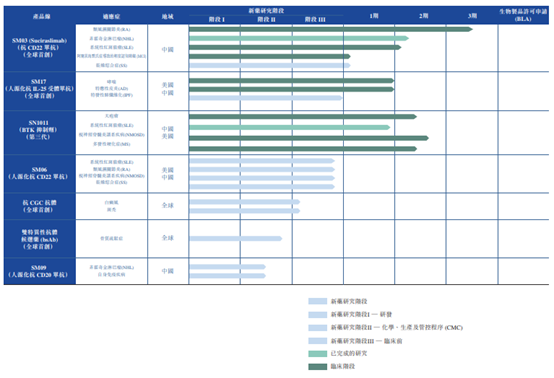
Core Insights - The Hong Kong stock market's innovative drug sector has seen a significant rebound this year, with over 120 billion yuan in net inflows from southbound funds into the pharmaceutical and biotechnology industry, driving investments towards high-certainty quality targets [1] - China Antibody-B (03681) has emerged as a key target for market investors, with its stock price surging by 193.33% since late May, reaching a new high on July 31, reflecting strong market consensus on its differentiated innovation and potential products [1] - The company reported a 40.8% year-on-year reduction in losses for the first half of 2025, showcasing its cost control capabilities and clinical progress of core products, which solidifies its competitive advantage in the autoimmune disease treatment sector [1][2] Company Pipeline and Product Development - China Antibody focuses on innovative drug development for autoimmune diseases, aiming for "global first" and "best-in-class" targets, with a robust pipeline of monoclonal antibodies and new chemical entities [2] - The flagship drug, Suciraslimab (SM03), has made significant breakthroughs in its development, targeting CD22, which is associated with various autoimmune diseases, demonstrating substantial market potential [3] - Recent preclinical results for Suciraslimab in treating systemic lupus erythematosus (SLE) have shown three key competitive advantages, including non-depleting B cell modulation and organ protection, addressing unmet needs in SLE treatment [5] Clinical Advancements and Market Potential - Suciraslimab is also being explored for Alzheimer's disease, with promising mechanisms that may lead to effective and safe immunotherapy options [6] - The company’s product SM17, targeting moderate to severe atopic dermatitis, has shown superior clinical results compared to existing therapies, indicating its potential as a best-in-class treatment [7][8] - The global market for atopic dermatitis is substantial, with at least 230 million patients worldwide, including over 70 million in China, highlighting the significant market opportunity for SM17 [7] Strategic Initiatives and Financial Strength - The company is prioritizing innovation as its core competitive advantage, focusing on commercializing existing drug pipelines and advancing new drug development [11] - As of June 30, 2025, the company had available funds totaling 1.257 billion yuan, bolstered by recent fundraising efforts, ensuring financial support for clinical advancements and commercialization [12] - The establishment of production bases in Haikou and Suzhou is expected to meet clinical and commercial production needs, facilitating the scaling of product commercialization [11][12]
Jade Biosciences (JBIO) 2025 Conference Transcript
2025-09-03 20:20
Summary of Jade Biosciences (JBIO) Conference Call Company Overview - **Company**: Jade Biosciences (JBIO) - **Focus**: Development of best-in-class therapeutics for autoimmune diseases, with a current emphasis on IgA nephropathy (IgAN) [4][6][7] Key Points Company Background - Jade Biosciences was formed by former Chinook Therapeutics executives, Tom Frohlich (CEO) and Andrew King (CSO), after Chinook was acquired by Novartis in 2023 [3][4] - The company has three assets from Paragon Therapeutics, with the lead asset being an anti-APRIL antibody [4][6] Clinical Development - The lead asset, referred to as JADE-101, is currently in clinical trials, with the first cohort of healthy volunteers dosed [6][7] - The company aims to have data available in 2026 and plans to initiate a second asset in the clinic in the first half of next year [6][7] Financial Position - Jade Biosciences is well-financed, having raised $300 million through a reverse merger and convertible note financing, which will support operations through 2027 [7] Market Opportunity - The IgAN market is estimated to exceed $10 billion, with approximately 170,000 patients in the U.S. alone [18][49] - The KDIGO guidelines suggest that all patients should be treated with agents that deplete pathogenic IgA, positioning JADE-101 as a potential frontline therapy [19][48] Competitive Landscape - JADE-101 is positioned against other agents like cipipremnib and ziga kybart, which are ahead in development but may not fully maximize efficacy [20][21] - The company believes it can achieve a best-in-class therapeutic profile with less frequent dosing (every eight weeks) compared to competitors [20][21] Clinical Strategy - The clinical development strategy is informed by insights from previous trials of first-generation anti-APRIL therapies, focusing on patient selection and concomitant drug use [39][41] - The company plans to leverage biomarker data to expedite the transition from Phase I to Phase III trials [44][45] Future Outlook - In the next year, Jade aims to transition from a preclinical to a clinical company, with significant milestones expected for JADE-101 and the second asset [60][61] - The company anticipates having meaningful data on dosing profiles and biomarker responses that will guide future patient trials [60][61] Additional Insights - The executives emphasized the importance of learning from large pharma experiences to streamline drug development processes in a biotech setting [12][13] - The company is cautious about disclosing details on its other pipeline assets to avoid competitive risks [55] This summary encapsulates the key aspects of Jade Biosciences' current status, strategic direction, and market positioning as discussed in the conference call.
海思科:HSK47388片新适应症获药物临床试验批准
Xin Lang Cai Jing· 2025-09-03 08:04
Core Viewpoint - The company has received approval from the National Medical Products Administration for clinical trials of its self-developed drug HSK47388, aimed at treating autoimmune diseases [1] Group 1: Drug Development - HSK47388 is an oral, potent, and highly selective drug [1] - Preclinical studies have shown significant efficacy in a rat model of colitis [1] - The drug demonstrates good tolerability and a large safety window [1] Group 2: Market Implications - This application represents a new indication for HSK47388 in the field of autoimmune diseases [1] - The drug is expected to provide a new treatment option for patients suffering from autoimmune diseases [1]

Zenas BioPharma (ZBIO) Conference Transcript
2025-09-02 18:02
Summary of Zenas BioPharma (ZBIO) Conference Call Company Overview - **Company**: Zenas BioPharma (Ticker: ZBIO) - **Focus**: Autoimmune diseases, with a lead program on obexelimab, a novel monoclonal antibody targeting CD19 and CD32B [4][5] Key Programs and Developments - **Obexelimab**: - In-licensed from Xencor, designed to inhibit B-cell lineage cells, impacting antibody production and cytokine production [4][5] - Completed five clinical trials prior to Zenas acquiring it, including studies in rheumatoid arthritis and systemic lupus erythematosus [5] - Phase three results for IgG4-related disease expected by the end of 2025 [6][18] - Ongoing phase two global program for relapsing multiple sclerosis (RMS) with results expected early in Q4 2025 [6][42] Financial Position - **Cash Position**: Approximately $275 million as of June 30, 2025 [6] - **Strategic Collaboration**: Announced a $300 million funding deal with Royalty Pharma, with $225 million allocated for the IgG4-related disease program [6][10] Market Opportunity - **IgG4-Related Disease**: - Estimated diagnosed population of 20,000 in the U.S., with a potential market opportunity of around $3 billion [20][21] - Current treatment options are limited to corticosteroids, which are not well tolerated [14][15] - Obexelimab offers a subcutaneous self-administration option, reducing economic burden for patients [20] Clinical Trial Design and Expectations - **IgG4RD Study Design**: - Primary endpoint is time to disease flare, with a focus on reducing flare rates compared to placebo [15][16] - Previous studies showed a 60% flare rate for placebo and a single-digit flare rate for obexelimab [16][17] - **RMS Study Design**: - Phase two trial with MRI readout as the primary endpoint, focusing on cumulative new GAD-enhancing lesions [44][45] - Aims to assess neurodegeneration and disability progression, with a potential for a pivotal registration program [46] Competitive Differentiation - **Mechanism of Action**: - Obexelimab inhibits B cells rather than depleting them, allowing for a more controlled treatment approach [18][31] - Subcutaneous administration is more convenient compared to infusion therapies [19][20] - **Safety Profile**: - Well-tolerated with a potential for pausing treatment to allow for vaccination, addressing concerns raised during the pandemic [31][32] Future Plans - **Lupus Program**: - Phase two data expected mid-2026, with a focus on proper study design and patient selection to ensure robust results [56][60] - Potential to incorporate biomarker analysis into future studies [61][70] - **BLA Process**: - Initiated for IgG4-related disease, with a smaller scale compared to larger registration programs [78][79] Conclusion - Zenas BioPharma is positioned to make significant advancements in the treatment of autoimmune diseases with its lead program, obexelimab, backed by a strong financial position and strategic collaborations. The upcoming clinical trial results will be critical in validating its efficacy and market potential.