诚信经营

Search documents
山东省宁阳县市场监管局开展农村大集节前消费市场专项检查
Xin Lang Cai Jing· 2026-02-05 04:46
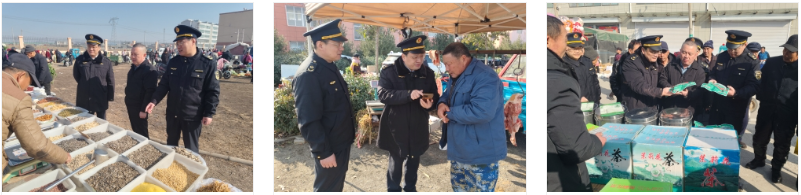
Group 1 - The core viewpoint of the article highlights the proactive measures taken by the Ningyang County Market Supervision Administration in Shandong Province to ensure a safe and orderly consumer market during the upcoming Spring Festival by conducting special inspections at rural markets [1][3] Group 2 - The enforcement personnel are focusing on popular holiday products such as food, daily necessities, and household appliances, rigorously checking for expired, substandard, and counterfeit products, as well as ensuring compliance with procurement verification and documentation [3] - A total of 22 rural markets were inspected, covering over 360 business operators, and more than 40 issues were identified and rectified on-site [3] - The Market Supervision Administration plans to collaborate with local food and drug safety offices for follow-up inspections and record-keeping, aiming to create a regulatory closed loop to safeguard the rural consumer market during the Spring Festival [3]

泉州1413家酒店民宿集体承诺
Xin Lang Cai Jing· 2026-01-30 13:31
Core Viewpoint - The city of Quanzhou is preparing to welcome visitors for the 2026 Spring Festival by ensuring a comfortable and enjoyable experience through a commitment to price integrity and service quality from local hotel and accommodation operators [1][2][3] Group 1: Commitment to Price Integrity - A total of 1,413 hotel and accommodation operators in Quanzhou have signed a price integrity compliance commitment, pledging to adhere to fair pricing practices and avoid unethical pricing behaviors such as price gouging and fraud [1][2] - The commitment emphasizes transparency in consumer pricing and aims to enhance service quality, ensuring that any disputes are handled with patience and sincerity [1][3] Group 2: Regulatory Support and Consumer Protection - The Quanzhou market regulatory department, in collaboration with various governmental bodies, is implementing strict oversight and warm service to protect consumer rights [3] - Measures include price compliance guidance, big data monitoring for online booking prices, and proactive risk management to prevent price fluctuations [3] - There is a strong emphasis on maintaining a "zero tolerance" policy towards market disruptions and unethical practices in the tourism sector, ensuring a safe consumer environment [3]
新秤落地 计量归心 张店区市场监管局筑牢活鱼交易公平防线
Zhong Guo Shi Pin Wang· 2026-01-23 08:18
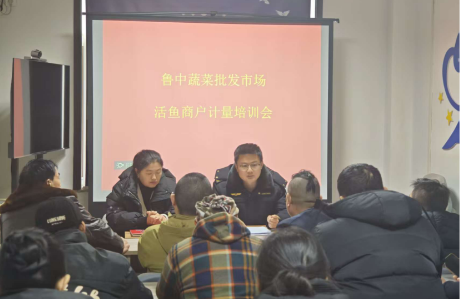
Core Viewpoint - The article highlights the issues of inaccurate weighing practices in live fish transactions, emphasizing the need for improved measurement standards to ensure consumer trust and market integrity [1][3]. Group 1: Measurement Issues - Consumers have expressed concerns about the accuracy of electronic scales used by live fish vendors, citing problems such as brand inconsistency, aging equipment, and potential tampering [1]. - The traditional method of weighing fish before slaughter leads to measurement discrepancies, creating a lack of transparency in transactions [1]. Group 2: Regulatory Response - The Zhangdian District Market Supervision Bureau has initiated a response to consumer complaints by coordinating with the management of the Luzhong Vegetable Wholesale Market to implement a standardized measurement regulation model [1]. - This model includes a unified approach for merchants to apply for new scales, on-site supervision of purchases, and a system for archiving and verifying measurement tools [1]. Group 3: Integrity Measures - The introduction of a "red-yellow card" system aims to enforce compliance among merchants, with penalties for those violating measurement regulations, including warnings and potential expulsion from the market [3]. - The regulatory body is committed to enhancing merchant self-discipline and ensuring adherence to measurement compliance, transparent pricing, and proper weighing practices [3].
出售假冒“天然水晶”,赔偿顾客五千元
Xin Lang Cai Jing· 2026-01-21 21:34
Core Viewpoint - The implementation of the "Lianyungang City Donghai Crystal Industry Development Promotion Regulations" has led to significant legal scrutiny in the crystal market, as evidenced by the first case adjudicated under this regulation, highlighting the importance of integrity in business practices [1][2]. Group 1: Case Details - The case involved a dispute over the sale of "natural crystal" that was later revealed to be artificial, with the plaintiff seeking a refund of 13,234 yuan and triple compensation [1]. - The court found sufficient evidence that the seller misrepresented the product, violating both the Civil Code's principle of honesty and the specific provisions of the local regulation [2]. - The court ruled that the seller must return 12,409.75 yuan and pay an additional 5,000 yuan in damages, emphasizing the legal consequences of deceptive practices in the crystal market [2]. Group 2: Industry Implications - The ruling serves as a warning to crystal sellers about the legal repercussions of fraudulent activities, reinforcing the necessity for honest business operations [3]. - The Lianyungang court aims to promote healthy and regulated development in the Donghai crystal industry, enhancing its reputation as the "World Crystal Capital" through effective legal support [3].
哈市香坊区通天街道油坊社区开展诚信讲堂活动
Xin Lang Cai Jing· 2026-01-16 09:52
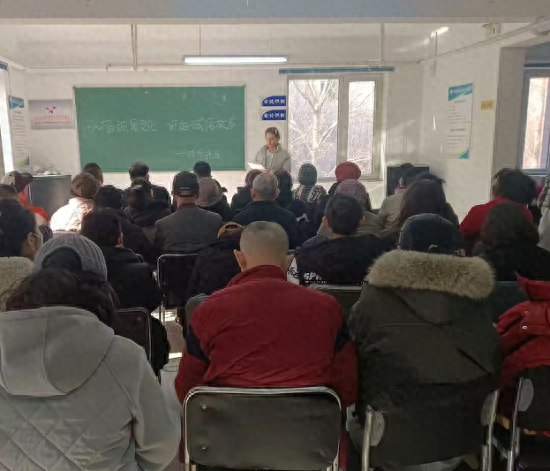
Core Viewpoint - The event aims to promote integrity in business practices and enhance the service quality during the ice and snow tourism season, creating a favorable business environment [1][3]. Group 1: Event Overview - The "Integrity Business Welcomes Guests, Civilized Service Warms Winter" themed lecture was organized by the oil workshop community's New Era Civilization Practice Station to respond to ice and snow tourism [1]. - Volunteers conducted a presentation focusing on "clear pricing and sincere service," addressing the specific requirements for transparent pricing and regulations against price fraud [3]. Group 2: Key Themes and Guidelines - The lecture emphasized the importance of publicizing prices and the standard procedures for doing so, encouraging business operators to adopt the philosophy that "integrity is the foundation of business" [3]. - Participants were educated on consumer rights protection channels and dispute resolution techniques, aiming to enhance compliance awareness and service levels among merchants [3]. Group 3: Community Engagement - The activity fostered a consensus between residents and merchants, creating a positive atmosphere of "everyone participating, building integrity together" [5]. - The oil workshop community plans to continue promoting integrity and guiding civilized tourism, making integrity a prominent feature of the ice and snow tourism season [5].
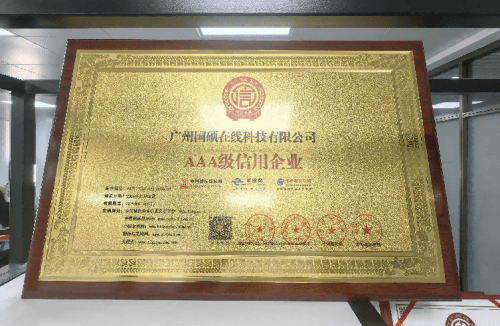
广州国硕在线科技有限公司:以 AAA 级信用之基,筑就诚信经营新标杆
Sou Hu Cai Jing· 2026-01-15 02:53
Core Insights - Guangzhou Guoshuo Online Technology Co., Ltd. has recently achieved multiple AAA-level corporate credit honors, including "Demonstration Enterprise of Integrity Management," "Corporate Credit Rating," and "Contract-abiding and Creditworthy Enterprise," reflecting its commitment to compliance and market credibility [1][3][4] - The founder, Qiu Jinbin, has also been recognized as an "Integrity Entrepreneur," indicating a strong leadership focus on ethical business practices [1][3] Summary by Categories Corporate Credit Recognition - The honors received by Guangzhou Guoshuo Online Technology are based on the evaluation standards outlined in "Q/GXZC 0001-2022," which can be verified through authoritative platforms [1][3] - The AAA credit rating serves as a solid foundation for expanding business collaborations and participating in market competition, acting as a direct endorsement of the company's financial health and risk resilience [3][4] Commitment to Integrity - The company emphasizes that credit is not merely a certificate but a commitment reflected in every service interaction, showcasing its responsibility in user service and contract fulfillment [3] - The recognition is seen as an affirmation of the company's compliance since its establishment and signifies a greater market responsibility moving forward [3][4] Future Directions - The honors are valid until 2029, and the company plans to use this certification as a starting point to deepen its integrity initiatives, including regular public disclosure of credit dynamics and integrating credit management with digital upgrades [4] - The practice of embedding credit management into all business processes—from product development compliance to customer service efficiency—demonstrates the company's commitment to maintaining AAA-level standards [3][4]
济宁市新增一家4A级旅行社
Qi Lu Wan Bao· 2026-01-13 02:15
Core Viewpoint - Shandong Province has announced the list of 4A-level travel agencies, with Jining Best International Travel Agency Co., Ltd. successfully included as a 4A-level agency [1] Group 1: Industry Developments - The local cultural and tourism bureau aims to enhance service quality in travel agencies by using the A-level agency evaluation as a tool to promote integrity and compliance within the industry [1] - The bureau plans to strengthen publicity and guidance through official websites, media, and industry platforms to showcase exemplary experiences and quality products of A-level travel agencies [1] - There is an encouragement for travel agencies to proactively publish service quality commitments and accept social supervision, shifting the industry focus from "regulatory compliance" to "self-improvement" [1] Group 2: Company Profile - Jining Best International Travel Agency Co., Ltd. was established in 2004 and is a professional travel service organization with outbound qualifications approved by the Ministry of Culture and Tourism [1] - The company is headquartered in Rencheng District, Jining, and operates 12 stores across 12 counties in Jining [1] - The agency has received multiple industry honors, including "Quality Tourism Enterprise of Jining from 2018 to 2023" and "Consumer Trusted Tourism Brand," reflecting its positive reputation among tourists [1]
信义暖乡邻 实干促增收
Xin Lang Cai Jing· 2026-01-12 19:03
Core Viewpoint - The article highlights the dedication and integrity of Xie Ruiyin, a retired worker who established a farm supply store and an agricultural cooperative, emphasizing the importance of trust and community support in achieving mutual prosperity [20]. Group 1: Business Operations - In 2014, Xie Ruiyin opened the first farm supply store in her team, emphasizing that "agricultural supplies are the lifeline of farmers" and refusing to compromise on quality for profit [2]. - The store maintained transparent pricing and never stocked substandard products, earning a reputation as a "trustworthy store" with over 80% repeat customers [8]. - Xie Ruiyin led the establishment of the Lanhai Hongxing Agricultural Planting Cooperative in 2018, promising members that the cooperative would ensure prices not lower than market rates and cover any losses [10]. Group 2: Community Engagement - Xie Ruiyin actively supported local farmers by allowing them to take supplies on credit during financial difficulties, demonstrating her commitment to community welfare [8]. - She personally tested seeds and fertilizers before recommending them to cooperative members, ensuring quality and reliability [12]. - During the 2023 cotton purchasing season, she worked tirelessly at the cotton processing plant to assist cooperative members in selling their harvests [16]. Group 3: Ethical Standards - Xie Ruiyin believes that integrity is not only a business principle but also a source of trust within the community, as shown by her charitable actions towards struggling families [17]. - Over the years, she has donated over 100,000 yuan to help 13 families in need, reinforcing her commitment to social responsibility [17]. - Her contributions and dedication to honesty have earned her recognition as one of the "Honest and Trustworthy People" in 2025 [19].

专项检查护航“菜篮子”
Xin Lang Cai Jing· 2026-01-07 23:23
Core Viewpoint - The article discusses a special regulatory action taken by the Gaozhao Street Market Supervision Office to address the issue of misleading lighting used by vendors in fresh food markets, ensuring that consumers can make informed purchasing decisions based on the true appearance of products [1][2][3] Group 1: Regulatory Actions - The Gaozhao Street Market Supervision Office has initiated a campaign to eliminate the use of misleading lighting, commonly referred to as "fresh lights," which distort the appearance of fresh food products [1] - The enforcement actions are based on the national regulations that require proper color rendering index for lighting in sales venues to avoid misleading consumers [1][2] - Inspections were conducted in key areas such as farmers' markets, large supermarkets, and community fresh food stores to check the types of lighting used [1][2] Group 2: Vendor Compliance and Education - During inspections, staff provided detailed explanations of national regulations and industry standards to vendors, emphasizing the importance of accurately presenting product appearances [2] - A pork vendor voluntarily removed a red lampshade after understanding the policy, realizing that genuine quality and honest business practices are more sustainable than misleading lighting [2] - The enforcement approach included both strict regulation and educational outreach, encouraging vendors to replace non-compliant lighting to foster a transparent and fair consumer environment [2] Group 3: Consumer Rights and Ongoing Monitoring - The Gaozhao office plans to conduct follow-up inspections to prevent the resurgence of misleading lighting practices and encourages public participation in monitoring compliance [2] - Consumers are urged to report any vendors still using "fresh lights" through designated complaint channels, reinforcing the commitment to market integrity [2] - The overall goal is to ensure that consumers can clearly see and understand the products they are purchasing, enhancing their confidence and satisfaction during the holiday shopping season [3]
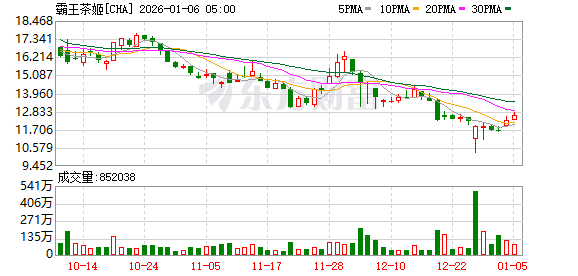
店员徒手制作饮品引争议!霸王茶姬:涉事门店无限期停业整顿
Nan Fang Du Shi Bao· 2026-01-06 05:59
Core Viewpoint - The incident involving a staff member of Bawang Chaji handling ingredients improperly has raised significant concerns regarding food safety and brand integrity, prompting immediate internal investigations and corrective actions by the company [2][3]. Group 1: Incident Details - A video surfaced showing a Bawang Chaji employee using their hands to handle ice and fruit, which led to public outcry [2][3]. - The employee was attempting to mimic a viral trend related to "Indian milk tea" and used waste materials from the store for the video, which was filmed shortly before closing [2][3]. - The company confirmed that the materials used in the video were disposed of immediately after filming and were not sold to customers, with standard cleaning and disinfection processes followed [2][3]. Group 2: Company Response - Bawang Chaji has indefinitely suspended the implicated store in Fujian Zhangzhou Longwen Baolong Plaza for thorough rectification and strict inspection [2][3]. - The employee involved has been dismissed due to serious violations of company policies regarding food safety and integrity [2][3]. - Management personnel, including the store manager and regional supervisor, have faced demotions for their failure in oversight [2][3]. Group 3: Company Background - Bawang Chaji, founded in Yunnan, is a Chinese tea beverage brand that opened its first store in November 2017, focusing on original leaf milk tea and related products, with prices ranging from 16 to 25 yuan [3]. - The company primarily expands its market through a franchise model and is set to be listed on NASDAQ on April 17, 2025 [3]. Group 4: Financial Performance - In the third quarter of 2025, Bawang Chaji reported revenues of 3.208 billion yuan, a year-on-year decline of 9.40%, and a net profit of 394 million yuan, down 38.53% from the previous year [4]. - Adjusted net profit under U.S. GAAP was reported at 503 million yuan, compared to 647 million yuan in the same period last year [4].