
身份政治

Search documents
特朗普“死磕”哈佛,美国精英教育陷入“至暗时刻”?
Sou Hu Cai Jing· 2025-06-09 01:31
Group 1 - Harvard University has become a focal point of global public opinion due to a series of controversial events reflecting deep societal contradictions in the U.S. [1] - The conflict between the Trump administration and Harvard is fundamentally about the boundaries of educational autonomy and government regulation, originating from protests supporting Palestine that sparked anti-Semitic controversies [3] - Harvard's response to the government's pressure included a public rebuttal, emphasizing academic freedom and institutional autonomy, contrasting sharply with the Trump administration's hardline stance [5] Group 2 - The Trump administration's measures, while causing widespread public uproar, face significant implementation challenges, such as vague standards for reporting international students' activities [5] - The financial implications of these policies could severely impact Harvard's revenue from international students, which amounts to hundreds of millions annually, and could hinder its STEM research projects due to talent loss [5] - The ongoing debate over educational equity in the U.S. highlights accusations against Harvard for implementing de facto discrimination through racial quotas in admissions, particularly against Asian students [11] Group 3 - The rise of nativist sentiments in the U.S. is reflected in the Trump administration's policies towards international students, which could undermine America's global innovation leadership [9] - The events at Harvard and other universities illustrate the tension between maintaining free speech and ensuring personal safety amid rising identity politics [13] - Overall, the controversies surrounding Harvard represent a microcosm of the broader challenges facing American society in balancing multicultural coexistence with national interests [15]


为什么"穷人味"是当代社会最隐蔽的歧视?
虎嗅APP· 2025-05-23 13:25
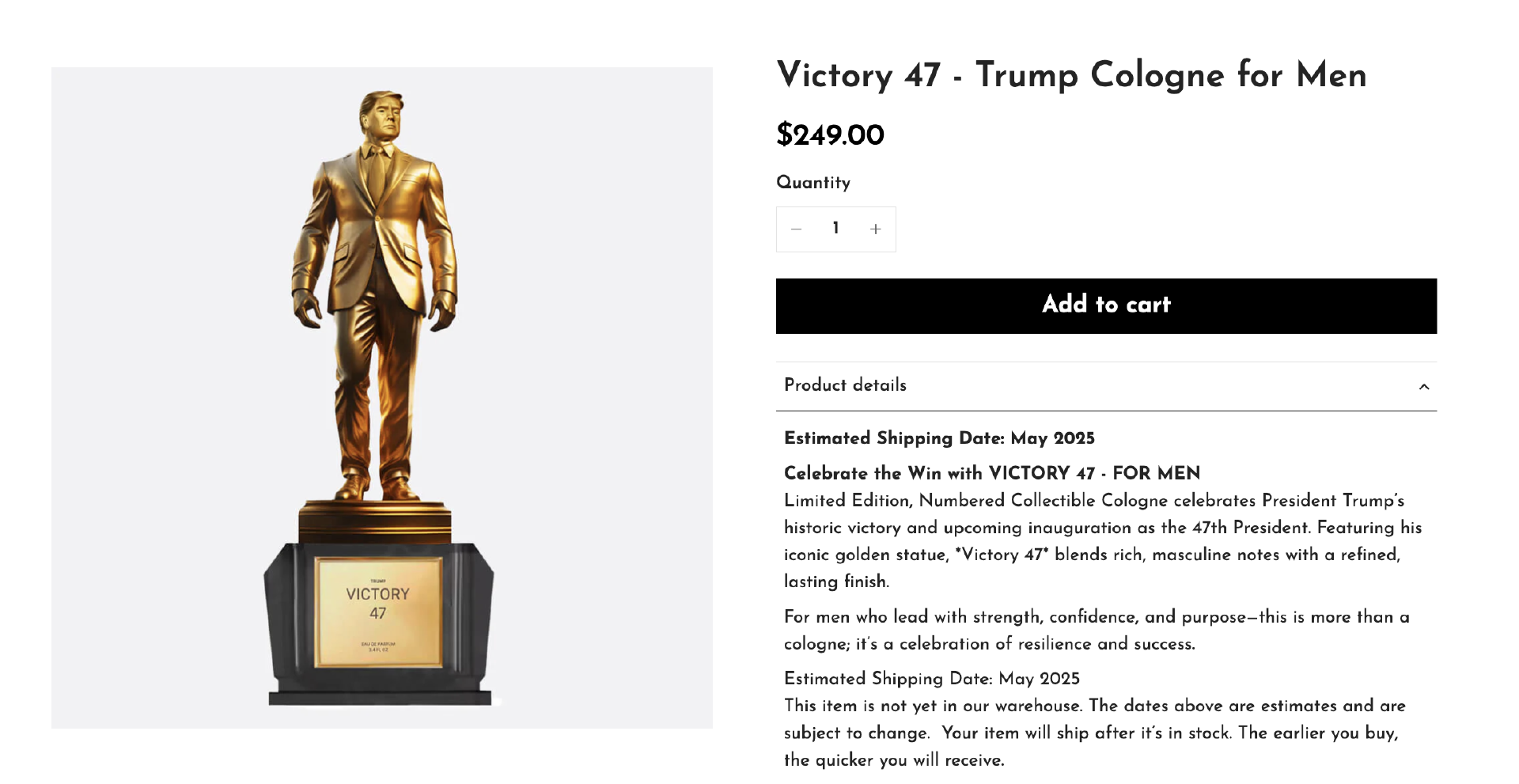
Core Viewpoint - The article discusses the intersection of scent and politics, highlighting how fragrances can influence political identity and consumer behavior, particularly through the example of Donald Trump's fragrance launch [4][10][16]. Group 1: Scent and Consumer Behavior - Modern consumers rely on reviews and visual content for purchasing decisions, but fragrance remains an exception where consumers must rely on guesswork [4]. - Trump's upcoming fragrance, Victory 47, has garnered significant attention despite negative reviews on fragrance rating platforms, indicating a disconnect between marketing and consumer experience [12][13]. Group 2: Political Implications of Scent - The marketing of Trump's fragrance emphasizes themes of power and patriotism, aiming to create a sense of identity among supporters [10][16]. - Historical examples show that various political figures have utilized scent as a branding tool, with fragrances linked to political movements and ideologies [25][32]. Group 3: Scent as a Social Divider - The article explores how scent has been used to reinforce social and racial divisions, with historical references to how odors have been associated with class and ethnicity [44][59]. - The evolution of hygiene standards has transformed perceptions of scent, leading to discrimination based on body odor and reinforcing societal hierarchies [49][66]. Group 4: Contemporary Relevance - The article highlights the ongoing relevance of scent in modern political and social contexts, including how perceptions of odor can affect public opinion and personal identity [66][70]. - It emphasizes the need to recognize the role of scent in shaping societal norms and individual behaviors, particularly in urban environments [67][73].

谁说穷人是臭的,富人是香的?
Hu Xiu· 2025-05-22 11:12
Group 1 - The article discusses the unique challenges of marketing perfumes, emphasizing that consumers often rely on subjective reviews rather than direct sensory experience [1][3] - Trump's upcoming fragrance, Victory 47, has garnered significant attention despite receiving negative reviews on fragrance rating platforms, highlighting the disconnect between marketing and consumer perception [8][12] - The marketing strategy for Trump's fragrance is tied to political branding, aiming to create a sense of identity among supporters through scent [12][18] Group 2 - The article explores the historical context of scent in politics, noting that various political figures have previously launched their own fragrances as a means of branding [18][25] - It highlights the findings of a study that identified scent preferences among different political affiliations, suggesting that scent can influence political identity [28] - The relationship between scent and social class is examined, indicating that perceptions of odor have been used to justify social hierarchies and discrimination throughout history [35][44] Group 3 - The article discusses how scent has been politicized, affecting societal structures and contributing to class and racial divisions [35][49] - It references historical examples where scent was used to dehumanize certain groups, illustrating the deep-rooted connections between odor and societal perceptions [44][45] - The modern implications of scent politics are explored, particularly in relation to urban living and the stigmatization of certain odors associated with socioeconomic status [51][52]
男导演能拍好女性作品吗?
Hu Xiu· 2025-05-18 03:27
Group 1 - The controversy surrounding the translation of feminist works by male translators raises questions about gender identity in literary creation [1][2][4] - The discussion extends to whether specific groups have the legitimacy to interpret certain topics, such as whether male directors can accurately portray female characters or if able-bodied actors can play disabled roles [1][2][15] - The issue of "writing rights" is highlighted, noting that historically, many significant concepts regarding women have been articulated by male authors [4][8] Group 2 - The emergence of identity politics in literature prompts a reevaluation of how identity influences cultural life and artistic expression [2][21] - The distinction between male and female authorship is emphasized, with a focus on the challenges female writers face in gaining recognition and the societal structures that hinder their visibility [9][22] - The concept of "internal perspective" is discussed, suggesting that authentic representation in storytelling requires the involvement of those from the represented group [15][18] Group 3 - The film industry is noted for its evolving dynamics, where the representation of marginalized groups is increasingly being questioned, leading to a demand for more authentic narratives [17][20] - The discussion includes the impact of gender on creative processes, with examples of how female directors may approach filmmaking differently than their male counterparts [20][21] - The need for more diverse voices in literature and film is underscored, as the current landscape often limits creators to narratives tied to their identities [22][23]

冷战会再次开启吗?
Hu Xiu· 2025-04-14 23:49
Group 1 - The core argument of the articles is that the legacy of the Cold War continues to shape the current global political and economic landscape, influencing everything from international relations to individual lifestyles [1][4][10] - The book "The Story of the Cold War" presents a comprehensive analysis of the Cold War's development and its lasting impact on contemporary society, emphasizing the importance of international order and rules [2][3] - The ongoing tensions between the US and China are seen as a potential new Cold War, with significant implications for global politics and economics, highlighting the complexities of international relations today [5][12][14] Group 2 - The Cold War is characterized by a unique ideological struggle between capitalism and socialism, which has left a lasting imprint on global politics and continues to influence current conflicts [6][11] - The historical context of the Cold War is essential for understanding contemporary issues, such as the situation in Afghanistan and the dynamics of African nations post-colonization [5][9] - The transition from a clear ideological divide to more complex identity politics reflects a shift in how nations perceive each other, moving beyond simple classifications of "friend" or "enemy" [14]