银行IPO

Search documents
东莞银行两年被罚1332万 董监高涨薪225万
Chang Jiang Shang Bao· 2025-12-15 01:35
Core Viewpoint - Dongguan Bank is facing dual challenges of compliance governance and declining performance, having failed to complete its A-share IPO process for 17 years [1][2] Compliance and Regulatory Issues - Dongguan Bank has been penalized a total of 13.32 million yuan in fines over the past two years, with four fines exceeding one million yuan [1][3] - The latest penalty of 387.04 thousand yuan was imposed for violations related to financial statistics and payment settlement regulations [3][4] - The bank's internal control issues have led to multiple penalties across various departments, indicating systemic compliance challenges [3][4] Financial Performance - For the first three quarters of 2025, Dongguan Bank reported operating income of 6.917 billion yuan, a year-on-year decrease of approximately 9.4%, and a net profit attributable to shareholders of 2.546 billion yuan, down 20.7% [1][7] - The bank's net interest margin has significantly declined, with figures of 1.67%, 1.61%, and 1.26% from 2022 to 2024, falling below the average of comparable listed city commercial banks [7] - The bank's total assets reached 681.274 billion yuan as of September 2025, with loans and advances amounting to 374.31 billion yuan and deposits of 464.653 billion yuan [8][9] Capital Adequacy - As of September 2025, the core Tier 1 capital adequacy ratio dropped to 9.13% from 9.31% at the end of 2024, indicating urgent capital replenishment needs [1][9] - Dongguan Bank plans to raise 8.4 billion yuan through its IPO to enhance its capital adequacy and overall competitiveness [9] Management Compensation - Despite declining performance, the total compensation for the bank's directors and senior management increased by 2.515 million yuan in 2024, a rise of 9.8% compared to the previous year [1][8]
啥情况?70后闻渊卸任杭州联合银行行长,董事长林时益代为履职
Xin Lang Cai Jing· 2025-12-10 10:38
Group 1 - The president of Hangzhou United Rural Commercial Bank, Wen Yuan, has resigned, and the chairman, Lin Shiyi, will temporarily assume the role of president until a new president is approved by regulatory authorities [2][9][10] - Lin Shiyi, born in October 1971, has a background in financial regulation and previously served as the president of Zhejiang Xiaoshan Rural Commercial Bank, where he oversaw significant asset growth [3][11] - Hangzhou United Bank is currently in a critical phase of its IPO process, having restarted its listing preparations after a four-year hiatus [4][12] Group 2 - As of the end of September, Hangzhou United Bank reported total assets of 596.12 billion yuan, a growth of approximately 6.8% from the beginning of the year, with a net profit of 4.24 billion yuan, reflecting a year-on-year increase of 2.13% [5][12] - The bank's revenue for the first nine months of the year was 8.69 billion yuan, a decrease of 3.49% compared to the previous year, while the non-performing loan ratio rose to 0.96%, an increase of 0.09 percentage points from the start of the year [5][12] - Historical performance shows that from 2021 to 2024, the bank's revenue growth rates were 20.56%, 10.70%, 4.59%, and 3.10%, respectively, while net profit growth rates were 13.51%, 29.85%, 25.05%, and 5.43% [6][13] Group 3 - The bank has undergone several leadership changes, with five presidents since its establishment, indicating a period of transition and potential instability [3][12] - The bank's IPO is facing two main challenges: the need for approval from the provincial state-owned assets regulatory authority regarding the state-owned equity structure and the requirement for regulatory approval for the listing [5][12] - The bank's historical performance data from 2020 to 2024 shows a consistent increase in both revenue and net profit, with total assets growing from 302.84 billion yuan in 2020 to 560.34 billion yuan in 2024 [6][14]

广东两家拟上市银行三季度业绩承压,IPO进程再度受阻
Hua Xia Shi Bao· 2025-10-30 14:36
Core Viewpoint - Both Dongguan Bank and Nanhai Rural Commercial Bank have reported a decline in operating income and net profit for the first three quarters of the year, indicating ongoing financial challenges as they pursue their IPOs [2][3]. Financial Performance - Dongguan Bank achieved operating income of 6.918 billion yuan, a year-on-year decrease of 9.39%, and net profit of 2.544 billion yuan, down 20.66% from the previous year [3][4]. - Nanhai Rural Commercial Bank reported operating income of 4.277 billion yuan, a decline of 8.73%, and net profit of 1.865 billion yuan, down 17.08% year-on-year [4][5]. Revenue Structure - Dongguan Bank's net interest income remained relatively stable at 5.24 billion yuan, a slight decrease of 0.43%, but investment income fell significantly from 1.733 billion yuan to 1.343 billion yuan, a drop of 22.54% [4]. - Nanhai Rural Commercial Bank's net interest income decreased from 2.708 billion yuan to 2.528 billion yuan, a decline of 6.64%, while investment income increased from 1.329 billion yuan to 2.003 billion yuan, a growth of 50.75% [5]. IPO Status - Both banks' IPO applications have been repeatedly halted due to outdated financial information, marking the fourth time since March 2024 that their review status has changed to "suspended" [2][7]. - As of September 30, Dongguan Bank's core Tier 1 capital adequacy ratio was 9.13%, while Nanhai Rural Commercial Bank's was 12.51%, both showing a decline from the previous year [7]. Capital Supplementation - The banks are primarily relying on profit retention and the issuance of capital bonds for capital supplementation, but declining profitability is limiting their internal capital generation capabilities [8]. - Dongguan Bank issued 4 billion yuan in subordinated capital bonds, while Nanhai Rural Commercial Bank issued 3 billion yuan, providing some capital relief [8].

遥遥无期!东莞银行与南海农商行A股IPO年内二次中止审核
Sou Hu Cai Jing· 2025-10-22 09:53
Core Viewpoint - Dongguan Bank and Nanhai Rural Commercial Bank's IPO review status has been changed from "accepted" to "suspended" due to expired financial documents, marking the second suspension this year for both banks [1] Group 1: IPO Status and History - Dongguan Bank has faced a tumultuous IPO journey since its first application in 2008, experiencing multiple suspensions and rejections, including four suspensions due to expired financial documents since 2024 [1] - Nanhai Rural Commercial Bank has also had a lengthy IPO process, with its first application submitted in 2019 and facing four suspensions due to financial issues over the years [1] Group 2: Financial Performance - For the first half of 2025, Dongguan Bank reported a revenue of 4.97 billion yuan, a year-on-year decline of 8.02%, and a net profit of 2.36 billion yuan, down 1.4% [1] - Nanhai Rural Commercial Bank's revenue for the same period was 3.28 billion yuan, reflecting an 8.24% year-on-year decrease, with a net profit of 1.39 billion yuan, down 14.2% [1] Group 3: Capital Adequacy and IPO Purpose - Both banks are heavily reliant on IPOs for capital replenishment, with Dongguan Bank's core Tier 1 capital adequacy ratio at 9.24% and total capital adequacy ratio at 13.74%, both below industry averages [2] - Nanhai Rural Commercial Bank's capital adequacy ratio stands at 14.93% and core Tier 1 capital adequacy ratio at 12.4% [2] - Dongguan Bank plans to issue up to 780 million shares to raise funds solely for capital replenishment, while Nanhai Rural Commercial Bank aims to issue up to 1.32 billion shares for the same purpose [2] Group 4: Internal Challenges - The expiration of financial documents is a symptom of deeper issues, including inadequate internal governance and compliance management, which hinder the banks' ability to meet IPO requirements [2] - Dongguan Bank's ownership structure is highly fragmented, with over 98% of shares held by individual shareholders, posing significant challenges for its IPO [2] - Nanhai Rural Commercial Bank also has a dispersed ownership structure, with the top five shareholders holding less than 30% of shares, and the second-largest shareholder's shares being judicially frozen [2] Group 5: Market Context - Since the listing of Lanzhou Bank in 2022, there has been a three-year gap in A-share bank IPOs, with several banks withdrawing their applications, leaving only five banks currently in the IPO queue [3] - Guangzhou Bank and Shunde Rural Commercial Bank have recently withdrawn their IPO applications, indicating a challenging environment for bank listings [3]
两家银行A股IPO再卡壳 中小银行上市路众生相
Bei Jing Shang Bao· 2025-10-21 14:22
Core Viewpoint - The IPO market for banks in A-shares faces significant challenges, with Dongguan Bank and Guangdong Nanhai Rural Commercial Bank's IPO applications being halted again due to expired financial documents, marking the second time this year for both banks [1][2][3]. Group 1: IPO Status and Challenges - Dongguan Bank and Guangdong Nanhai Rural Commercial Bank's IPO status has reverted from "accepted" to "suspended" due to the need for updated financial documents [2]. - Both banks have faced prolonged IPO journeys, with Dongguan Bank first submitting IPO materials in 2008 and Guangdong Nanhai Rural Commercial Bank starting in 2018 [2][3]. - The A-share bank IPO market has been stagnant since Lanzhou Bank's listing in 2022, with only five banks currently in the IPO "reserve" queue [1][7]. Group 2: Financial Performance - Dongguan Bank reported a revenue of 4.966 billion yuan in the first half of 2025, down 8.02% year-on-year, and a net profit of 2.365 billion yuan, down 1.45% [3]. - Guangdong Nanhai Rural Commercial Bank's revenue for the same period was 3.278 billion yuan, a decrease of 8.24%, with a net profit of 1.39 billion yuan, down 14.17% [4]. - Both banks' capital adequacy ratios are below industry averages, with Dongguan Bank's core Tier 1 capital adequacy ratio at 9.24% and Guangdong Nanhai's at 12.4% [4]. Group 3: Underlying Issues - Analysts indicate that the financial performance of these banks is weak, compounded by compliance issues, which hinder their IPO progress [8]. - The current regulatory environment favors technology companies for IPOs, creating a mismatch with the needs of smaller banks [8]. - Structural issues such as governance deficiencies, asset quality concerns, and reliance on IPOs for capital are prevalent among smaller banks, complicating their path to listing [10][11].
两家银行A股IPO再卡壳,中小银行上市路众生相
Bei Jing Shang Bao· 2025-10-21 13:23
Core Viewpoint - The IPO market for banks in A-shares faces significant challenges, with Dongguan Bank and Guangdong Nanhai Rural Commercial Bank's IPO applications being halted again due to expired financial documents, marking the second time this year for both banks [1][3][4]. Summary by Sections IPO Status - Dongguan Bank and Guangdong Nanhai Rural Commercial Bank's IPO review status has reverted from "accepted" to "suspended" due to the need for updated financial documents [3][4]. - Both banks have faced multiple interruptions in their IPO processes, with Dongguan Bank first submitting IPO materials in 2008 and Guangdong Nanhai Rural Commercial Bank starting in 2018 [3][4]. Financial Performance - Dongguan Bank reported a revenue of 4.966 billion yuan in the first half of 2025, down 8.02% year-on-year, and a net profit of 2.365 billion yuan, down 1.45% [5]. - Guangdong Nanhai Rural Commercial Bank's revenue for the same period was 3.278 billion yuan, a decrease of 8.24%, with a net profit of 1.39 billion yuan, down 14.17% [5]. - Both banks' capital adequacy ratios are below industry averages, with Dongguan Bank's core Tier 1 capital adequacy ratio at 9.24% and Guangdong Nanhai's at 12.4% [5]. Market Environment - The A-share bank IPO market has been stagnant since the listing of Lanzhou Bank in January 2022, with only five banks currently in the IPO "reserve" list [7]. - The overall market for bank IPOs is characterized by a lack of new listings and a focus on compliance and risk management, which poses challenges for smaller banks [8][9]. Challenges Faced - The financial performance of many small and medium-sized banks has deteriorated, making it harder for them to meet IPO requirements [6][8]. - Structural issues such as governance deficiencies, asset quality problems, and regulatory compliance challenges hinder the IPO process for many banks [10][11]. Future Outlook - Despite the challenges, some banks are still actively pursuing IPOs, with 15 banks currently in the listing guidance phase, although they face various obstacles [9][10]. - Analysts suggest that banks should focus on improving compliance and governance to enhance their chances of successful IPOs in the future [11].

东莞银行IPO审核第4次中止,今年中期营利双降
Sou Hu Cai Jing· 2025-10-18 01:47
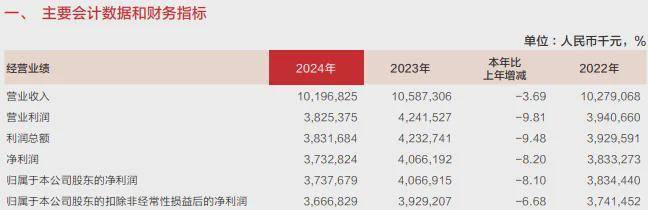
Core Viewpoint - Dongguan Bank's A-share IPO review has been suspended for the fourth time since its initial submission in 2023, primarily due to the need to update financial performance data [1] Financial Performance - In 2024, Dongguan Bank's operating income is reported at 10.20 billion RMB, a decrease of 3.69% compared to 2023, and lower than the 2022 figure [2] - The bank's net profit for 2024 is 3.73 billion RMB, down 8.20% from 2023 and below the 2022 level [2] - For the first half of 2024, the bank achieved revenue of 4.97 billion RMB, a decline of 8% year-on-year [3] Asset and Liability Management - As of June 30, 2024, Dongguan Bank's total assets amounted to 677 billion RMB, reflecting a modest increase of 0.64% from the end of the previous year [4] - The bank's loan and advance issuance reached 370.81 billion RMB, an increase of 3.4% from the end of the previous year [7] - The bank has made significant adjustments in its asset structure, with cash and deposits at the central bank decreasing by 13 billion RMB [6] Capital Adequacy - Dongguan Bank's core Tier 1 capital adequacy ratio stands at 9.24%, with a total capital adequacy ratio of 13.74% [10]
高层大换血,泉州银行离IPO还有多远?
Sou Hu Cai Jing· 2025-08-03 00:10
Core Viewpoint - Recent leadership changes at Quanzhou Bank have drawn significant attention in the industry, with the appointment of Jiang Wenpeng as the new chairman and ongoing challenges related to asset quality and loan performance [5][6][8]. Leadership Changes - Jiang Wenpeng has been nominated as the new chairman of Quanzhou Bank, succeeding Lin Yangfa, who retired due to reaching the legal retirement age [6][7]. - The bank has also seen other key personnel changes, including the appointment of Ye Xuyin as the new board secretary and Wang Haibin as the new assistant president [8][9]. Asset Quality Challenges - Quanzhou Bank's non-performing loan (NPL) ratio has increased for three consecutive years, reaching 1.83% in 2024, with overdue loans growing by over 800 million yuan [8][11]. - The bank's provision coverage ratio has decreased from 168.01% in 2023 to 163.23% in 2024, indicating a weakening ability to cover potential loan losses [12][13]. Financial Performance - As of the end of 2024, Quanzhou Bank reported total assets of 175.3 billion yuan, with total deposits of 134.7 billion yuan and total loans of 111 billion yuan [10]. - The bank achieved operating income of 3.698 billion yuan in 2024, a year-on-year increase of 4.55%, and a net profit of 656 million yuan, up 0.95% [10]. Capital Adequacy - The capital adequacy ratio stood at 14.12% and the core tier 1 capital ratio at 9.33% as of the end of 2024, both above regulatory minimums [13]. - The bank's total capital net amount is 16.934 billion yuan, with tier 1 capital net amount at 13.384 billion yuan [14]. Shareholding Structure - Quanzhou Bank has a dispersed shareholding structure, with the largest shareholder holding only 11.67% of the shares, indicating no absolute control by any single entity [15][16]. - The top ten shareholders collectively hold 24.59% of the shares, with significant representation from state-owned enterprises [15][16]. Regulatory Challenges - The bank has faced multiple regulatory penalties in 2024, including fines for failing to report criminal case information and inadequate due diligence on loans [18]. - The bank's performance in the first quarter of 2024 showed a decline in revenue and net profit, with revenue down 25.3% year-on-year and net profit down 49.09% [19]. IPO Aspirations - Quanzhou Bank has been preparing for an IPO since 2021, aiming to enhance its strength and growth potential through capital markets, but faces challenges related to performance volatility and asset quality management [18][20].

中小银行IPO辅导报告密集披露,汉口银行“长跑”15年仍在等
Bei Jing Shang Bao· 2025-07-23 14:16
Core Viewpoint - The A-share IPO market for banks has been stagnant for three and a half years, with 15 banks currently in the listing guidance phase, facing various challenges in their path to IPO [1][3][10]. Group 1: Current Status of Banks in IPO Guidance - There are 15 banks in the IPO guidance phase, with guidance durations ranging from over 2 years to 15 years, highlighting the prolonged nature of the process [1][3]. - HanKou Bank has been in the guidance phase since December 2010, focusing on capital supplementation to alleviate capital adequacy pressure [3][4]. - New entrants like Guilin Bank began their guidance process in August 2023, indicating a mix of experienced and new players in the IPO preparation [3][4]. Group 2: Challenges Faced by Banks - Many banks are struggling with issues related to equity management, asset ownership, and corporate governance, which hinder their IPO progress [6][9]. - Specific challenges include unresolved equity disputes, excessive shareholding by employees, and incomplete asset rights documentation [7][8]. - Capital pressure remains a significant constraint, with banks like HanKou Bank needing to explore multiple channels for capital supplementation to meet IPO requirements [9]. Group 3: Market Environment and Regulatory Landscape - The IPO market has become increasingly cautious, with no new bank listings since January 2022, reflecting a tightening regulatory environment [10]. - The shift to a registration-based system has led to stricter scrutiny of corporate governance and a focus on regional banks' roles in local economies [10][11]. - Banks are advised to assess their readiness and market conditions carefully before submitting IPO applications, considering factors like risk management and economic recovery [11]. Group 4: Recommendations for Banks - Analysts suggest that banks in the guidance phase should adopt a dual approach: continue rectifying issues for IPO readiness while exploring alternative capital-raising methods [11]. - Engaging strategic investors and optimizing equity structures through mergers and acquisitions are recommended strategies for banks facing prolonged guidance periods [11].

上市筹备8年落空!顺德农商行不良率连续4年上升
Nan Fang Du Shi Bao· 2025-07-07 10:56
Core Viewpoint - Shunde Rural Commercial Bank's IPO application has been withdrawn after 8 years of preparation, leading to the termination of its listing review by the Shenzhen Stock Exchange [2][5][4]. Group 1: IPO Status - The Shenzhen Stock Exchange announced the termination of Shunde Rural Commercial Bank's IPO review following the bank's withdrawal of its application [4][5]. - This marks the end of an 8-year journey since the bank's IPO counseling began in July 2017 [2][5]. Group 2: Financial Performance - As of the end of 2024, Shunde Rural Commercial Bank reported a net profit of 3.17 billion yuan, a decline of 8.5% year-on-year, marking three consecutive years of profit decline [2][10]. - The bank's non-performing loan ratio rose to 1.61%, increasing for four consecutive years, with a total non-performing loan balance of 4.05 billion yuan [11][10]. - The bank's revenue for 2024 was 8.49 billion yuan, showing a slight increase of 1.2% year-on-year [10]. Group 3: Shareholder Structure and Transactions - By the end of 2024, Shunde Rural Commercial Bank had approximately 87,700 shareholders, with Midea Group being the largest shareholder, holding 9.69% of the shares [5][6]. - The bank engaged in 1,529 related party transactions in 2024, amounting to approximately 28.66 billion yuan, indicating a close relationship with its major shareholders [6][11]. Group 4: Expansion and Management Changes - Despite the IPO withdrawal, Shunde Rural Commercial Bank has been actively pursuing external expansion, including plans to acquire multiple village and town banks [12][13]. - The bank has experienced several changes in its executive management, including the resignation of its chairman after 10 years and the appointment of new executives in 2024 [12][13].