
需求侧政策

Search documents
中金:雅下投资线索
中金点睛· 2025-07-27 23:47
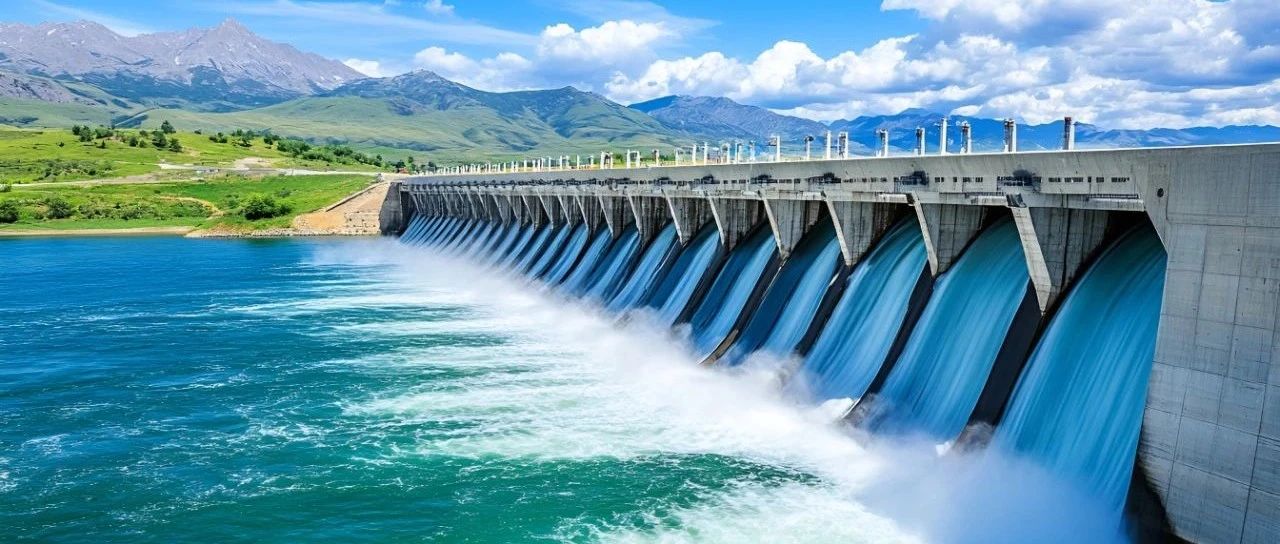
Core Viewpoint - The commencement of the Yarlung Tsangpo River downstream hydropower project, with a total investment of 1.2 trillion yuan and an installed capacity of over 60 million kilowatts, is expected to significantly boost related infrastructure investments and reshape market expectations in the context of a declining real estate cycle and slowing traditional infrastructure investments [1][3]. Economic Impact - The Yarlung Tsangpo hydropower project is anticipated to facilitate a transformation in China's energy structure, providing approximately 300 billion kilowatt-hours of clean energy annually, thereby reducing reliance on fossil fuels and supporting the country's "dual carbon" goals [3][4]. - The project is expected to enhance fiscal revenue and employment in Tibet, potentially generating over 10 billion yuan in annual fiscal income for the region and creating numerous job opportunities during construction and maintenance [4]. - The total investment of 1.2 trillion yuan, with an average annual investment of about 80 billion yuan over an estimated 15-year construction period, could contribute approximately 144 billion yuan to GDP annually, representing about 0.1% of the national GDP [4]. Beneficiary Sectors - The project is likely to drive demand growth in several sectors, including: - **Basic Chemicals**: Anticipated annual demand for industrial explosives may increase from 50,000 tons to 100,000-150,000 tons, benefiting leading companies in the region [6]. - **Construction Materials**: Expected annual demand for cement could rise by 1-2 million tons, positively impacting leading cement companies in Tibet [6]. - **Power Equipment and New Energy**: The project is expected to create long-term growth opportunities for manufacturers of hydropower equipment and high-voltage direct current transmission technologies [7]. - **Machinery and Equipment**: The construction will require various large machinery, including excavators and concrete machinery, which will stimulate demand in the engineering machinery sector [8]. Market Outlook - The project is expected to catalyze short-term market activity, enhancing growth expectations for related companies, while long-term focus should remain on project progress and its economic impact [9]. - Initial phases of the project may benefit upstream sectors such as explosives and construction materials, while later stages will favor water conservancy equipment and downstream applications as the project matures [9].

宏观| “解雇”鲍威尔?
2025-07-21 00:32
Summary of Conference Call Records Industry Overview - The current external demand sector is experiencing intense competition, leading companies to increase supply and reduce prices to capture market share, resulting in fixed asset turnover rates dropping to historical lows, indicating potential oversupply in strong demand areas compared to internal demand sectors which remain at historical median levels [1][5] Key Insights and Arguments - The recent "anti-involution" policy is not a comprehensive contraction of upstream supply but focuses on downstream industries such as automotive and food delivery, contrasting significantly with the 2016 supply-side reforms [1][2] - To address "sneaky" new production capacity in manufacturing, measures such as self-discipline talks, industry mergers and acquisitions, raising technical standards, and strengthening regulation to eliminate outdated equipment can be implemented [1][6] - The policy to eliminate old equipment can significantly alleviate involution in the short term without major impacts on employment, potentially increasing the Producer Price Index (PPI) by one percentage point and boosting industrial enterprise profit growth by two percentage points [1][7] - Current demand-side policies should avoid stimulating demand in oversupplied areas and instead guide demand in non-oversupplied sectors, such as services, to achieve a rebalancing of demand structure [1][8][9] Additional Important Points - High-energy-consuming industries have undergone significant capacity upgrades and equipment updates, with capacity growth near zero but fixed asset investment growth at 20%-30%, indicating improved production efficiency and reduced energy consumption [1][4] - The external demand sector shows more severe competition, with fixed asset turnover rates declining to historical lows despite good revenue performance, while internal demand sectors remain closer to historical median turnover rates [1][5] - The real estate market is currently experiencing a divergence in transactions, with first-hand housing sales improving in first-tier cities but declining in second and third-tier cities, while second-hand housing sales show a contrasting trend [1][10][12] - The recent Japanese Senate election results may significantly impact fiscal policy, with the ruling party focusing on fiscal sustainability amid global discussions on debt sustainability [1][13] Conclusion - The conference call highlighted the complexities of current market dynamics, particularly the differences between external and internal demand sectors, the implications of recent policy changes, and the ongoing adjustments within high-energy industries. The insights provided a comprehensive understanding of the challenges and opportunities present in the current economic landscape.