高端国货

Search documents
这个怼香奈儿的品牌,年入12亿
3 6 Ke· 2025-07-16 00:52
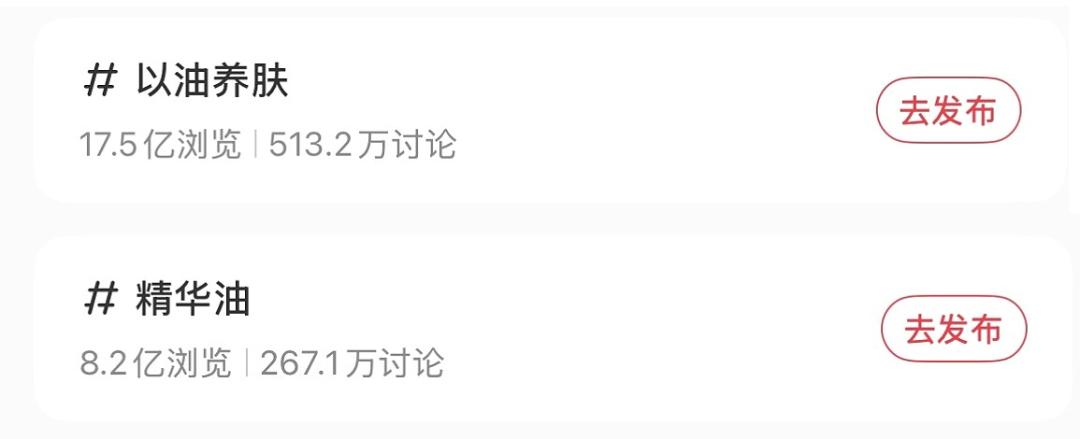
Core Insights - The skincare concept of "oil-based skincare" is gaining significant popularity, with 1.75 billion views on Xiaohongshu as of July 15, 2025, and the "essence oil" topic receiving 820 million views [1][2] - Lin Qingxuan, a brand leveraging this trend with its camellia oil essence, has recently submitted its IPO application to the Hong Kong Stock Exchange, boasting a valuation of 3.8 billion [2][6] Company Overview - Lin Qingxuan was founded in 2003 by Sun Laichun, who initially focused on selling aloe vera gel and handmade soap, targeting students without a core competitive advantage [3] - The brand's turning point came in 2012 when Sun discovered the benefits of camellia seed oil, leading to the launch of its first camellia oil essence in 2014, which opened a new market segment [4][5] Financial Performance - Since 2014, Lin Qingxuan's camellia oil essence has been the top-selling product in China for 11 consecutive years, with over 30 million bottles sold and generating 447 million yuan in revenue in 2024, accounting for 37% of total revenue [6] - The company's revenue grew from 691 million yuan in 2022 to 1.21 billion yuan in 2024, nearly doubling in three years, while profits shifted from a loss of 5.93 million yuan in 2022 to a profit of 187 million yuan in 2024, reflecting a compound annual growth rate of approximately 32% [7] Market Positioning - Lin Qingxuan positions itself as a high-end domestic skincare brand, with product prices ranging from 200 to 800 yuan, and has expanded its offline presence from 366 stores in 2022 to 506 stores in 2024, with 95% located in premium shopping centers [7][8] - The brand's pricing strategy has led to a gross margin of 82.5%, surpassing competitors like Up Beauty and Beitaini, as well as international brands such as L'Oréal and Estée Lauder [12] Controversies and Challenges - The brand has faced criticism regarding its high pricing, with social media discussions questioning why its products are so expensive [8][12] - Lin Qingxuan's marketing strategies have also drawn scrutiny, with significant spending on promotions (7.6 billion yuan over three years) compared to its R&D investment of less than 1 billion yuan, raising concerns about its long-term sustainability [15][16] R&D and Innovation - Lin Qingxuan claims to be a "brand grown in the laboratory," emphasizing its research capabilities, including partnerships with Shanghai Jiao Tong University and proprietary formulations [15] - However, its R&D spending as a percentage of revenue is relatively low compared to industry leaders, indicating a potential gap in innovation investment [16] Brand Image and Marketing - The brand has attempted to establish a high-end image, but its marketing claims have led to regulatory scrutiny and fines for misleading advertising [17][18] - Lin Qingxuan's founder has engaged in public disputes with competitors, notably with Chanel, which has increased brand visibility but also raised questions about its marketing tactics [14][18]

曾在门店送精油皂的国货美妆林清轩,也去港交所IPO了
Guan Cha Zhe Wang· 2025-06-04 03:42
Core Viewpoint - Lin Qingxuan, a high-end domestic skincare brand, has submitted its IPO application to the Hong Kong Stock Exchange, marking its ambition to enter the public market after 23 years of establishment [1] Company Overview - Founded in 2003 by Sun Chunlai, Lin Qingxuan has gained popularity among young consumers through its unique marketing strategies, including the distribution of handmade essential oil soaps [1] - The brand claims to rank first among domestic high-end skincare brands in China based on retail sales for 2024, and it is the only domestic brand among the top 15 high-end skincare brands in China [1] Financial Performance - Lin Qingxuan's revenue for the years 2022 to 2024 was reported as 691 million yuan, 805 million yuan, and 1.209 billion yuan respectively [2] - The company's profit over the past three years showed significant fluctuations, with figures of -5.93 million yuan, 84.5 million yuan, and 186 million yuan, indicating a transition from losses to profitability [2] Market Trends - The high-end skincare market in China has grown from 749 billion yuan in 2019 to an expected 1,144 billion yuan in 2024, with projections to reach 2,185 billion yuan by 2029 [3] - The market for high-end anti-wrinkle and firming products is projected to grow from 594 billion yuan in 2024 to 1,555 billion yuan by 2029, with a compound annual growth rate (CAGR) of 21.2% [3] Product Strategy - Lin Qingxuan has focused on essential oil skincare, with its signature Camellia Oil leading sales, accounting for 31.5%, 35.3%, and 37% of total revenue over the past three years [5] - The company has also introduced new products, with facial creams becoming a significant revenue contributor, increasing from 13.7% of total revenue in 2022 to 15.7% in 2024 [5] Brand Positioning - Despite its focus on essential oils, Lin Qingxuan struggles to position itself as a "high-end" brand compared to international competitors like La Mer and Sisley [6] - The average price per milliliter for Lin Qingxuan's Camellia Oil is approximately 27.3 yuan, significantly lower than that of its high-end counterparts [6] Distribution Channels - As of 2024, Lin Qingxuan operates 506 stores nationwide, with a significant presence in new first-tier and third-tier cities [7] - The company has seen a shift in sales channels, with online sales projected to account for 59.1% of revenue in 2024, compared to 40.8% from offline channels [6] Challenges Ahead - Lin Qingxuan's primary market is in new first-tier and third-tier cities, but competition from international brands like Lancôme and Estée Lauder poses challenges for capturing the high-end market segment [8] - The company's R&D expenditures from 2022 to 2024 were 21.1 million yuan, 19.7 million yuan, and 30.4 million yuan, representing a moderate investment level relative to its revenue base [8]

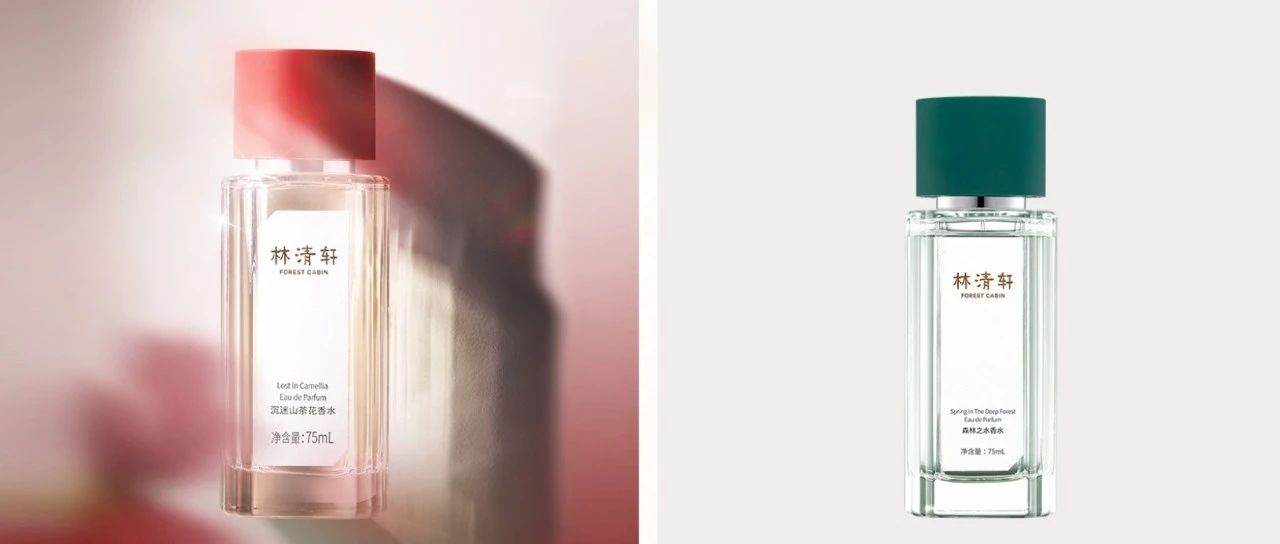
国产美妆赴港IPO:1700元香水割不动贵妇
凤凰网财经· 2025-06-03 08:52
Core Viewpoint - Lin Qingxuan's high growth in performance relies heavily on massive marketing expenditures, with marketing costs reaching 365 million yuan in 2024, accounting for 30% of revenue, and growing by 95% year-on-year, far exceeding the revenue growth rate of 50.3% [1][19] Group 1: Financial Performance - Lin Qingxuan's revenue for 2022, 2023, and 2024 was 691 million yuan, 805 million yuan, and 1.21 billion yuan respectively, with net profits turning from a loss of 5.9 million yuan in 2022 to 84.5 million yuan in 2023 and projected at 187 million yuan in 2024 [5][17] - The gross profit margins for the same years were 78%, 81.2%, and 82.5% respectively, indicating a positive trend in profitability [8][18] - Despite the revenue doubling over three years, the heavy reliance on marketing and the two instances of regulatory penalties have impacted the foundation of its premium positioning and consumer trust [6][19] Group 2: Marketing and Compliance Risks - The company has faced compliance risks due to aggressive marketing strategies, including a fine of 21,000 yuan for misleading advertising in early 2023 and a previous fine of 50,000 yuan in 2021 for inaccurate efficacy claims [2][24] - Marketing expenditures have significantly outpaced revenue growth, with 2024 marketing costs representing 30% of total revenue, indicating a potential erosion of profit margins [19][20] Group 3: Product Strategy and Market Positioning - Lin Qingxuan's high-end product strategy has faced criticism, with luxury items like a 1,700 yuan perfume and a 2,600 yuan essence drawing consumer backlash, challenging its vision of becoming one of the "world's top five cosmetics families" [3][30] - The company has shifted its sales strategy towards online channels, with online sales contributing 59.1% of total revenue in 2024, up from 45.2% in 2022 [11][12] - The product mix shows a growing contribution from essence oils, which accounted for 37% of total revenue in 2024, while other categories like lotions and serums have seen a decline in their revenue share [8][9] Group 4: Organizational Structure and R&D Investment - The company has a workforce of 2,043 employees, with 85.2% in sales and marketing, while only 3.1% are in research and development, reflecting a heavy focus on marketing over product innovation [21][22] - R&D expenditures were only 3% of annual revenue, with total R&D spending over three years being less than 20% of the 2024 marketing budget [20][21]