AI写作

Search documents
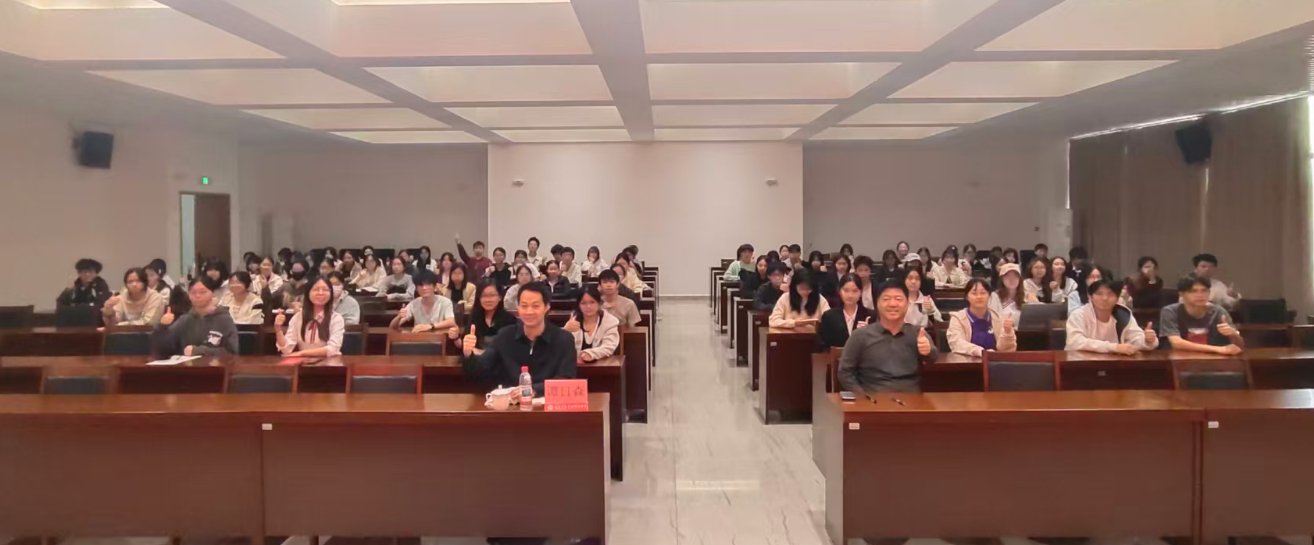
带魂魄的写作千秋不老!“融通杯”大赛颁奖与AI写作讲座举行
Xin Lang Cai Jing· 2025-12-21 18:36
Core Insights - The "Rongtong Cup" Creative Writing and Short Video Planning Competition awarded its winners, providing a platform for showcasing creative works and initiating a deep dialogue about the future of writing [1][3] Group 1: Event Overview - The award ceremony took place at Guangdong Financial College's Qingyuan campus on December 19, featuring notable guests such as Tan Risen, Deputy Director of the campus management committee, and Hu Wei, President of the Guangdong Writing Association and Professor at Jinan University [1][3] - The event highlighted the importance of creative writing and its role in fostering students' new media creation skills while encouraging them to connect personal growth with national development [3] Group 2: Lecture Insights - Professor Hu Wei's lecture titled "AI Empowering Writing: Reading and Writing Change Lives" emphasized the significance of maintaining creative agency in the age of AI [1][5] - He illustrated how continuous writing can alter life trajectories, using personal experiences and those of online writer Ji Yue as examples [5] - The lecture discussed the importance of precise expression in writing and the value of AI as a creative partner, which can expand writing boundaries and enhance language expression [5][7] Group 3: Writing Philosophy - Hu Wei articulated that writing is a process of transforming life's joys and sorrows into aesthetic expression, underscoring that true works require courage, belief, and a unique style [5][7] - He shared practical AI writing techniques and emphasized that while technology can empower creators, it cannot replace the human experience and emotional investment in writing [5][7]

OPPO ColorOS小布建议升级:新增新能源汽车充电进度、违章信息等
Feng Huang Wang· 2025-12-15 12:22
Group 1 - The core viewpoint of the article is the announcement of upgrades to ColorOS, including new features for Alipay and enhancements in the AI writing function [1] - ColorOS has introduced real-time synchronization of electric vehicle charging progress and timely notifications for vehicle violation information [1] - The AI writing feature in ColorOS 16 now includes additional writing scenarios and response styles, allowing users to craft messages with high emotional intelligence or humor [1] Group 2 - The upgrade schedule for ColorOS 16 has been released, with the OPPO K13 series set to receive the update on December 16 and the OnePlus Ace2 series on December 30 [1]

怎么靠AI在头条实现日赚500+。每天抽出十分钟,AI头条搬砖掘金全流程详解!
Sou Hu Cai Jing· 2025-12-14 02:54
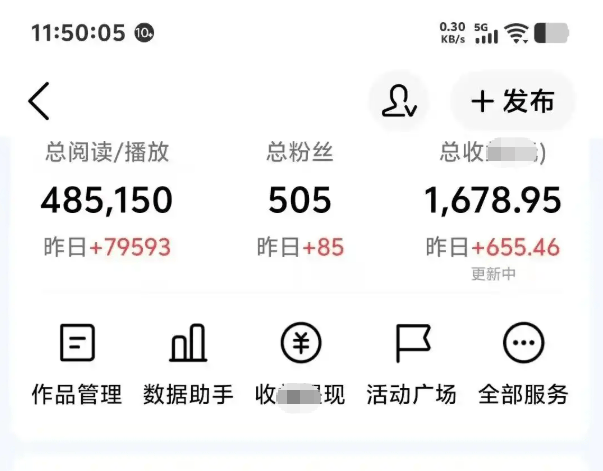
Core Insights - The article discusses the challenges faced by individuals in the IT industry due to layoffs and the need for alternative income sources through AI writing on platforms like Toutiao [1][2][4]. Group 1: Industry Challenges - A former IT professional faced significant financial strain after being laid off, highlighting the precarious nature of job security in the tech sector [1]. - The individual attempted to supplement income by driving for ride-sharing services, but found the earnings insufficient to cover essential expenses [2]. Group 2: Alternative Income Opportunities - The article emphasizes the importance of exploring side hustles, particularly through AI writing, as a means to create additional income streams [3][5]. - A case study of a stay-at-home mother who earned 1,678 yuan in just 10 days through AI writing illustrates the potential for success in this area [5]. Group 3: Toutiao AI Writing Insights - Toutiao offers a user-friendly platform for new users to monetize content without needing a follower base, making it accessible for beginners [8]. - The monetization strategies on Toutiao include two main formats: "micro headlines" and "long articles," with varying earning potentials of 8-12 yuan and 30-80 yuan per 10,000 views, respectively [11][13]. Group 4: Operational Guidelines - The article provides a detailed guide on how to set up and optimize AI writing for monetization on Toutiao, including the importance of selecting the "original declaration" option to maximize earnings [27][28]. - It also outlines common pitfalls to avoid, such as maintaining a single account per device to prevent being flagged as spam, and the best times to post content for maximum visibility [30][31].
免费写文章的AI工具靠谱吗?电商老板的真实案例揭秘
Sou Hu Cai Jing· 2025-10-28 16:27
Core Insights - The article discusses the challenges faced by a small e-commerce company in content creation and how the company found a reliable AI writing tool, Youcaiyun, to address these issues [1][3][4]. Group 1: Challenges in Content Creation - The company initially struggled with high costs of hiring freelance writers and the poor quality of free AI writing tools, leading to late nights spent editing subpar content [1][3]. - The free AI tools available in the market had strict usage limitations and lacked the ability to generate SEO-optimized content, making them ineffective for the company's promotional needs [3][4]. Group 2: Discovery of Youcaiyun - A turning point occurred when the company learned about Youcaiyun at an industry conference, which was described as a comprehensive content automation solution rather than just a writing tool [4]. - Youcaiyun allows for the generation of original articles based on keywords and automates the entire content process from creation to publication [4][5]. Group 3: Implementation and Results - The company tested Youcaiyun and found that the free usage limits were sufficient for thorough testing, allowing for the generation of high-quality, readable articles [4][5]. - The results were impressive, with Youcaiyun producing coherent and relevant content, significantly improving the quality compared to previous free tools [5][6]. - The automation features of Youcaiyun enabled the company to run tasks on the cloud, freeing up time and increasing efficiency [7]. Group 4: Impact on Business Operations - After implementing Youcaiyun, the company has maintained stable operations for over six months, with continuous updates to website content and active social media accounts [8]. - The estimated reduction in content creation costs was around 70%, while efficiency increased several times [9]. Group 5: Recommendations - Despite the advantages of using Youcaiyun, it is recommended that the company still review and adjust the generated content to ensure alignment with brand tone [10].
电商老手陷文案瓶颈!AI文案生成器咋选?这些要点必看
Sou Hu Cai Jing· 2025-10-16 23:55
Core Insights - The article discusses the challenges faced by a content operator in the e-commerce sector, particularly regarding content duplication and the effectiveness of AI writing tools [1][3]. - The operator, after testing various AI tools, found success with a specific tool called Youcaiyun, which significantly improved content generation efficiency and quality [5][6]. Group 1: Challenges in Content Creation - The operator experienced a 35% drop in website organic traffic due to content duplication issues [1]. - Manual editing was considered but deemed too costly and inefficient to meet daily content demands [3]. Group 2: Evaluation of AI Tools - The operator established three criteria for selecting AI writing tools: true free access without registration, reasonable functionality limits, and data security [3]. - After testing multiple tools, the operator began using Youcaiyun for its features and capabilities [5]. Group 3: Implementation and Results - The operator configured Youcaiyun to differentiate between website and self-media platforms, focusing on product keywords and industry long-tail keywords [5]. - Initial content generated had some similarity issues, but adjustments to parameters and manual editing reduced the duplication rate to below 15% [5]. - The AI system enabled automated content generation, producing 30 drafts per hour compared to one manual draft per hour [6]. - Following the implementation of Youcaiyun, the operator's website organic traffic increased by 45% during a promotional event, with one account gaining over 100,000 followers [6]. - Currently, 60% of routine content creation is handled by Youcaiyun, allowing the team to focus on creative planning and optimization [6].

AI撰写梅西战报,体育记者的“饭碗”丢了?
3 6 Ke· 2025-10-16 12:55
Core Viewpoint - The ongoing integration of AI in sports journalism is raising concerns about the quality and reliability of AI-generated content, as evidenced by recent negative feedback on AI-written match reports from Major League Soccer (MLS) [1][2][17]. Group 1: AI in Sports Journalism - AI tools are increasingly being used to generate sports articles, with ESPN and the Associated Press already incorporating AI into their writing processes [1][2]. - MLS has taken a more radical approach by publishing match reports entirely generated by AI without human editorial review, leading to significant backlash from fans [1][2][8]. Group 2: Quality and Reception of AI Reports - The AI-generated match reports from MLS contained factual errors and were criticized for their lack of depth and engagement, with one report being retracted due to significant mistakes [2][11][16]. - Fans expressed strong disapproval of the AI reports, labeling them as "disgusting" and questioning the decision to forgo human oversight in the writing process [8][10][17]. Group 3: Limitations of AI Writing - The AI-generated reports primarily extracted basic match statistics without providing context or additional insights, resulting in low readability and engagement [10][11][16]. - The reliance on limited data sources for AI writing raises concerns about the accuracy and credibility of the content, as demonstrated by the factual inaccuracies in the MLS reports [16][19]. Group 4: Future Implications for Sports Journalists - The negative reception of AI-generated content suggests that sports journalists are not at immediate risk of losing their jobs to AI, as audience pushback may deter organizations from fully adopting AI for news writing [17][19].

科大讯飞AI写作助手11月底停运,覆盖办公营销多场景,用户需抓紧备份数据
Sou Hu Cai Jing· 2025-10-13 12:47
Core Insights - iFlytek announced the termination of its AI writing assistant services by November 30, 2025, allowing users a short data backup period [2] - The sudden announcement has raised concerns among users who rely on the tool for various writing tasks, highlighting the potential for significant content loss if data is not backed up in time [2] - The competitive landscape for AI writing tools has intensified, with major players like Baidu and Alibaba enhancing their offerings and adopting a "free + ecosystem integration" strategy [3] Company Summary - iFlytek's AI writing assistant is a core product that utilizes natural language processing and a vast corpus to provide a comprehensive writing service [2] - The company has not disclosed specific reasons for the service termination, but the market environment suggests a shift towards more specialized and lightweight AI writing tools [3] - Users have begun migrating their data to alternative tools, indicating a potential shift in market dynamics and user preferences [3] Industry Summary - The AI writing tool sector is becoming increasingly competitive, with numerous players entering the market and focusing on niche applications [3] - The traditional "big and comprehensive" strategy of iFlytek may be losing its effectiveness, necessitating a stronger differentiation in specific verticals to retain users [3] - The upcoming service termination may prompt a broader industry focus on the stability and reliability of AI writing products, potentially benefiting tools with compliance advantages and unique technological features [3]

AI吞掉网文流量,底层作者正被「无声清退」
3 6 Ke· 2025-10-11 05:28
Core Viewpoint - The rise of AI-generated content is causing significant disruption in the literary industry, leading to protests from human authors against the unauthorized use of their works for AI training and the encroachment of AI on their creative space [1][21][25] Group 1: Author Protests and Legal Actions - Notable authors, including Grady Hendrix and Jennifer Robertson, have filed a collective lawsuit against Apple for allegedly using their works without permission to train the AI model OpenELM [1] - Over a thousand authors signed an open letter demanding publishers never release machine-generated books, emphasizing the importance of human emotional expression in literature [1][21] - In China, authors like Xiao Shen have reported instances of their works being replicated and modified by AI, leading to a sense of infringement and loss of income [2][3] Group 2: Impact on the Online Literature Industry - The influx of AI-generated content on platforms like Tomato Novel has surged dramatically, with new book releases increasing from 400 to 5606 in a year, a 13-fold increase [3][4] - Despite attempts by platforms to control AI content, the volume remains high, with nearly 2000 new books being released daily as of mid-September [3][4] - Authors are struggling to gain visibility and income as AI-generated works dominate the platform's traffic, leading to a decline in opportunities for new writers [4][5] Group 3: Author Experiences and Adaptations - Authors like Cang Shu have experienced a complete halt in their work's visibility on platforms, leading to a loss of income and forcing them to seek alternative avenues [4][5] - Some authors are transitioning to other creative fields, such as adapting their works into short dramas, in search of better financial stability [6][7] - The pressure to produce content has increased, with some authors reporting writing outputs significantly higher than average, yet still being overshadowed by AI capabilities [6][7] Group 4: AI's Evolving Capabilities - AI tools are becoming increasingly sophisticated, with capabilities to generate coherent and contextually relevant content, making it difficult for readers to distinguish between AI and human-written works [8][10] - The emergence of advanced AI writing tools has raised concerns about the future of the writing profession, as fully autonomous AI content generation could threaten traditional authorship [11][12] Group 5: Monetization and Market Dynamics - Individuals and teams are leveraging AI to produce large volumes of content quickly, with some reporting significant traffic and engagement on their AI-generated works [14][17] - The market for AI writing tools and courses is growing, with some users successfully monetizing AI-generated content through various platforms [18][19] - Despite the challenges posed by AI, platforms are currently siding with human authors, implementing measures to limit low-quality AI content while still allowing for some AI-assisted writing [21][25]
AI吞掉网文流量,底层作者正被“无声清退”|深氪lite
3 6 Ke· 2025-10-10 02:13
Group 1 - The core issue is the rising conflict between authors and AI-generated content, with authors feeling threatened by the unauthorized use of their works to train AI models [1][12][18] - A significant increase in AI-generated content has been observed on platforms like Tomato Novel, with new book releases skyrocketing from 400 to 5606 in one year, indicating a 1300% increase [4] - Authors are struggling to maintain visibility and income as AI-generated works flood the market, leading to a decline in their readership and revenue [5][6][21] Group 2 - The emergence of AI-assisted writing tools has allowed for rapid content production, with some authors able to generate up to 20,000 words daily, significantly impacting traditional writing practices [5][14] - Platforms are attempting to regulate AI content, but the effectiveness of these measures remains uncertain, as low-quality AI content continues to proliferate [18][21] - The market for AI-generated content is becoming lucrative, with some individuals successfully monetizing AI-written works, highlighting a shift in the industry dynamics [15][17] Group 3 - The backlash against AI content has led to collective actions from authors, including lawsuits and public protests against platforms that utilize AI in ways perceived as harmful to their rights [1][19] - Despite the challenges posed by AI, some authors still believe in the irreplaceability of human creativity, although the line between AI-generated and original content is becoming increasingly blurred [8][12][20] - The industry is witnessing a bifurcation, where established authors remain relatively unaffected while emerging writers face significant challenges due to the saturation of AI content [21]
一小时写30万字,AI「血洗」网文作者|深氪lite
3 6 Ke· 2025-10-09 11:47
Core Viewpoint - The article discusses the growing resistance from authors against AI-generated content in the literary industry, highlighting legal actions and personal experiences that reflect the impact of AI on traditional writing and the challenges faced by authors in a rapidly changing landscape [4][5][6]. Group 1: Author Resistance and Legal Actions - A collective lawsuit was filed by authors against Apple for unauthorized use of their works to train AI models, indicating a significant pushback against AI in the literary field [4]. - Over a thousand authors signed an open letter demanding publishers not to release machine-generated books, emphasizing the importance of human creativity in literature [4]. Group 2: Impact of AI on the Online Literature Industry - The influx of AI-generated content on platforms like Tomato Novel has surged, with new book releases increasing from 400 to 5,606 in one year, a 1,300% rise [8]. - Despite attempts by platforms to control AI content, the volume of AI-generated works continues to disrupt the flow of new authors and their potential earnings [8][9]. Group 3: Author Experiences and Challenges - Authors like "Cang Shu" and "Xiao Zhang" have reported significant drops in their readership and income due to the overwhelming presence of AI-generated content, leading to feelings of frustration and confusion [9][10]. - The introduction of AI-assisted writing tools has allowed for rapid content production, but many authors feel their traditional writing efforts are being overshadowed [9][10]. Group 4: AI Content Production and Monetization - Individuals and small teams are leveraging AI to produce large volumes of content quickly, with one author reportedly generating a 200,000-word novel in just a few hours [20][27]. - The monetization of AI-generated content is evident, with some authors successfully selling rights to their AI-generated works, indicating a new revenue stream in the industry [27][28]. Group 5: Industry Response and Future Outlook - Platforms are currently siding with traditional authors, implementing measures to limit low-quality AI content while still grappling with the challenges posed by AI advancements [30][32]. - The future of the online literature industry remains uncertain as the capabilities of AI continue to evolve, raising questions about the long-term impact on human authors and the quality of literary works [33][34].