
AI辅助诊断

Search documents
成果密集落地,2025深圳国际药械展引领创新风向标
Zhong Guo Qing Nian Bao· 2025-12-22 10:31
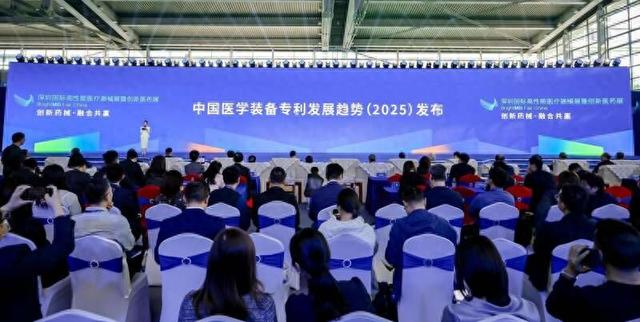
Group 1 - The 2025 Shenzhen International High-Performance Medical Device and Innovative Pharmaceutical Exhibition showcased over 300 global companies and more than 1,000 innovative products, highlighting China's transition from "technology catch-up" to "innovation leadership" in the medical device industry [1] - The annual innovation results from the National High-Performance Medical Device Innovation Center revealed 11 assessment results, including the "Top 100 Emerging Enterprises" focusing on high-end medical imaging and surgical robots, with 100 companies engaging in 339 industry-academia-research collaborations and undertaking 133 research projects [1] - The assessment introduced three innovation indices focusing on emerging fields such as AI-assisted diagnosis and ophthalmic devices, indicating significant breakthroughs in globally pioneering products like vascular interventional surgical robots and critical materials in "bottleneck" areas [1] Group 2 - The report "Trends in Medical Equipment Patents in China (2025)" indicated that by 2025, China will have over 2.8 million medical equipment patent applications, maintaining the global lead with a 34.1% share, and a year-on-year growth of 3.2%, with a ten-year compound growth rate of 15.5%, both double the global average [2] - Shenzhen contributed 140,000 patent applications, accounting for 43.1% of Guangdong Province's total of 325,000 applications, showcasing the city's significant role in medical device innovation [2] - Experts noted that the medical device industry has shifted from imitation to independent innovation, achieving a level of development comparable to global standards, with future devices expected to integrate various technologies for smarter, personalized, and more active solutions to health and disease [2]

研判2025!中国血气分析仪行业发展历程、市场政策、产业链图谱、发展现状、竞争格局及发展趋势分析:国产化替代空间巨大[图]
Chan Ye Xin Xi Wang· 2025-12-12 01:28
Core Viewpoint - The blood gas analyzer market in China is experiencing a transition from large hospitals to grassroots medical institutions, with a significant increase in procurement in 2023, followed by a decline in 2024 and 2025 due to various factors including medical insurance cost control [1][5][9]. Overview - Blood gas analyzers are high-tech diagnostic instruments used to measure parameters such as pH, PCO2, and PO2 in arterial blood, featuring automated calibration and diagnostics [2][3]. - The market for blood gas analyzers is entering a deep adjustment period, with procurement volumes and values showing significant fluctuations [1][9]. Market Policy - The Chinese government emphasizes the development of the medical device industry, including blood gas analyzers, through various policies aimed at ensuring product quality and patient safety [6][7]. Industry Chain - The upstream of the blood gas analyzer industry includes suppliers of raw materials and core components, while the midstream involves R&D and manufacturing, and the downstream consists of hospitals and healthcare institutions as the primary demand market [7][8]. Current Development - In 2023, the total procurement of blood gas analyzers in China reached 965 units, a year-on-year increase of 22.77%, with a total procurement value of 0.95 billion yuan, up 9.20% [1][9]. - The market is seeing a shift in demand from high-end hospitals to grassroots healthcare facilities, with a notable decline in procurement expected in 2024 and 2025 [1][9]. Competitive Landscape - The market has historically been dominated by foreign brands like Radiometer and Wofun, but domestic companies such as Libang and Kangli are gaining market share, with Libang achieving a market share of 24.28% in 2025 [10][12]. - The overall market share of domestic blood gas analyzers reached 48.44% in 2025, indicating a significant shift towards local production and innovation [10][12]. Future Development Trends - The integration of AI algorithms with blood gas analyzers is expected to enhance diagnostic accuracy and provide preliminary treatment suggestions, while advancements in 5G and IoT will facilitate remote data access and device management [14]. - The trend towards miniaturization and ease of use in portable blood gas analyzers is anticipated to grow, catering to various clinical scenarios [14].


解放军总医院联合南大、吉大等机构,共同提出首个「脊柱诊疗大模型」SpineGPT
机器之心· 2025-11-22 09:00
Core Insights - The research led by the PLA General Hospital, in collaboration with top hospitals and universities, has developed the first large model specifically for spinal diagnosis, addressing a significant gap in AI-assisted clinical decision-making [2][3][10]. Group 1: Clinical Challenges and Solutions - Spinal diseases affect 619 million people globally and are a major cause of disability, yet existing AI models face a "cognitive gap" in clinical decision-making due to a lack of level-aware, multimodal data [2][6]. - The study introduces a comprehensive solution with the SpineMed-450K dataset, which is the first large-scale, traceable spinal instruction dataset, and the SpineBench clinical evaluation benchmark [3][18]. Group 2: Model Performance and Evaluation - The SpineGPT model, trained on the SpineMed-450K dataset, significantly outperforms leading open-source models, achieving an average score of 87.44%, surpassing models like Qwen2.5-VL-72B and GLM-4.5V [25][26]. - In the SpineBench evaluation, the performance gap of existing models was highlighted, with Qwen2.5-VL-72B scoring only 79.88% on average, while the proprietary model Gemini-2.5-Pro scored 89.23% [13][25]. Group 3: Data and Methodology - The SpineMed-450K dataset includes over 450,000 instruction instances sourced from textbooks, surgical guidelines, expert consensus, and de-identified real cases from 11 hospitals, ensuring diverse patient representation [14][16]. - The data generation process involved a rigorous "Clinician-in-the-loop" approach, ensuring high-quality instruction data through clinician involvement in the drafting and revision stages [14][24]. Group 4: Clinical Relevance and Future Directions - SpineBench serves as a clinically significant evaluation framework, assessing AI's performance in fine-grained, anatomy-centered reasoning, which is crucial for practical applications [18][20]. - The research team plans to expand the dataset, train models with more than 7 billion parameters, and incorporate reinforcement learning techniques to further enhance model performance and establish clearer benchmarks [30].

全国医保影像云跨省调阅启动 患者告别“胶片袋”将有哪些便利?
Yang Guang Wang· 2025-11-21 09:53
Core Points - The launch of the national medical insurance imaging cloud for cross-province retrieval marks a significant advancement in medical imaging services, allowing for seamless access to patient imaging data across different regions [1][2][3] - The initiative aims to enhance diagnostic accuracy and efficiency by overcoming traditional barriers associated with physical film storage and retrieval, thus facilitating better patient care [2][3][4] Group 1: Technological Advancements - The transition from traditional film to cloud-based imaging solutions addresses the limitations of physical films, such as their bulkiness, susceptibility to damage, and inability to capture detailed images [2][3] - The national medical insurance imaging cloud has indexed over 170 million imaging records, with a goal to establish a "national network" by 2027 [3] Group 2: Operational Efficiency - The implementation of a unified platform and indexing standards allows for efficient storage and retrieval of imaging data, significantly reducing costs associated with data transmission [3] - The cloud service is priced at 5 yuan per person per imaging instance, promoting local storage and cross-regional transmission as a medical service [3] Group 3: Patient-Centric Care - Patients can now access, download, and share their imaging data without incurring additional fees, which enhances the convenience of tiered medical services and remote consultations [3][4] - The ability to consult with high-level medical institutions remotely improves diagnostic quality and resource utilization across the healthcare system [4][5] Group 4: Future Innovations - The data generated from imaging services is expected to drive innovations in AI-assisted diagnostics and remote medical applications, further benefiting patients and healthcare professionals [4]
全国医保影像云跨省调阅启动 影像检查结果实现跨省“患者可阅、同行可查、医保可核”
Yang Guang Wang· 2025-11-21 02:33
Core Insights - The national medical insurance imaging cloud cross-province retrieval was launched on November 20, aiming to facilitate access to imaging examination results for patients, peers, and insurance verification [1] Group 1: Implementation and Coverage - 24 provinces and the Xinjiang Production and Construction Corps have completed the deployment of the medical insurance imaging cloud software [1] - The National Medical Insurance Administration has aggregated over 170 million pieces of medical insurance imaging cloud index data, with a goal to achieve a "national network" by 2027 [1] Group 2: Benefits and Innovations - Patients can browse, download, and share their imaging examination data multiple times without incurring additional fees, enhancing the convenience of hierarchical diagnosis and cross-regional referrals [1] - The data is expected to contribute to technological innovations, including AI-assisted diagnosis and telemedicine research and applications [1]
看病就医将实现影像检查资料全国调阅,四个焦点问题值得关注
Xin Jing Bao· 2025-11-20 12:43
Core Points - The national medical insurance imaging cloud cross-province retrieval officially launched on November 20, aiming to eliminate repeated examinations for patients and facilitate access to medical imaging data across different hospitals [1][2] Group 1: Benefits of Medical Imaging Cloud - The medical imaging cloud addresses the pain points of patients by reducing the frequency of repeated examinations, which has been a significant issue in cross-province medical services, with over 650 million direct settlements during the 14th Five-Year Plan period [2] - The integration of personal health data allows for a comprehensive medical history, enhancing personalized health management and improving diagnostic accuracy by providing doctors with access to historical imaging data [2] - The cloud-based system is expected to significantly reduce misdiagnosis and missed diagnoses, as it offers a vast pool of standardized data for AI-assisted diagnostics, improving the quality of medical services [2] Group 2: Challenges and Resistance - Concerns have been raised regarding the potential resistance from medical institutions due to the impact on revenue from imaging fees, which are a significant source of income for hospitals [3] - The national medical insurance bureau estimates that the unified platform could save approximately 80 billion yuan annually by reducing redundant examinations and physical film costs, which could be redirected towards medical innovation and digital technology reforms [3] Group 3: Information Security - Patient data security is a priority, with strict authorization protocols in place for accessing imaging data from other medical institutions, ensuring that patient consent is obtained before any data retrieval [4] - The medical insurance information platform maintains high security standards to protect patient information, and future measures will further enhance data protection [4] Group 4: Future Scope of Cross-Province Retrieval - The goal is to establish a nationwide medical insurance imaging cloud by the end of 2027, which will enable access to imaging data wherever there is medical insurance coverage [5] - The national medical insurance bureau has developed a unified indexing system for imaging data, allowing for efficient storage and retrieval across over 1 million designated medical institutions, covering more than 1.3 billion insured individuals [5] - The medical insurance cloud has already indexed 170 million imaging records, demonstrating the feasibility and effectiveness of this model [5]
看病不再重复检查,全国医保影像云跨省调阅启动
Xin Jing Bao· 2025-11-20 12:43
Core Points - The National Medical Insurance Administration (NMIA) launched a nationwide medical insurance imaging cloud for cross-province retrieval, allowing patients' digital imaging data to be uploaded to a recognized storage center for easy access across regions and institutions [1][3][4] - As of November 20, the NMIA has collected over 170 million medical insurance imaging index records [2] - The initiative aims to address the issue of repeated medical examinations when patients seek care in different hospitals, especially across provinces, thereby improving patient experience and reducing unnecessary costs [3][4] Group 1 - The NMIA is focused on resolving challenges related to the accessibility and sharing of imaging data, including difficulties in finding data, high costs, and slow retrieval processes [3][4] - By the end of 2027, the NMIA aims to establish a unified national medical insurance imaging cloud network [4][5] - The Beijing University Third Hospital (Peking University Third Hospital) has already implemented five cross-province retrieval routes, enabling access to imaging data from various regions [3][5] Group 2 - As of November 18, 24 provinces and the Xinjiang Production and Construction Corps have completed the deployment of medical insurance imaging cloud software, enabling cross-province retrieval capabilities [7] - The NMIA has initiated a centralized procurement model for cloud imaging services, which will not increase the financial burden on local governments [5][6] - The Peking University Third Hospital has enhanced its information system to support cross-regional imaging retrieval and is working on improving user experience and data security [8]
15分钟可达最近医疗服务点?基层医疗如何迈向“家门口的精准检验”
Quan Jing Wang· 2025-11-01 02:02
Core Insights - The Chinese government has approved the "Implementation Plan for Strengthening Basic Medical and Health Services," aiming to enhance grassroots medical capabilities and establish a 15-minute accessible healthcare service circle for residents within five years [1] Group 1: Policy and Market Trends - The AI-assisted diagnosis market in China is projected to exceed 80 billion yuan by 2025, with a compound annual growth rate of 58.3%, particularly in intelligent diagnosis and health management sectors, which are expected to grow over 70% [2] - The government is promoting AI-assisted diagnosis through various policies, including the inclusion of AI in medical insurance guidelines for radiology, ultrasound, and rehabilitation projects starting November 25, 2024 [1][2] Group 2: Technological Innovations - New technologies such as AI-assisted diagnosis, microfluidic chips, and point-of-care testing (POCT) are emerging to address the challenges faced by grassroots medical facilities, including limited personnel and high costs [2] - The introduction of the Minasis intelligent diagnostic platform allows for significant space and cost savings, integrating multiple diagnostic functions into a single device occupying only 1 square meter [2][3] Group 3: Implementation and Impact - The Minasis platform enables residents to complete blood tests in under 18 minutes, significantly reducing the traditional diagnostic cycle by over 55% and lowering testing costs by 30% [3] - The Chinese government plans to support the construction of 125 national regional medical centers and allocate 10 billion yuan for the development of tightly-knit county medical communities by 2025 [4] Group 4: Future Outlook - The equipment update policy is expected to enhance the diagnostic capabilities of county medical communities, with a focus on high-end and intelligent medical devices [5] - The new policies will likely drive demand for imaging, testing, and ICU equipment procurement in grassroots medical institutions [5]
癌症病理基因大模型DeepGEM落地
Ke Ji Ri Bao· 2025-10-26 23:50
Core Insights - The deployment of the DeepGEM model by Guangzhou Kingmed Diagnostics Group aims to enhance cancer diagnosis through accurate and timely gene mutation predictions [1][2] - The collaboration involves Tencent and Guangzhou Medical University First Affiliated Hospital, focusing on developing a multimodal model for pathology and genetics [1][2] Group 1: DeepGEM Model Development - DeepGEM provides accurate predictions of gene mutations related to lung cancer, achieving a prediction accuracy of 78% to 99% within one minute [1] - The model addresses the challenges of conventional gene testing methods, which are often complex, time-consuming, and costly, particularly in resource-limited areas [1] Group 2: Clinical Application and Future Plans - Following successful validation, the three parties will promote the clinical application of DeepGEM for lung cancer gene mutation prediction [2] - There are plans to further develop a multimodal model that integrates various omics data, including pathology, proteomics, and metabolomics, for AI-assisted diagnosis across multiple cancer types [2] Group 3: Vision and Collaboration - The initiative aims to serve as a model for translating clinical research into practical applications, benefiting the public [2] - Kingmed Diagnostics expresses a desire to collaborate with more partners to create intelligent and accessible clinical diagnostic solutions [2]

从“看图识癌”到“读片知基因” 金域医学、腾讯、广医附一院联合开发病理基因多模态大模型
Zheng Quan Ri Bao Wang· 2025-10-12 13:21
Core Insights - The collaboration between Guangzhou Jinyu Medical, Tencent, and Guangzhou Medical University aims to develop an AI model called DeepGEM for predicting gene mutations in tumor patients using conventional pathological images [1][5][6] - The DeepGEM model has shown promising results in accurately predicting lung cancer gene mutations, achieving a precision rate between 78% and 99% [2][3] - The partnership is expected to enhance the clinical application of DeepGEM and expand its capabilities to other cancer types, integrating various omics data for a comprehensive diagnostic approach [6] Group 1: Development of DeepGEM Model - The DeepGEM model was developed by a team from Guangzhou Medical University and Tencent, utilizing AI to predict lung cancer gene mutations from pathological images [2][3] - The model can process different types of biopsy samples and generate spatial distribution maps of gene mutations, enhancing the understanding of mutation patterns within tissues [3][4] - The model's performance has been validated with a large dataset from Jinyu Medical, covering 4,260 lung cancer patient samples across various medical institutions [4] Group 2: Clinical Implications and Future Directions - The collaboration aims to provide timely and cost-effective gene diagnostics, especially for patients in resource-limited areas, by combining AI screening with targeted gene confirmation [3][6] - The successful deployment of DeepGEM at Jinyu Medical marks a significant milestone in the exploration of multi-modal AI models for pathology and genetics [6] - Jinyu Medical's extensive data repository and commitment to integrating AI in medical testing are expected to lead to advancements in diagnosing not only tumors but also rare and complex diseases [5][6]
