
文化遗产保护

Search documents
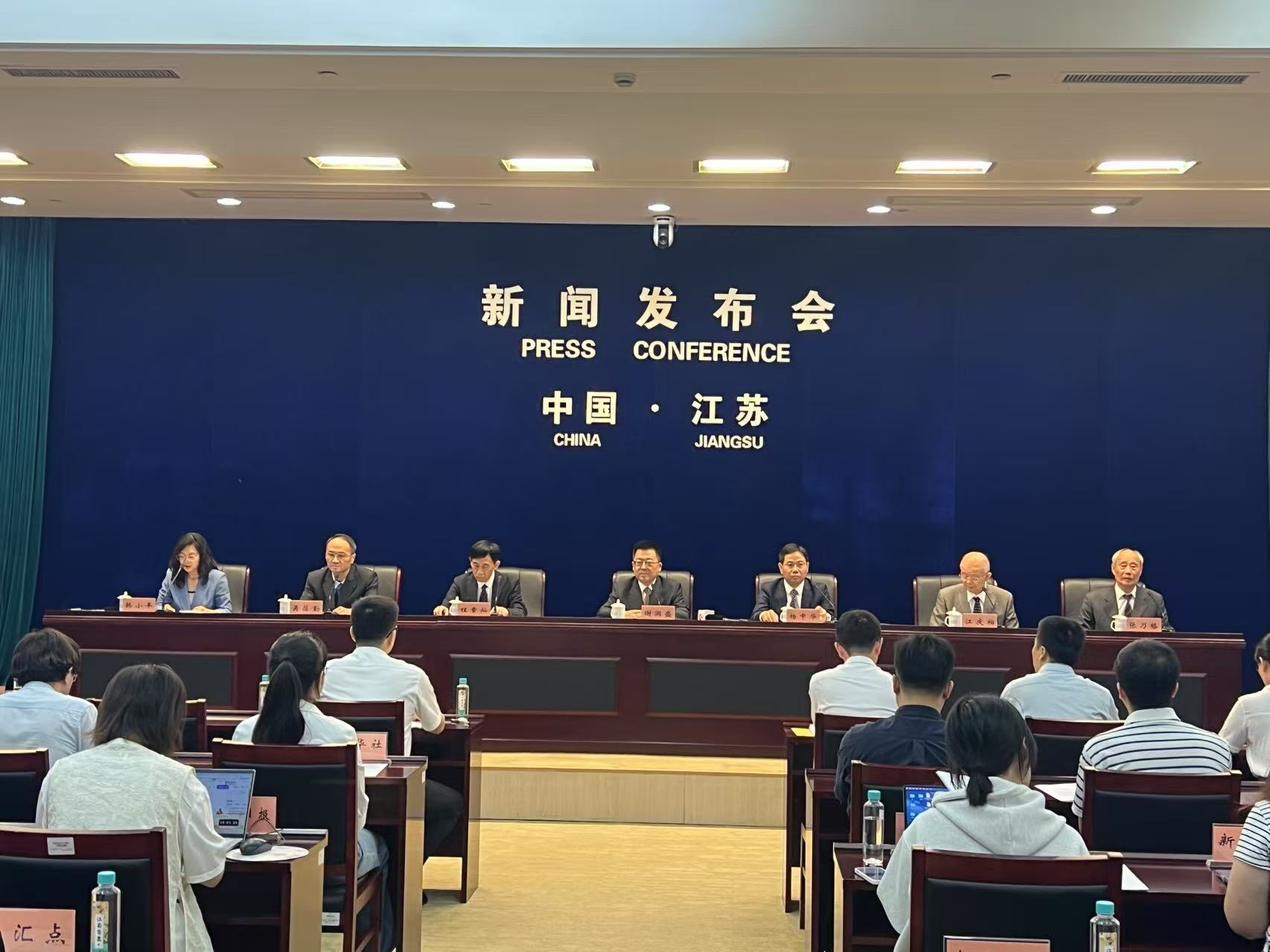
江苏省政府发布《大运河历史图谱》 首部全域历史图谱展现千年运河文化根脉
Zhong Guo Fa Zhan Wang· 2025-08-05 09:25
立足图谱出版新起点,江苏将着力构建三大发展维度:1. 守护文化根脉:深挖图谱哲学思想与人文精神,活化运用于博物馆展陈、研学路线及文创开发,讲 好江苏运河故事。2. 修复生态绿脉:借鉴图谱历史智慧推进水系治理,重现"绿杨城郭"生态画卷。3. 畅通经济动脉:强化流域省市协作,开发漕运文化、特 谢润盛在发布辞中深情回顾大运河的历史地位与文化价值。他指出,中国大运河作为人类文明史上开凿最早、规模最大、里程最长的运河,跨越2500余年时 光,绵延近3200公里,串联中国南北八省市,沟通五大水系,是彰显中华民族伟大凝聚力与创造力的"流动的文化"。"江苏作为大运河的起源地,全省人民 对运河怀有深厚情感。"谢润盛强调,近年来江苏省委、省政府坚决落实习近平总书记指示精神,省委书记信长星、省长许昆林亲自部署推动,在全国率先 出台保护规划,建成扬州中国大运河博物馆,举办世界运河城市论坛,持续擦亮运河文化金名片。 本次发布的《大运河历史图谱》创下三项"首次"纪录:首部全域视角图谱:以京杭大运河全域为脉络,重点聚焦江浙段;首度高清公开文献:从2000余种方 志、舆图中精选珍稀史料;首年高效编纂出版:研究团队昼夜攻坚,一年完成学术工程。 ...

西湖风景名胜区第四次全国文物普查阶段性成果展开展
Hang Zhou Ri Bao· 2025-08-04 02:38
Core Viewpoint - The exhibition "West Lake Imprint - Phase Results of the Fourth National Cultural Relics Census in Hangzhou West Lake Scenic Area" showcases the achievements of cultural heritage protection and highlights the importance of the fourth national cultural relics census in adapting to new challenges in cultural heritage preservation [1][2] Group 1: Cultural Heritage Protection - The fourth national cultural relics census is a fundamental task for national cultural heritage protection, responding to new challenges posed by urbanization and environmental changes [1] - The census employs advanced technologies such as digitalization and satellite positioning to comprehensively assess the preservation status of cultural relics, enhancing the management system for cultural heritage [1] Group 2: Exhibition Details - The exhibition is divided into three main sections: an overview of the cultural relics census, re-examinations, and new discoveries, featuring 20 to 30 representative immovable cultural relics in each of the latter two sections [2] - The exhibition aims to raise public awareness of cultural relics protection and encourage community participation in preserving cultural heritage [2]
文化保护的动能从科技创意匠心汇聚中奔涌
Zhong Guo Qing Nian Bao· 2025-08-02 01:30
Core Viewpoint - The article emphasizes the integration of technology and creativity in the protection of cultural heritage in Zhejiang, particularly focusing on the West Lake, Grand Canal, and various intangible cultural heritages, showcasing a model of sustainable cultural preservation and innovation. Group 1: Cultural Heritage Protection - Zhejiang has achieved a breakthrough in world cultural heritage, with sites like West Lake and the Grand Canal being recognized, alongside 13 projects included in the intangible cultural heritage list [2] - The province boasts 20 historical cultural cities, 94 towns, 218 villages, and over 70,000 immovable cultural relics, indicating a rich cultural heritage landscape [2] Group 2: Technological Empowerment - Digital technology is being utilized in cultural heritage protection, such as AR guides in museums and smart management systems for the Grand Canal, enhancing visitor experience and management efficiency [3][4] - The "Liangzhu Cultural Comprehensive Enhancement Project" has implemented smart applications to monitor environmental conditions at heritage sites, improving management precision [3] Group 3: Major Cultural Projects - The "Chinese Historical Painting Series" project has been ongoing for 20 years, resulting in a comprehensive archive of ancient Chinese paintings, addressing the dual challenge of preservation and accessibility [6][7] - The project has produced 64 volumes and 244 books, creating the most extensive documentation of ancient Chinese art [6] Group 4: Intangible Cultural Heritage - Zhejiang leads the nation with 241 national intangible cultural heritage projects and 271 representative inheritors, reflecting a strong commitment to preserving traditional crafts [8] - Local initiatives encourage young artisans to engage in heritage protection, fostering a new generation of craftsmen [8] Group 5: Creative Cultural Development - Young creators in Zhejiang are innovating within the cultural sector, developing new products and experiences that blend traditional crafts with modern consumer interests [10] - The integration of local culture with creative industries is being promoted through various initiatives, enhancing cultural tourism and community engagement [10]
构建韧性保护体系
Ren Min Ri Bao· 2025-08-01 21:45
Core Viewpoint - The resilience protection system is essential for the rapid response and adaptive management of cultural heritage in the face of climate change and external shocks [1][2] Group 1: Climate Change Impact - Climate change poses a significant threat to cultural heritage, affecting temperature and precipitation averages over time, as well as their variability [1] - Different regions and materials (such as soil, wood, brick, stone) require tailored responses to climate change, with a particular focus on the over 80% of earthen sites in China [1] Group 2: Restoration and Preservation Techniques - Restoration is crucial for recovering the original appearance of cultural artifacts, while also enhancing their resilience against external shocks and erosion [1] - Modern restoration emphasizes detailed scientific exploration, testing, research, and evaluation before applying various restoration measures, moving beyond mere restoration to strengthening the artifacts [1] Group 3: Environmental Considerations - The protection of cultural heritage must include the safeguarding of surrounding environments, as many ancient buildings are integrated with their surroundings [2] - There is a consensus on the need to study the safety of the environments where cultural artifacts are located [2] Group 4: Technological Integration - Current technology is no longer a limiting factor for protection, but the disconnect between technology application and cultural heritage preservation remains an issue [2] - A comprehensive understanding of the value, characteristics, and properties of cultural artifacts is necessary to effectively utilize technology for early diagnosis of deterioration and enhance monitoring capabilities [2] Group 5: Goals of the Resilience Protection System - The resilience protection system aims to maximize the self-healing and sustainable development capabilities of cultural artifacts in response to external shocks [2] - It requires a shift from reactive "emergency restoration" to proactive "adaptive maintenance," necessitating improved knowledge and understanding of cultural heritage [2] - There is a need to integrate existing cultural heritage protection data and systems, establishing cross-disciplinary collaboration platforms for data sharing and resource coordination [2]
玛纳斯,连通周边的文化纽带(边城见闻)
Ren Min Ri Bao· 2025-07-31 22:22
中国和吉尔吉斯斯坦两国青少年同台演出。 熊宣然摄 吐尔尕特口岸。 哈提甫江摄 在克州慕士塔格峰下的喀拉库勒湖畔,民众在玛纳斯国际 文化旅游节上齐唱玛纳斯。 克孜勒苏柯尔克孜自治州委宣传部供图 图片来源:新疆维吾尔自治区自然资源厅 审图号为新S(2025)040号 在新疆阿图什市的克州民俗风情园,游客在观看玛纳斯 演出后选购民族服饰。 新华社记者 王 菲摄 克州乌恰县吉根乡斯木哈纳村,是我国境内太阳最晚落山 的地方。 刘学文摄 视频报道请看人民日报国际微信公众号 在2024年中央广播电视总台龙年春晚舞台上,我国少数民族三大史诗同台唱响。其中,柯尔克孜族史诗 玛纳斯,主要流传于新疆克孜勒苏柯尔克孜自治州(以下简称"克州")等地。 克孜勒苏柯尔克孜自治州博物馆展示的《玛纳斯》(汉文 全译本)。 新华社记者 徐宏岩摄 克州境内有昆仑山最高峰公格尔峰、被誉为"冰山之父"的慕士塔格峰,由此衍生出"西王母之邦"的传 说。据说雪山脚下美丽神秘的喀拉库勒湖,就是当年周穆王赴昆仑所访原始部落的"西王母瑶池"。 在这片古老神奇的土地上,史诗玛纳斯传唱千载。它讲述了英雄玛纳斯及其七代子孙,率领柯尔克孜人 民抵御外侵、守护家园的传奇故 ...
高亮赶水:运河畔的京华烟云
Bei Jing Ri Bao Ke Hu Duan· 2025-07-30 22:13
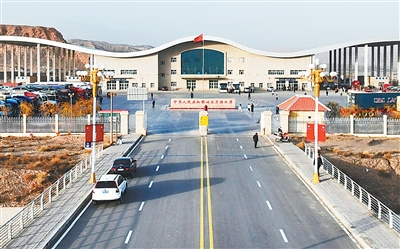
Core Viewpoint - The legend of "Gao Liang Chasing Water" reflects the historical significance of water resources in Beijing and the cultural memory associated with the Gao Liang Bridge and Gao Liang River, highlighting the challenges of water scarcity faced by the city's residents throughout history [6][12][13]. Summary by Relevant Sections Legend and Historical Context - The legend narrates how General Gao Liang chased away dragons to save Beijing's water supply, ultimately leading to the establishment of Gao Liang Bridge to commemorate his efforts [6][8]. - The story, while fictional, encapsulates the historical struggles of Beijing's residents with water scarcity, emphasizing the importance of water resources in their daily lives [7][9]. Water Scarcity in Beijing - Historical records indicate that Beijing has long faced water shortages, with a significant portion of its wells providing poor-quality water [7][10]. - The reliance on wells for daily water needs and the high cost of purchasing drinkable water reflect the ongoing challenges faced by the city's inhabitants [7][8]. Cultural Significance of Gao Liang Bridge and River - Gao Liang Bridge and River have been integral to Beijing's history, serving as vital components of the city's water system since the Jin Dynasty [9][10]. - The bridge and river have also been popular recreational spots for residents, contributing to their cultural significance [11][12]. Heritage Protection and Modern Relevance - Recent efforts have been made to preserve Gao Liang Bridge as a cultural heritage site, highlighting its historical value amidst urban development [12][13]. - The legend of "Gao Liang Chasing Water" serves as a means to raise awareness about the importance of protecting cultural heritage and understanding the historical context of Beijing's water resources [13][14].
以文铸魂,以文赋能,以文化人(记者手记)
Ren Min Ri Bao· 2025-07-29 22:22
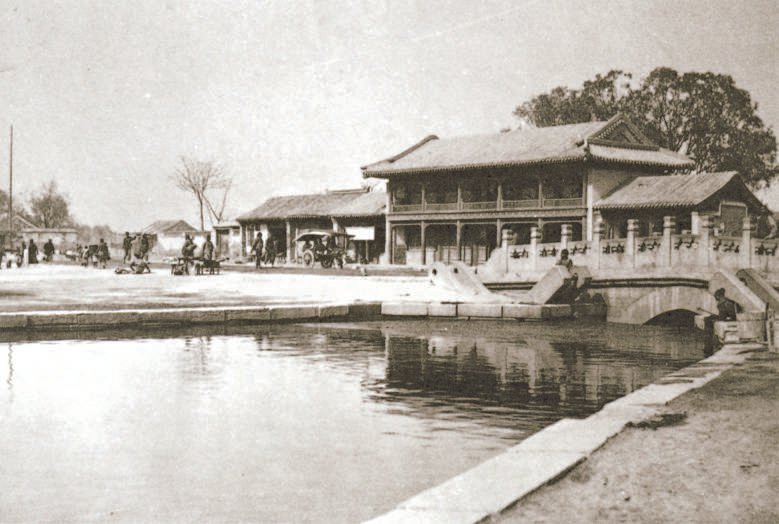
Core Viewpoint - The transformation of Shaoxing Cangqiao Straight Street serves as a vivid example of Zhejiang's deepening cultural construction through the "Eight Major Projects" over the past 20 years, emphasizing the importance of preserving historical authenticity and continuity [1][2]. Group 1: Cultural Construction Achievements - Over the past 20 years, Zhejiang has continuously deepened cultural construction, resulting in the increase of historical buildings to 11,000 and the recognition of three world cultural heritage sites: West Lake, Grand Canal, and Liangzhu Ancient City [2]. - The "Chinese Historical Painting Series" project has gathered over 12,000 national treasures scattered globally, showcasing a shift from rescue protection to systematic protection and innovative development [2]. - The cultural production capacity has been liberated and developed, with the "new three samples" of culture, including online literature, web dramas, and online games, gaining international traction [2]. Group 2: Cultural Services and Accessibility - The establishment of 101 rural art museums has expanded cultural access, allowing the essence of Jiangnan ink painting to reach rural areas [2]. - The initiative of mobile theater performances has evolved into the creation of over 14,000 "15-minute quality cultural life circles," enhancing cultural services across urban and rural settings [2]. - The coverage of rural libraries and urban reading rooms has deepened cultural services, providing spiritual nourishment to the community [2]. Group 3: Future Cultural Initiatives - Zhejiang is fostering a talent-rich environment through initiatives like "Wenjie Action," "Wenxin Action," and "Wenyuan Action," aiming to enhance cultural vitality [3]. - The province is focused on highlighting its cultural identity through the "Tracing Back" initiative, which aims to invigorate cultural heritage [3].
长江国家文化公园江西段建设保护规划出台
Ren Min Ri Bao· 2025-07-29 21:51
Core Viewpoint - The Jiangxi Province has issued a plan for the construction and protection of the Yangtze National Cultural Park, emphasizing high-quality development and cultural heritage preservation [1] Group 1: Planning and Scope - The plan covers 46 counties (cities, districts) across 11 prefecture-level cities in Jiangxi Province, focusing on significant cultural heritage along the Yangtze River and its tributaries [1] - The primary task is to ensure the holistic and systematic protection of cultural heritage [1] Group 2: Development Philosophy - The plan adheres to the principles of "coordinated major protection, no major development" and "ecological priority, green development" [1] - It aims to integrate the protection of cultural heritage, ecological environment, and urban-rural landscape [1] Group 3: Cultural and Tourism Integration - The plan seeks to enhance thematic displays and create a distinctive Yangtze cultural exhibition system with local characteristics [1] - It promotes the innovative integration of culture and tourism, aiming to develop a shining pearl on the international golden tourism belt of the Yangtze River [1] Group 4: Future Goals - By 2027, the plan aims to establish a cultural heritage protection supervision system and a mechanism for the protection of cultural heritage [1] - By 2035, it envisions a clear responsibility and efficient management model for comprehensive and systematic protection of cultural heritage, positioning Jiangxi as a core area for inheriting and promoting Yangtze culture [1]
“北京中轴线”申遗成功一周年,亲历者讲述从历史轴线到世界遗产的跨越
Bei Jing Qing Nian Bao· 2025-07-29 00:36
Core Viewpoint - The successful application of Beijing's Central Axis for World Heritage status marks a significant milestone in cultural heritage protection and urban development in China, showcasing the country's commitment to preserving its historical and cultural identity [1][17][18]. Group 1: Historical Context and Significance - The concept of Beijing's Central Axis was formally recognized in the 20th century, with significant contributions from scholars like Liang Sicheng, who detailed its historical and architectural importance [2][4]. - The Central Axis, spanning 7.8 kilometers, is the longest urban axis in the world, representing a unique blend of material and intangible cultural heritage [4][14]. Group 2: Application Journey - The journey to apply for World Heritage status began post-2008 Beijing Olympics, with a series of initiatives and plans laid out by local and national authorities to protect and promote the Central Axis [6][7]. - Key milestones included its inclusion in the national cultural heritage preparatory list in 2012 and the establishment of a dedicated working group for its protection and promotion [6][8]. Group 3: Core Work for Heritage Protection - A comprehensive protection system was developed, focusing on cultural heritage preservation, environmental improvement, public engagement, and technological integration [10][12]. - Significant restoration efforts were made on key historical sites along the Central Axis, adhering to international heritage protection standards [10][11]. Group 4: Unique Value of the Central Axis - The Central Axis serves as a model for balancing heritage protection with urban development, providing valuable insights for other historical cities worldwide [14][15]. - Its successful application for World Heritage status highlights China's cultural confidence and the continuity of its civilization [18]. Group 5: Future Implications - The recognition of the Central Axis as a World Heritage site is expected to enhance Beijing's role as a national cultural center, guiding future urban planning and development [17][18]. - Ongoing efforts will focus on maintaining the heritage's value, ensuring public participation, and integrating modern urban life with historical preservation [18].
荷兰向尼日利亚归还流失文物
Ren Min Ri Bao· 2025-07-27 22:42
Core Points - The Netherlands has officially returned 119 Benin bronzes to Nigeria, emphasizing the importance of heritage preservation and cultural promotion for national identity [1][2] - The bronzes, which were taken by British forces in 1897, include various artifacts such as human figures, animal figures, and royal insignia [1] - The return of these artifacts is part of a broader initiative by the Dutch government to address historical injustices related to colonial-era cultural property [2] Group 1 - The return ceremony took place at the National Museum in Lagos, where Nigeria's Minister of Arts, Culture, Tourism, and Creative Economy highlighted the cultural significance of the bronzes [1] - The bronzes were created by the Edo people starting in the 13th century using lost-wax casting, showcasing intricate details and geometric patterns [1] - Among the returned items, notable pieces include a bronze commemorative head from the Benin Kingdom and an ivory sculpture depicting a narrative scene [1] Group 2 - The Dutch government has established an independent advisory body, the "Colonial Era Cultural Property Return Advisory Committee," to evaluate and recommend the return of cultural properties taken during colonial rule [2] - The return agreement was signed in February 2023, with a focus on cooperation and future collaboration between the Netherlands and Nigeria [2] - Initiatives include a digital heritage expert seminar to explore the digital preservation of the Benin bronzes and the development of online exhibition platforms [2]