门罗主义

Search documents
“美国将调整与中国的经济关系”
中国基金报· 2025-12-06 15:19
据参考消息援引法新社报道,这份旨在阐述特朗普打破常规的"美国优先"世界观的国家安全文件, 标志着美国长期倡导的"重返亚洲"战略出现重大转向 。 虽然该文件仍称,美国将阻止其他大国称霸,但补充道: "这不意味着要耗费血汗钱财来遏制全球所有 大国和中等强国的影响力。" 该战略要求"调整全球军事部署,以应对本半球迫在眉睫的威胁,并撤出近几十年来或近年对美国国家 安全重要性相对下降的战场",并以强硬的措辞 强调美国在拉丁美洲的主导地位 。 来源:CCTV国际时讯 参考消息 据@CCTV国际时讯、参考消息报道,美国白宫于当地时间12月4日晚发布特朗普政府的新版《国家 安全战略》。 这份文件共33页,阐述本届美国政府对其外交政策的调整。值得一提的是,该战略打破了美国数十 年来追求成为唯一超级大国的尝试,并称 "美国拒绝了以自身为主导的、注定失败的全球霸权理念" 。 报告中还对 中美关系以及未来的发展方向做出了新的阐释 ,此外 报告对台湾问题提及的次数明显增 多。 重大转向 另据环球时报援引台湾《经济日报》报道,报告中,亚洲章节以"赢得经济未来、防止军事对抗"为主 轴, 台湾议题则被纳入"威慑军事威胁"部分。 据统计,与2 ...


白宫发布新版《国家安全战略》,提及调整与中国的经济关系
财联社· 2025-12-06 10:21
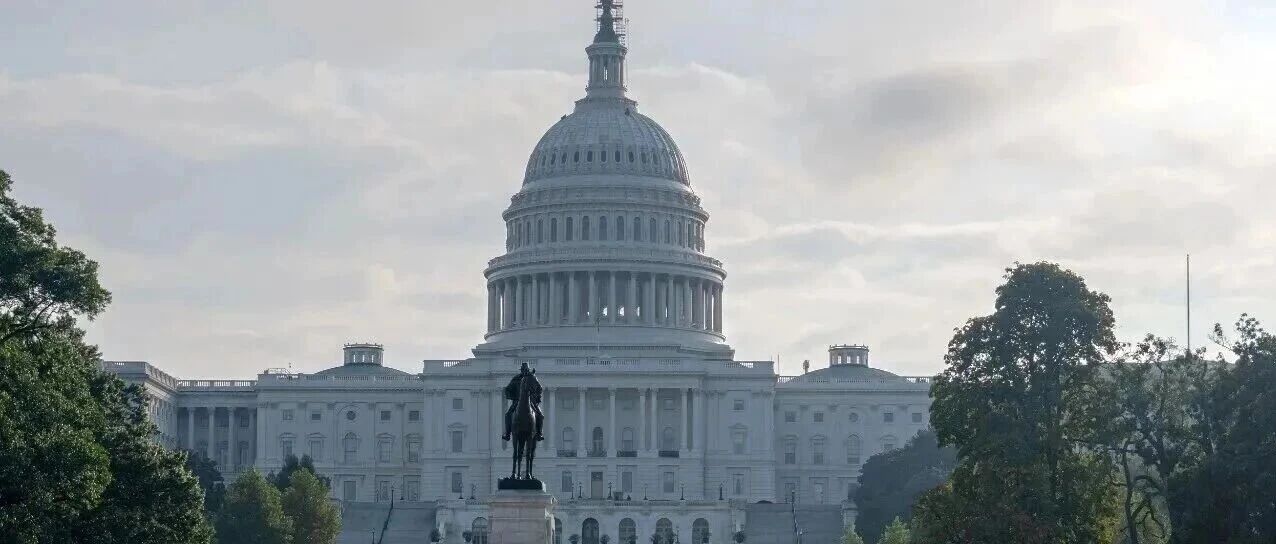
美国白宫于当地时间4日晚发布特朗普政府的新版《国家安全战略》。这份文件共33页,阐述本届美国政府对其外交政策的调整。 00:00 / 00:00 倍速 据悉,该战略的核心是美国重新调整美国在西半球的军事存在,以应对移民、"毒品走私"等。文件概述了美国在该地区扩大海岸警卫队和海 军存在以及部署兵力,从而确保边境安全并打击"贩毒"集团,包括在必要时使用致命武力。该战略称,这是提出并实施针对门罗主义的所 谓"特朗普推论"。 "门罗主义"最早于1823年由时任美国总统门罗提出,名义上宣称"美洲是美洲人的美洲",实质是为美国独霸美洲、推行强权政治开路,迫 使拉美国家按美国意志行事。 该战略还称,俄乌冲突产生了适得其反的效果,加剧了欧洲的对外依赖。 战略称,在俄乌冲突之下,欧洲与俄罗斯的关系恶化,很多欧洲人将 俄罗斯视为外部威胁。分析指出,战略同时指责欧洲官员阻挠美国支持结束俄乌冲突的努力。 另外,这份美国新国家安全战略称,自1979年以来,中美两国最初建立在一方为成熟富裕经济体、一方为全球最贫困国家之一的关系格 局,如今已经演变为近乎对等的关系。 战略还称,美国将调整与中国的经济关系,以互惠平等为原则,重振美国经济自主 ...
美国白宫发布新版《国家安全战略》 阐述对其外交政策调整
Yang Shi Xin Wen· 2025-12-06 08:07
Group 1 - The core of the new U.S. National Security Strategy is the adjustment of military presence in the Western Hemisphere to address immigration and drug trafficking issues [1] - The strategy emphasizes the expansion of the Coast Guard and Navy presence in the region, including the deployment of forces to ensure border security and combat drug cartels, potentially using lethal force if necessary [1] - The strategy elevates border security and anti-drug operations to core national defense tasks, reflecting a shift in focus from terrorism to large-scale immigration as the primary threat [1] Group 2 - The strategy presents an unprecedented confrontational stance towards Europe, warning of economic recession and the demographic shift in NATO member countries, raising questions about their alliance with the U.S. [2] - It notes that the Russia-Ukraine conflict has worsened Europe's external dependencies, with many Europeans viewing Russia as a threat, while also criticizing European officials for obstructing U.S. efforts to end the conflict [2] - The relationship between the U.S. and China has evolved from a disparity between a mature economy and a poor nation to a near-equal status, prompting the U.S. to adjust its economic relations with China based on mutual benefit [2]
“美国战略出现重大转向”
中国能源报· 2025-12-06 08:05
美国长期倡导的"重返亚洲"战略出现重大转向。 据参考消息援引新加坡《联合早报》网站1 2月5日报道,美国政府12月5日发布一份备受瞩目的新战略文件,称美国将放弃其传统的全 球角色,转而加强在拉丁美洲的主导地位,并大力打击移民。 该战略要求"调整全球军事部署,以应对本半球迫在眉睫的威胁,并撤出近几十年来或近年对美国国家安全重要性相对下降的战场"。 该战略以强硬的措辞强调美国在拉丁美洲的主导地位。该战略将特朗普塑造成对已有两百年历史的门罗主义进行现代化的推手。 来源:参考消息 End 欢迎分享给你的朋友! 出品 | 中国能源报(c ne ne rgy) 责编丨李慧颖 据法新社报道, 这份旨在阐述特朗普打破常规的"美国优先"世界观的国家安全文件,标志着美国长期倡导的"重返亚洲"战略出现重大 转向。 该战略还严厉批评欧洲盟友,并宣称美国将支持反对欧盟主导价值观的势力,包括在移民问题上。 该战略打破了美国数十年来追求成为唯一超级大国的尝试,称"美国拒绝了以自身为主导的、注定失败的全球霸权理念"。 文件说,美国将阻止其他大国称霸,但补充道:"这不意味着要耗费血汗钱财来遏制全球所有大国和中等强国的影响力。" ...
美国战略突现重大变化!
Zhong Guo Jing Ying Bao· 2025-12-06 04:13
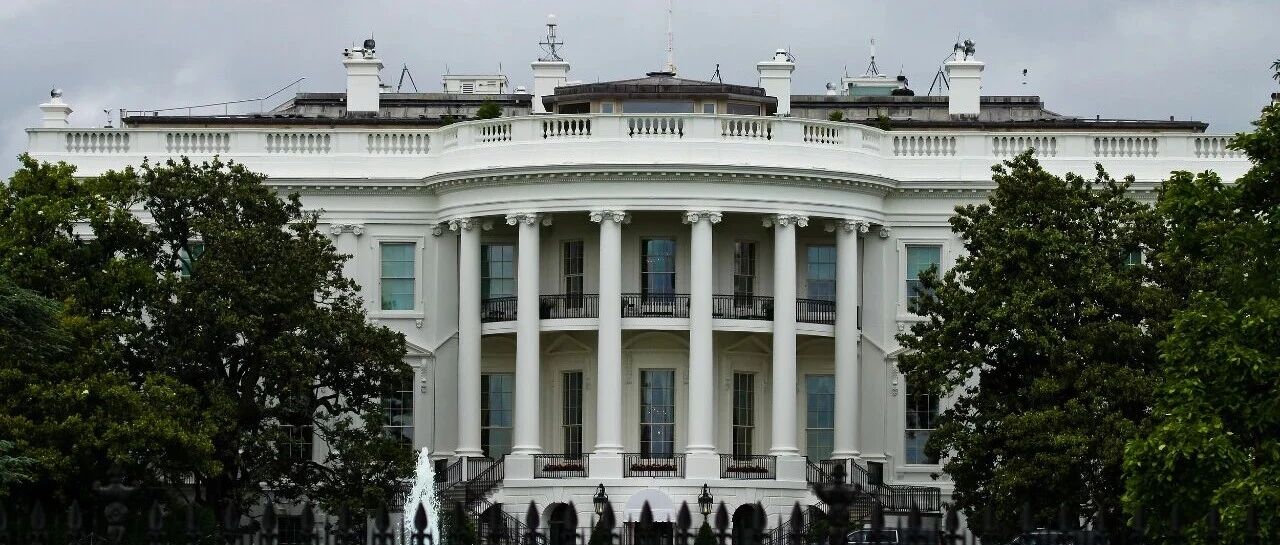
当地时间12月4日晚,美国白宫在其网站上悄然上线本届美国政府的《国家安全战略》。这份33页的文 件称,美国的战略"首先是出于对美国有利的考虑,用两个词概括就是'美国优先'"。与此同时,文件 称,本届美国政府放弃追求全球霸权的理念,同时也将阻止其他大国占据主导地位。 美国新版《国家安全战略》"重申并执行门罗主义,恢复美国在西半球的霸权地位"将成为本届美国政府 的战略重点,以应对移民问题、贩毒活动,以及所谓"地区敌对势力崛起"。 该文件称,欧洲大陆在全球GDP中所占份额不断下降——从1990年的 25%下降到如今的14%。然而, 与"文明消亡这一更为严峻的现实前景相比,经济衰退显得微不足道"。 文件称,"从长远来看,最迟数十年内,部分北约成员国极有可能出现非欧洲裔人口占多数的情况",并 将这些国家是否会继续维持现有对美同盟关系列为 "悬而未决的问题"。 就乌克兰冲突,文件称,美国的核心利益在于通过谈判迅速停止乌克兰的敌对行动,防止战争意外升级 或扩大,重建与俄罗斯的战略稳定,并使乌克兰能够在战后重建。 对于白宫低调上线美国《国家安全战略》文件,美国智库"外交关系协会"援引该机构高级研究员丽贝卡 ·利斯纳的话表示, ...
牛弹琴:美国战略,有重大变化
Xin Lang Cai Jing· 2025-12-06 01:02
Core Viewpoint - The latest U.S. National Security Strategy indicates a significant shift in American strategic focus, particularly towards the Western Hemisphere, while also reflecting a nuanced approach to China, which is no longer labeled as the "primary threat" [5][6][42]. Group 1: Strategic Focus - The U.S. will prioritize the revival of the Monroe Doctrine to reassert dominance in the Western Hemisphere, aiming to prevent non-Western competitors from deploying military forces or controlling strategically important assets in the region [5][40]. - The report emphasizes a realignment of military deployments to address urgent threats in the hemisphere while reducing presence in regions deemed less critical to U.S. national security [5][40]. - The U.S. identifies four primary tasks: national security and border control, revitalization of the Monroe Doctrine, economic security, and addressing China and the Indo-Pacific region [6][43]. Group 2: China Relations - China has been downgraded to a secondary target in U.S. strategic priorities, reflecting a shift in perception from being the "primary threat" to being viewed more as an economic competitor [6][42][45]. - The report acknowledges the evolution of U.S.-China relations from a disparity between a mature economy and a poor one to a "near-equal" relationship, marking a significant change in rhetoric [9][45]. - The U.S. recognizes the failure of its trade war against China, admitting that China has adapted to U.S. tariffs and strengthened its supply chain control [9][45]. Group 3: Military and Economic Strategy - The report states that maintaining military superiority to deter conflict over Taiwan is a priority, but it also suggests that this is an "ideal situation," indicating potential concerns about U.S. military capabilities [10][46]. - The U.S. plans to build a military capable of rejecting aggression in the first island chain, but it emphasizes that allies must contribute more to collective defense efforts [12][48]. - The report highlights that economic competition is now viewed as the ultimate battleground, with military deterrence becoming less central to U.S. strategy [14][50]. Group 4: European Relations - The strategy outlines a significant ideological divide between the U.S. and Europe, suggesting that Europe faces a decline in its traditional demographic and cultural identity [16][52]. - The report expresses concerns about the future of certain NATO members becoming majority non-European populations, hinting at a perceived threat to European civilization [16][52].
白宫低调发布2025《国家安全战略》报告,专家解读
Huan Qiu Shi Bao· 2025-12-05 22:41
复旦大学美国研究中心教授张家栋对《环球时报》记者表示,过去几十年里打"台湾牌"成为美国对华政 策的基本思路,如今美国担心失去这张"牌",因为整个台海形势正向着符合两岸人民共同利益的方向逐 渐推进,美国在其《国家安全战略》报告中的政策措辞透露出要"阻止"这种变化趋势的意思,正是因为 担心不能像过去一样可以任意打"牌"。 张家栋认为,"美2025《国家安全战略》报告中的涉台表述反而体现出台海态势力量的转变"。美国在表 明自身所谓担忧,而相关战略不会从根本上改变两岸关系,也不会在根本上改变台海的基本态势。 据台湾《经济日报》报道,新报告中,亚洲章节以"赢得经济未来、防止军事对抗"为主轴,台湾议题则 被纳入"威慑军事威胁"部分。《南华早报》称,报告中遏制台湾冲突是"优先事项"。 据统计,与2017年相比,今年报告对台湾问题提及的次数明显增多。报告宣称:"外界对台湾的关注相 当高,部分原因是台湾在全球半导体生产中占据主导地位,但更主要的是,台湾可直接通往第二岛链, 并将东北亚与东南亚分隔成两个不同的战区。每年全球约1/3的海运通过南海,这对美国经济具有重大 影响。因此,最好通过维持军事优势来防止冲突。美国也将维持长期以 ...
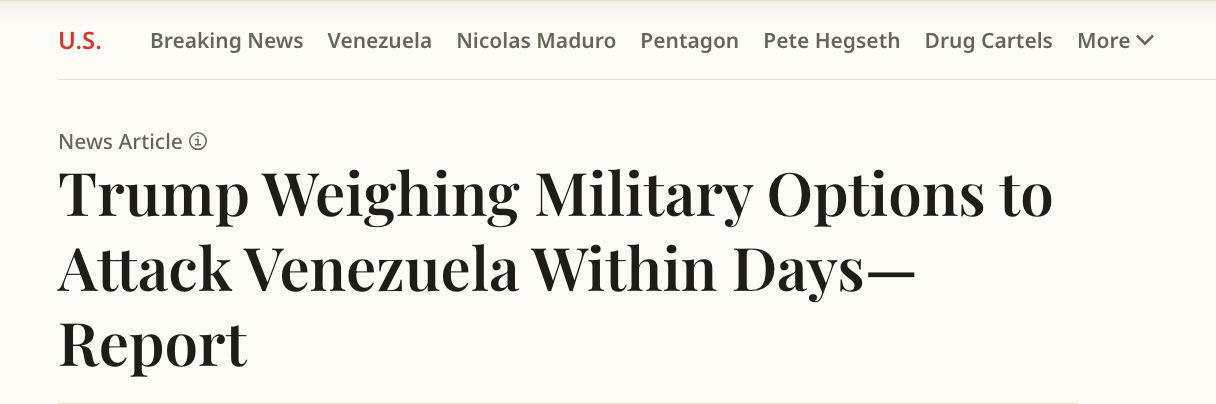
美军战机接近,委内瑞拉国防部长:“战争即将来临!”
Yang Shi Wang· 2025-11-30 11:32
近期,美国以"缉毒"为由,在委内瑞拉附近加勒比海域部署多艘军舰,对委施压。9月初以来,美军已在加勒比海和东太平洋击沉超过20艘美方指称 的"贩毒船",造成80余人死亡。美国缉毒署近年报告则显示,委内瑞拉并非流入美国的毒品主要来源地。委内瑞拉政府多次指责美国意图通过军事威胁在 委策动政权更迭,并在拉美进行军事扩张。 委国防部长:"战争即将来临!" 当地时间11月29日,委内瑞拉外交部发布公告,强烈谴责美国企图侵犯其领空主权的殖民主义威胁,此举构成对委内瑞拉人民的新一轮荒谬、非法且 毫无理由的侵略。美国这一言论企图将美国司法管辖权非法越境施加于委内瑞拉,对委内瑞拉领空使用"发号施令",并威胁委内瑞拉国家主权和领土完 整。 当地时间11月29日,委内瑞拉副总统罗德里格斯表示,总统马杜罗已下令启动一项特别计划,协助滞留在境外的委内瑞拉公民回国,并为需要离境的 人员提供便利。委内瑞拉政府已依据国际法,启动所有多边机制,要求立即停止这一非法且不合法的行为。 委内瑞拉国防部长洛佩斯与军事指挥官举行保卫国家军事会议,洛佩斯表示:"战争即将来临!"他表示,将动用所有空海资源进行演习,保卫国家。 美国总统特朗普27日称,美国可能 ...

美委近期加剧紧张关系银价高涨
Jin Tou Wang· 2025-11-28 04:47
此前,委内瑞拉副总统罗德里格斯11月26日重申,委内瑞拉反对任何形式外部施压和干涉。委内瑞拉指 认,美方以"扫毒"为借口部署大量兵力,其最终目的是颠覆总统马杜罗领导的委内瑞拉政府。 【最新现货白银行情解析】 白银昨日刺破前高,日线RSI到达高位,4小时触及54关口,短线走势强劲,如果银价稳定在53.50美元 上方,则将向54.50美元附近的历史高点前进。相对强弱指标处于中等水平,有足够的空间获得动力。 当地时间11月26日,美国南方司令部航空部队发布公报表示,B-52H型战略轰炸机在加勒比海进行了战 术攻击演习。公报称,B-52H此次演习行动在国际水域沿委内瑞拉海岸线展开。 美国和委内瑞拉近期关系紧张。美国加紧在加勒比海域部署。11月4日,美国"杰拉尔德·R·福特"号航空 母舰通过直布罗陀海峡,驶往加勒比海。10月23日,飞行追踪数据显示至少有一架美国B-1B轰炸机靠 近委内瑞拉沿岸,随后,美国总统特朗普予以否认。委内瑞拉总统马杜罗多次指责美国意图通过军事威 胁在委搞政权更迭,并在拉美进行军事扩张。 美军此次演习,标志着美国对拉美政策的重大转向。从特朗普政府否认轰炸机抵近,到当前高调公布演 习细节,美国正在放 ...
北美观察丨航母逼近 白宫议战 美委高压态势会否升级为区域战争?
Yang Shi Xin Wen· 2025-11-15 07:35
Core Viewpoint - The U.S. is considering military action against Venezuela, with military readiness heightened in the region, reflecting escalating tensions between the two nations [1][12][14] Group 1: U.S.-Venezuela Relations - The relationship between the U.S. and Venezuela saw a brief thaw in 2023, with agreements made to improve electoral conditions, leading to a temporary easing of sanctions [2] - This thaw was short-lived, as the Venezuelan Supreme Court upheld a ban on opposition leaders, prompting the U.S. to re-tighten sanctions and express concerns over electoral integrity [2] - The political trust between the two nations has rapidly deteriorated, reverting to a policy of sanctions and diplomatic pressure from the U.S. [2] Group 2: Military and Strategic Developments - The U.S. aircraft carrier Gerald R. Ford is approaching Venezuelan waters, with discussions of military options intensifying within the Trump administration [1][13] - U.S. military personnel are preparing for potential operations, including studying Venezuela's air defense systems [1][13] - Venezuela has mobilized approximately 200,000 troops in response, asserting its commitment to defend national sovereignty [1][13] Group 3: Geopolitical Context - Venezuela's vast oil reserves play a crucial role in its international standing, despite a significant decline in production due to sanctions and infrastructure issues [5] - The U.S. sanctions are primarily focused on Venezuela's oil revenues and financial channels, with limited exemptions used to extract political concessions [5] - The presence of external powers like Russia and Iran in Venezuela has raised U.S. strategic concerns, leading to a broader scope of pressure beyond economic measures [8] Group 4: Law Enforcement and Security Narrative - The U.S. has accused the Maduro government of drug trafficking and organized crime, framing military actions as part of a broader law enforcement strategy [9] - The deployment of the Ford carrier is linked to U.S. efforts to combat drug trafficking and illegal activities in the Caribbean [9] - The military posture reflects an escalation from economic sanctions to potential military engagement, indicating a shift in U.S. strategy towards Venezuela [9][14]