数字货币

Search documents
超3400只个股下跌
第一财经· 2025-12-29 03:52
Core Viewpoint - The article discusses the performance of the A-share market, highlighting the mixed results of major indices and the active sectors, particularly in computing hardware and commercial aerospace, while noting the decline in several other sectors [3][6]. Market Performance - As of the midday session, the Shanghai Composite Index rose by 0.31% to 3975.92, while the Shenzhen Component Index increased by 0.03% to 13607.39. In contrast, the ChiNext Index fell by 0.32% to 3233.53 [4][3]. - Over 3400 stocks in the market experienced declines, indicating a broad downturn despite some sector gains [3][6]. Sector Highlights - The computing hardware industry chain showed strong activity, with CPO and server sectors leading the gains. The commercial aerospace concept continued to perform well, with over ten constituent stocks hitting the daily limit [6]. - Human-like robots, energy metals, and PEEK materials also saw significant increases, while solid-state batteries, SPD, cross-strait integration, and tax refund concepts experienced adjustments [6]. Trading Volume and Trends - The total trading volume in the Shanghai and Shenzhen markets reached 1.4 trillion yuan, a decrease of 546 billion yuan compared to the previous trading day [6]. - The silver futures market saw a significant rise, with the main contract increasing over 10% to 19937 yuan per kilogram, marking a new high [8][19]. Commodity Movements - The article notes fluctuations in precious metals, with spot silver rising over 1% to 80.16 USD per ounce, while palladium prices dropped nearly 9% to 1750.75 USD per ounce [9][8]. - The carbon fiber sector experienced a surge, with companies like Guangwei Composite and Jilin Carbon Valley rising over 10% following an announcement from Toray regarding price increases for carbon fiber products starting in 2026 [14].


数字货币概念异动!央行已出台数字人民币行动方案,明年1月1日正式启动实施
Jin Rong Jie· 2025-12-29 03:25
12月29日,A股数字货币概念异动拉升,御银股份、拉卡拉、四方精创、赢时胜、中亦科技、新晨科技 等涨幅靠前。 股票频道更多独家策划、专家专栏,免费查阅>> 责任编辑:栎树 数据显示,截至2025年11月末,数字人民币累计处理交易34.8亿笔,累计交易金额16.7万亿元。通过数 字人民币App开立个人钱包2.3亿个,数字人民币单位钱包已开立1884万个。多边央行数字货币桥 (mBridge)累计处理跨境支付业务4047笔,累计交易金额折合人民币3872亿元,其中数字人民币在各 币种交易额占比约95.3%。 中国人民银行副行长陆磊12月29日发文称,未来的数字人民币是中央银行提供技术支持保障并实施监 管、具有商业银行负债属性,以账户为基础、兼容分布式账本技术特点,在金融体系内发行、流通的现 代化数字支付和流通手段,具备货币价值尺度、价值储藏、跨境支付职能。展望未来,数字人民币的业 务技术模式选择将坚持以满足实体经济需要为根本出发点,对账户型、价值型数字货币发展方向采取兼 收并蓄、审慎取舍的原则,推动数字人民币满足不同场景、不同经营主体需求。 消息面上,据央视新闻,中国人民银行已经出台《关于进一步加强数字人民币管理 ...

新一代数字人民币来了!计付利息,还能纳入存款保险
Xin Lang Cai Jing· 2025-12-29 03:06
来源:财经新一线 12月29日,中国人民银行党委委员、副行长陆磊在《金融时报》发表文章称,为切实提升数字人民币管 理质效和服务能力,在总结十年研发试点经验基础上,中国人民银行出台了《关于进一步加强数字人民 币管理服务体系和相关金融基础设施建设的行动方案》(以下简称《行动方案》),新一代数字人民币 计量框架、管理体系、运行机制和生态体系将于2026年1月1日正式启动实施。 未来的数字人民币是中央银行提供技术支持保障并实施监管、具有商业银行负债属性,以账户为基础、 兼容分布式账本技术特点,在金融体系内发行、流通的现代化数字支付和流通手段,具备货币价值尺 度、价值储藏、跨境支付职能。 陆磊表示,当前,境内和跨境数字人民币试验推广取得积极成效,在各国中央银行试验推进的项目中, 数字人民币处于领跑态势。 一是具备了通用混合型货币能力,数字人民币既有账户模式,也有区块链模式;既有软件钱包,也有硬 件钱包;既可以线上支付,也可以离线支付。二是具备了可编程型货币能力,利用数字人民币智能合 约,实现合同的数字化和强制自动执行。三是具备了高效监管型货币能力,管理透明度、标准化和互通 性强。四是具备了全场景型货币能力,在批发零售、 ...
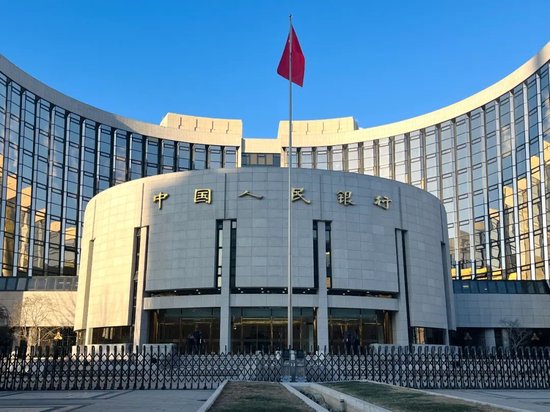
人民银行副行长陆磊:数字人民币纳入存款保险范畴,与存款享有同等安全保障
Bei Jing Shang Bao· 2025-12-29 02:45
陆磊指出,2016年,中国提出了数字人民币双层运营体系,通过十年的实践检验,被全球央行和国际组 织广泛认可,已经成为数字货币的通用标准,是确保货币体系体内循环、保障金融稳定的基础性制度。 《行动方案》在DC/EP理论框架下进一步优化了"双层架构"。在顶层中央银行端,数字人民币由中央银 行负责业务规则、技术标准制定,承担相关基础设施的规划、建设和运营。在二层业务运营机构(以下 简称"运营机构")端,商业银行在自身界面为个人、单位开立数字人民币钱包,负责客户的数字人民币 安全,提供流通支付服务,承担相应的合规和反洗钱责任,纳入存款保险范畴,与存款享有同等安全保 障。非银行支付机构为客户提供的数字人民币由客户以自身的银行存款兑换,属于非银行支付机构负 债,依法纳入数字人民币保证金监管。 北京商报讯(记者 刘四红)12月29日,中国人民银行党委委员、副行长陆磊在《金融时报》发表文章 称,中国人民银行出台了《关于进一步加强数字人民币管理服务体系和相关金融基础设施建设的行动方 案》(以下简称《行动方案》),新一代数字人民币计量框架、管理体系、运行机制和生态体系将于 2026年1月1日正式启动实施。 ...
人民银行副行长陆磊:数字人民币累计处理交易34.8亿笔,交易金额16.7万亿元
Bei Jing Shang Bao· 2025-12-29 02:45
Core Insights - The People's Bank of China announced that the new digital RMB framework will officially launch on January 1, 2026, marking a significant step in the evolution of digital currency in China [1] - The digital RMB is currently leading in trials among central banks globally, showcasing its advanced capabilities in various aspects of digital currency [1] Group 1: Digital RMB Capabilities - The digital RMB has a hybrid currency capability, supporting both account and blockchain models, as well as software and hardware wallets, enabling both online and offline payments [1] - It features programmable currency capabilities, allowing for smart contracts that facilitate digitalization and automatic execution of contracts [1] - The digital RMB offers efficient regulatory capabilities with strong transparency, standardization, and interoperability [1] - It has a comprehensive application across various sectors, including wholesale and retail, dining and tourism, education and healthcare, public services, social governance, rural revitalization, and cross-border settlements [1] Group 2: Transaction Data - As of November 2025, the digital RMB has processed a total of 3.48 billion transactions, amounting to 16.7 trillion yuan [2] - The digital RMB app has opened 230 million personal wallets, with 18.84 million unit wallets established [2] - The mBridge project has handled 4,047 cross-border payment transactions, totaling approximately 387.2 billion yuan, with the digital RMB accounting for about 95.3% of the transaction volume across currencies [2]
新一代数字人民币计量框架、管理体系、运行机制和生态体系明年1月1日正式实施
清华金融评论· 2025-12-29 01:21
文/中国人民银行党委委员、副行长 陆磊 党的二十届四中全会审议通过的《中共中央关于制定国民经济和社会发展 第十五个五年规划的建议》提出"加快建设金融强国" "稳步发展数字人民 币",为今后一个时期数字人民币发展和完善提供了行动指南。面向经济 社会数字化、智能化发展趋势,为深入贯彻习近平总书记关于金融工作的 重要论述,顺应实体经济和金融体系对数字人民币发行、流通、使用的新 需求,把握国际货币体系演进的历史趋势,切实提升数字人民币管理质效 和服务能力,在总结十年研发试点经验基础上,中国人民银行出台了《关 于进一步加强数字人民币管理服务体系和相关金融基础设施建设的行动方 案》(以下简称"《行动方案》"),新一代数字人民币计量框架、管理体 系、运行机制和生态体系将于2 026年1月1日正式启动实施。 一、坚持与时俱进把握数字人民币定位和发展方向 习近平总书记明确要求,"坚持在市场化法治化轨道上推进金融创新发展。金融的安全靠制度、活力在市场、秩序靠法治"。随着2008年国际金融 危机爆发,数字资产、加密货币和新型支付工具层出不穷。这既是经济数字化、智能化在金融领域的客观反映,也带来了影子银行、金融脱媒等 一系列微观宏观 ...

重点关注商业航天-数字货币产业进展
2025-12-29 01:04
重点关注商业航天+数字货币产业进展 20251228 摘要 全球商业航天竞争白热化,预计 2025 年全球火箭发射次数将达 340 次, 中国预计完成超 90 次,火箭运力和卫星成本及应用商业化是关键。 上海航天产业科创基金成立,首期规模 10-20 亿人民币,拟扩至 100 亿,上海市对卫星制造和商业运营环节提供最高 5,000 万元经费支持。 商业航天被纳入科创板第五套上市标准,头部商业火箭企业如南建航天 等估值均超 100 亿,反映资本市场对该领域的高度关注。 数字人民币作为现有支付体系的补充,将在西部陆海新通道建设中探索 应用,加速人民币跨境支付系统渗透。 中国人民银行规范人民币跨境支付业务,入境政策变化及游客增加将推 动数字货币在更多场景应用。 数字货币或将从 M0 转向 M1 计息,进一步推动其推广与场景落地,关 注银行 IT 系统建设及跨境消费场景相关标的。 投资建议:关注火箭制造端材料与结构件公司,卫星核心部件与测试服 务公司,太空算力与通信服务公司,以及跨境业务银行 IT 公司。 近期商业航天领域有哪些重要进展和趋势? 近期,商业航天领域取得了显著进展。2025 年,长征十二甲等多项发射项目 ...
中国人民银行副行长陆磊:守正创新 稳步发展数字人民币
Jin Rong Shi Bao· 2025-12-29 00:16
一、坚持与时俱进把握数字人民币定位和发展方向 习近平总书记明确要求,"坚持在市场化法治化轨道上推进金融创新发展。金融的安全靠制度、活力在 市场、秩序靠法治"。随着2008年国际金融危机爆发,数字资产、加密货币和新型支付工具层出不穷。 这既是经济数字化、智能化在金融领域的客观反映,也带来了影子银行、金融脱媒等一系列微观宏观金 融风险挑战。面对新形势,主要经济体中央银行、国际组织纷纷开始中央银行数字现金(Central Bank Digital Currency,CBDC)研发。2018年,国际清算银行定义中央银行数字现金为"中央银行发行的价 值/区块链模式的数字现金"。欧洲中央银行则定义为"一种以数字形式提供给公民和企业用于零售支付 的央行负债"。这些经济体和国际组织从中央银行职责视角审视数字货币。 我国数字人民币的研究和开发起步较早。2014年,在党中央、国务院的统一部署下,中国人民银行启动 理论研究和封闭测试。2016年,中国人民银行提出了具有数字货币特征的电子支付工具(DC/EP)的法 定数字货币理论框架构想,审慎科学稳健试点探索数字人民币(e-CNY)管理体系和运行机理。经反复 论证和开放试点,初步构建 ...
《稳定币的缘起、现状与未来》出版发行
Sou Hu Cai Jing· 2025-12-27 16:23
本书共分为六章:第一章回顾稳定币的起源与早期探索,梳理数字货币早期的技术尝试与市场培育;第 二章聚焦其发展现状,解析不同阶段的市场演变、技术升级与生态发展;第三章深入探讨稳定币的运行 机制,多维度比较其与传统加密货币、比特币、法定货币及央行数字货币之间的异同,并通过分类剖 析,揭示各类稳定币在去中心化、资本效率与价值稳定之间的权衡;第四章拓展稳定币的应用场景,阐 述其如何凭借特有优势突破传统金融壁垒,催生新的商业模式与价值路径;第五章梳理当前面临的监管 环境与挑战,探讨其发展中的潜在风险;第六章展望行业未来趋势,为个人、企业及相关机构提供参考 方向。 肖金泉、肖伟 编著 ISBN: 978-7-5166-8335-4 新华出版社 2025年12月 定价:68.00 元 目前,该书已在全国各大电商平台及线下书店同步发行,读者可通过关注新华出版社官方公众号获取更 多购书详情。 《稳定币的缘起、现状与未来:数字货币将重塑世界金融格局》 ...