
信用修复

Search documents
信用修复管理办法明年4月起施行 轻微失信信息原则上不予公示
Zhong Guo Zheng Quan Bao· 2025-11-26 21:01
国家发展改革委11月26日公布《信用修复管理办法》,自2026年4月1日起施行。办法提出,信用主体依 法享有信用修复的权利。除法律、法规或党中央、国务院政策文件明确规定不可修复的情形外,满足相 关条件的信用主体均可按要求申请信用修复。 信用修复是指信用主体为积极改善自身信用状况,在纠正失信行为、履行相关义务后,有关方面按照规 定终止公示、停止共享和使用失信信息,同步依法依规解除失信惩戒措施的活动。 办法明确,失信信息按照失信严重程度实行分类管理,原则上划分为"轻微、一般、严重"三类,按照过 罚相当原则,分别设置不同的公示期限,公示期限自司法、行政公务文书认定之日起开始计算。 办法明确,轻微失信信息原则上不予公示;行业主管部门认为确有必要公示的,公示期最长不超过3个 月,且法定责任履行完毕即可申请修复。一般失信信息的最短公示期为3个月,最长为1年。严重失信信 息的最短公示期为1年,最长为3年。 最短公示期届满后,信用主体方可按规定申请信用修复。最长公示期届满后,相关信息自动停止公示。 对达到最长公示期但未纠正失信行为或未完全履行相关义务的,按照行业主管部门有关规定执行。 同一失信信息涉及多种处罚类型的,其公示期 ...
信用修复管理办法明年4月起施行
Zhong Guo Zheng Quan Bao· 2025-11-26 20:20
最短公示期届满后,信用主体方可按规定申请信用修复。最长公示期届满后,相关信息自动停止公示。 对达到最长公示期但未纠正失信行为或未完全履行相关义务的,按照行业主管部门有关规定执行。 ● 本报记者 欧阳剑环 同一失信信息涉及多种处罚类型的,其公示期限以期限最长的类型为准。对附带期限的处罚,在相关期 限届满前,该行政处罚信息不得提前终止公示。"信用中国"网站涉及自然人的失信信息原则上不予公 示。法律、行政法规对相关信息公示期另有规定的,从其规定。 国家发展改革委11月26日公布《信用修复管理办法》,自2026年4月1日起施行。办法提出,信用主体依 法享有信用修复的权利。除法律、法规或党中央、国务院政策文件明确规定不可修复的情形外,满足相 关条件的信用主体均可按要求申请信用修复。 办法提出,符合以下所有条件的信用主体,可以向"信用中国"网站申请信用修复:一是达到最短公示期 限;二是纠正失信行为,完全履行失信行为涉及的行政处罚、异常名录或严重失信主体名单等规定的义 务;三是公开作出信用承诺,承诺内容应包括所提交材料真实有效,并明确愿意承担违反承诺的相应责 任;四是法律、行政法规、部门规章要求的其他条件。 信用修复是指信 ...
可申请信用修复!《信用修复管理办法》明年4月起施行
Zhong Guo Jing Ying Bao· 2025-11-26 17:01
根据该《办法》,失信信息按照失信严重程度实行分类管理,原则上划分为"轻微、一般、严重"三类, 按照过罚相当原则,分别设置不同的公示期限,公示期限自司法、行政公务文书认定之日起开始计算。 轻微失信信息原则上不予公示;行业主管部门认为确有必要公示的,公示期最长不超过3个月,且法定 责任履行完毕即可申请修复。一般失信信息的最短公示期为3个月,最长为1年。严重失信信息的最短公 示期为1年,最长为3年。最短公示期届满后,信用主体方可按规定申请信用修复。最长公示期届满后, 相关信息自动停止公示。对达到最长公示期但未纠正失信行为或未完全履行相关义务的,按照行业主管 部门有关规定执行。 11月26日,国家发展改革委网站公布《信用修复管理办法》(以下简称"《办法》"),该《办法》已经 2025年11月19日第25次委务会议审议通过,现予公布,自2026年4月1日起施行。 符合以下所有条件的信用主体,可以向"信用中国"网站申请信用修复:(一)达到最短公示期限; (二)纠正失信行为,完全履行失信行为涉及的行政处罚、异常名录或严重失信主体名单等规定的义 务;(三)公开作出信用承诺,承诺内容应包括所提交材料真实有效,并明确愿意承担违反 ...
《信用修复管理办法》公布
蓝色柳林财税室· 2025-11-26 14:38
欢迎扫描下方二维码关注: 第一章 总则 第一条 为建立健全统一规范、协同共享、科学高效的信用修复制度,切实保障信用主体合法权益,更好帮助信用主体高效便捷重塑信用, 更好服务经济社会高质量发展,根据《中共中央办公厅 、 国务院办公厅关于健全社会信用体系的意见》《国务院办公厅印发 〈 关于进一 步完善信用修复制度的实施方案 〉 的通知》要求, 制定 本办法 。 第二条 信用主体依法享有信用修复的权利。 除法律、法规 或 党中央、国务院政策文件明确规定不可修复的情形外, 满足相关条件的 信 用主体 均 可按要求申请信用修复。 第三条 本办法所称的信用修复 ,是指 信用主体为积极改善自身信用状况,在纠正失信行为、 履行相关义务 后, 有关方面按照规定终止 公示、停止共享和使用失信信息,同步依法依规解除失信惩戒措施的活动。 本办法所称的终止公示 ,是指信用主体完成信用修复后,包括 "信用中国"网站在内的各领域信用信息系统不再公开信用主体的已修复失信 信息。 本办法所称的 停止 共享 和使用 ,是指信用主体完成信用修复后, 全国信用信息共享平台、 "信用中国"网站停止向相关行业主管部门、 地方政府和第三方信用服务机构共享 ...

【财闻联播】10家航空公司被约谈!连续4年财务造假,这家公司终止上市
券商中国· 2025-11-26 13:31
★ 宏观动态 ★ 《信用修复管理办法》公布:轻微失信信息原则上不予公示 《信用修复管理办法》已经2025年11月19日第25次委务会议审议通过,现予公布,自2026年4月1日起施行。失 信信息按照失信严重程度实行分类管理,原则上划分为"轻微、一般、严重"三类,按照过罚相当原则,分别设 置不同的公示期限,公示期限自司法、行政公务文书认定之日起开始计算。轻微失信信息原则上不予公示;行 业主管部门认为确有必要公示的,公示期最长不超过3个月,且法定责任履行完毕即可申请修复。一般失信信 息的最短公示期为3个月,最长为1年。严重失信信息的最短公示期为1年,最长为3年。最短公示期届满后,信 用主体方可按规定申请信用修复。最长公示期届满后,相关信息自动停止公示。对达到最长公示期但未纠正失 信行为或未完全履行相关义务的,按照行业主管部门有关规定执行。 科技部会同有关部门部署开展学术不端撤稿论文专项整治行动 近日,科技部会同有关部门部署开展学术不端撤稿论文专项整治行动。本次专项整治行动聚焦中国学者在自然 科学领域国际期刊撤稿论文,对涉嫌抄袭剽窃、虚构伪造数据或图像、买卖论文、虚构同行评议专家及评议意 见等行为,将严肃开展调查和处 ...

“免抵退税”和“免退税”有什么区别?
蓝色柳林财税室· 2025-11-23 09:37
Tax Policy Overview - The article discusses the exemption of value-added tax (VAT) for export enterprises that do not produce their own goods, allowing them to deduct corresponding input tax from their payable VAT, with any unclaimed portion refundable [4][5]. - Non-producing export enterprises are also exempt from VAT, with the corresponding input tax refunded [5]. Calculation Methods - The article outlines different calculation formulas for VAT exemption and refund: 1. For producing enterprises, the current payable tax is calculated as: Current Payable Tax = Current Output Tax - (Current Input Tax - Current Non-Exempt Tax) [6]. 2. The current refundable tax is calculated based on the offshore price of exported goods and the applicable tax rates [6]. 3. The conditions for refund and exemption amounts are specified based on the end-of-period tax credits [6]. Taxpayer Credit Management - The article introduces the "Taxpayer Credit Management Measures," effective from July 1, 2025, aimed at promoting taxpayer integrity and compliance with tax laws [12]. - The measures apply to enterprises engaged in production and business operations, with individual businesses able to voluntarily apply for management under these measures [14]. Information Collection - Tax authorities will collect credit information from taxpayers, including basic credit information, internal tax data, and external evaluations [16]. - The evaluation of taxpayer credit will be based on annual scoring and direct classification methods, with scores starting from 100 for compliant entities [17]. Evaluation Cycle and Repair Mechanism - The evaluation cycle for taxpayer credit is one calendar year, with new entities or those with significant credit issues excluded from the current evaluation [19]. - There are provisions for credit repair and re-evaluation for entities that have experienced credit issues, allowing them to apply for repair under specific conditions [20].

河南2306家小微企业通过“认证贷”获融资贷款83.35亿元
Sou Hu Cai Jing· 2025-11-20 03:37
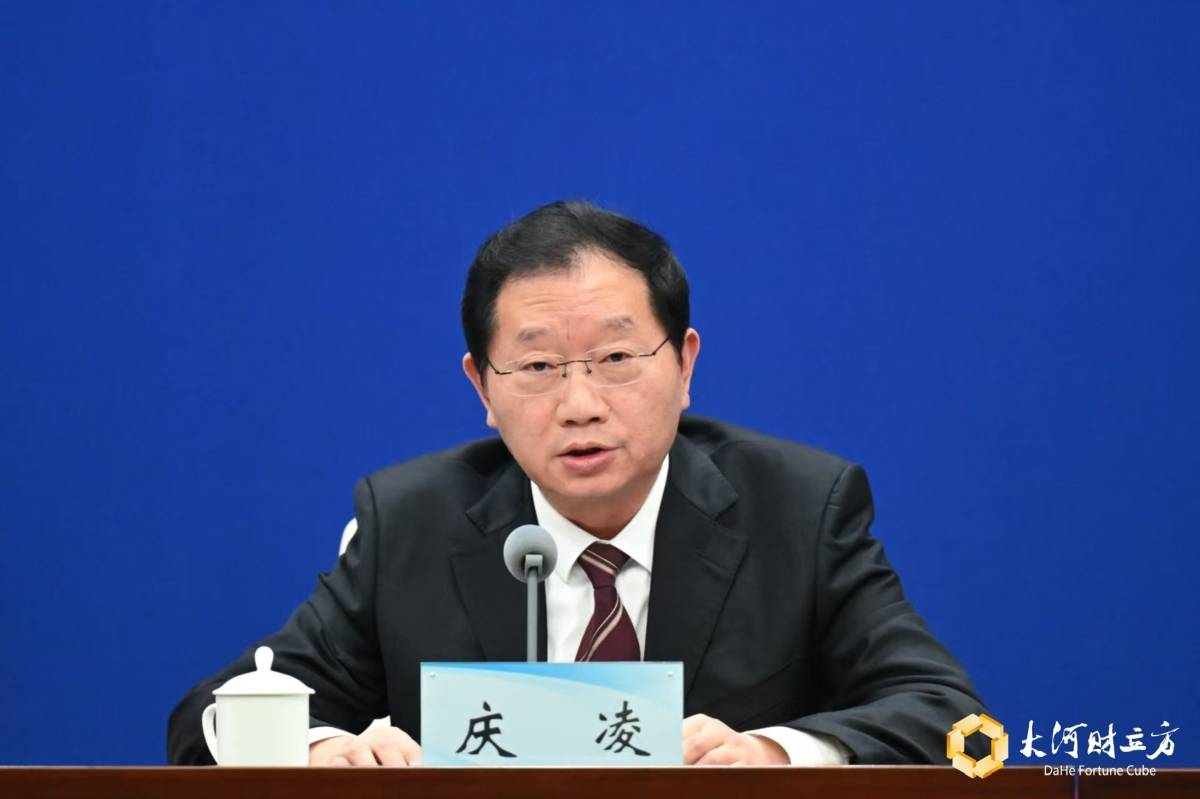
【大河财立方 记者 夏晨翔 文 朱哲 摄影】11月20日,河南省举办2025河南省民营经济高质量发展系列新闻发布会(第一场),介绍今年以来全省民营经济 高质量发展有关情况。 此外,河南省市场监管局推行"信用修复"高效办成一件事,实施企业信用"免申即办""即申即办"快速修复。截至10月底,共为59.77万户经营主体实施信用修 复90.69万条次,为失信企业重建信用、正常经营提供有力支持。 责编:刘安琪 | 审校:李金雨 | 审核:李震 | 监审:古筝 会上,省市场监管局党组成员、副局长庆凌介绍,该局联合中行河南省分行开展"认证贷"工作,截至目前,全省已有2306家小微企业通过"认证贷"获得融资 贷款83.35亿元。 据悉,2025年6月6日,河南省市场监管局与中国银行河南省分行正式签约上线"认证贷"。"认证贷"融资产品主要针对质量管理体系认证提升小微企业提供融 资授信,创新性地将认证证书的"信用价值"与金融服务相结合,为企业提升创新能力和发展活力提供资金支持。 ...
企业办理信用修复要少跑腿
Jing Ji Ri Bao· 2025-11-17 22:42
Core Points - The article discusses a collaborative agreement signed by Nanning and six other cities to address the challenges of credit repair for transportation and other enterprises, aiming to create a new administrative penalty credit repair mechanism that facilitates information sharing and reduces bureaucratic hurdles [1][2] - The difficulties in cross-regional credit repair include a lack of collaborative mechanisms, repetitive material submissions, and lengthy processing times, which the new agreement seeks to alleviate [1] - The initiative promotes a unified standard for credit repair documents and leverages technologies like big data and blockchain to ensure materials can be verified across regions, enhancing efficiency and reducing the burden on enterprises [2] Summary by Sections Agreement and Mechanism - A cooperation agreement was signed by Nanning and six cities to establish a cross-regional collaborative mechanism for administrative penalty credit repair [1] - The new mechanism aims to streamline processes by sharing information, recognizing materials, and utilizing results across regions [1] Challenges Addressed - The article highlights the challenges faced by transportation enterprises, such as differing material standards and the need to travel between penalty and registration locations, which prolongs the credit repair process [1] - The new collaborative mechanism is expected to significantly improve repair efficiency and align with the characteristics of a unified national market [1] Implementation and Future Outlook - The article emphasizes the importance of standardization and transparency in credit repair processes, advocating for a unified approach to core documents and the use of technology for cross-regional verification [2] - It suggests that the collaborative efforts of the seven cities could serve as a model for further expansion and improvement of credit repair mechanisms across more regions and sectors [2]
合规经营小贴士 | 纳税缴费信用管理新规,分数是涨还是跌?还有信用守护攻略
蓝色柳林财税室· 2025-11-09 14:00
Core Viewpoint - The article discusses the new credit evaluation rules for social insurance and non-tax revenue, emphasizing a more scientific and inclusive approach to credit scoring, which aims to protect honest taxpayers and encourage proactive correction of mistakes [4][5]. Group 1: Credit Evaluation Scope - The new regulations expand the scope of credit evaluation, incorporating various payment behaviors into the credit scoring system, including social insurance fees and non-tax revenues [4]. - Specific behaviors that may negatively impact credit scores include late tax filings, failure to withhold taxes, and providing false tax information, with varying penalties for each infraction [4][5]. Group 2: Scoring Adjustments - Under the new rules, the starting score for compliant businesses has increased from 90 to 93, provided they have complete payment information [4]. - The penalty system has been optimized; for instance, multiple overdue tax filings in a single month will now incur a single penalty instead of multiple deductions [4][5]. Group 3: Credit Repair Mechanisms - Businesses can apply for credit repair if they have been penalized, with specific timelines and conditions for different types of infractions [5]. - There are three main channels for credit repair: immediate correction for minor infractions, gradual repair for tax arrears, and ongoing repair for overall compliance [5].

信用修复政策不是征信洗白
Jing Ji Ri Bao· 2025-11-04 22:21
Core Viewpoint - The People's Bank of China is developing a one-time personal credit relief policy to help individuals restore their credit records affected by the pandemic, specifically targeting those with minor defaults who have already repaid their loans [1][2]. Group 1: Policy Details - The new policy will not display default information in the credit system for individuals who have repaid loans below a certain amount since the pandemic [1]. - The implementation of this policy is planned for early next year, following necessary technical preparations by the People's Bank of China and financial institutions [1]. - The policy aims to transform credit repair into tangible benefits for the public, enhancing the credit ecosystem and encouraging financial institutions to adopt a broader assessment of creditworthiness [1][2]. Group 2: Impact on Individuals - The policy will help individuals break free from the "once untrustworthy, forever limited" predicament, providing an opportunity for those who have made mistakes to restore their credit [2]. - It is expected to motivate individuals to actively repay debts and address historical credit issues, rather than giving up [2]. - The restoration of credit eligibility for these individuals is anticipated to unleash their consumption potential and entrepreneurial spirit, positively impacting domestic demand and economic circulation [2]. Group 3: Implications for Financial Institutions - Encouraging borrowers to repair their credit essentially promotes the repayment of overdue debts, aiding banks in recovering overdue loans and improving asset quality [2]. - Financial institutions are likely to expand their service scope to include previously defaulting individuals who have repaired their credit, thus broadening their customer base with growth potential [2]. Group 4: Governance and Ethical Considerations - The credit repair policy is characterized as a governance innovation that balances compassion and precision, focusing on non-malicious defaulters and maintaining the integrity of the credit system [3][4]. - The process of credit repair is conditional and requires borrowers to have settled all debts and maintained a good credit record for a period, emphasizing the importance of ethical behavior [3][4]. - The shift from strict punishment for defaults to a dual approach of punishment and repair reflects progress in credit system construction and social governance [4].