
生态文明建设

Search documents
推动经济社会发展全面绿色转型——七论学习贯彻中央经济工作会议精神
Bei Jing Ri Bao Ke Hu Duan· 2025-12-18 14:39
推进碳达峰碳中和是我们对国际社会的庄严承诺,也是推动经济结构转型升级、形成绿色低碳产业竞争 优势,实现高质量发展的内在要求。要深入推进重点行业节能降碳改造,大力发展绿色低碳产业,使发 展建立在高效利用资源、严格保护生态环境、有效控制温室气体排放的基础上。要推动传统行业工艺、 技术、装备升级,实现绿色低碳转型。能源是经济社会运行的基础和动力,也是绿色转型和"双碳"工作 的主战场。要制定能源强国建设规划纲要,加快能源结构调整,深化能源体制机制改革,加快新型能源 体系建设,扩大绿电应用,抓好能源领域降碳。要加强全国碳排放权交易市场建设,推动建成更加有 效、更有活力、更具国际影响力的碳市场。 绿水青山就是金山银山。绿水青山和金山银山决不是对立的,要正确处理好生态环境保护和发展的关 系,让绿水青山充分发挥经济社会效益。高水平保护是高质量发展的重要支撑,生态优先、绿色低碳的 高质量发展只有依靠高水平保护才能实现。要实施固体废物综合治理行动,深入打好蓝天、碧水、净土 保卫战,强化新污染物治理,以高品质生态环境支撑高质量发展。要加大生态系统保护力度,深入推进 大规模国土绿化行动,扎实推进"三北"工程攻坚战,实施自然保护地整合 ...
新华社评论员:推动经济社会发展全面绿色转型——七论学习贯彻中央经济工作会议精神
Xin Hua Wang· 2025-12-18 14:05
新华社北京12月18日电 题:推动经济社会发展全面绿色转型——七论学习贯彻中央经济工作会议 精神 推进碳达峰碳中和是我们对国际社会的庄严承诺,也是推动经济结构转型升级、形成绿色低碳产业 竞争优势,实现高质量发展的内在要求。要深入推进重点行业节能降碳改造,大力发展绿色低碳产业, 使发展建立在高效利用资源、严格保护生态环境、有效控制温室气体排放的基础上。要推动传统行业工 艺、技术、装备升级,实现绿色低碳转型。能源是经济社会运行的基础和动力,也是绿色转型和"双 碳"工作的主战场。要制定能源强国建设规划纲要,加快能源结构调整,深化能源体制机制改革,加快 新型能源体系建设,扩大绿电应用,抓好能源领域降碳。要加强全国碳排放权交易市场建设,推动建成 更加有效、更有活力、更具国际影响力的碳市场。 绿水青山就是金山银山。绿水青山和金山银山决不是对立的,要正确处理好生态环境保护和发展的 关系,让绿水青山充分发挥经济社会效益。高水平保护是高质量发展的重要支撑,生态优先、绿色低碳 的高质量发展只有依靠高水平保护才能实现。要实施固体废物综合治理行动,深入打好蓝天、碧水、净 土保卫战,强化新污染物治理,以高品质生态环境支撑高质量发展。要 ...
骐骥驰骋 2026年马年春晚吉祥物发布
Zhong Guo Xin Wen Wang· 2025-12-18 09:13
骐骥驰骋 2026年马年春晚吉祥物发布 中新社北京12月18日电 (记者 高凯)中央广播电视总台《2026年春节联欢晚会》18日发布吉祥物形 象,"骐骐""骥骥""驰驰""骋骋"四匹骏马,活泼可爱、意气风发。 "骋骋"的设计原型是普氏野马。作为地球上唯一现存的野生马种,普氏野马是拥有6000万年漫长进化史 的"生物基因活化石"。如今,中国普氏野马种群数量居世界之首,是中国生物多样性保护、生态文明建 设的重要成果。"骋骋"的外形粗壮结实、身形矫健,是人与自然和谐共生的生动见证。(完) 来源:中国新闻网 编辑:徐世明 其中,"骐骐"的设计灵感源自西周盠驹尊,配色取自"骐"字本意——青黑色的马,气质庄重而典 雅。"骐骐"头戴当卢,高束发髻、彬彬有礼,尽显朝气蓬勃、心怀远志的昂扬奋进之姿。 "骥骥"的设计灵感源自汉代天马。它的身姿参考国宝级文物铜奔马,翅膀借鉴错金银镶松石狩猎纹铜伞 铤上的飞马造型。"骥骥"双翼舒展、腾云逐日的英姿,彰显奋发向上的精气神。 "驰驰"的设计灵感源自唐代三花马。三花马因马鬃被修剪成三瓣而得名,是以昭陵六骏等为代表的唐代 文物和史料中所见良马的最高规格。"驰驰"意气风发,束起的马尾更添英武之 ...


黑龙江抚远市政协:聚焦边境发展 履职担当作为
Zhong Guo Jing Ji Wang· 2025-12-18 06:09
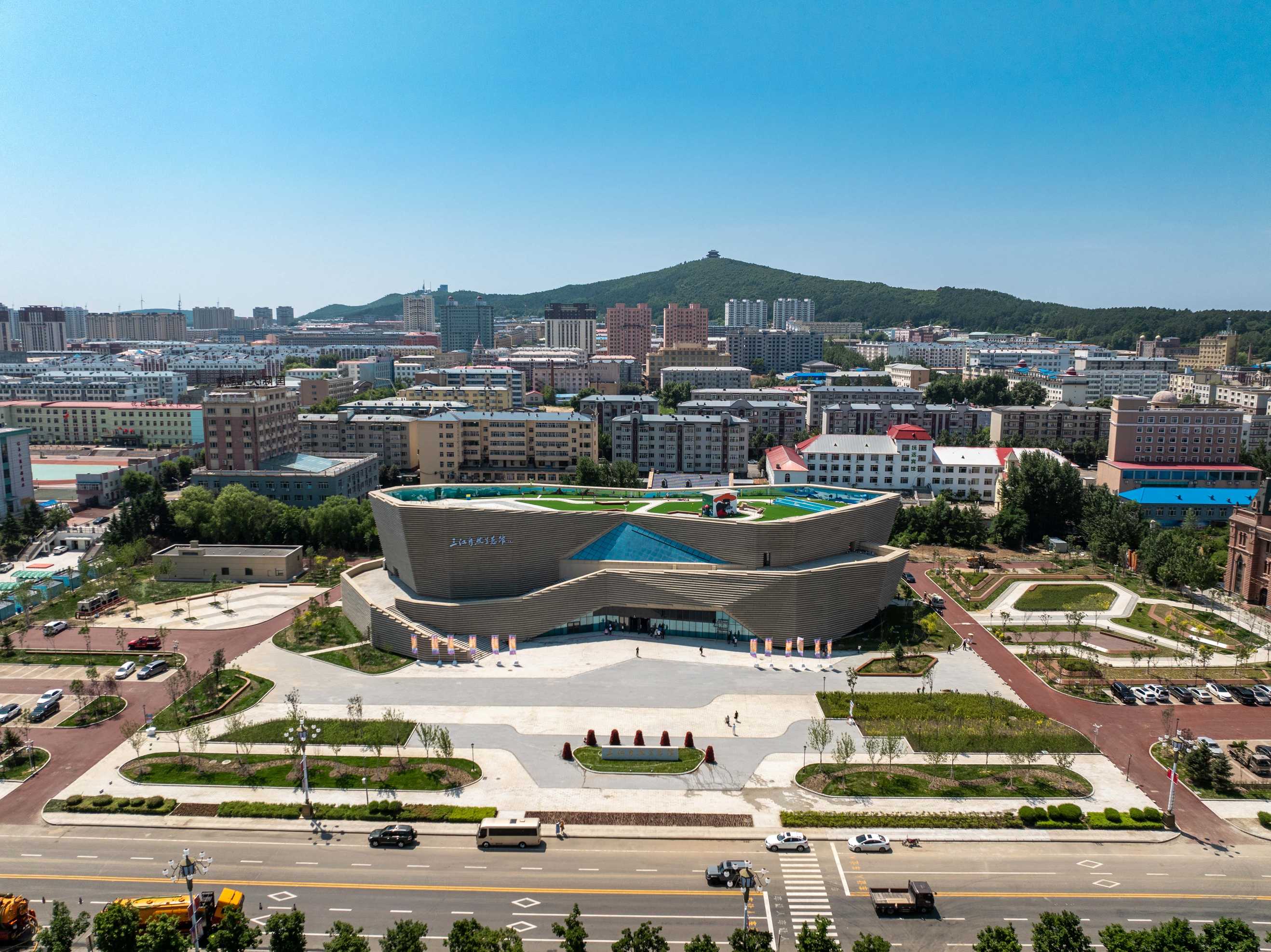
抚远市地处祖国陆地最东端,素有"华夏东极""东方第一县"之称,与俄罗斯远东第一大城市哈巴罗 夫斯克市中俄界江隔黑龙江相望,近年来,抚远市政协牢记习近平总书记视察抚远市时提出的指示精 神,在当地富民兴边进程中,找准履职重点,积极作为。主动承担全市重点工程 "三江自然生态馆" 项 目建设和"黑龙江第二届乌苏里江界江联盟大会暨边境旅游线路发布会"筹备召开任务。成立由政协委员 组成的专项攻坚小组,倒排工期、挂图作战、现场督办,破解人员、资金、技术等难题,确保了三江自 然生态馆工程如期完工,在祖国东极建设了一个集自然生态展示、文化体验和旅游休闲于一体的综合性 场所,不仅成为边境线上生态文化标志性窗口,而且向中外游客全面展示了中国生态文明建设成果;并 成功举办黑龙江省第二届乌苏里江界江联盟大会暨跨境旅游线路发布会,受到中俄两国来宾和文旅行业 精英好评。 抚远市政协精准把握全市工作重心与群众期盼,通过专题协商、对口协商等多种形式,围绕区域发 展、民营经济、农业农村等 10 个重点议题开展协商活动,收集整理 80 件意见建议并形成提案 41 件, 按照 "政协领导牵头、专委会分工负责、委员全程参与、督办全面覆盖" 要求和标准 ...
从“海上森林”到“海底花园” 看海南生态修复三重奏
Yang Shi Xin Wen Ke Hu Duan· 2025-12-18 03:10
海南热带雨林国家公园总面积4269平方公里,森林覆盖率为95.9%,其中天然林面积约占国家公园面积的76.58%。在这里,野生脊椎动物有651种,记 录国家一级保护野生动物14种,国家二级保护野生动物120种。为了改善它们的栖息地环境,研究人员正在雨林中开展试点,提高雨林生态系统质量。 这两天,不少候鸟来到海南东寨港国家级自然保护区越冬。保护区位于海南岛北岸,面积约1771.08公顷,是我国建立的第一个以红树林为主的湿地类 型自然保护区,远远望去,仿佛是一片海上森林。 总台记者 倪晶依:"十四五"期间,海口市清退东寨港及其周边地区高污染养殖塘5802亩,新种红树林4590亩,修复现有红树林9600亩。 海南东寨港国家级自然保护区管理局林业工程师 冯尔辉:这里是保护区的种质资源圃,建立于1985年,也是我们国家第一个以红树林苗木作为培育对 象的基地。这里有全国97%的红树植物,20个科36个种,到目前为止,保护区基本上已经完成了修复和恢复工作。接下来,我们会持续让红树林自我修复, 减少人为干扰,同时持续关注红树林生态系统的健康状况。 为进一步提升森林质量,从2024年起,海南热带雨林国家公园计划用10年时间,投 ...

博盈特焊(301468) - 2025年12月17日投资者关系活动记录表
2025-12-17 09:54
Group 1: Company Overview and Competitive Advantages - The company focuses on special equipment manufacturing, particularly anti-corrosion and anti-wear welding equipment, with applications in energy, chemical, metallurgy, and paper industries [1] - It possesses key core technologies across materials, processes, and equipment, along with comprehensive production qualifications, including national and international certifications [1] - The management team has extensive industry experience and a stable core technical staff, contributing to the company's competitive edge [2] Group 2: Market Opportunities - The demand for waste incineration is increasing due to national strategies promoting ecological civilization and waste reduction, leading to a need for upgrading existing incinerators [4] - The coal-fired power generation sector is showing a demonstration effect, indicating significant growth potential [2] - The company is strategically expanding into overseas markets, with a focus on establishing subsidiaries to capture international opportunities [2] Group 3: Technology and Innovation - The company employs three welding techniques: MIG, TIG, and laser welding, each suited for different industrial applications [3] - Continuous R&D efforts have led to innovations in digital pulse MIG high-frequency oscillation welding technology, enhancing efficiency and stability [3] - The company is developing advanced technologies in laser welding and secondary remelting, broadening its application scope [3] Group 4: Specific Market Insights - The domestic waste incineration market is characterized by both stock and incremental demand, driven by urbanization and the need for modern facilities [4] - The global oil and gas pipeline market is experiencing structural growth, with increasing demand for composite pipelines due to challenges in oil and gas extraction [5] - The HRSG (Heat Recovery Steam Generator) equipment is primarily compatible with heavy-duty gas turbines, providing a competitive cost advantage over international counterparts [6] Group 5: Future Outlook - The HRSG market in the U.S. is expected to grow due to structural increases in electricity demand and the transition to cleaner energy sources [8] - The company is positioned to benefit from the rising demand for HRSG as it enhances the efficiency of gas turbines, contributing to lower carbon emissions [8]
中华环保联合会:矢志20载,为全面绿色转型贡献环保社会组织力量
Zhong Guo Huan Jing Bao· 2025-12-15 23:37
从2005年到2025年,中华环保联合会已走过20个春秋。作为国务院批准、民政部注册的全国性非营利社 团组织,中华环保联合会始终秉承"大中华、大环境、大联合"理念,在环境权益维护、团结凝聚社会组 织、参与国际交流合作、环保技术推广与咨询服务等领域深耕细作,架起政府、社会与企业间的沟通桥 梁,为美丽中国建设和全球环境治理注入了坚实的社会力量。 中华环保联合会的发展历程从一定维度展现了中国环保社会组织如何成长成熟,如何与国家生态文明建 设同频共振,共同书写美丽中国建设的时代答卷。我们构建了覆盖全国30个省(自治区、直辖市)的环 保社会组织协作网络,发布国内首份环保民间组织调查报告,连续举办17届环保民间组织可持续发展年 会,率先提起全国首例环保社会组织环境公益诉讼,累计推动97起公益诉讼案件落地,30余份法律提案 与建议被相关部门采纳,积极参与60余次联合国系统环境议题的会议,获得14个重要的国际资质。作为 社会力量的代表之一,我们深深感到,环保社会组织以其专业性、灵活性和公信力,帮助政府拾遗补 阙,放大市场良性机制,聚集社会公益能量,激活公众内在动力,在现代环境治理体系中扮演着不可替 代的角色,发挥着多元、动态 ...
海南省绿色低碳发展研究院成立大会在海口举行
Hai Nan Ri Bao· 2025-12-15 00:56
大会指出,绿研院的成立是海南生态文明建设史上的大事,更是自贸港封关运作前夕的重要战略布 局。海南正朝着"2030年前碳达峰、2045年前全面建成低碳岛"目标推进,亟需专业化平台支撑。绿研院 将整合全国顶尖资源形成"产学研用"协同创新模式,坚持政治引领、创新驱动、开放合作,突出海洋海 岛特色,积极参与国际规则制定,为海南将生态优势转化为发展优势注入强劲动力。随后,部省领导共 同为绿研院揭牌。 海南日报海口12月14日讯(海南日报全媒体记者 孙慧)12月14日,海南省绿色低碳发展研究院(以下 简称绿研院)成立大会暨首届绿色低碳发展研讨会在海口市举行。 绿研院由省住房和城乡建设厅联合国内顶尖科研机构组建,是海南落实国家"双碳"战略、推进生态 文明试验区建设的重要举措。绿研院将立足自贸港建设需求,搭建绿色低碳领域产学研协同创新平台, 聚焦城乡低碳转型、绿色技术创新、蓝碳开发应用、零碳示范建设等关键领域,为海南生态文明建设和 绿色低碳发展提供政策咨询、技术支撑与行业交流服务。 住房和城乡建设部副部长李晓龙、省政府副省长赵峰参加大会并致辞。 ...
持之以恒地铲除加拿大一枝黄花
Zhong Guo Huan Jing Bao· 2025-12-15 00:38
清除加拿大一枝黄花的方式有四种。一是人工铲除。在苗期或种子成熟前,剪掉花头,连根拔除植株并 清理地下根茎,集中焚烧或者无害化处理植株。二是机械防除。对大面积或农田的加拿大一枝黄花可采 取机械防除。可用镰刀或割草机割除地上部分,随后用旋耕机翻耕土地(深度10厘米以上)以清除地下 根茎。三是化学防治。在幼苗期(20厘米—50厘米)进行施药效果最好。针对农田、果园、林地、荒 地、公路铁路坡地等生境选用不同除草剂和喷施方法。彻底清理后及时种植农作物或绿化植物,占据生 态位,防止其死灰复燃。农田的加拿大一枝黄花通过连续种植两季农作物可根除;绿化带则需要加强日 常防护,发现再生植株即予清除。四是生物防治。芦苇根系发达,种植芦苇可抑制其扩散。真菌锈菌、 土生真菌能迅速感染并杀死加拿大一枝黄花。 加拿大一枝黄花原产于北美,1935年作为庭院观赏植物引入上海、南京等地栽植,上世纪80年代扩散至 河滩、荒地、路边及部分农田,成为中国一种常见的恶性杂草。它入侵我国很多省(自治区、直辖 市),严重危害本土植物的生存,2023年1月被列入《重点管理外来入侵物种名录》,成为重点管理的 重大农林入侵物种,当前仍在不断蔓延。加拿大一枝黄花颜 ...
浙江严肃追责问责83人!
券商中国· 2025-12-13 02:38
Core Viewpoint - The article highlights the serious issues regarding ecological and environmental protection in Zhejiang Province, emphasizing the need for accountability and responsibility among local government officials and departments in addressing environmental damage and violations [1][11]. Group 1: Environmental Infrastructure Issues - Several cities and counties, including Ninghai County, Shaoxing Keqiao District, and others, have shown inadequate attention to environmental infrastructure, leading to severe pollution from improper sewage management and rainwater drainage systems [2][3]. - Specific cases include the failure of Zhuji City to regulate wastewater discharge from dyeing parks, resulting in non-compliant effluent entering rainwater systems [2]. Group 2: Construction Waste Management - Hangzhou has faced significant challenges with illegal dumping of construction waste, attributed to insufficient regulatory measures and lack of local disposal facilities [4][5]. - The article notes that various local governments, including those in Yuhang District and Tonglu County, have failed to effectively address complaints regarding illegal dumping, leading to environmental degradation [4][5]. Group 3: Marine Ecological Protection - In Wenzhou, there is a notable lack of awareness and action regarding marine ecological protection, with several counties experiencing ecological damage due to inadequate enforcement of regulations [7][8]. - Specific violations include illegal occupation of marine areas for tourism projects and non-compliance within national marine protected areas [7]. Group 4: Air Quality and Pollution Control - Cities such as Hangzhou, Huzhou, Jiaxing, and Shaoxing have struggled with air quality management, particularly during heavy pollution events, due to poor regulatory oversight of high-emission projects and non-compliance with environmental standards [9][10]. - The article indicates that local authorities have been ineffective in managing industrial emissions and monitoring vehicle inspection processes, contributing to air quality deterioration [9][10]. Group 5: Accountability Measures - The investigation led to accountability actions against 15 responsible units and 83 individuals, including disciplinary actions against various levels of officials, highlighting the commitment to enforcing environmental regulations [1][11]. - The article emphasizes the importance of learning from these issues to improve future environmental governance and uphold the principles of ecological civilization [11][12].
