
八八战略

Search documents
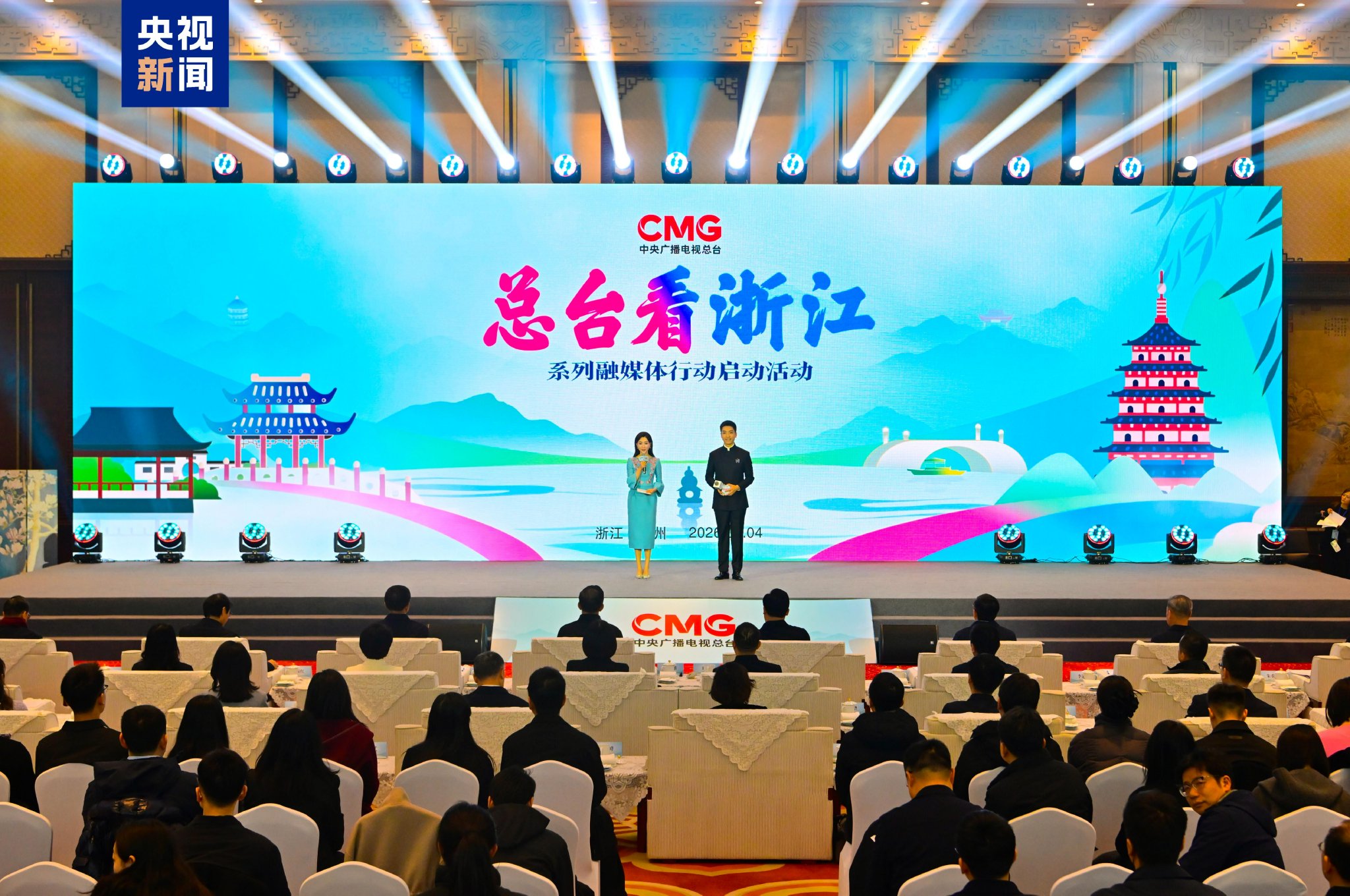
向潮而立!“总台看浙江”系列融媒体行动启动
Xin Lang Cai Jing· 2026-02-04 10:17
Core Viewpoint - The launch of the "Zhongtai Looks at Zhejiang" series of media actions aims to enhance the visibility of Zhejiang's development and promote its high-quality growth and cultural richness [1][5]. Group 1: Government Initiatives - Zhejiang is in a decisive phase of high-quality development, focusing on implementing the "Eight-Eight Strategy" and the "4+1" important requirements from the General Secretary [3]. - The province aims to achieve significant breakthroughs in various sectors, including innovation, cultural strength, and urban-rural integration [3]. Group 2: Media Collaboration - The Central Radio and Television Station (CRTV) will leverage its media resources to document and promote Zhejiang's development, enhancing its international presence [5][6]. - The collaboration between CRTV and Zhejiang is seen as a new starting point for deepening partnerships, utilizing a multi-faceted media approach [6]. Group 3: Cultural Projects - A series of media projects were introduced, including the "China Wulin Conference" and the "CPOPwave" series, aimed at showcasing Chinese cultural heritage and contemporary trends [7][8]. - The "China Short Video Conference" will support short video entrepreneurs in Zhejiang, fostering a sustainable creative ecosystem [8]. Group 4: Local Partnerships - CRTV signed cooperation agreements with Yiwu to integrate media resources with local market dynamics, enhancing international communication [9]. - The collaboration aims to effectively connect national-level intellectual property with local industries, showcasing the potential for urban development [9].

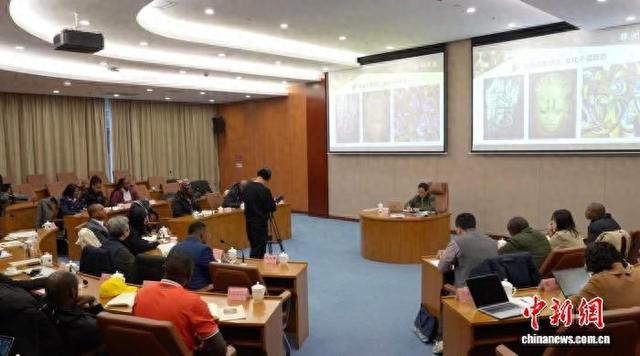
肯尼亚政党干部对话中国学者 盼“取经”中国
Xin Lang Cai Jing· 2026-02-03 12:36
Group 1 - The Kenyan delegation is studying China's rural development models and political party building to learn from China's development experience [1][3] - Over the past 20 years, Zhejiang has implemented the "Ten Million Project" under the "Eight-Eight Strategy," leading to significant improvements in quality development [3] - The Kenyan advisor noted that China's successful localization of socialism and Marxism offers valuable insights for Africa, particularly in addressing local issues like river pollution in Nairobi [3][4] Group 2 - The cooperation between China and Kenya has a long history, but political stability is crucial for the continuity of projects, as changes in the ruling party can disrupt collaboration [4] - Questions raised by the Kenyan delegation included the balance between common and individual wealth in China and the role of China in international affairs [4] - The director of the African Research Institute emphasized the importance of establishing a discourse system for the Global South to counter Western narratives and promote development [4] Group 3 - The year 2026 marks the 70th anniversary of diplomatic relations between China and Africa, highlighting the critical period for industrialization in Africa [5] - China's technological advancements in the past 20 years have accelerated the development of the renewable energy sector, aiding African nations in achieving economic growth [6] - An example from South Sudan illustrates how Chinese assistance in building infrastructure can transform local economies, enabling the processing and export of local fish products [6]
浙江省十四届人大四次会议胜利闭幕
Xin Lang Cai Jing· 2026-01-17 11:30
Core Points - The provincial 14th People's Congress successfully concluded its fourth session, achieving all scheduled tasks and adopting various resolutions [1][2][3] - The meeting emphasized the importance of high-quality development and the establishment of a common prosperity demonstration zone, aligning with the directives from the central government [3][4] - The year 2026 is highlighted as a crucial year for advancing high-quality development and achieving significant progress towards socialist modernization [4][5] Group 1 - The provincial congress adopted resolutions regarding the government work report, economic development plans, and budget execution for 2025 and 2026 [2] - New leadership positions were filled, including the election of Wang Chengguo as the vice chairman of the provincial standing committee and Zheng Qing as the president of the provincial high court [1][2] - The congress was marked by a commitment to practical implementation and a focus on the "8+1" strategic requirements set by the central government [3][4] Group 2 - The provincial leadership emphasized the need for continuous efforts in lawmaking and governance to support development and ensure effective oversight [5][6] - There is a call for all levels of government to work collaboratively with the People's Congress to enhance democratic practices and reflect the voices of the people [6] - The congress concluded with a strong commitment to unity and action under the leadership of the central government, aiming for significant advancements in the coming years [6]
展望“十五五” | 浙江省发布“十五五”规划建议:加快建设创新国企,健全科技创新投入机制
Xin Lang Cai Jing· 2025-12-24 10:32
Core Viewpoint - The Zhejiang Provincial Committee emphasizes the importance of high-quality development and the establishment of a common prosperity demonstration zone during the 14th Five-Year Plan period, highlighting significant achievements and outlining strategic goals for the upcoming 15th Five-Year Plan period [4][5]. Group 1: Achievements During the 14th Five-Year Plan - Zhejiang's GDP surpassed 9 trillion yuan, with per capita GDP expected to exceed 140,000 yuan, marking a significant economic milestone [4]. - The province's innovation capacity ranks 4th nationally, with R&D intensity reaching 3.22%, showcasing robust technological advancements [4]. - The region has optimized its business environment, achieving a "grand slam" in five categories for private enterprises for two consecutive years [4]. - Zhejiang's export scale ranks 2nd in the country, with the Ningbo-Zhoushan port's development index rising to 7th globally [4]. Group 2: Strategic Goals for the 15th Five-Year Plan - The 15th Five-Year Plan aims to solidify the foundation for high-quality development and common prosperity, addressing both opportunities and challenges [5][6]. - The guiding ideology will focus on Xi Jinping's thoughts, emphasizing the integration of economic and social development with a commitment to high-quality growth [7]. - Key objectives include narrowing urban-rural and regional income gaps, enhancing innovation capabilities, and fostering a modern industrial system [10][11]. Group 3: Development Requirements and Principles - The plan stresses adherence to the "Eight-Eight Strategy" as a fundamental guideline for long-term development [8]. - High-quality development is prioritized, with a focus on innovation, investment optimization, and deepening reforms [9]. - The strategy includes a commitment to meeting the people's needs and ensuring equitable distribution of development benefits [10]. Group 4: Economic and Social Development Goals - By 2030, the province aims to significantly enhance its economic strength and competitiveness, with per capita GDP approaching that of developed economies [10]. - The plan envisions a substantial reduction in income disparities and an increase in the overall well-being of the population [10][11]. - Major breakthroughs in innovation and the establishment of a modern industrial system are expected, with a focus on advanced manufacturing and artificial intelligence [11][12]. Group 5: Infrastructure and Open Economy - The plan includes the construction of a modern infrastructure system to support economic growth and enhance resilience [21]. - High-level openness is emphasized, aiming to strengthen resource allocation and global competitiveness [22][23]. - The strategy promotes the integration of domestic and international markets, enhancing trade and investment environments [26][27]. Group 6: Urban-Rural Integration and Ecological Development - The plan aims to promote urban-rural integration, enhancing the capacity of county towns and improving public services [37][38]. - Ecological development is prioritized, with initiatives to improve environmental quality and promote sustainable practices [14][15].
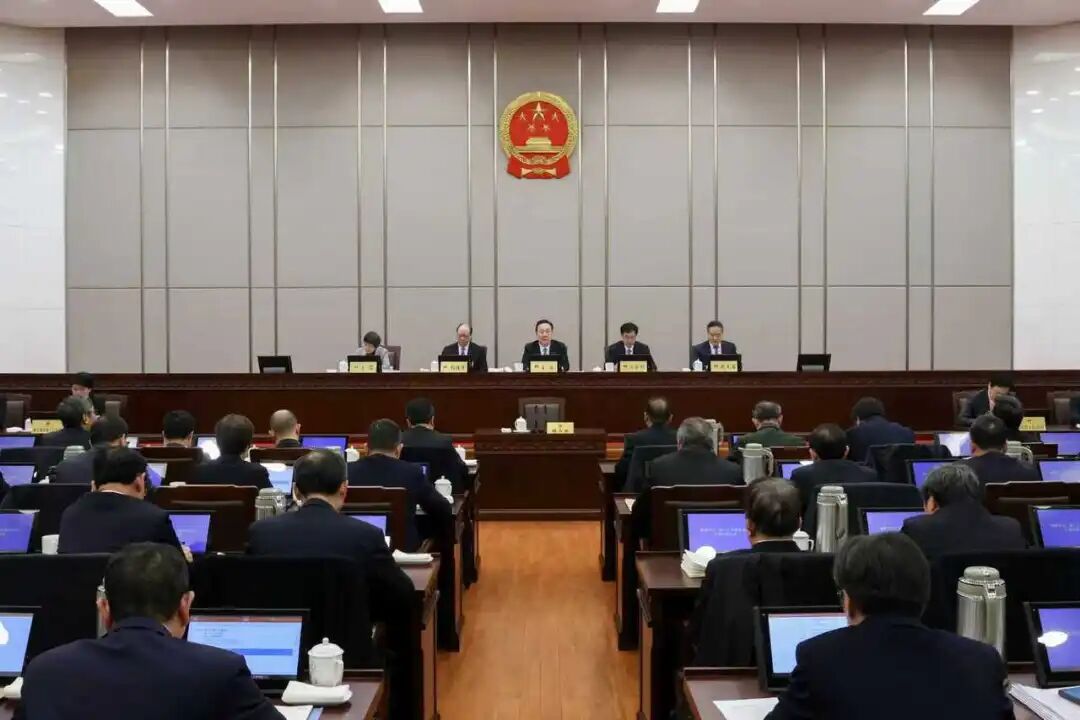
浙江省十四届人大常委会第二十一次会议决定 省十四届人大四次会议明年1月中旬召开 王浩出席并讲话
Xin Lang Cai Jing· 2025-12-23 12:56
Core Points - The 21st meeting of the 14th Provincial People's Congress Standing Committee was held in Hangzhou on December 22-23, with the next session scheduled for mid-January [1][2] - The meeting approved several regulations, including the "Zhejiang Province Marine Economy High-Quality Development Promotion Regulations" and the "Zhejiang Province River and Lake Protection and Governance Regulations" [1] - Provincial Secretary Wang Hao emphasized the importance of high-quality development and the completion of major projects, indicating that the province is on track to meet its economic and social development goals for the year [1] Group 1 - The meeting discussed the approval of personnel lists and legislative regulations, contributing to the governance framework in Zhejiang [1] - Wang Hao highlighted the implementation of the "Eight-Eight Strategy" and the promotion of ten major projects to enhance economic stability and social harmony [1][2] - The Provincial People's Congress Standing Committee is set to focus on legislative work and the preparation for the upcoming session, aiming to align with central and provincial economic strategies [2] Group 2 - The emphasis on the "14th Five-Year Plan" and the need for the Provincial People's Congress to align with the central government's economic directives was reiterated [2] - The committee aims to enhance legal frameworks and promote significant projects that contribute to the province's economic and social development [2] - Preparations for the upcoming session will focus on gathering consensus and strengthening community engagement [2]
浙江严肃追责问责83人!
券商中国· 2025-12-13 02:38
Core Viewpoint - The article highlights the serious issues regarding ecological and environmental protection in Zhejiang Province, emphasizing the need for accountability and responsibility among local government officials and departments in addressing environmental damage and violations [1][11]. Group 1: Environmental Infrastructure Issues - Several cities and counties, including Ninghai County, Shaoxing Keqiao District, and others, have shown inadequate attention to environmental infrastructure, leading to severe pollution from improper sewage management and rainwater drainage systems [2][3]. - Specific cases include the failure of Zhuji City to regulate wastewater discharge from dyeing parks, resulting in non-compliant effluent entering rainwater systems [2]. Group 2: Construction Waste Management - Hangzhou has faced significant challenges with illegal dumping of construction waste, attributed to insufficient regulatory measures and lack of local disposal facilities [4][5]. - The article notes that various local governments, including those in Yuhang District and Tonglu County, have failed to effectively address complaints regarding illegal dumping, leading to environmental degradation [4][5]. Group 3: Marine Ecological Protection - In Wenzhou, there is a notable lack of awareness and action regarding marine ecological protection, with several counties experiencing ecological damage due to inadequate enforcement of regulations [7][8]. - Specific violations include illegal occupation of marine areas for tourism projects and non-compliance within national marine protected areas [7]. Group 4: Air Quality and Pollution Control - Cities such as Hangzhou, Huzhou, Jiaxing, and Shaoxing have struggled with air quality management, particularly during heavy pollution events, due to poor regulatory oversight of high-emission projects and non-compliance with environmental standards [9][10]. - The article indicates that local authorities have been ineffective in managing industrial emissions and monitoring vehicle inspection processes, contributing to air quality deterioration [9][10]. Group 5: Accountability Measures - The investigation led to accountability actions against 15 responsible units and 83 individuals, including disciplinary actions against various levels of officials, highlighting the commitment to enforcing environmental regulations [1][11]. - The article emphasizes the importance of learning from these issues to improve future environmental governance and uphold the principles of ecological civilization [11][12].

浙江共富观察:文旅融合如何助力山区海岛县发展?
Zhong Guo Xin Wen Wang· 2025-11-26 14:03
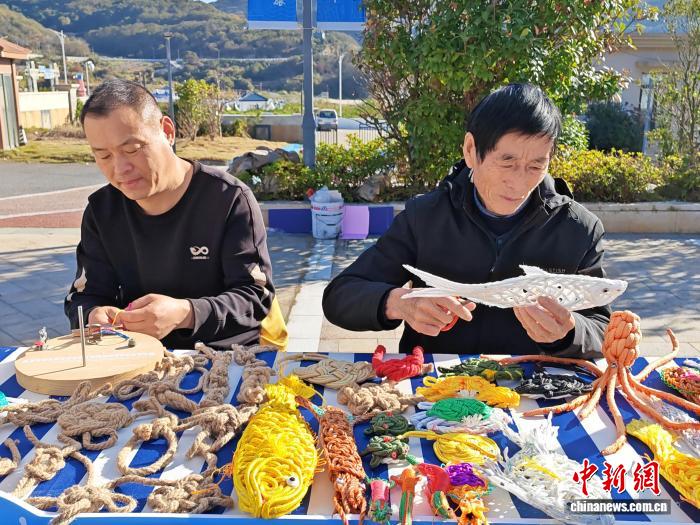
Core Viewpoint - Zhejiang province is leveraging cultural and tourism integration to transform its mountainous and island counties into prosperous regions, turning natural beauty and cultural heritage into valuable assets for common prosperity [5][10]. Group 1: Development Strategy - The integration of culture and tourism is seen as a key strategy for the development of Zhejiang's 22 mountainous and island counties, which have historically faced limitations due to transportation issues [5][7]. - The "Eight-Eight Strategy" initiated in 2003 emphasizes the utilization of mountain and sea resources to promote rapid development in underdeveloped areas [5][9]. - By the end of the "14th Five-Year Plan" period, all mountainous and island counties in Zhejiang are expected to achieve a GDP exceeding 10 billion yuan, with the income disparity between urban and rural residents decreasing from 1.96 to 1.83 [5][9]. Group 2: Cultural and Economic Transformation - The case of Shengsi County illustrates the successful evolution from traditional fishing accommodations to modern leisure and experiential tourism, reflecting a shift from mere sightseeing to lifestyle enjoyment [7][8]. - Local artisans, like Liu Yongyue, are transforming traditional fishing skills into cultural products, enhancing local employment and cultural pride [3][7]. - The "Small Island Co-construction Plan" aims to engage young people in community development, introducing new business models such as cafes and creative shops to invigorate traditional fishing villages [8][9]. Group 3: Event and Collaboration - The "Seeking Mountains and Seas for Wellness" promotional event held in Shengsi gathered representatives from various cultural and tourism departments to discuss collaborative development strategies [5][6]. - The integration of sports and tourism, exemplified by the successful hosting of the Zhejiang Marine Sports Games, is creating new experiences and attracting visitors [8][9]. - The "Moon Creation Project" initiated by the Zhejiang Provincial Department of Culture and Tourism aims to support high-quality tourism development through brand creation and project cultivation over the next 3 to 5 years [9][10].
回望历史汲取奋进力量 为新生锚定青春航向
Hang Zhou Ri Bao· 2025-11-06 02:50
Core Insights - The event at Zhejiang University of Finance and Economics Oriental College focused on the theme of drawing strength from history to advance in the present, emphasizing the importance of historical awareness among youth in the internet age [1] - The discussion highlighted the transformative policies in Zhejiang, such as the "Eight-Eight Strategy," showcasing the province's journey from poverty alleviation to becoming a benchmark for high-quality development [1] - The college's achievements and honors were presented, encouraging new students to integrate into campus life and strive for personal and collective growth [1] Summary by Sections Historical Reflection - The college's secretary emphasized the need for youth to be guardians of historical truth and transmitters of collective memory, rejecting the fast-paced consumption of information [1] Current Development - Examples of successful policies like "mountain-sea cooperation," "Digital Zhejiang," and "transformation of industries" were discussed, illustrating the human-centered approach behind these initiatives [1] Institutional Growth - The college's evolution from exploring diverse educational systems to establishing a coordinated multi-disciplinary development framework was highlighted, along with its recognition as a model institution for applied education [1] Student Engagement - Student representatives shared personal growth stories, reflecting the integration of mission into practice under the guidance of party leadership, showcasing the college's commitment to social responsibility [2] - New students expressed their commitment to embodying the school motto of "advancing virtue and learning, keeping pace with the times" through professional studies and social practice [2]
新质生产力点燃高质量发展新引擎
Ren Min Ri Bao· 2025-10-21 05:34
Core Viewpoint - The new quality productivity theory proposed by Xi Jinping is a significant advancement in the Marxist theory of productivity, emphasizing innovation as a key driver for high-quality development [1][2]. Group 1: New Quality Productivity - New quality productivity is characterized by technological breakthroughs, innovative allocation of production factors, and deep transformation of industries, with a focus on improving total factor productivity [1][5]. - The theory has been demonstrated in practice, showing strong support for high-quality development, particularly in traditional industries that are undergoing transformation through technological innovation [2][4]. - The development of new quality productivity is a long-term task that requires comprehensive reforms and the establishment of new production relationships [5][6]. Group 2: Industry Growth and Innovation - China's high-tech manufacturing industry saw a year-on-year increase of 9.6% in added value, contributing 24.7% to the overall industrial growth [10]. - The digital economy's core industry sales revenue grew by 10.6%, indicating a deepening integration of digital and real economies [9]. - Emerging industries such as commercial aerospace and domestic large aircraft manufacturing are showing positive development trends, with strategic emerging industries accounting for one-third of the industrial output in Zhejiang province [3][4]. Group 3: Regional Development and Specialization - The emphasis on "local conditions" highlights the need for tailored approaches to developing new quality productivity, recognizing the unique resources and development conditions of different regions [2][3]. - Various regions are achieving significant advancements by focusing on their specific advantages, such as Beijing's commercial aerospace industry and Guangdong's industrial robot production [3]. Group 4: Policy and Reform - The 20th National Congress of the Communist Party outlined over 300 reform measures aimed at enhancing the economic development system and promoting new quality productivity [5][8]. - The establishment of a high-standard market system and the deepening of economic and technological reforms are crucial for overcoming barriers to the development of new quality productivity [5][7].
人民日报刊文:守正创新提升思政教育质效
Bei Jing Ri Bao Ke Hu Duan· 2025-09-25 01:13
Core Viewpoint - The article emphasizes the importance of ideological and political education (IPE) in cultivating socialist builders and successors, highlighting the need for innovation and effectiveness in IPE to meet the demands of contemporary youth [1][2][4]. Group 1: Importance of IPE - IPE is a fundamental task of education, crucial for the future of the Party and the nation [1]. - The construction of IPE has been prioritized by the central leadership since the 18th National Congress, with a focus on Marxism and the achievements of socialism with Chinese characteristics [1][2]. - The political guiding function of IPE is essential for its development, requiring a balance between theoretical depth and political relevance [3][4]. Group 2: Challenges in IPE - There exists a gap between current IPE practices and the needs of youth, with some courses being overly didactic and failing to engage students effectively [2][4]. - The need for IPE to respond to contemporary issues and resonate with students' interests is highlighted, as traditional methods may lack appeal [9][10]. Group 3: Innovative Approaches - Innovative educational methods are necessary to enhance the relevance and attractiveness of IPE, including interactive and experiential learning [7][10]. - The use of multimedia resources, such as short videos, can make theoretical concepts more accessible and engaging for students [10][11]. - Activities that combine IPE with practical applications, such as community service and historical projects, can deepen students' emotional connections to the material [11][12]. Group 4: Role of Youth - Youth are seen as a vital force in the dissemination of political theory, with their active participation being crucial for effective IPE [14][15]. - Engaging youth in innovative formats, such as peer-led discussions and creative presentations, can enhance the impact of IPE [14][15]. Group 5: Practical Integration - The integration of IPE with real-world experiences is essential for fostering a sense of responsibility and mission among students [13][17]. - Encouraging students to engage with their communities and apply theoretical knowledge in practical settings can lead to a more profound understanding of their roles in society [13][17].