
台独

Search documents
国台办:承认“九二共识”两岸对话沟通才有互信基础
Zhong Guo Xin Wen Wang· 2025-12-10 09:30
Core Viewpoint - The spokesperson from the State Council Taiwan Affairs Office criticized Lai Ching-te's stance on cross-strait relations, labeling him as a "peace destroyer" and "crisis creator" due to his insistence on Taiwan independence and rejection of the "1992 Consensus" [1] Group 1 - Lai Ching-te's core policy is to replace confrontation with "dialogue based on equality and dignity" and to promote "healthy and orderly exchanges" instead of blockades, aiming to enhance cross-strait cooperation [1] - The spokesperson emphasized that the only basis for dialogue and communication between the two sides is the abandonment of Taiwan independence and acknowledgment of the "1992 Consensus," which reflects the one-China principle [1] - The spokesperson accused Lai of distorting historical and legal facts regarding the one-China principle, claiming that his notion of "equality and dignity" is essentially promoting a "new two-state theory" [1]
大陆部署百余艘舰艇?国台办回应
Xin Lang Cai Jing· 2025-12-10 05:17
来源:参考消息 大陆在东亚海域部署百余艘舰艇,国台办:粉碎一切"台独"分裂和外来干涉! 国务院台办10日举行例行新闻发布会,发言人陈斌华回答记者提问。 有记者问,据报道,大陆近日在东亚海域部署大量海军和海警舰艇,数量高达100余艘。赖清德当局 称,这对于"印太"、整个区域造成威胁和影响。对此有何评论? 陈斌华说,日本首相高市早苗发表涉台错误言论,粗暴干涉中国内政,我们坚决反对,绝不容忍,将彻 底粉碎其介入台海事务的图谋。民进党当局顽固坚持"台独"分裂立场,企图通过勾连日本等外部势力, 进行谋"独"挑衅,是误判形势,打错算盘! 陈斌华表示,"台独"意味着战争,是死路一条。台湾问题事关中国核心利益和全体中国人民的民族感 情,我们有坚强决心、坚定意志、强大能力,粉碎一切"台独"分裂和外来干涉,捍卫国家主权和领土完 整。无论"台独"分裂势力如何顽抗,无论外部势力如何捣乱,中国终将统一也必将统一的历史大势不可 阻挡。 来源:参考消息 大陆在东亚海域部署百余艘舰艇,国台办:粉碎一切"台独"分裂和外来干涉! 来源 | 北京日报客户端 审核 | 邓媛 编辑 | 郭庆娜 责任编辑:石秀珍 SF183 陈斌华表示,"台独"意味着 ...
剥夺陆配参政权暴露民进党操弄“两国论”的“台独”本质
Ren Min Ri Bao Hai Wai Ban· 2025-12-09 02:10
据新华社北京电(李寒芳、田翔宇)近日,民进党当局再度以所谓"国籍"问题为由,剥夺在台大陆配偶 参政权,引发岛内外广泛关切与强烈谴责。台湾问题专家受访时表示,民进党当局肆意剥夺陆配合法权 益,打压欺凌陆配群体,撕裂社会、制造对立,其本质是以"两国论"叙事服务"台独"分裂图谋,阻挠两 岸民众走亲走近,破坏两岸关系。 他表示,两岸同胞交流越深,心灵上就越接近。正常的交往、通婚本是民心所向,却是民进党当局最不 愿看到的局面。因此,他们"千防万防",唯恐陆配融入台湾主流社会,尤其忌惮其参与政治生活,因而 通过严审、污名化、边缘化等手段,刻意制造对立与恐慌,制造"寒蝉效应",人为割裂两岸亲情纽带。 民进党当局称,要担任公职,陆配必须提出所谓"放弃中华人民共和国国籍的证明",目前结果是"陆配 在台参政权已死"。厦门大学港澳台研究中心研究员刘文戈表示,在台定居的陆配长期为家庭和社会作 出贡献,理应享有平等权利。他们获得民众推举、参与基层治理,既是基本权益的自然延伸,也是台湾 社会对其认可的体现。民进党以"国籍"为借口设障,既无法理依据,也背离人道精神。其核心逻辑是 以"抗中保台"为幌子,清除岛内任何可能支持两岸关系和平发展、 ...
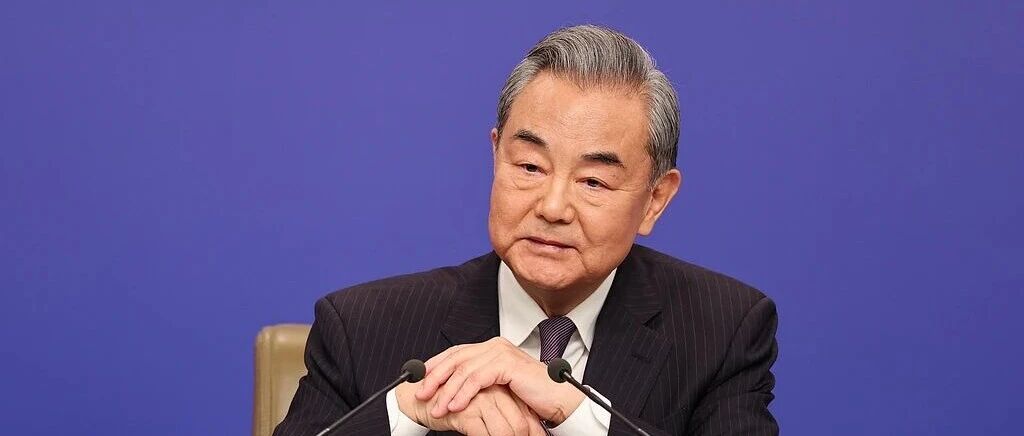
王毅:台湾地位已被“七重锁定”
21世纪经济报道· 2025-12-09 00:01
Core Viewpoint - The article emphasizes that Taiwan has historically and legally been a part of China, and any claims or actions suggesting otherwise are seen as violations of China's sovereignty and international agreements [1][2]. Group 1: Historical Context - Wang Yi highlighted that Taiwan has been recognized as Chinese territory since ancient times, citing the Cairo Declaration of December 1943, which mandated Japan to return Taiwan to China after World War II [1]. - The Potsdam Declaration of July 1945 reiterated the conditions of the Cairo Declaration, affirming that Japan's defeat would lead to the return of Taiwan to China [1]. - Following Japan's surrender on August 15, 1945, the Chinese government announced the restoration of sovereignty over Taiwan on October 25, 1945, marking a significant historical event [1]. Group 2: Legal and Political Assertions - The article references the UN General Assembly Resolution 2758 from 1971, which restored all rights of the People's Republic of China in the UN and expelled Taiwan's representatives, reinforcing Taiwan's status as a part of China [2]. - The 1972 Sino-Japanese Joint Statement acknowledged the PRC as the sole legitimate government of China and recognized Taiwan as an inseparable part of Chinese territory [2]. - The 1978 Sino-Japanese Peace and Friendship Treaty confirmed adherence to the principles outlined in the Joint Statement, further solidifying Taiwan's status [2]. Group 3: Current Implications - Wang Yi criticized recent statements from Japanese leaders regarding the use of force in Taiwan, viewing them as a serious infringement on China's sovereignty and a challenge to post-World War II international order [1][2]. - The article stresses that any attempts at "Taiwan independence" are seen as acts of territorial division and interference in China's internal affairs, violating both Chinese and international law [2]. - Wang Yi called for reflection from Japan, especially given its historical actions in Taiwan, and urged the international community to uphold the principles of the UN Charter against militarization and revival of militarism [2].

王毅:台湾地位已被“七重锁定”
财联社· 2025-12-08 23:49
Core Viewpoint - The article emphasizes that Taiwan has historically and legally been a part of China, and recent statements from Japanese leaders regarding Taiwan are seen as a serious infringement on China's sovereignty and territorial integrity [1][6]. Historical Context - Taiwan has been recognized as Chinese territory since ancient times, with the Cairo Declaration of December 1943 stating that Japan must return Taiwan to China after World War II [2]. - The Potsdam Declaration of July 1945 reiterated the conditions of the Cairo Declaration, and Japan's surrender in August 1945 confirmed its commitment to these terms [3]. - The establishment of the People's Republic of China in 1949 marked the beginning of its sovereignty over all Chinese territory, including Taiwan [4]. - The UN General Assembly Resolution 2758 in 1971 restored the rights of the People's Republic of China in the UN and expelled representatives of Taiwan, affirming Taiwan as a part of China [4]. - The 1972 Sino-Japanese Joint Statement acknowledged the People's Republic of China as the sole legitimate government of China and recognized Taiwan as an inseparable part of Chinese territory [4]. Legal and Political Assertions - The article argues that a series of historical facts politically and legally confirm Taiwan as part of China, stating that any attempts at "Taiwan independence" are seen as a violation of both Chinese and international law [6]. - The article highlights the significance of the 80th anniversary of China's victory in the War of Resistance against Japan, urging Japan to reflect on its past actions and avoid militaristic rhetoric regarding Taiwan [6].
王毅:台湾地位已被“七重锁定”
Xin Hua She· 2025-12-08 21:11
Core Viewpoint - The Chinese Foreign Minister Wang Yi emphasized that Taiwan has historically and legally been part of China, responding to recent provocative statements from Japanese leaders regarding the use of force in Taiwan, which he claims violate China's sovereignty and challenge international order established post-World War II [1][2][3] Group 1: Historical Context - Taiwan has been recognized as Chinese territory since ancient times, with the Cairo Declaration of December 1943 stating that Japan must return territories stolen from China, including Taiwan [2] - The Potsdam Declaration of July 1945 reiterated the conditions of the Cairo Declaration, and Japan's surrender in August 1945 confirmed its commitment to these terms [2] - The Chinese government announced the restoration of sovereignty over Taiwan on October 25, 1945, following Japan's defeat [2] Group 2: Legal and Political Assertions - The establishment of the People's Republic of China in 1949 positioned it as the sole legitimate government representing all of China, including Taiwan [2] - The UN General Assembly Resolution 2758 in 1971 restored all rights of the People's Republic of China in the UN and expelled Taiwan's representatives, affirming Taiwan as a part of China [2] - The 1972 Sino-Japanese Joint Statement acknowledged the PRC as the only legitimate government of China and recognized Taiwan as an inseparable part of Chinese territory [2][3] Group 3: Current Implications - Wang Yi stated that the historical facts and legal principles firmly establish Taiwan's status as part of China, and any attempts at "Taiwan independence" are seen as a violation of both Chinese and international law [3] - He criticized Japan's current leadership for making threats regarding Taiwan, urging reflection on Japan's wartime actions and warning against militarization and revival of militaristic ambitions [3]
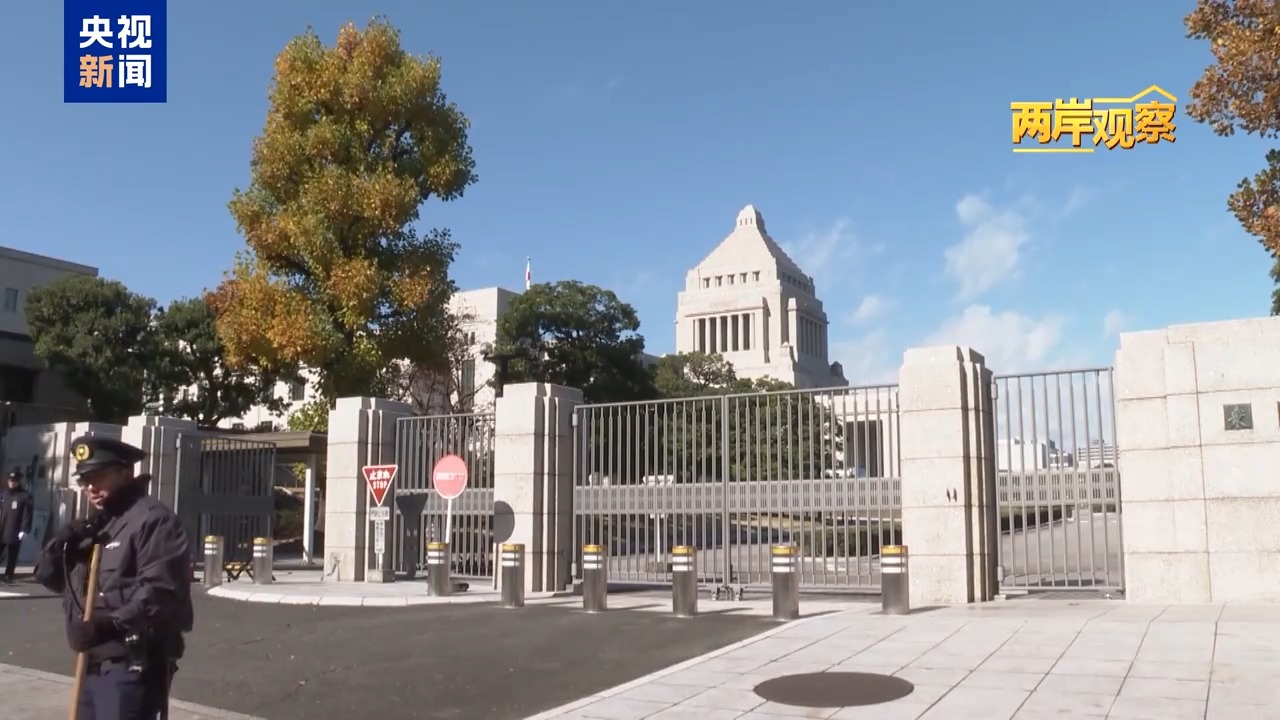
两岸观察丨反赖反战 台湾各界批判民进党“媚日谋独”
Yang Shi Xin Wen Ke Hu Duan· 2025-12-06 02:29
近日,随着赖清德鼓噪提高台湾地区防务预算及其此前媚日言行的不断发酵,台湾各界的反对声音持续高涨。当前,对其兜售的分裂谬论,大家发出了怎样 的批判之声?日本在殖民台湾期间,对民众犯下了怎样的侵略罪行?民进党当局又是如何不惜践踏民众尊严,"媚日谋独"的? 拿人民血汗钱加码外部势力"保护费" 台民众高呼"赖当局心中没有百姓" 以"大陆军事威胁"为借口,鼓噪提高台防务预算来购买美军火,赖清德最新"以武谋独""倚外谋独"行径,引发岛内强烈反对。日前,台湾多个党派和民间团 体的代表及劳工群体逾千人走上街头,怒批民进党当局以战争恐吓勒索人民,推台湾向深渊不是护安全,高呼"反Lie求真,反战求生",号召民众一起戳破 赖清德谎言。 劳动党青年代表在当天的活动中直指赖清德当局心里没有老百姓,没有民众。医师代表控诉道:"我们的劳工保险,还有非常多的军公教的退休金,因为财 政困难,所以必须削减支出,如果财政困难,为什么赖清德还可以编个1.25万亿新台币要送给美国的军火商?" 赖清德当局上台以来,屡屡违背岛内主流民意,岛内舆论多次批评,赖清德拿台湾人民血汗钱连连加码外部势力"保护费"。但其"倚外谋独"行径还不止如 此。就在不久前,赖清 ...
民进党封禁小红书在怕什么
Xin Lang Cai Jing· 2025-12-05 20:24
转自:京报网_北京日报官方网站 【#民进党封禁小红书在怕什么#】#台网友痛批民进党禁小红书没出息#台湾当局还是对小红书下手了。 台内务部门相关负责人日前以所谓"资讯安全""诈骗高风险场域"等为由,宣布对小红书进行网际网络停 止解析及限制接取措施,暂定期限一年。这款在台用户超300万人的社交媒体,果真如台当局所言有安 全、涉诈风险吗?从台湾民怨就能看见答案。宣布封禁后,不仅岛内网友纷纷在相关报道下痛批"没出 息的做法""把民进党封了会更好",更有台北市议员直言,"台湾人每天被诈骗4亿元新台币,七成在脸 书被骗"。若论"涉诈",怎么封禁大棒专砸完全排不上"诈骗榜"的大陆社交软件,反倒"人人喊打"的脸 书还活得好好的?此前曾有台媒报道,台湾民众尤其是年轻世代正通过TikTok、小红书等平台,重新构 建对大陆的印象和认知。由此不难发现,民进党怕的是台湾年轻人通过小红书看到大陆的真实生活与发 展,怕的是两岸同胞借由信息互通增进了解、走近走亲。信息茧房一旦被冲破,"恐中""厌中""抗中"等 统统都会成为笑话。早在今年7月,民进党当局就敲打台湾民众不要下载使用包括小红书、微信等在内 的五款大陆APP。DeepSeek横空出 ...
赖清德附和高市早苗挑衅言论,台湾青年痛批:与日本右翼狼狈为奸在台海“搞事”
Zhong Guo Xin Wen Wang· 2025-12-05 01:52
两岸犇报网络主编、台湾青年陈崇真1日接受中新网专访时表示,日本首相高市早苗日前发表所谓"台湾 有事即日本有事"的涉台荒谬言论,赖清德和民进党官员们不仅附和,竟然还扬言要增加1.25万亿新台 币巨额军费,这不就是"台独"势力与日本右翼政权狼狈为奸、想在台海"搞事"吗?陈崇真指出,民进党 妄图把台湾推向战场,让台湾年轻人去为"台独"打一场打不赢的仗,我们一定要站出来表达不满。(采 访/制作 燕新台 林可) ...
国台办:强烈谴责民进党当局打压欺凌陆配群体
Xin Hua She· 2025-12-03 08:12
新华社北京12月3日电(记者赵博、李寒芳)国务院台办发言人张晗3日在例行新闻发布会上应询表 示,大陆配偶是台湾同胞的家人、亲人,是台湾社会的建设者、贡献者,理应得到认可、尊重,包括参 政议政在内的正当权益应当得到维护。民进党当局出于"台独"本性,公然贩卖"两国论",肆意剥夺陆配 合法权益,打压欺凌陆配群体,不断挑战两岸同属一个中国的历史和法理事实,我们对此予以强烈谴 责。 有记者问:赖清德日前公开反对国民党拟"修法"保障陆配"参政权",台行政机构负责人称"'国籍法 修法'涉双重效忠问题"。对此有何评论?张晗在答问时作上述表示。 据报道,"从从容容、游刃有余,匆匆忙忙、连滚带爬"成为2025年十大流行语,该句出自大陆音乐 人以民进党籍民意代表王世坚以往视频为素材创作的网络歌曲《没出息》,王世坚也因此受到关注。近 日,王世坚被问及是否会去大陆交流,抛出所谓"用'台湾护照'而非台胞证"等"四个条件"。对此,张晗 应询表示,大陆和台湾同属一个中国,两岸不是国与国关系。这个人一边靠着《没出息》的改编热度在 网络上赚眼球,一边又大放厥词刷存在感,这种自相矛盾的作秀真是"没出息"。 针对民进党当局公告对大陆产制进口啤酒与特 ...