
Physical AI

Search documents
超50亿融资!38岁姚班天才,又有了新身份
创业邦· 2026-01-26 04:09
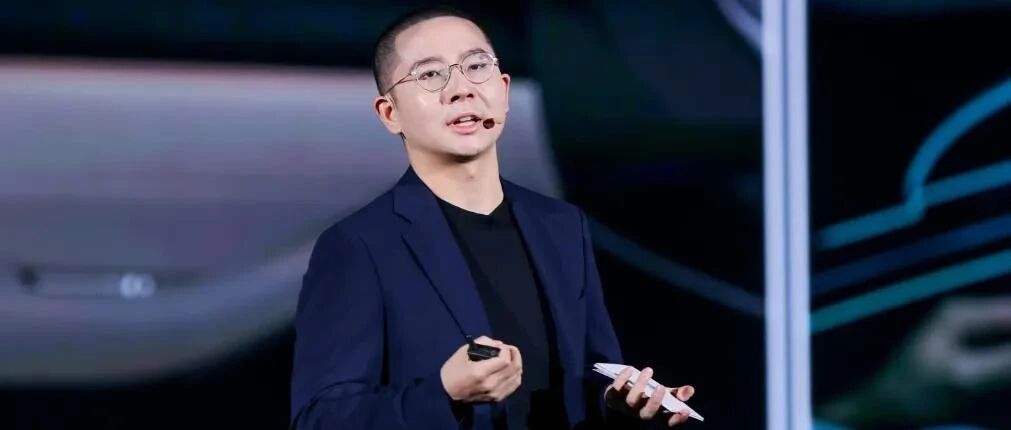
Core Viewpoint - The appointment of Yin Qi as chairman of Jiyue Xingchen and the completion of a B+ round financing exceeding 5 billion RMB signifies a strategic move in the AI industry, particularly in the integration of AI with physical applications like automotive technology [6][11]. Group 1: Company Developments - Yin Qi, co-founder of Megvii Technology, has taken on dual leadership roles, overseeing both Jiyue Xingchen, a major player in AI models, and Qianli Technology, which focuses on AI applications in vehicles [6][11]. - Jiyue Xingchen has been recognized as a significant contender in the AGI sector since its establishment in 2023, attracting top talent and achieving notable success with its Step series models [13][21]. - The collaboration between Qianli Technology and Jiyue Xingchen aims to create a comprehensive ecosystem from foundational models to practical applications, enhancing the deployment of AI capabilities in the physical world [11][21]. Group 2: Market Context - The AI model startup landscape in China is diversifying, with companies like Mini Max and Zhipu achieving public listings and focusing on different market segments, indicating a clear differentiation in strategies [19]. - Despite the advancements, all companies in the AI sector face the challenge of achieving self-sustaining business models, emphasizing the need for practical applications and revenue generation [19][21]. - The integration of AI capabilities into hardware, particularly in smart vehicles, is seen as a promising avenue for growth, with Qianli Technology leading initiatives in intelligent driving and related technologies [18][21].

B+轮融资刷新 AI 行业记录!这家大模型公司凭啥融这么多钱?
佩妮Penny的世界· 2026-01-26 04:05
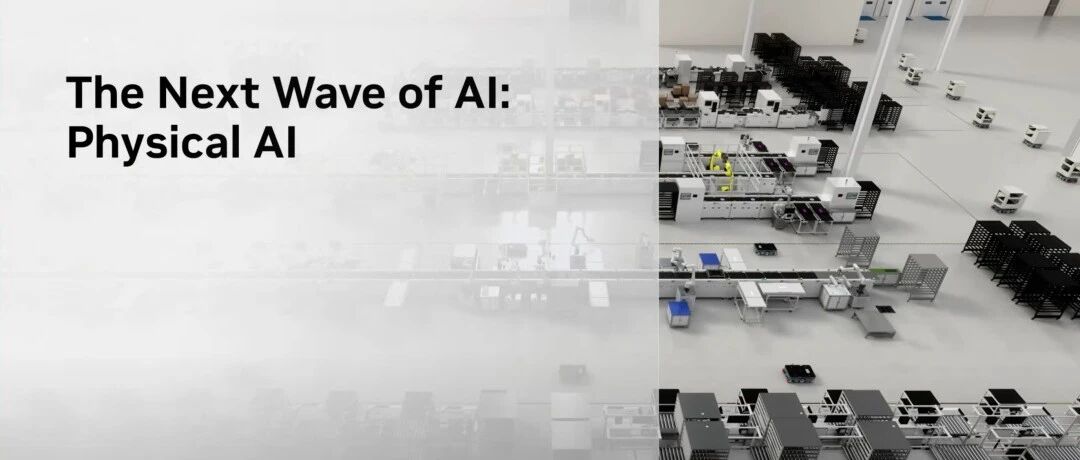
Core Viewpoint - The article discusses the current landscape of domestic AI companies, particularly focusing on the potential of the company "阶跃星辰" (Step O) in the AI and hardware integration space, highlighting its recent funding success and strategic positioning in the market [1][3][4]. Group 1: Company Overview - Currently, there are four notable domestic AI companies: 智谱 (Zhipu), Minimax, 月之暗面 (Moon's Dark Side), and 阶跃星辰 (Step O) [1]. - 阶跃星辰 has recently secured over 5 billion RMB in B+ round financing, marking the highest single financing record in the large model sector over the past 12 months [1][3]. - The company is perceived as a low-profile player, focusing on technology and industry rather than consumer-facing marketing [5]. Group 2: Investment Landscape - The investment landscape for 阶跃星辰 includes notable backers such as Tencent and Qiming Venture Partners, indicating strong support from both internet giants and professional financial investors [4]. - The funding round attracted a diverse range of investors, including industry leaders like 华勤技术 (Huaqin Technology) and state-owned enterprises, showcasing a blend of market-driven and state-backed investment [4]. Group 3: Industry Trends - The article emphasizes the shift towards "Physical AI," which integrates AI capabilities with physical hardware, as a significant trend in the industry [8][10]. - The focus on AI-enhanced hardware, particularly in smartphones and vehicles, is highlighted as a key area for growth, with predictions of substantial market expansion in AI-enabled devices [13][15]. Group 4: Business Model and Market Position - 阶跃星辰 aims to create a comprehensive AI + terminal solution, positioning itself similarly to Tesla's approach, targeting a multi-billion dollar market opportunity [7][15]. - The company has established partnerships with over 60% of domestic smartphone manufacturers, indicating a strong market presence and integration of its AI models into various devices [15][23]. - The business model is based on a combination of one-time engineering fees and API consumption, aligning incentives for both 阶跃星辰 and its partners to enhance user experience [23]. Group 5: Team and Leadership - 阶跃星辰's leadership team includes experienced professionals from major tech companies, enhancing its capability in AI and product development [24][27]. - The CEO, a former global vice president at Microsoft, brings significant expertise in natural language processing and product management, which is crucial for the company's growth [24]. - The team’s focus on Physical AI and deep integration with hardware sets 阶跃星辰 apart from other AI companies, positioning it as a leader in the domestic market [27][28].
长期展望:机器人- 实体 AI 与工业机器人复兴的下一阶段-The Long View_ Robotics -- Physical AI and the next phase of industrial Robot Renaissance
2026-01-26 02:49
Summary of the Conference Call on Robotics and Physical AI Industry Overview - The discussion centers around the **industrial robotics industry**, highlighting a significant shift in adoption since 2020, referred to as a **Robot Renaissance** [1][16]. - The industry is experiencing a new phase driven by advancements in **AI**, which is expected to elevate the **compound annual growth rate (CAGR)** to the low-teens and significantly increase the **total addressable market (TAM)** [1]. Key Points and Arguments - The original Robot Renaissance transitioned from **pre-programmed, fixed paths** to **real-time flexible path planning**, enabling applications like **machine tending, palletizing, and smart welding** [2][6]. - The next phase will focus on **complex task planning**, allowing robots to perform tasks requiring higher cognitive functions, such as **long-sequence, high dexterity tasks** and **collaborations between machines and humans** [2][6]. - Without these advancements, growth in the industrial robot sector would likely slow to single digits. The forecast predicts a **10-year CAGR of 12%**, sustaining beyond the next decade [2][11]. - There is a notable variance in **robot penetration** across different industries, indicating significant growth potential as enhanced flexibility in robots narrows this gap [2][6]. Technological Insights - **Physical AI** is identified as the enabling technology for the new Robot Renaissance, comprising a multi-layer AI ecosystem that includes: 1. **Robots and their digital twins** 2. **Task/path planning software** powered by multimodal AI 3. **Sensors** for collecting physical data 4. **Digital representations of environments** for simulating interactions [3][30]. - The demand for **sensors**, both vision and non-vision, is expected to rise significantly to support advanced robotic functions [4][38]. Industry Players and Collaborations - Key beneficiaries of the trends in physical AI include **FANUC, Keyence, and Mech-Mind** [5][35]. - Leading robot manufacturers like **FANUC** are expanding into the **brain layer** of physical AI and seeking collaborations, as evidenced by their recent partnerships with **NVIDIA** and the adoption of **ROS2** [4][38]. Investment Implications - The report recommends an **Outperform** rating for companies such as **FANUC, Keyence, Inovance, Cognex, Hikvision, and Harmonic Drive**, while suggesting a **Market Perform** rating for **Estun** [51]. Additional Insights - The report emphasizes that while **Physical AI** expands robot capabilities, it does not disrupt existing robot manufacturers, as the core motion control algorithms remain essential [4][38]. - The distinction between the **"brain"** and **"world"** models is crucial, with different players serving each layer, which is often misunderstood [4][38]. - The report highlights the importance of **sensor technology** in enhancing robotic task planning and building the digital environment models [4][38]. This summary encapsulates the key insights and implications from the conference call regarding the industrial robotics sector and the transformative role of physical AI.


机器人动态:硅谷 RoboFest 峰会要点- 自动驾驶迎来 “AlphaGo 时刻”-Rowdy Robot-RoboFest Silicon Valley Takeaways, 'AlphaGo' Moment for AVs
2026-01-26 02:49
Summary of Key Points from the Conference Call Industry Overview - The conference focused on advancements in the robotics and autonomous vehicle (AV) sectors, particularly in North America, highlighting the importance of AI-enabled consumer electronics manufacturing for competitiveness in commercial, industrial, and military applications [1][2]. Core Insights - **RoboFest Event**: The event showcased various firms pushing the boundaries of physical AI, emphasizing the need for the U.S. to lead in AI-enabled manufacturing [1]. - **Autonomous Construction**: Bedrock Robotics highlighted the significance of autonomous construction equipment, suggesting that human progress will depend on the ability to move earth and build structures efficiently [4]. - **Cobot Technology**: The potential of collaborative robots (cobots) was discussed, focusing on their ability to solve simple problems and gather data quickly [4]. - **Joby Aviation**: The company demonstrated pilotless electronic vertical take-off and landing flights, indicating advancements in urban air mobility [4]. - **Warehouse Automation**: Mytra's technology for warehouse automation was noted as a high ROI opportunity, capable of lifting heavy pallets efficiently [4]. - **Consumer AI**: Wayve's approach to consumer-owned AI-enabled autonomy was highlighted, with legacy OEMs taking notice of its potential [4]. - **Tesla's Robotaxi**: Tesla's decision to operate robotaxis without a driver, relying solely on cameras, was described as an 'AlphaGo moment' for autonomy, indicating a significant shift in the industry [4][5]. Market Dynamics - **Insurance Industry Impact**: The move by Lemonade AV insurance to price autonomous driving risk similarly to human driving risk could lead to a significant increase in AV adoption, as insurance companies base pricing on data rather than emotions [5]. - **Hyundai's Stock Performance**: Hyundai's shares increased by 70% year-to-date, driven by excitement around humanoid robotics, showcasing the untapped potential in unique datasets and advanced manufacturing beyond traditional automotive applications [5]. Additional Insights - **Investment Opportunities**: The discussions indicated a growing interest in robotics and autonomous technologies, suggesting potential investment opportunities in companies that are innovating in these areas [4][5]. - **Global Movement**: The RoboFest event is part of a broader global movement, with future stops planned in Israel, Los Angeles, Austin, and Miami, indicating the international interest in robotics [2]. Conclusion - The conference highlighted the transformative potential of robotics and autonomous vehicles, with significant implications for various industries, including construction, transportation, and insurance. The advancements in technology and shifts in market dynamics present both opportunities and challenges for investors and companies in these sectors.
38岁姚班天才,又有了新身份
3 6 Ke· 2026-01-26 02:22
Core Insights - The AI industry in China is witnessing a clear division among leading companies, particularly with the recent appointment of Yin Qi as chairman of the AI startup Jumpspace, while also leading Qianli Technology [1][6]. Group 1: Leadership and Strategic Moves - Yin Qi, co-founder of Megvii and now chairman of Qianli Technology, has taken on the role of chairman at Jumpspace, indicating a strategic focus on integrating AI with physical products [1][3]. - Jumpspace, founded in 2023, is recognized as a significant player in the AGI sector, attracting top talent and achieving notable success in international model evaluations [3][5]. Group 2: Company Developments and Collaborations - Qianli Technology has been actively collaborating with Geely and has launched the "Qianli Haohan" intelligent driving system, marking its entry into commercial solutions [5][6]. - The recent launch of the G-ASD brand at CES 2026 signifies Qianli's commitment to bringing its intelligent driving solutions to market [5]. Group 3: Industry Trends and Challenges - The AI model industry is facing challenges, including a lack of real-world applications and data, while terminal companies require advanced AI capabilities [7]. - The combination of Jumpspace's AI expertise and Qianli's engineering capabilities is expected to enhance the practical application of AI technologies in vehicles and robotics [7][6]. Group 4: Personal Background and Vision - Yin Qi's background in software and sensor research reflects a strong interest in the intersection of AI and the physical world, emphasizing a long-term vision for practical applications [7][8]. - Despite past commercial challenges, Yin Qi maintains a consistent judgment approach, focusing on delivering clear customer and business value [8].
'HUGE BREAKTHROUGHS': NVIDIA CEO reveals future of AI
Youtube· 2026-01-26 01:00
Core Insights - The demand for Nvidia's chips is surging, with a backlog exceeding $500 billion, indicating strong market interest and growth potential for the company [1][2] - Nvidia is making significant advancements in AI technology, particularly in areas like physical AI, which enhances understanding of the world and has applications in self-driving cars and robotics [3][4] - The company is focused on improving energy efficiency and reducing costs, with new chips being ten times more energy efficient and lower in cost compared to previous generations [4][5] Industry Trends - The AI sector is expanding into various fields, including healthcare and drug discovery, which is driving demand for advanced semiconductor solutions [2] - The competition in the AI chip market is intensifying, with numerous companies, including Chinese firms, entering the space and raising substantial capital [5][6] - The overall infrastructure investment in AI is projected to reach $85 trillion over the next 15 years, marking it as potentially the largest infrastructure buildout in history [8][9] Market Dynamics - Nvidia's GPUs are in high demand, with all available units currently rented out across major cloud platforms, indicating robust market conditions [11][12] - The rising spot prices for GPUs suggest a strong demand trajectory, further supporting the notion that the market is not in a bubble despite concerns about excessive borrowing for AI investments [10][11] - The company aims to maintain a competitive edge in the AI race by excelling across all layers of the AI stack, from energy to applications [6][7]


千架无人机点亮CES夜空:36氪与同创伟业共塑出海报道新模式
36氪· 2026-01-24 09:09
Core Viewpoint - The article highlights the innovative reporting model at CES 2026, showcasing a collaboration between 36Kr and Tongchuang Weiye, which integrates deep reporting, on-site perspectives, and drone technology to enhance coverage of tech events and companies [3][8]. Group 1: Reporting Innovation - 36Kr maintains a timely, in-depth, and cutting-edge reporting style, capturing the latest trends in the tech industry and identifying potential startups with technological capabilities [3][5]. - The collaboration with Tongchuang Weiye and the "Shanpai" column allows for a unique on-site perspective, bringing real-time insights from Las Vegas to domestic audiences [7][8]. - The use of drones for live reporting represents a breakthrough in tech media, providing a fresh and immersive experience for viewers [8][12]. Group 2: Chinese Companies at CES - Chinese startups demonstrated significant advantages in the smart home cleaning sector, leveraging strong R&D and product capabilities to gain market presence [5]. - Approximately 20 Chinese humanoid robot companies participated in CES, surpassing the total from the US, Japan, South Korea, Germany, and the UK combined, indicating China's leadership in the Physical AI era [5][12]. - 36Kr's reporting serves as a window for Chinese brands to reach international markets while also guiding domestic users in understanding global tech trends [5][8]. Group 3: Drone Technology and New Media - The event featured a spectacular drone show by DAMODA, showcasing a V4 system that represents a global first in automated drone charging and performance [10][14]. - The drone displays utilized cultural symbols to create a visually impactful experience, indicating a shift towards a new form of media that transcends language and cultural barriers [12][14]. - This new aerial media format is adaptable to current communication environments, allowing for simultaneous online content generation and extensive social media sharing [12][14]. Group 4: Future Prospects - The conclusion of CES 2026 marks the beginning of a new wave of technological competition and innovation, with expectations for continued collaboration between 36Kr and Tongchuang Weiye in future events [14]. - The partnership aims to deepen content innovation and support entrepreneurial ventures, positioning itself at the forefront of technological advancements [14].

2 AI Stocks to Buy Before They Soar to $20 Trillion, According to Wall Street Experts
The Motley Fool· 2026-01-24 08:40
Core Insights - Nvidia and Tesla are positioned to deliver significant returns for shareholders due to their involvement in the AI revolution [1][2] - Experts predict that the combined market value of Nvidia and Tesla could reach at least $20 trillion in the future [2] Nvidia - Nvidia's GPUs are the industry standard for AI infrastructure, accounting for approximately 85% of AI accelerator sales in 2025, with expectations of maintaining this dominance [4][5] - The company employs a "full-stack" approach to accelerated computing, integrating hardware and software to provide the lowest total cost of ownership for customers [4][5] - Nvidia's data center GPU sales are projected to grow at an annual rate of 36% through 2033, with adjusted earnings expected to increase at 38% annually over the next three years [6][7] - Analyst Beth Kindig predicts Nvidia could reach a market value of $20 trillion by 2030, implying a potential upside of about 340% from its current market value of $4.5 trillion [8] Tesla - Tesla's current market value is $1.5 trillion, with CEO Elon Musk suggesting it could reach $25 trillion, indicating a potential upside of approximately 1,560% [8][10] - Despite losing its status as the global leader in electric vehicle sales, Tesla's investment thesis now focuses on physical AI, including autonomous vehicles and humanoid robots [10][12] - Tesla's full self-driving (FSD) software is set to expand into new markets, with plans for monetization through subscriptions and autonomous ride-sharing services [11] - The robotaxi market is expected to grow at 99% annually through 2033, while humanoid robot sales are projected to increase at 54% annually through 2035 [13] - Musk claims Tesla's expertise in physical AI is unmatched, but the stock's valuation remains challenging due to struggles in the core electric car business and execution risks in new AI ventures [14][15]

These Analysts Cut Their Forecasts On Mobileye Global After Q4 Results
Benzinga· 2026-01-23 16:43
Group 1 - Mobileye Global Inc. reported a 9% year-on-year decline in quarterly revenue to $446 million, exceeding analyst consensus estimates of $432.329 million [1] - EyeQ volumes decreased by 11% in the quarter due to demand-supply imbalances, resulting in tighter inventory levels at Tier 1 customers [1] - The adjusted EPS of 6 cents was in line with analyst consensus estimates [1] Group 2 - CEO Prof. Amnon Shashua stated the company's goal is to lead in Physical AI for autonomous vehicles and humanoid robotics, with a focus on cost-efficient, single-ECU hands-free systems and self-driving technology for commercial robotaxi services [2] - Mobileye anticipates fiscal 2026 revenue between $1.90 billion and $1.98 billion, compared to the analyst consensus estimate of $1.881 billion [2] Group 3 - Following the earnings announcement, Mobileye shares fell by 5.4% to $9.94 [3] - Analysts adjusted their price targets for Mobileye, with Needham lowering it from $18 to $16 while maintaining a Buy rating, Canaccord Genuity lowering it from $30 to $24 with a Buy rating, and RBC Capital lowering it from $14 to $13 while maintaining a Sector Perform rating [4]


机器人长期展望:物理 AI 与工业机器人复兴的下一阶段-The Long View Robotics -- Physical AI and the next phase of industrial Robot Renaissance
2026-01-23 15:35
Summary of the Conference Call on Robotics and Physical AI Industry Overview - The discussion centers around the **industrial robotics industry**, highlighting a significant shift in adoption since 2020, referred to as a **Robot Renaissance** [1][16]. - The industry is experiencing a new phase driven by advancements in **AI**, which is expected to elevate the **CAGR** (Compound Annual Growth Rate) to the low-teens and significantly increase the long-term **TAM** (Total Addressable Market) [1][2]. Key Points and Arguments Evolution of Robotics - The original Robot Renaissance involved a transition from **pre-programmed, fixed paths** to **real-time flexible path planning**, enabling applications like machine tending, palletizing, and smart welding [2][6]. - The next phase focuses on **complex task planning**, allowing for high dexterity tasks and deeper collaborations between machines and humans [2][6]. - Without these advancements, growth in the industrial robot sector would likely slow to single digits; however, the forecasted ten-year CAGR is expected to accelerate to **12%** [2][11]. Role of Physical AI - **Physical AI** is described as a multi-layer AI ecosystem that enhances robot capabilities without disrupting existing robot manufacturers [3][4]. - The ecosystem includes: 1. Robots and their **digital twins** 2. **Task/path planning software** powered by multimodal AI 3. **Sensors** for collecting physical data 4. A **digital representation** of the environment for simulating interactions [3][30]. Market Dynamics - Demand for **sensors**, both vision and non-vision, is expected to rise significantly, supporting advanced robotic task planning and the development of "world models" [4][38]. - Leading companies like **FANUC** are expanding into the "brain" layer of Physical AI while seeking collaborations in both the "brain" and "world" layers [4][38]. Key Beneficiaries - Major beneficiaries of the trends in industrial robotics include **FANUC**, **Keyence**, and **Mech-Mind** (the latter being a private company) [5][35]. - The report recommends an **Outperform** rating for FANUC, Keyence, Inovance, Cognex, Hikvision, and Harmonic Drive, while suggesting a **Market Perform** rating for Estun [51]. Additional Insights - The report emphasizes the **variance in robot penetration** across different industries, indicating significant growth potential in sectors with low automation adoption rates [2][19]. - The integration of **NVIDIA's technology** with FANUC's systems is highlighted as a strategic move to enhance simulation capabilities in production environments [49]. Conclusion - The industrial robotics sector is poised for substantial growth driven by advancements in Physical AI and complex task planning, with key players positioned to benefit from these trends. The forecasted CAGR of **12%** over the next decade reflects the optimistic outlook for the industry [2][11].