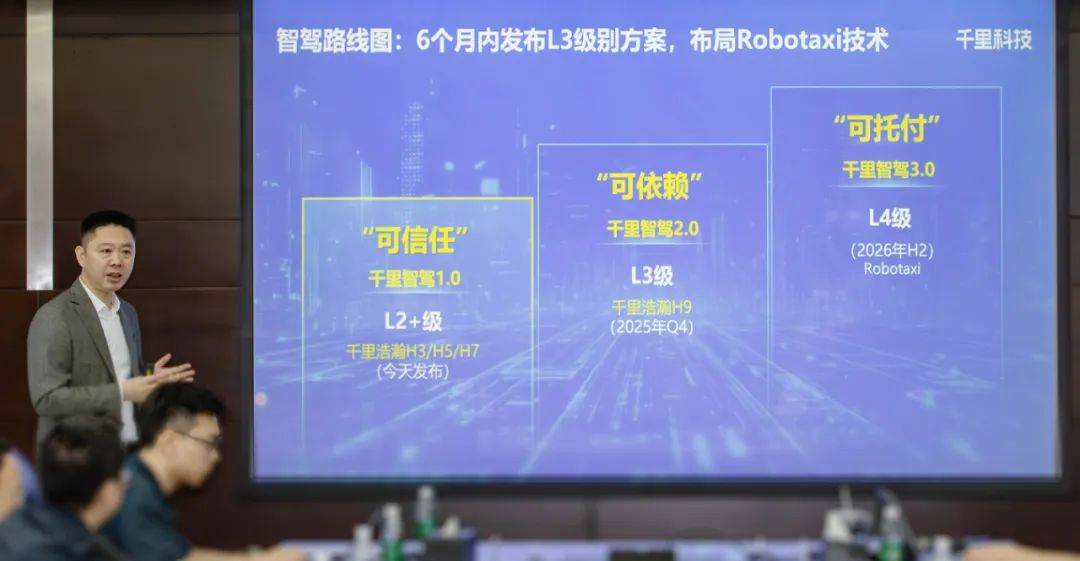
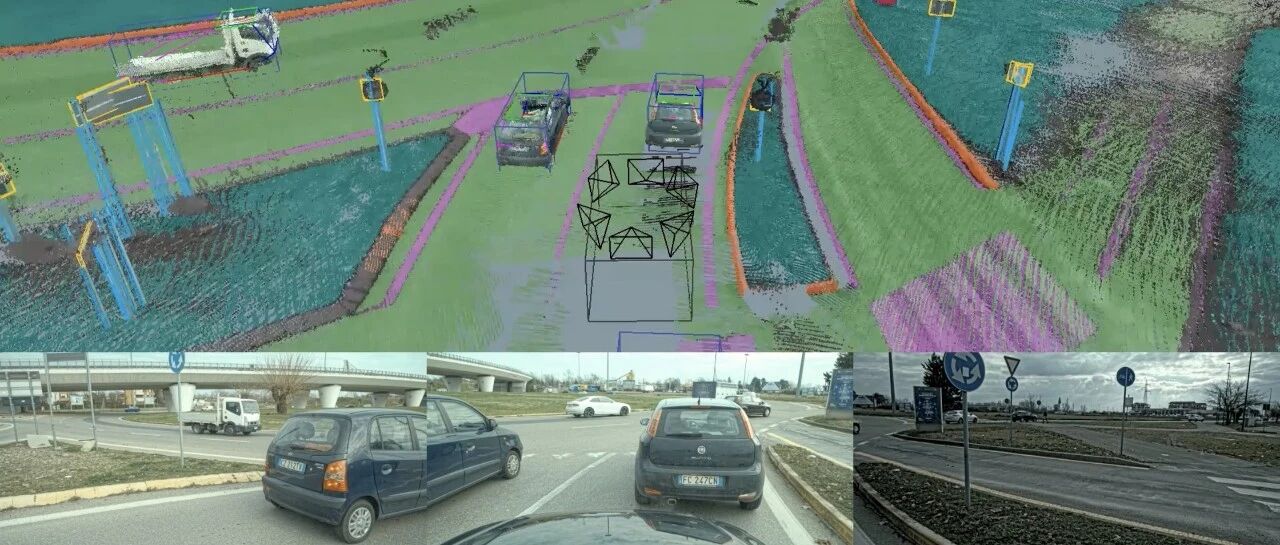
千里浩瀚智驾系统

Search documents
李书福加持、资本热捧,“中国版马斯克”横空出世?
3 6 Ke· 2026-02-10 23:31
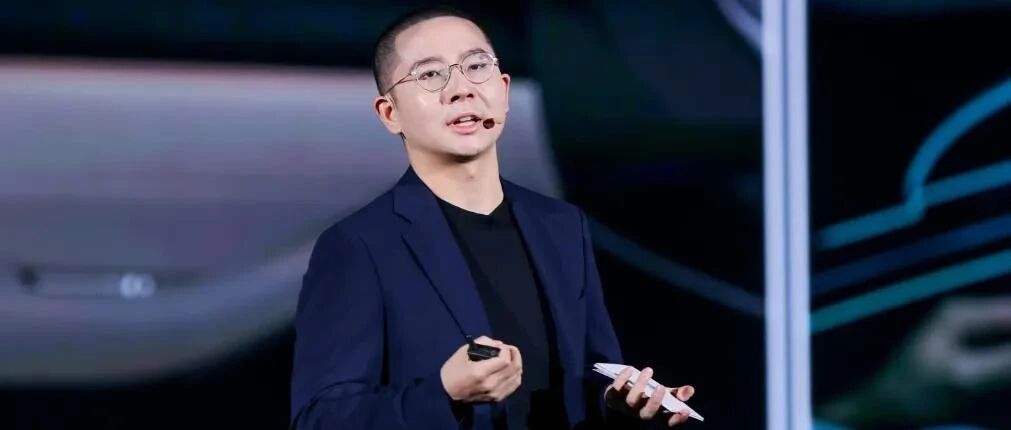
Core Insights - The article discusses the emergence of a new player in the AI industry, particularly focusing on the leadership of Yin Qi at Jieli Technology and the launch of the new model Step 3.5 Flash by Jiyue Xingchen, which aims to integrate AI into the physical world [2][9][35] Group 1: Industry Trends - The domestic large model sector is experiencing intense competition, with major players releasing new model versions and engaging in aggressive talent acquisition, including a combined investment of 4.5 billion yuan for recruitment during the Spring Festival [2] - The current landscape indicates a shift towards physical AI, as companies like OpenAI and Google are investing in robotics and integrating AI into hardware, marking a transition from virtual to physical applications of AI [4][28] Group 2: Company Developments - Jiyue Xingchen, under Yin Qi's leadership, is the only company in China focusing on both large models and terminal applications, aiming to bring AI into the physical world [2][9] - The company has secured 5 billion yuan in B+ round financing, setting a record for the largest single financing in the Chinese large model sector in the past year [9][25] Group 3: Leadership and Vision - Yin Qi, a veteran in the AI field, has shifted his focus from his previous company, Megvii, to the automotive sector, believing that AI combined with vehicles represents a significant opportunity for growth [9][12][28] - His strategy emphasizes the importance of profitability and creating a closed-loop system for AI applications, which he believes is essential for long-term success [14][25] Group 4: Technological Innovations - Jiyue Xingchen's new model, Step 3.5 Flash, is designed for intelligent agents, offering low latency and high-speed capabilities, which are crucial for applications in autonomous driving and smart cabins [26][29] - The company has achieved deep compatibility with several domestic AI chip manufacturers, ensuring a closed-loop for domestic computing power [27] Group 5: Market Positioning - The collaboration between Jiyue Xingchen and Jieli Technology aims to create a comprehensive intelligent driving system, which has already been implemented in over 300,000 vehicles [29] - Yin Qi's approach focuses on partnering with leading automotive companies to establish a strong market presence and build a data-driven feedback loop for continuous improvement [32]

超50亿融资!38岁姚班天才,又有了新身份
创业邦· 2026-01-26 04:09
Core Viewpoint - The appointment of Yin Qi as chairman of Jiyue Xingchen and the completion of a B+ round financing exceeding 5 billion RMB signifies a strategic move in the AI industry, particularly in the integration of AI with physical applications like automotive technology [6][11]. Group 1: Company Developments - Yin Qi, co-founder of Megvii Technology, has taken on dual leadership roles, overseeing both Jiyue Xingchen, a major player in AI models, and Qianli Technology, which focuses on AI applications in vehicles [6][11]. - Jiyue Xingchen has been recognized as a significant contender in the AGI sector since its establishment in 2023, attracting top talent and achieving notable success with its Step series models [13][21]. - The collaboration between Qianli Technology and Jiyue Xingchen aims to create a comprehensive ecosystem from foundational models to practical applications, enhancing the deployment of AI capabilities in the physical world [11][21]. Group 2: Market Context - The AI model startup landscape in China is diversifying, with companies like Mini Max and Zhipu achieving public listings and focusing on different market segments, indicating a clear differentiation in strategies [19]. - Despite the advancements, all companies in the AI sector face the challenge of achieving self-sustaining business models, emphasizing the need for practical applications and revenue generation [19][21]. - The integration of AI capabilities into hardware, particularly in smart vehicles, is seen as a promising avenue for growth, with Qianli Technology leading initiatives in intelligent driving and related technologies [18][21].
38岁姚班天才,又有了新身份
3 6 Ke· 2026-01-26 02:22
Core Insights - The AI industry in China is witnessing a clear division among leading companies, particularly with the recent appointment of Yin Qi as chairman of the AI startup Jumpspace, while also leading Qianli Technology [1][6]. Group 1: Leadership and Strategic Moves - Yin Qi, co-founder of Megvii and now chairman of Qianli Technology, has taken on the role of chairman at Jumpspace, indicating a strategic focus on integrating AI with physical products [1][3]. - Jumpspace, founded in 2023, is recognized as a significant player in the AGI sector, attracting top talent and achieving notable success in international model evaluations [3][5]. Group 2: Company Developments and Collaborations - Qianli Technology has been actively collaborating with Geely and has launched the "Qianli Haohan" intelligent driving system, marking its entry into commercial solutions [5][6]. - The recent launch of the G-ASD brand at CES 2026 signifies Qianli's commitment to bringing its intelligent driving solutions to market [5]. Group 3: Industry Trends and Challenges - The AI model industry is facing challenges, including a lack of real-world applications and data, while terminal companies require advanced AI capabilities [7]. - The combination of Jumpspace's AI expertise and Qianli's engineering capabilities is expected to enhance the practical application of AI technologies in vehicles and robotics [7][6]. Group 4: Personal Background and Vision - Yin Qi's background in software and sensor research reflects a strong interest in the intersection of AI and the physical world, emphasizing a long-term vision for practical applications [7][8]. - Despite past commercial challenges, Yin Qi maintains a consistent judgment approach, focusing on delivering clear customer and business value [8].
一个普通自动驾驶算法工程师的2025年
自动驾驶之心· 2026-01-15 12:28
Core Viewpoint - The article discusses the significant advancements in the autonomous driving industry in 2025, focusing on the evolution of L2, L3, and L4 levels of autonomous driving technology, highlighting both the opportunities and challenges faced by the industry [3][11]. Group 1: L2 Level Developments - In 2025, L3 autonomous driving technology began to gain regulatory approval, leading to a decline in the previously popular "L2++" concept, with all consumer-facing smart driving functions now categorized as L2 [6][8]. - BYD initiated the "smart driving equality" movement by integrating its self-developed "Tian Shen Zhi Yan" system into lower-priced models, making advanced features accessible to more consumers [8]. - Traditional automakers like Geely and Chery followed suit, expanding mid-level assisted driving features to a broader market, contributing to a wave of widespread smart driving adoption [8][10]. - The market saw an increase in domestic smart driving suppliers like Momenta expanding into overseas markets, securing contracts with established automakers [8][10]. Group 2: L3 Level Developments - The end of 2025 marked a turning point for L3 autonomous driving, with the Ministry of Industry and Information Technology granting approval for the first L3 conditional autonomous driving models, including the BAIC Arcfox Alpha S and Changan Deep Blue SL03 [12][14]. - These models can operate under specific conditions, with the Arcfox capable of speeds up to 80 km/h on designated roads, marking a significant shift in responsibility from drivers to manufacturers and system suppliers [14][15]. - The approval of L3 technology is expected to reshape the industry landscape, potentially becoming a benchmark for measuring the leading players in the autonomous driving sector in 2026 [15]. Group 3: L4 Level Developments - 2025 was a pivotal year for L4 autonomous driving, witnessing a resurgence in capital investment and the beginning of commercial viability, with companies like Pony.ai and WeRide going public and raising significant funds [16][17]. - L4 technology demonstrated its commercial potential in specific applications, such as autonomous mining trucks and urban delivery vehicles, achieving operational efficiencies and cost reductions [19][23]. - The industry consensus shifted from a focus on technological idealism to practical commercial applications, emphasizing the importance of production capabilities and operational efficiency [23]. Group 4: Industry Insights and Future Outlook - The article emphasizes the need for continuous learning and adaptation within the autonomous driving sector, as technological advancements and market dynamics evolve rapidly [24][29]. - The growing application of autonomous driving technology across various urban and logistical scenarios in China reflects the country's leadership in the global autonomous driving landscape [29].

2025汽车智能化复盘:从狂热到理性的转折之年
3 6 Ke· 2026-01-05 08:43
Core Insights - The year 2025 is seen as a watershed moment for automotive intelligence, with significant advancements in smart driving technology and regulatory frameworks [1][3] - The concept of "smart driving equity" is introduced, allowing vehicles priced at 70,000 yuan to feature advanced driving assistance systems, thus redefining market standards [5][20] - The industry is experiencing a shift from high-end exclusive features to more accessible smart driving technologies across various vehicle price segments [3][5] Group 1: Technological Advancements - BYD's "smart driving equity" initiative includes the launch of the "Tianshen Eye" system across its entire range, from 69,800 yuan to luxury models, challenging the notion that smart driving is only for high-end vehicles [5] - Major AI models like DeepSeek and Huawei's Pangu are being integrated into vehicles, enhancing user interaction through semantic understanding and proactive service capabilities [7] - The introduction of the Huawei ADS 4.0 system marks a significant regulatory compliance breakthrough, enabling conditional Level 3 autonomous driving on highways [10] Group 2: Regulatory Developments - The tragic accident involving a Xiaomi SU7 led to the establishment of the strictest Level 2+ smart driving regulations, mandating clear labeling of system capabilities and prohibiting misleading advertising [8] - The release of the "Automotive Industry Stabilization Growth Work Plan (2025-2026)" officially opens the door for Level 3 autonomous driving under specific conditions, establishing a framework for responsibility and insurance [14] Group 3: Market Dynamics - China's new energy vehicle penetration rate exceeded 50% in 2025, with exports reaching 4.95 million units, significantly outpacing Japan's 3.06 million units [20] - The integration of high-level smart driving and intelligent cockpit features in exported vehicles is becoming a key factor for international consumers [20] - The automotive industry is transitioning from a focus on technological showcases to scalable implementations, with smart driving technologies extending beyond urban environments to industrial applications [22]
江小妹观察│国产GPU“四小龙”密集上市 抢占“中国版英伟达”
Sou Hu Cai Jing· 2025-12-26 13:50
Core Insights - The domestic GPU industry is experiencing a capital boom, highlighted by the IPOs of companies like Moer Technology and Muxi Co., which have seen significant stock price increases and market valuations [1][2][3] - This surge is driven by a systemic transformation in the industry, propelled by national strategy, demand for AI capabilities, and local ecosystem support, positioning GPUs as critical assets in the AI era [4][5] Group 1: Market Developments - Moer Technology became the first domestic GPU stock to list on the STAR Market, reaching a peak price of 941.08 yuan per share, with a market cap exceeding 440 billion yuan [1] - Muxi Co. followed closely, listing on the STAR Market and experiencing an opening surge of over 568%, marking it as one of the most profitable new stocks in A-share history [2] - Other companies like Birun Technology and Suyuan Technology are also entering the market, collectively referred to as the "Four Little Dragons" of domestic GPUs [3] Group 2: Industry Context - The rapid development of domestic GPU companies is crucial as they address the high demand for computing power in AI, which has been historically reliant on imported high-end GPUs [5][6] - The increasing number of AI model developments and the establishment of regional intelligent computing centers across major cities in China reflect a growing ecosystem for AI applications [5] Group 3: Regional Advantages - Chongqing is emerging as a hub for AI applications, leveraging its comprehensive industrial base to provide a testing ground for AI deployment [9][11] - The city has launched initiatives to enhance its AI capabilities, aiming for over 80% application penetration of intelligent systems by 2027 [11] Group 4: Future Projections - The Chinese GPU market is projected to reach 1.36 trillion yuan by 2029, indicating a significant growth trajectory for domestic GPU companies [15] - The demand for GPUs is expected to grow exponentially due to the increasing integration of AI in various sectors, transforming computing power into a new form of production resource [17]


AD智驾的2025年:监管刹车、技术狂飙,“地大华魔”四雄争霸
3 6 Ke· 2025-12-11 09:55
Core Insights - The automotive industry in 2025 has seen a significant shift towards safety and responsibility, moving away from exaggerated claims about autonomous driving technology [1][3] - The Chinese Ministry of Industry and Information Technology has banned the term "autonomous driving," leading to a more realistic portrayal of the technology by car manufacturers [3][5] Industry Developments - The narrative around autonomous driving has changed, with companies now focusing on "assisted driving" and "intelligent driving assistance" instead of "autonomous driving" [3][5] - The industry is characterized by two main trends: advancement in technology and democratization of intelligent driving [5][11] Key Players and Innovations - Xiaopeng Motors has introduced a second-generation VLA model that eliminates the "middleman" in the translation process, allowing for direct machine understanding of physical environments [6][7] - BYD launched the "Tian Shen Zhi Yan" high-level intelligent driving system, targeting the 100,000 yuan market with various versions, including features like highway NOA and automatic parking [11][13] - Geely has also entered the market with its own intelligent driving system, offering multiple versions with varying capabilities [11][13] Competitive Landscape - Tesla's role has evolved, with Chinese companies no longer viewing it as the sole leader in intelligent driving technology [13][14] - Horizon Robotics has gained traction with its end-to-end architecture and aims to make urban NOA widely available, achieving significant market share in the autonomous driving sector [19][21] - DJI's subsidiary, Zhuoyue Technology, has focused on practical applications and has made strides in the European market, showcasing its capabilities in urban NOA [22][24] Strategic Collaborations - Huawei has formed numerous partnerships across the automotive industry, providing comprehensive intelligent driving solutions to various manufacturers [25][28] - Momenta has expanded its collaboration network significantly, working with multiple brands to implement its driving assistance solutions [29][31] Challenges and Future Outlook - Despite advancements, the industry faces challenges related to user trust and the potential for misuse of autonomous driving systems [33][34] - The ongoing evolution of intelligent driving technology is expected to continue, with a focus on making it accessible to a broader market while addressing safety and ethical concerns [35][36]
机器人明星公司原地解散,创始人是吉利李书福儿子
3 6 Ke· 2025-10-17 13:08
Core Viewpoint - OneStar Robotics, a company founded just five months ago, has disbanded despite securing hundreds of millions in angel funding last month, raising questions about its rapid downfall and the implications for its high-profile founders and investors [1][2][13]. Company Overview - OneStar Robotics was established by Li Xingxing, son of Geely's founder Li Shufu, and its chairman Pan Yunbin is the CEO of Geely Semiconductor [1][9]. - The company had a strong research team, including Dr. Ding Yan, a prominent researcher from Shanghai AI Lab, who was appointed as CTO and co-founder [2][11]. Funding and Development - OneStar Robotics announced the completion of several hundred million yuan in angel round financing just a month before its disbandment [2][11]. - The company launched its first product, the "Star Wheel No. 1" dual-arm robot, within three months of its establishment, showcasing a practical approach to AI development [11][13]. Strategic Positioning - OneStar was viewed as a significant part of Geely's strategy to transition from an automotive company to a leading robotics firm globally [11]. - The company adopted a "reverse AI" strategy, focusing on real production tasks to derive algorithms and workflows, distinguishing it from other startups in the field [11]. Comparison with Other Companies - Geely's other AI venture, Qianli Technology, remains a focal point for the company, with significant investments and strategic importance in the smart driving and robotics sectors [14][16]. - Qianli Technology is currently preparing for an IPO in Hong Kong, contrasting sharply with OneStar's abrupt closure [16].



L4级解决方案明年年中发布 千里科技印奇:智驾系统将进入由AI驱动的全新阶段
Mei Ri Jing Ji Xin Wen· 2025-09-28 14:41
Core Insights - The article discusses the advancements and strategic partnerships of Qianli Technology in the field of intelligent driving, particularly focusing on the development of L4-level autonomous driving solutions and the establishment of a Robotaxi service platform [1][2]. Group 1: Company Developments - Qianli Technology is accelerating the development of L4-level intelligent driving solutions, with plans to launch by mid-next year [1]. - The company has partnered with Geely to develop a dedicated hardware platform for Robotaxi, emphasizing safety, convenience, and comfort [1]. - A new company, Qianli Zhijia, has been established with an investment of 1.5 billion yuan, aiming to be an independent supplier of intelligent automotive solutions [2]. Group 2: Strategic Partnerships - Qianli Technology and Geely have launched the "Qianli Haohan" intelligent driving system, which includes multiple levels to cater to different vehicle brands and price points within Geely [2]. - Geely's CEO has expressed the intention to leverage Qianli Zhijia to provide specialized services for intelligent driving, aiming for a platform-based approach to serve global automotive companies [2][3]. - The collaboration aims to replicate the success of Huawei's automotive business unit, with a focus on rapid iteration and competitive advantages in technology [3]. Group 3: Industry Context - The article highlights the increasing trend of automotive companies partnering with Huawei for intelligent driving solutions, with Huawei's products already integrated into over 1 million vehicles [4]. - The competitive landscape is shifting as more companies seek to align with successful models like Huawei's, raising the stakes for Qianli Technology and Geely in their quest to establish a similar presence in the market [4].

奔驰入股千里科技,后者系吉利投资
Sou Hu Cai Jing· 2025-09-25 06:03
Group 1 - The core point of the news is that Qianli Technology announced a share transfer agreement with Mercedes-Benz Digital Technology, following a failure by its major shareholder, Chongqing Lifan Holdings, to complete a stock pledge repurchase transaction [1] - Lifan Holdings will transfer a total of 136 million shares, representing 3.00% of the company's total share capital, at a price of 9.87 yuan per share, amounting to a total consideration of 1.339 billion yuan to repay related debts [1] - The acquisition by Mercedes-Benz Digital Technology is seen as a significant step in deepening Mercedes-Benz's strategic layout in China's intelligent vehicle market, potentially enabling Qianli Technology to provide smart driving technology support for new models launched by Mercedes-Benz in China [1] Group 2 - Qianli Technology, formerly Lifan Technology, focuses on the "AI + vehicle" core strategy, expanding into intelligent assisted driving and smart cockpit sectors, with Zhejiang Geely Holding Group as one of its major shareholders [2] - Qianli Technology has established a joint venture, Qianli Zhijia, with Geely, where each party holds a 30% stake, and Lotus holds 5%, resulting in Geely's effective ownership exceeding 60% [2] - The company has launched the Qianli Zhijia 1.0 intelligent assisted driving solution, which includes three versions with varying computing power, the flagship version boasting up to 700 TOPS for complex decision-making and interactions [2] Group 3 - Qianli Technology plans to release the L3-level intelligent driving solution, Qianli Zhijia 2.0, within the next six months, and aims to introduce the L4-level solution for Robotaxi scenarios, Qianli Zhijia 3.0, in the second half of 2026 [3] - Wang Jun, who joined Qianli Technology as co-president in June, has extensive experience in the intelligent automotive solutions sector, having previously held multiple senior positions at Huawei [3]