习近平法治思想

Search documents
讲好新时代中国法治故事!《法治的故事・智库说》下周一推出
Xin Lang Cai Jing· 2025-10-31 03:05
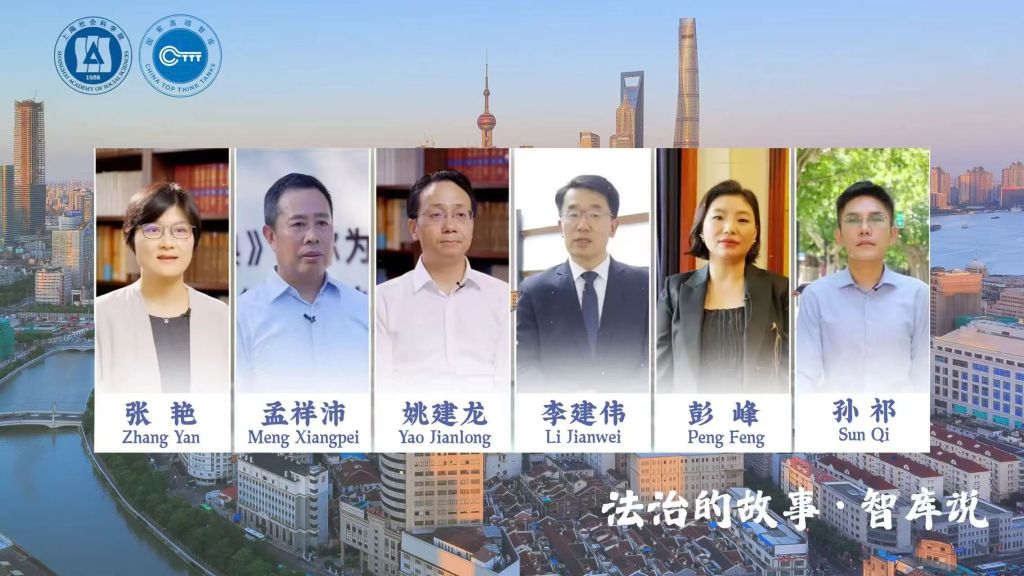
《法治的故事・智库说》系列视频共7集。 10月31日推出先导片,11月3日起每日更新一集。 为深入学习贯彻习近平法治思想,展现中国法治建设成就,践行国家高端智库使命担当,讲好新时代中国法治故事,彰显我国法治大国、文明大 国形象,在上海社会科学院党委的领导下,上海社会科学院法学研究所联合院党委宣传部、上海纪录片学院,共同拍摄制作了《法治的故事・智 库说》多语种系列短视频。 该系列视频以全球化视野和学术深度,由上海社会科学院6位法学专家结合亲身经历分别以中文、英文、日文、法文、德文和俄文六种语言,围绕 现代化的法治基石、法治化营商环境、民法典的温度、法治助推美丽中国、数字法治的中国表达、全球治理与国际法治等主题展开解读。视频内 容贴近实际、贴近生活,兼具思想性、故事性与传播性,旨在积极阐释习近平法治思想的理论内涵和实践伟力,进一步坚定法治自信,为中国式 现代化行稳致远营造有利法治条件和外部环境。 ...

推动法治宣传教育提质增效(权威发布)
Ren Min Ri Bao· 2025-10-30 22:37
Core Points - The National People's Congress Standing Committee has passed the Law on Legal Publicity and Education, effective from November 1, 2025, which aims to enhance legal awareness and education across the nation [1] - The law incorporates Xi Jinping's thoughts on the rule of law, establishing a political direction and theoretical guidance for legal publicity and education [1] - The law emphasizes the importance of legal education for all citizens and aims to improve the quality and effectiveness of legal publicity efforts [1] Group 1 - The Law on Legal Publicity and Education is a foundational work for comprehensive rule of law in China, promoting innovation and quality improvement in legal education [1] - The law establishes a systematic arrangement for the responsibilities of various entities in legal publicity, making it a legal obligation rather than a soft task [2] - The law specifies the responsibilities of state organs and other organizations in legal education, including the role of media and internet service providers in public legal education [3] Group 2 - The law recognizes the internet as a primary platform for legal publicity, mandating internet service providers to fulfill their public legal education responsibilities [3] - Recent initiatives have included over 3,000 themed activities and 190,000 online reports related to legal education, achieving a total online viewership of 2.35 billion [3] - The Ministry of Education is enhancing the effectiveness of legal education for youth through various programs, including the "Constitution Morning Reading" and the establishment of legal education practice bases [4]
以法治方式推动保障法治宣传教育全面发展——国新办发布会介绍法治宣传教育法及全民普法有关情况
Xin Hua She· 2025-10-30 12:48
Core Points - The introduction of the Law on Legal Publicity and Education marks a new era of institutionalization, standardization, and legalization of legal education in China, effective from November 1, 2025 [2] - The law emphasizes the implementation of lifelong legal education for citizens and mandates various forms of constitutional education activities [2] - The law incorporates "Xi Jinping's Thought on the Rule of Law," establishing a clear political direction and theoretical guidance for legal education [2] Group 1: Legal Education Development - The year 2023 marks the 40th anniversary of nationwide legal education, with significant achievements in promoting legal awareness among the population of over 1.4 billion [3] - The Ministry of Justice plans to enhance legal education as a social consensus and basic norm, contributing to the modernization and national rejuvenation of China [3] Group 2: Integration of Legal Education in Schools - There are over 280 million students in China, making schools a key focus for legal education [4] - The Ministry of Education has integrated legal education into various stages of schooling, from primary to higher education, emphasizing the importance of legal awareness among youth [4] Group 3: Online Legal Education Promotion - As of June 2025, China's internet user base is projected to reach 1.123 billion, with an internet penetration rate of 79.7%, making it a primary channel for legal education [6] - The National Internet Information Office has been promoting online legal education, with significant engagement through various online activities and reports [6]
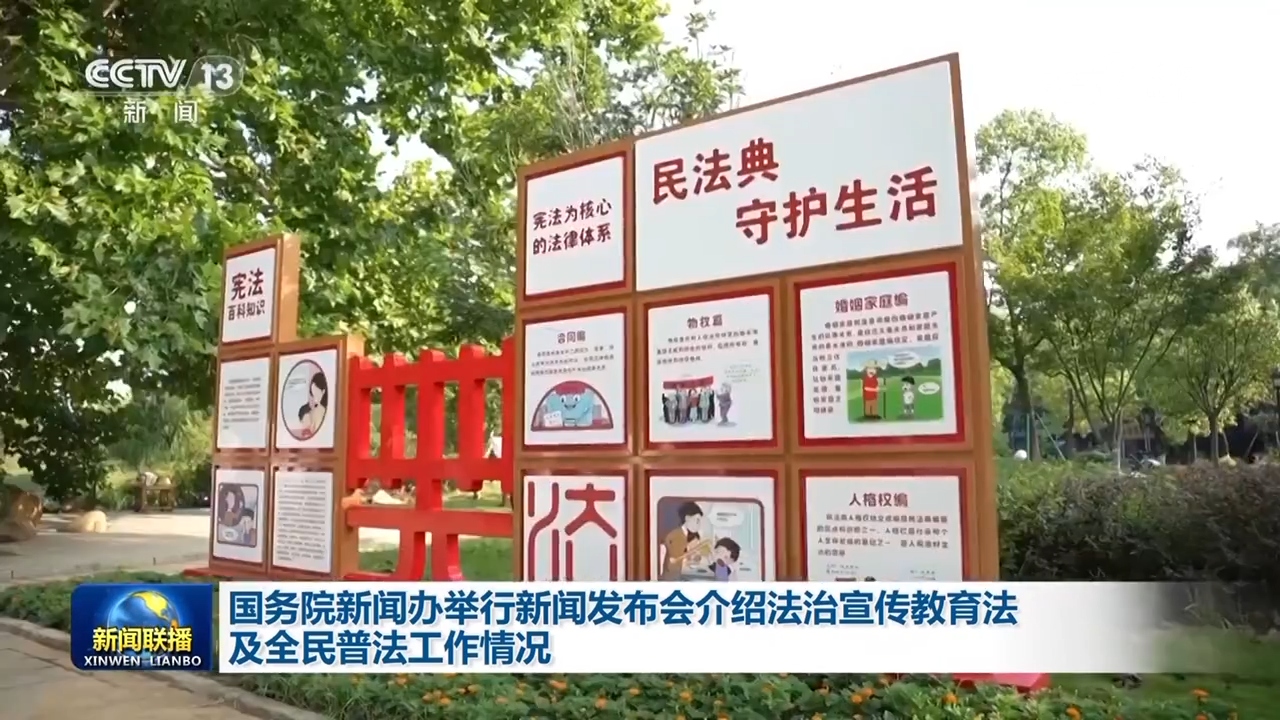
国务院新闻办举行新闻发布会介绍法治宣传教育法及全民普法工作情况
Yang Shi Wang· 2025-10-30 12:00
Core Points - The new Law on Legal Publicity and Education will take effect on November 1, incorporating "Xi Jinping's Thought on the Rule of Law" into legislation, emphasizing its importance in legal education and publicity [3] - The law establishes a lifelong legal education system for citizens, integrating legal education into national, cadre, and social education frameworks to enhance the legal literacy of the entire population [3] - The law targets key groups, particularly leading officials, to promote adherence to the law, while also focusing on strengthening legal education for youth to cultivate a habit of law compliance from an early age [3][5] Group 1 - The law requires precise legal publicity based on the legal needs of different regions, industries, and groups, utilizing accessible and engaging methods to tell the stories of China's constitution and legal system [5]
法治宣传教育法11月1日起施行,有哪些重要内容(全文实录)
2 1 Shi Ji Jing Ji Bao Dao· 2025-10-30 09:47
Core Viewpoint - The Standing Committee of the National People's Congress has passed the Law on Legal Publicity and Education, which will take effect on November 1, 2025, marking a significant step towards institutionalizing and standardizing legal education in China [3][4][11]. Group 1: Overview of the Law - The Law on Legal Publicity and Education is a milestone that signifies the institutionalization and standardization of legal education in China, reflecting the importance placed on legal education by the central government [3][4]. - The law emphasizes the leadership of the Communist Party of China and incorporates Xi Jinping's legal thought for the first time into national legislation [4][5]. - It establishes a lifelong legal education system for citizens, integrating legal education into national, cadre, and social education systems [5][29]. Group 2: Key Provisions of the Law - The law outlines the guiding principles, basic principles, and working mechanisms for legal publicity and education, emphasizing a people-centered approach and collaboration among various stakeholders [4][5]. - It mandates that legal education be comprehensive and tailored to different regions, industries, and groups, ensuring accessibility and relevance [5][10]. - The law specifies the content of legal education, including Xi Jinping's legal thought, constitutional principles, and legal knowledge, aiming to enhance public understanding of the law [5][10]. Group 3: Implementation and Responsibilities - The law establishes a responsibility system for legal publicity, requiring government agencies to promote legal education in accordance with their roles [19][20]. - It encourages participation from various organizations, including social groups and media, to foster a collaborative environment for legal education [20][21]. - The law emphasizes the need for supervision and accountability in the implementation of legal education initiatives, ensuring that all parties fulfill their responsibilities [20][21]. Group 4: Focus on Youth and Education - The law highlights the importance of starting legal education from a young age, targeting youth as a key demographic for legal awareness [5][30]. - It outlines measures for integrating legal education into school curricula, ensuring that students receive comprehensive legal training throughout their education [32][33]. - The law promotes the establishment of practical legal education bases and encourages innovative teaching methods to enhance engagement among students [46][47].
省人大常委会开展“人大聚力 法治护航自贸港封关运作十大行动”
Hai Nan Ri Bao· 2025-10-30 01:36
推进自贸港法规体系建设包括统筹用好海南自贸港法规、经济特区法规和一般地方性法规制定权, 加强重点领域、新兴领域、涉外领域立法,加快推进封关运作前后急需的立法项目。 开展自贸港法规立法后评估包括依法对已出台的重要自贸港法规或法规中的重要条款开展立法后评 估,重点评估法规的针对性、可操作性、实施成效及存在问题,形成评估报告并提出修改完善建议。 全面推行自贸港法规实施情况报告制度包括对实施满两年的海南自贸港重点法规,通过听取实施单 位的汇报、专题调研等方式推动法规有效实施。 聚焦自贸港封关运作重点工作开展监督包括将督促省"十五五"规划编制,确保规划目标任务与自贸 港建设任务衔接;聚焦封关运作相关重点资金安排使用、财政资金绩效加强审查监督;聚焦封关运作后续 制度衔接、政策落地、风险防控等长远问题,制定监督工作计划,以精准有效的监督服务保障自贸港建 设。 开展自贸港封关运作调研包括紧扣封关运作后经济社会运行情况,重点围绕自贸港政策红利向产业 发展动能的转化效果、核心政策制度的落地与衔接情况等深入一线调研。 开展"人大代表为自贸港封关献策献力"活动包括依托全省各级人大代表联络站(点),通过专题讲 座、互动问答、案例解读等 ...
学纪知纪明纪守纪丨善用法治思维和法治方式正风肃纪反腐
Zhong Yang Ji Wei Guo Jia Jian Wei Wang Zhan· 2025-10-29 00:20
Core Viewpoint - The article emphasizes the importance of deeply understanding and implementing Xi Jinping's rule of law thought to enhance the standardization, legalization, and normalization of disciplinary inspection and supervision work [5][9]. Group 1: Learning and Implementation - The study and implementation of Xi Jinping's rule of law thought is fundamental for disciplinary inspection and supervision agencies, serving as a basic skill and compulsory course [5]. - Continuous learning and practical application of Xi Jinping's rule of law thought are essential for improving the quality and efficiency of disciplinary inspection and supervision work [6][9]. Group 2: Enhancing Legal Awareness - Strengthening legal awareness among disciplinary inspection and supervision personnel is crucial, with a focus on integrating legal thinking into daily operations [7][8]. - Training programs should cover the entire disciplinary inspection and supervision process, ensuring that personnel are well-versed in legal requirements [6][8]. Group 3: Integration of Discipline and Law - The integration of discipline and law is necessary to achieve unified political, disciplinary, and social effects, with a focus on ensuring that disciplinary actions are in line with legal standards [13][15]. - Disciplinary inspection agencies must adhere to both party regulations and national laws, ensuring that their actions are legally sound and politically aligned [12][14]. Group 4: People-Centric Approach - A people-centered approach is fundamental, with a commitment to addressing corruption and misconduct that directly affects the public [9][16]. - Disciplinary inspection and supervision work should focus on resolving prominent issues that the public is concerned about, ensuring that the outcomes are felt by the community [10][16]. Group 5: Continuous Improvement - There is a need for ongoing improvement in the legal capabilities of disciplinary inspection and supervision personnel, with practical training and real-case simulations being emphasized [6][8]. - The establishment of effective internal control mechanisms and streamlined processes is essential for enhancing the quality of disciplinary inspection and supervision work [14][19].
人大常委会|中央社会工作部、全国人大社会建设委员会、全国人大常委会法制工作委员会负责人就修改村民委员会组织法、城市居民委员会组织法答记者问
Xin Hua Wang· 2025-10-28 23:43
Core Points - The recent amendments to the Village Committee Organization Law and the Urban Residents Committee Organization Law were passed by the 18th session of the 14th National People's Congress Standing Committee, effective from January 1, 2026, emphasizing the importance of grassroots self-governance and the leadership of the Communist Party in local governance [1][2][3] Group 1: Background and Principles - The amendments are a response to the need for strengthening grassroots governance and enhancing the role of the Communist Party in local governance, reflecting the importance of grassroots self-governance as stipulated in the Constitution [1][2] - The basic principles guiding the amendments include strengthening the Party's leadership, consolidating grassroots self-governance, maintaining a problem-oriented approach, and ensuring consistency in legal provisions across urban and rural contexts [2] Group 2: Key Content of Amendments - The amendments include provisions to enhance the leadership of the Communist Party in grassroots governance, improve the composition and responsibilities of village and residents' committees, and refine the electoral system for these committees [2][4] - New regulations have been introduced to promote democratic consultation, improve decision-making mechanisms, and enhance democratic management and supervision within village and residents' committees [5] Group 3: Implementation and Support - The amendments aim to ensure that grassroots committees can effectively exercise their functions, with local governments required to provide necessary support and resources for their operations [6][7] - Specific measures include establishing mechanisms to reduce bureaucratic burdens on grassroots committees and ensuring adequate funding, training, and infrastructure support [6][7]
加强涉外法治体系和能力建设的要旨与举措(深入学习贯彻习近平新时代中国特色社会主义思想)
Ren Min Ri Bao· 2025-10-28 22:30
Core Viewpoint - The construction of foreign-related rule of law is essential for China's modernization and high-level opening up, addressing international legal risks and challenges while promoting global governance [1][2][8]. Group 1: Importance of Foreign-related Rule of Law - Strengthening foreign-related rule of law is crucial for creating a favorable legal environment for reform, development, and stability [1][4]. - The emphasis on foreign-related rule of law reflects the need to respond to the increasing complexity of international relations and legal disputes [3][8]. - The integration of domestic and foreign legal frameworks is necessary to safeguard national sovereignty and interests [4][10]. Group 2: Strategic Layout and Development - A systematic and comprehensive strategic layout for foreign-related rule of law is required to effectively address the challenges posed by the changing global landscape [2][8]. - The development of a robust legal framework in foreign-related areas is essential for enhancing China's international competitiveness and legal standing [9][13]. - The establishment of a collaborative mechanism for legislation, enforcement, and legal services in foreign-related matters is vital for achieving a coordinated approach [8][12]. Group 3: Response to Global Changes - The current global environment, characterized by unilateralism and protectionism, necessitates a proactive approach to foreign-related legal practices [10][11]. - China's commitment to multilateralism and international law is crucial for maintaining global order and promoting common interests [10][14]. - The focus on enhancing legal capabilities in response to external pressures is a key aspect of China's foreign-related legal strategy [9][11]. Group 4: Cultural and Historical Context - The integration of traditional Chinese legal culture into foreign-related legal practices enriches the approach to international cooperation and governance [14]. - The emphasis on dialogue and consensus-building reflects a commitment to peaceful resolution of disputes and collaborative governance [14][10]. - The establishment of institutions like the International Mediation Center demonstrates China's innovative approach to global legal challenges [14].
构建中国特色法学教育体系,这场高规格学术研讨会在深圳举办
Sou Hu Cai Jing· 2025-10-28 16:53
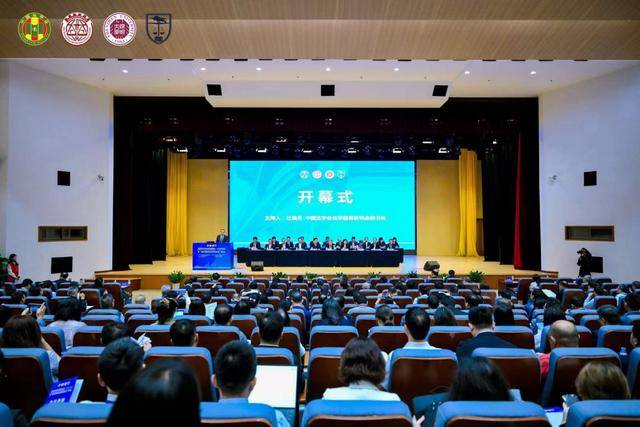
深圳商报·读创客户端首席记者 张玮玮 10月25—26日,教育部高校法学类专业教学指导委员会、中国法学会法学教育研究会2025年年会暨"构 建中国特色法学教育体系"研讨会在深圳举办。此次学术盛会旨在为构建中国特色法学教育体系凝聚共 识、明确路径,为法治中国建设筑牢人才根基、注入理论动能。 此次会议由深圳大学法学院承办,北京市曾宪义法学教育与法律文化基金会、北京市京师(深圳)律师 事务所、北京市两高(深圳)律师事务所协办。 10月25日上午,年会开幕式在深圳市资本市场学院举行。中国工程院院士、深圳大学党委书记李清泉, 深圳市委政法委委务会成员、市法学会党组成员、专职副会长陈振波,广东省法学会党组成员、专职副 会长兼秘书长金艳,教育部高校法学类专业教学指导委员会副主任委员马怀德,中国法学会法学教育研 究会会长、教育部社会科学委员会法学学部召集人张文显分别致辞。中国法学会法学教育研究会秘书长 杜焕芳主持开幕式。 中国工程院院士、深圳大学党委书记 李清泉 李清泉在致辞中表示,构建立足中国实际、回应时代需求的中国特色法学教育体系是高校的重要使命。 他结合深圳大学的实践,介绍了法学院在学科建设、人才培养和服务"双区"建设 ...