产教融合

Search documents
职校医学实训课技能精进护健康
Xin Lang Cai Jing· 2025-12-28 21:31
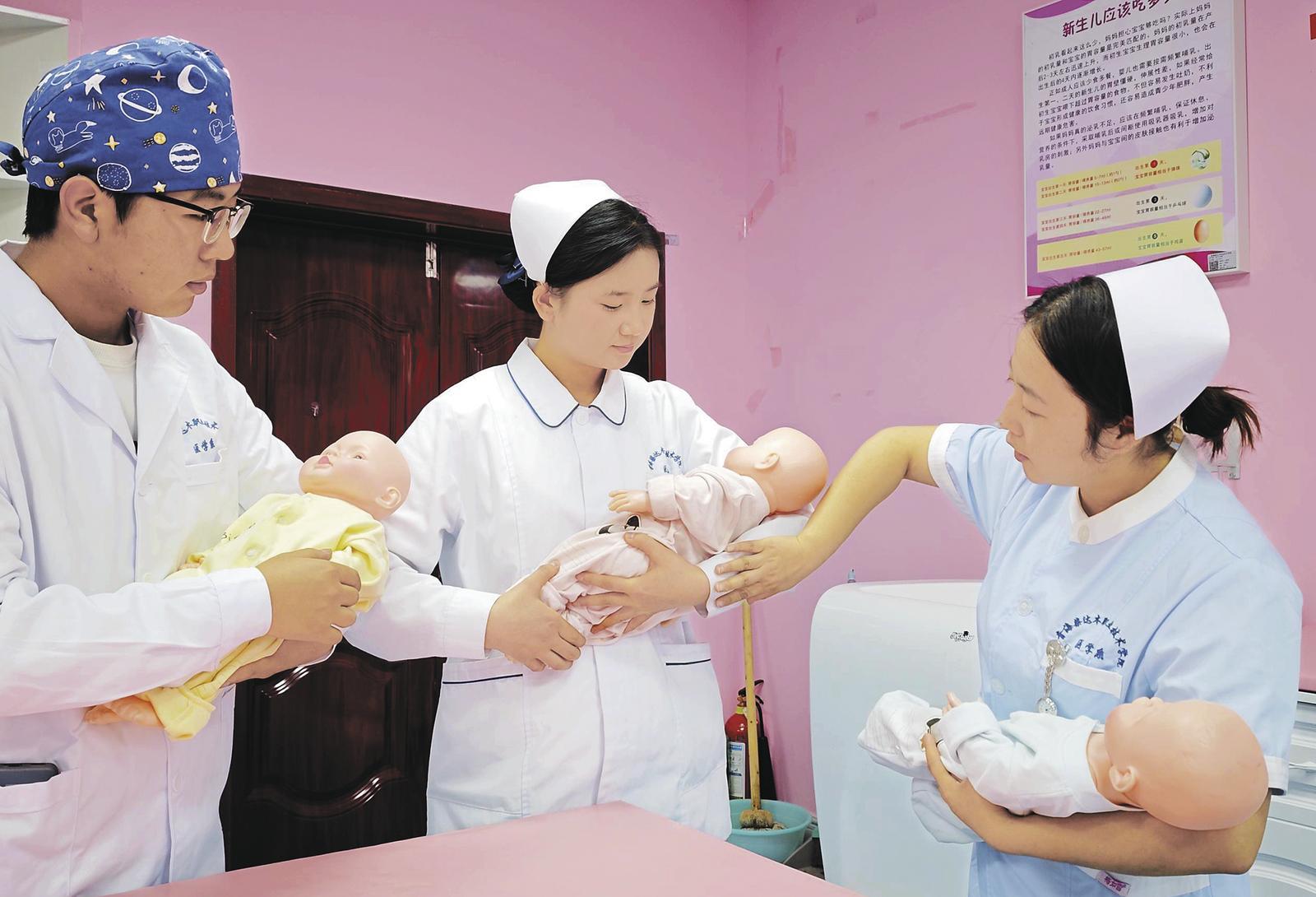
Core Viewpoint - The Qinghai Chaidamu Vocational Technical College's Medical Department has made significant advancements in medical education, establishing a distinctive training system and enhancing practical training opportunities for students [2] Group 1: Educational Developments - The Medical Department offers 6 higher vocational programs and 1 secondary vocational program, gradually forming a professional group focused on medical care and rehabilitation [2] - The department has upgraded 28 training rooms into 4 on-campus training bases and has established partnerships with over 20 hospitals for off-campus training bases, achieving a practical training course completion rate of 60% [2] Group 2: Innovative Teaching Methods - The department has implemented innovative teaching methods such as "separation of teaching and examination" and "blended online and offline teaching," resulting in significant improvements in educational outcomes [2] - The pass rate for the nursing qualification exam in the higher vocational nursing program remains stable at 75%, with successful reports from the specialized undergraduate entrance examinations [2] Group 3: Faculty and Industry Collaboration - The department adheres to a "talent-driven school" strategy, focusing on cultivating a high-quality, specialized faculty team [2] - There is an emphasis on deepening the integration of industry and education, as well as enhancing school-enterprise cooperation [2]

四川荣获10项表彰
Xin Lang Cai Jing· 2025-12-28 20:28
Core Viewpoint - The 9th Huang Yanpei Vocational Education Award ceremony was held in Beijing, highlighting the achievements in vocational education, particularly in Sichuan province, which received multiple awards [1] Group 1: Awards and Recognition - A total of 50 outstanding schools, 49 distinguished principals, and 100 exemplary teachers were recognized at the ceremony [1] - Sichuan province was awarded 4 "Outstanding School Awards," 1 "Distinguished Principal," and 5 "Exemplary Teacher" titles, showcasing the high-quality development of vocational education in the region [1] Group 2: Evaluation Criteria - The award selection emphasized political relevance, adaptability to current trends, and leadership, with a focus on moral education as a key assessment criterion [1] - The evaluation criteria incorporated innovations in vocational education that promote the development of new productive forces, significantly increasing indicators related to industry-education integration [1] - The reform and innovation in vocational education were included as a crucial incremental indicator in the evaluation process [1] Group 3: Significance of the Award - The Huang Yanpei Vocational Education Award, established in 2007, is the only national award in the field of vocational education, awarded biennially [1] - The award plays a vital role in promoting vocational education reform, stimulating educational vitality, and uniting efforts towards progress [1]
校企合作深化产教融合
Xin Lang Cai Jing· 2025-12-28 11:09
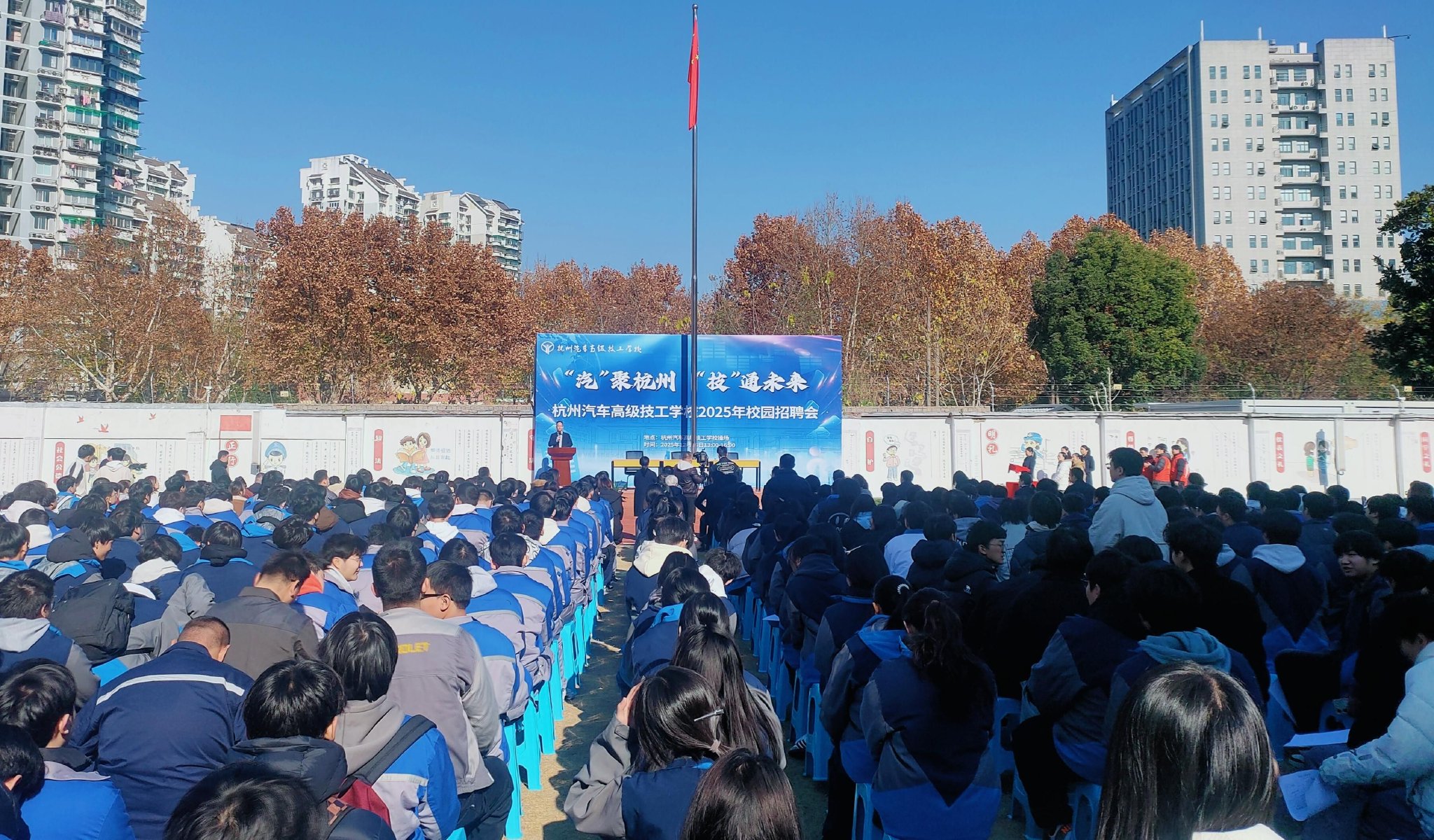
Group 1 - The recruitment fair at Hangzhou Automotive Vocational School attracted nearly 80 companies from five major sectors, offering around 700 job positions for over 400 students [1] - Since the 14th Five-Year Plan, the school has delivered over 1,000 outstanding graduates to society [1] - The school aims to continue enhancing the integration of industry and education to cultivate more high-quality technical talent [6] Group 2 - A special exhibition area for low-altitude economy and drone technology was set up at the recruitment fair, showcasing cutting-edge technologies and collaborative achievements [3] - The school has established a collaborative training model with low-altitude enterprises, focusing on shared curriculum development, faculty training, and practical training facilities [3] - Students participating in the low-altitude talent training program have already obtained CAAC flight licenses and started internships [3] Group 3 - Companies like Zhejiang Yuantong and Zhejiang Huashi Technology Co., Ltd. participated in the recruitment fair, covering multiple professional fields [6] - The chairman of Hangzhou Hechengyu Aviation Service Co., Ltd. expressed the desire for long-term and stable cooperation with the school in areas such as internships and joint training [6] - The school has achieved significant results in talent cultivation, winning nearly 100 awards in various skill competitions annually [6]
“投资于人”激活“第一资源”
Ren Min Wang· 2025-12-28 07:50
当前,人口老龄化与新技术浪潮相互交织,全球发展范式加速从依赖人口规模转向更加倚重人口质量。 谁拥有高素质人才,谁就能在竞争中抢占先机。 优化产学研一体化模式。适应现代化产业体系建设对人才需求结构的新要求,以教育投资为引导,教育 资源向基础学科、交叉学科与国家急需领域倾斜。深化产教融合与校企协同,让教育内容与产业需求紧 密结合,构建与国家战略需求相适应的人才自主培养体系,培养更多创新实践能力强的高素质人才。 2025年,各地各部门积极响应,围绕"投资于人"展开一系列卓有成效的实践。浙江、江苏、广东等地深 化数字人才培育,推动产教融合,有效缓解数字产业人才缺口;河南、湖北等省份通过建设"一站式"人 才服务中心、实施"青年人才安居工程"等举措,大幅增强了对人才的持久吸引力;新疆引入"揭榜挂 帅"机制,靶向支持重大需求领域高层次人才和团队。 展望"十五五","投资于人"需加快从理念转化为实践。各地各部门要紧紧围绕高质量发展,在人口发展 和人才开发的重点关键领域进行前瞻布局与持续投入。 加大对劳动者终身学习体系建设的投入。技术迭代加速带来职业重塑挑战,人工智能等技术变革深刻影 响就业结构。要系统性加大对劳动者数字素养与 ...
上海一高校食堂全流程由AI驱动 AI如何重构校园的餐饮服务生态?
Yang Guang Wang· 2025-12-28 01:54
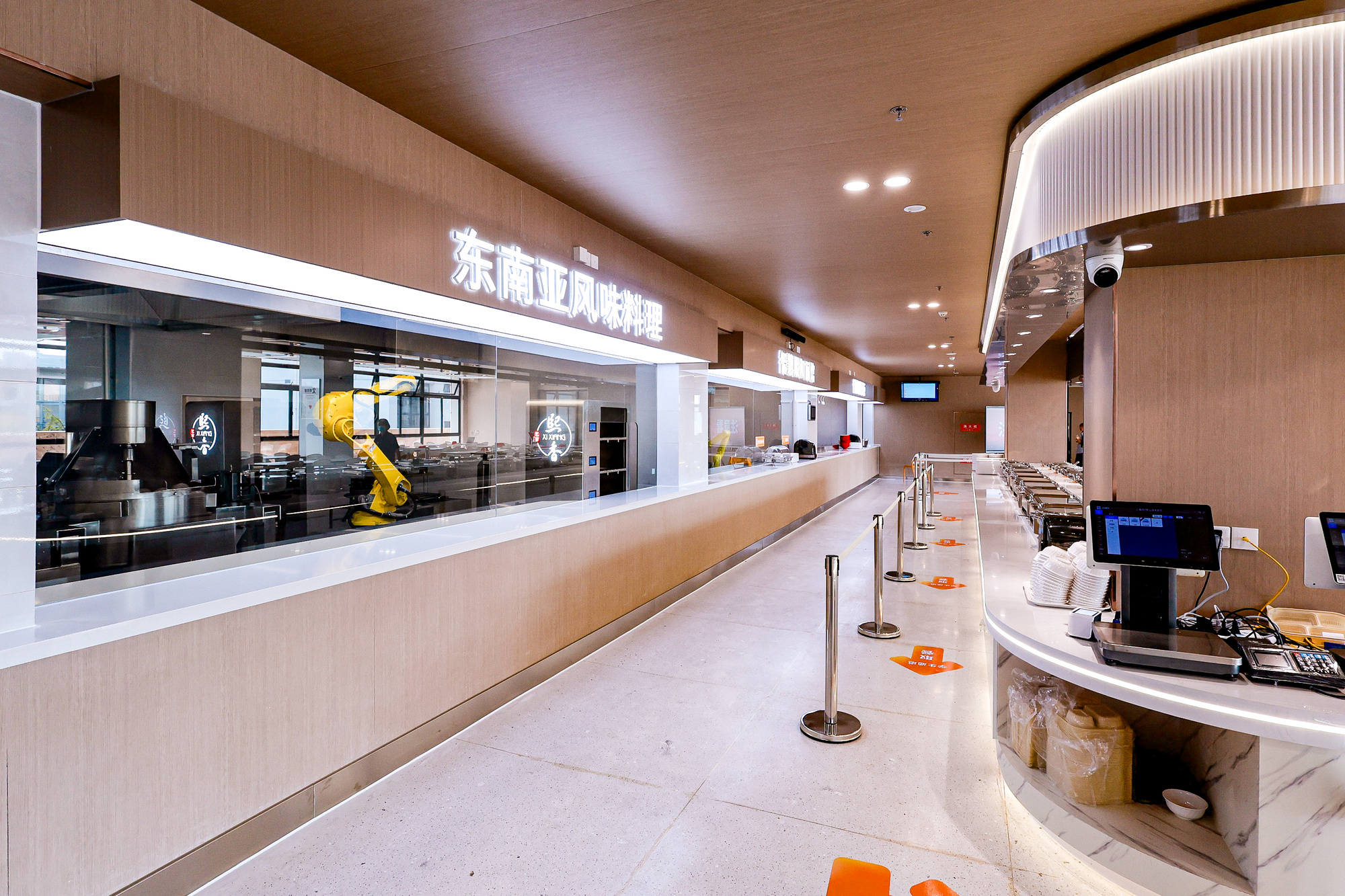
Core Insights - The introduction of an AI-driven cafeteria at Shanghai Minhang Vocational Technical College has transformed the dining experience for students, eliminating traditional queues and enhancing efficiency through automation [1][2][12] Group 1: AI Cafeteria Features - The AI cafeteria operates with fully automated processes for selecting dishes, pricing, cooking, and management, requiring no human intervention [1][8] - Students can now enjoy a faster dining experience, with automated systems reducing wait times significantly compared to traditional setups [2][12] - The cafeteria has reduced staff from 12 to 2, indicating a significant shift towards automation in food service [2][4] Group 2: Benefits and Innovations - The AI cafeteria not only improves convenience but also enhances data-driven decision-making, allowing for better identification of economically disadvantaged students through consumption patterns [12] - Nutritional management has become more precise, with the system tracking nutritional content and student eating habits to promote healthier choices [12][13] - The initiative aligns with the college's goal of integrating education with industry, providing practical training opportunities for students in AI and related fields [13][15] Group 3: Industry Trends - The trend of integrating robotics in college cafeterias is seen as a necessary evolution to address challenges such as slow service during peak hours and the need for standardized food quality [15][16] - Experts predict that while current implementations focus on standardization, future developments will allow for a blend of automated and personalized service options [16]
【四中全会精神在基层】校企融合 协同育人
Xin Lang Cai Jing· 2025-12-28 00:56
Group 1 - The core idea emphasizes the collaboration between technological innovation, industrial development, and national strategic needs in education [2][3] - Anhui Engineering University is implementing a "Technology Vice President" program to bridge the gap between engineering education and industry demands, focusing on practical skills and innovation [2][3] - The university has selected 98 teachers to serve as "Technology Vice Presidents" in 87 companies, with 66% of them working in enterprises located in Wuhu City, covering over 10 fields including artificial intelligence and mechanical manufacturing [3] Group 2 - To retain "Technology Vice Presidents," Anhui Engineering University has established a performance evaluation system that quantifies their contributions in industry, linking it to career advancement [4] - The "Technology Vice Presidents" are actively transforming industry insights into teaching resources, leading students in practical experiences and establishing over 20 collaborative platforms with enterprises [4] - The university plans to increase the proportion of teachers serving as "Technology Vice Presidents" to over 30% of the total faculty, enhancing the integration of new technologies and standards into the curriculum [4]
以产教融合为引擎 创新高校育人新模式
Xin Lang Cai Jing· 2025-12-27 22:49
Core Viewpoint - The traditional education model in higher education institutions is struggling to meet the demands of high-quality economic and social development, leading to the adoption of industry-education integration as a key strategy to address talent supply and demand issues [1] Group 1: Optimizing Educational Content through Industry-Education Integration - The college focuses on industry transformation and upgrading by collaborating with industry enterprises and associations to develop and refine curriculum standards based on industry needs and technological advancements [2] - Project-based and modular courses are developed, incorporating real-world cases and technical challenges from enterprises into the teaching content, effectively linking classroom learning with industry [2] Group 2: Innovative Course Development - The college collaborates with Jiangxi Hebeikanghua Pharmaceutical Equipment Co., Ltd. to design a course on modern Chinese medicine pharmaceutical equipment, enhancing student engagement and understanding of industry trends [3] - A course on "Chinese Medicine Manufacturing and Green Intelligent Manufacturing" is offered, taught by experts from China Resources Jiangzhong Pharmaceutical Group, focusing on practical theories and technologies in green and intelligent manufacturing [3] Group 3: Hosting Industry-Education Integration Lectures - The college organizes forums like "Cloud Innovation and Intelligence Production," inviting industry representatives to facilitate dialogue between academia and industry, enhancing the integration of research and education [4] - Various themed forums are held to showcase talent needs in the pharmaceutical industry, providing insights into diverse career paths for students [4] Group 4: Transforming Educational Models - The college promotes project-based learning, case studies, and workshops, extending classroom learning into real-world settings to cultivate high-quality talent for the pharmaceutical industry [5] - Customized classes, such as the Hebeikanghua class, are established to closely align classroom learning with industry practices [5] Group 5: Comprehensive Practical Teaching Chain - The college constructs an integrated practical teaching chain that includes cognition, training, internships, and graduation projects, ensuring continuous and progressive practical education [6] - Emphasis is placed on academic competitions to enhance the effectiveness of industry-education collaboration, with students participating in competitions aimed at solving real technical challenges faced by enterprises [6] Group 6: Promoting Social Practice - The college organizes social practice teams to conduct market research in the pharmaceutical industry, gathering valuable insights for market analysis and report generation [6] - A focus on dual innovation education is maintained, with the establishment of a collaborative innovation and entrepreneurship practice base in the pharmaceutical sector [7] Group 7: Encouraging Entrepreneurial Initiatives - The college hosts "Maker Markets" to inspire entrepreneurial thinking among students, showcasing innovative products developed by students at various industry events [7]
守正创新 开拓进取
Xin Lang Cai Jing· 2025-12-27 22:49
Core Viewpoint - Guizhou Health Vocational College has made significant progress in the past eight years, particularly during the 14th Five-Year Plan period, achieving a stable graduate employment rate of over 95% and a 100% employment rate for children from impoverished families [5][6]. Group 1: Achievements and Developments - The college has been recognized as a provincial-level "Double High Plan" construction unit for 2024, showcasing its rapid development [5]. - The establishment of various training bases and centers, including a virtual simulation training base for health and traditional Chinese medicine, has contributed to its educational infrastructure [5][11]. - The college has maintained a stable enrollment of around 4,000 students annually, with a new student registration rate of approximately 90% [8][9]. Group 2: Governance and Leadership - The college's governance is deeply rooted in the Communist Party's leadership, with a comprehensive organizational structure that includes multiple party branches and a 100% dual leadership ratio among party branch secretaries [6][7]. - The college has been recognized for its high-quality governance, receiving accolades for its political ecology and integrity in education [7]. Group 3: Educational Innovations - The college has implemented significant reforms in education, aligning its programs with societal needs, including the establishment of 17 specialized programs [8]. - Innovative teaching methods, such as the integration of emergency education with ideological and political education, have been adopted, leading to national recognition [6][8]. Group 4: Community Engagement and Services - The college has actively engaged in community service, providing health consultations and training to over 34,000 individuals, and has established numerous partnerships with local hospitals [11][12]. - The college has also been involved in international education initiatives, gaining approval for international student recruitment and participating in various international exchange programs [12]. Group 5: Future Goals - The college aims to position itself among the top health vocational colleges in the country by 2030, focusing on quality improvement and educational excellence [13][14]. - A strategic plan has been outlined, emphasizing nine key areas for enhancement, including party leadership, talent cultivation, and industry-education integration [13][14].
产线工程师可跨省聘为“特聘教授”
Xin Lang Cai Jing· 2025-12-27 17:39
Core Insights - The Chengdu-Chongqing region is advancing the integration of industry and education in the Internet of Things (IoT) sector, aiming to address structural contradictions between talent cultivation and market demand [1][2] - A proposal for establishing a collaborative community for IoT industry-education integration was released, emphasizing shared resources and mutual recognition of credits and skills [1][2] Group 1: Industry and Education Integration - The event highlighted the need to shift from a linear model of "market demands courses" to a collaborative approach where leading enterprises and key institutions co-create cross-domain course resources [2] - A "dual-teacher" sharing pool will be established, incorporating technical experts from enterprises and core teachers from institutions to promote cross-regional hiring and collaborative teaching [2] - Mechanisms for mutual recognition of credits and skill levels will be developed to facilitate course selection and practical training outcomes between institutions in the region [2] Group 2: Regional Development and Collaboration - The Chengdu-Chongqing area has become a significant hub for advanced manufacturing, producing approximately two-thirds of iPads globally, one-seventh of China's automobiles, and one-fifth of power batteries [2] - The region is recognized as the first national-level advanced manufacturing cluster across provinces, with leading companies like XGIMI Technology, BOE Technology Group, and Chenxian Optoelectronics [2] - The integration model aims to break down administrative barriers, allowing for greater mobility of talent, such as engineers from companies like Canopus Robotics being appointed as "visiting professors" at vocational colleges in Chongqing [2]
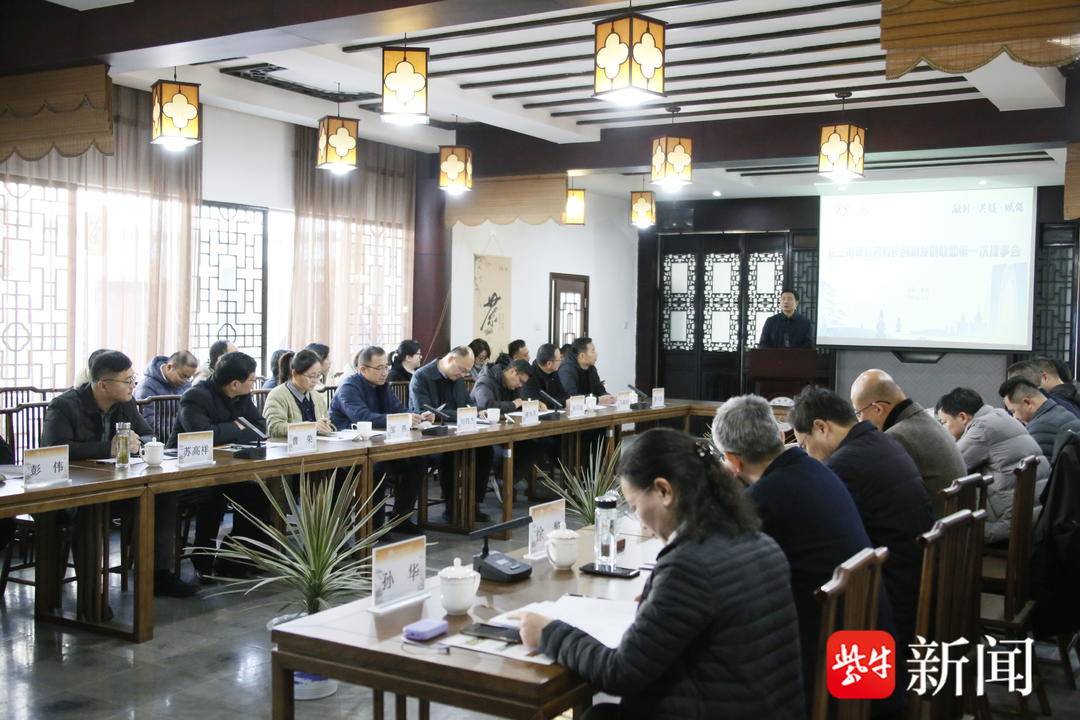
长三角职教名校长创新发展联盟在苏州成立,共筑现代职教体系化新生态
Yang Zi Wan Bao Wang· 2025-12-27 14:46
Core Viewpoint - The establishment of the Yangtze River Delta Vocational Education Principal Innovation Development Alliance marks a new phase of collaborative innovation in vocational education, driven by leading principals in the region [1][3]. Group 1: Alliance Formation and Objectives - The alliance was initiated by principals from vocational schools recognized under the Ministry of Education's "New Era Vocational School Principal Training Program" [1]. - The primary aim is to address the systemic challenges posed by industrial upgrades in cultivating composite technical and skilled talents, and to explore new pathways for vocational education to support high-quality regional development [3][6]. - The theme of the conference was "Integration, Collaboration, Empowerment - Building a New Ecosystem for High-Quality Development of Vocational Education in the Yangtze River Delta" [3]. Group 2: Actions and Framework - The alliance aims to create a "Research and Training Community," establish a "Cooperation Network," and build a "Collaborative Ecosystem," ultimately forming a demonstrative "Yangtze River Delta Model" [3]. - The meeting included the establishment of the alliance's charter, signing of cooperation frameworks, and the release of organizational branding [3]. Group 3: Leadership and Future Directions - Jiang Hanrong from Jiangsu Tongzhou Vocational School was elected as the first rotating chairman of the alliance, emphasizing the need to address current challenges in vocational education [8]. - The alliance's founding is expected to enhance collaboration in professional development, teacher training, and student co-education, thereby improving vocational education and talent cultivation levels [12]. - Future plans include establishing a regular rotation mechanism, focusing on key areas such as industry-education integration and digital transformation, and promoting resource sharing through various collaborative forms [12].