
生态保护

Search documents
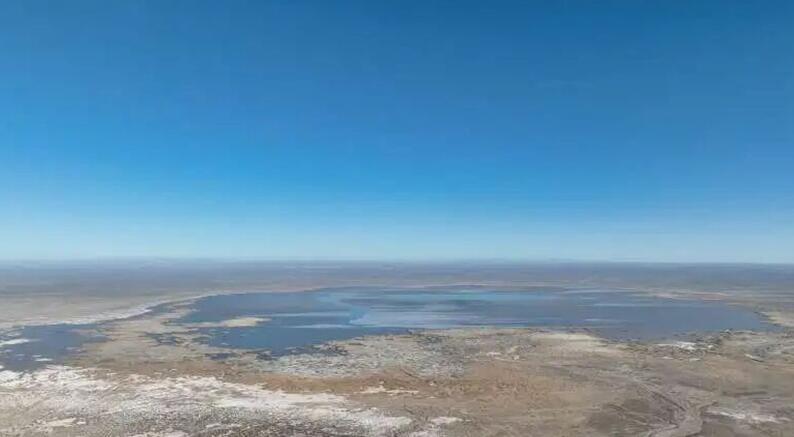
连续21年不干涸一泓澄碧锁流沙——河西走廊母亲河复苏的黑河样本
Zhong Guo Jing Ji Wang· 2025-12-19 13:16
Core Viewpoint - The article highlights the successful ecological restoration and management of the Heihe River, emphasizing the importance of water resource allocation and unified scheduling to revive the river's ecosystem and support regional development [3][9][17]. Group 1: Ecological Restoration - The Heihe River has seen a significant reduction in water flow to its lower reaches, with a nearly 80% decrease since the 1950s, leading to severe ecological degradation in the Ejina Oasis [2][3]. - The implementation of unified water flow scheduling since 2000 has resulted in the successful restoration of the river's ecosystem, with the East Juyan Lake achieving 21 consecutive years of no desiccation by 2025 [5][6][12]. - The ecological flow rate at the Yingluoxia hydrological section has reached a 100% compliance rate, indicating a significant improvement in the river's ecological health [16]. Group 2: Water Resource Management - The establishment of the Heihe River Basin Management Bureau has marked a historic shift in water resource management, focusing on coordinated efforts across upstream and downstream regions [3][9]. - A total of 95 unified scheduling measures have been implemented, resulting in 169.62 billion cubic meters of water entering the Ejina Oasis, revitalizing its ecosystem [9][12]. - The introduction of innovative water management practices, including satellite monitoring and real-time adjustments, has enhanced the efficiency and effectiveness of water resource allocation [10][12]. Group 3: Economic and Social Impact - The ecological improvements have led to a resurgence in tourism and trade in the Ejina region, with significant increases in tourism revenue and local economic development [17]. - The agricultural sector has benefited from water-saving measures, with a reported 30.07% reduction in water usage per unit of GDP since 2020, demonstrating a shift towards sustainable practices [13][16]. - The overall improvement in the ecological environment has fostered social stability and ethnic unity in the region, contributing to a harmonious community [17].

从“门票经济”到“体验经济”
Xin Lang Cai Jing· 2025-12-19 09:12
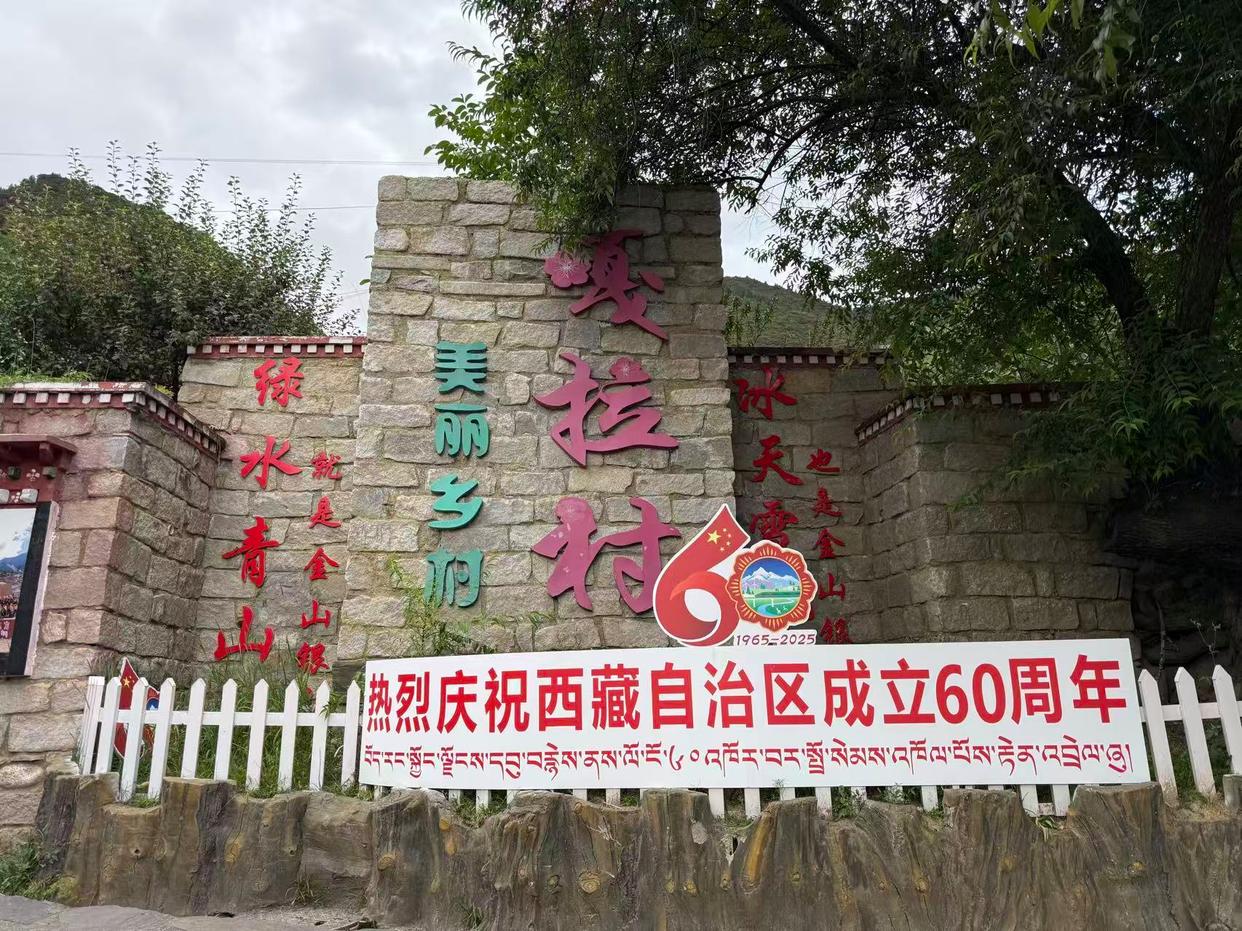
Core Insights - The article highlights the transformation of Gala Village in Tibet, which has successfully leveraged its natural resources, particularly wild peach trees, to boost local economy and tourism, showcasing a model of rural revitalization and poverty alleviation [1][2]. Group 1: Economic Development - Gala Village has 1,253 wild peach trees and a collective economic income projected to exceed 7 million yuan in 2024, with per capita disposable income reaching 41,200 yuan, an increase of over 6,000 yuan since 2021 [1][2]. - The village's "Peach Blossom Economy" has evolved through various stages, from a basic scenic area to a AAA-rated tourist attraction, significantly increasing tourism revenue [5][6]. - In 2024, the income from the Peach Blossom Festival is expected to be 3.7 million yuan, with ticket sales contributing 3.22 million yuan and stall rentals adding 480,000 yuan [6]. Group 2: Tourism and Infrastructure - The village is upgrading its tourism offerings by enhancing infrastructure, such as expanding pathways and adding facilities like public restrooms to improve visitor experience [5][10]. - Gala Village is focusing on developing an "experience economy" to extend visitor stays, introducing activities like archery and horseback riding to encourage longer visits and increased spending [10][19]. Group 3: Environmental Sustainability - The village has shifted from deforestation to conservation, recognizing that ecological health is essential for sustainable economic development [11][13]. - Initiatives include forming a dedicated team of forest rangers and planting suitable peach tree varieties to enhance the ecological landscape [13][15]. Group 4: Community Engagement and Governance - The success of Gala Village is attributed to strong community involvement and effective governance, with local leaders and residents working collaboratively to address challenges and improve living conditions [19][20]. - The "Double Link Household" system fosters mutual support among villagers, facilitating tasks like maintaining cleanliness in tourist areas [19][20]. Group 5: Future Prospects - The village is optimistic about future growth, with plans to expand its tourism offerings and enhance community facilities, while also emphasizing the importance of professional guidance and support for continued development [10][20][23].
四川率先迈入水电“亿千瓦时代” 水电站建设与生态保护“双管齐下”
Yang Shi Wang· 2025-12-19 07:10
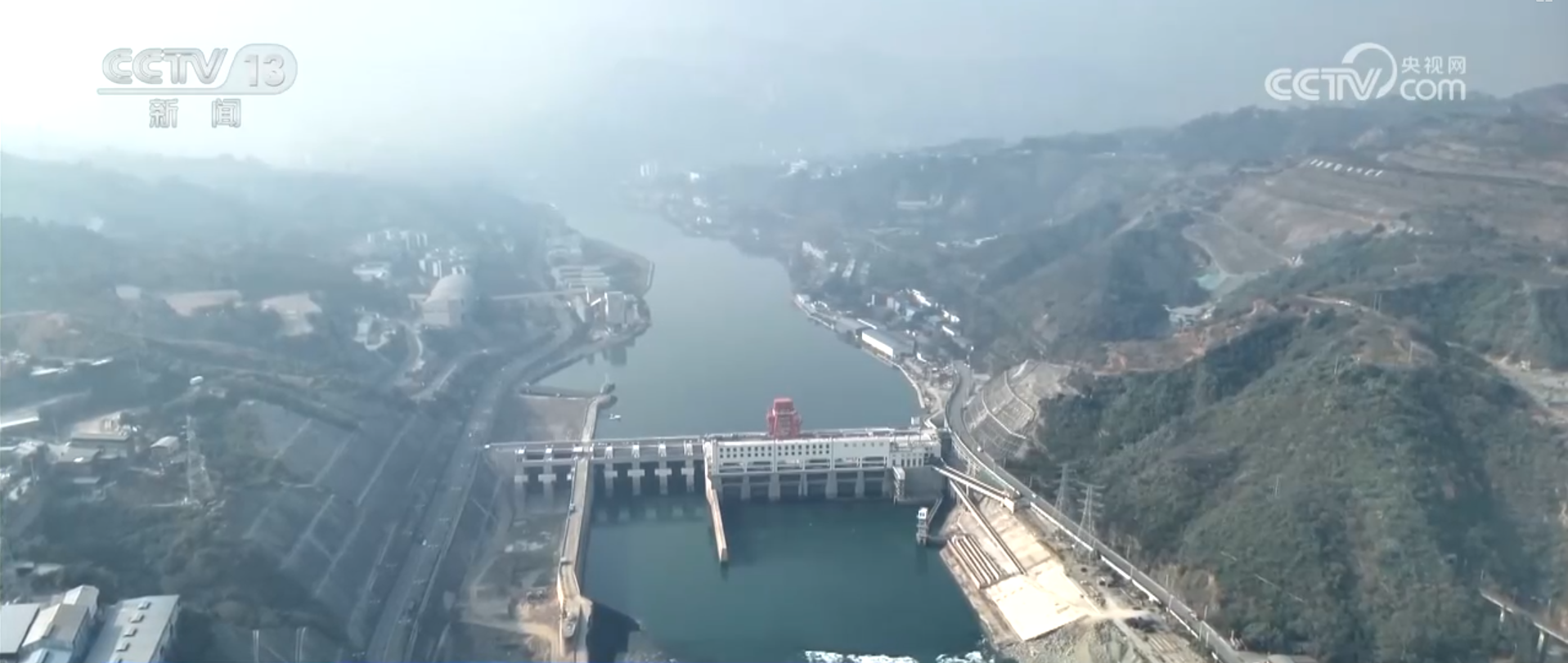
Core Insights - The completion of the 6th unit of the Jinsha River Yinjiang Hydropower Station marks a significant milestone, as it contributes to Sichuan Province's hydropower capacity exceeding 100 million kilowatts, making it the first province in China to achieve this milestone [1][14] Group 1: Hydropower Station Details - The Yinjiang Hydropower Station consists of 6 units with a total installed capacity of 390,000 kilowatts [2][4] - Each unit has a capacity of 65,000 kilowatts, and the station utilizes "bulb-type" axial flow turbine generators, which are the largest of their kind in Asia [8] - The dam measures 386.75 meters in length and 73 meters in height, with the last unit successfully connected to the grid on December 19 [4][8] Group 2: Operational Efficiency and Environmental Impact - The station can operate with a minimum water level difference of just 3 meters between upstream and downstream, enhancing its operational efficiency [11] - The annual electricity generation is expected to reach 470 billion kilowatt-hours, which can supply power to approximately 190 million households [12][14] - The construction of an ecological "fishway" ensures the protection of rare fish species and supports biodiversity in the Yangtze River basin [12][14] Group 3: Regional Energy Supply and Environmental Benefits - Hydropower accounts for 70% of Sichuan's total power capacity, and the province not only meets its internal electricity needs but also supplies power to eastern and central China through the "West-to-East Power Transmission" project [14] - The projected annual generation capacity can save 140 million tons of standard coal and reduce carbon dioxide emissions by over 350 million tons [14]
(乡村行·看振兴)浙江黄岩:一片红杉林构建生态共富路
Zhong Guo Xin Wen Wang· 2025-12-19 01:05
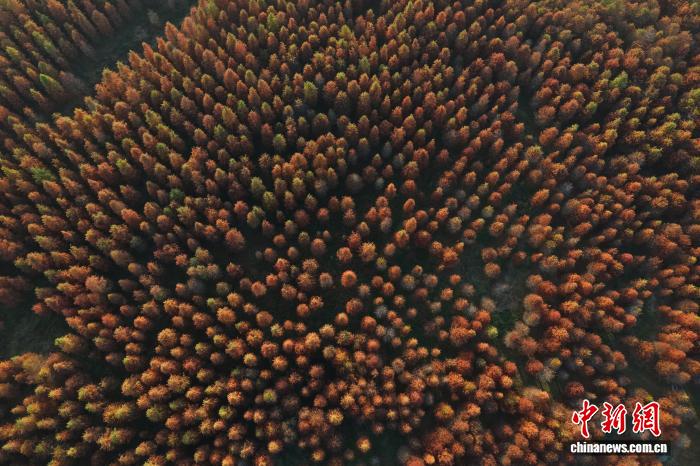
Core Viewpoint - The article highlights the transformation of the Changtan Reservoir area in Huangyan, Zhejiang, into a thriving eco-tourism destination, leveraging the natural beauty of the redwood forest to promote local economic development and community prosperity [1][3]. Group 1: Ecological and Economic Development - The Changtan Reservoir, an important water source protection area, has seen the successful planting of over 5,000 acres of water and bald cypress trees since 2008, improving the ecological environment while creating a unique scenic resource [1][3]. - During the peak leaf-viewing season, the redwood forest attracts approximately 1,600 visitors daily on weekdays and up to 6,000 on weekends, indicating a significant influx of tourism [1][3]. - The local economy has benefited from the "leaf-viewing economy," with over 50 "shared prosperity stalls" established near the forest, generating daily sales of local agricultural products amounting to 20,000 to 30,000 RMB [3][4]. Group 2: Infrastructure and Cultural Initiatives - To enhance visitor experience and convert transient tourism into sustained engagement, the local government has initiated the "Shared Prosperity Yangtze River Reservoir Immigrant Leisure and Cultural Tourism Belt" project, focusing on infrastructure improvements such as parking, roads, and parks [4]. - Seasonal cultural activities, including photography and ecological research events, are being organized to deepen the understanding of the ecological and cultural significance of the redwood forest, aiming to elevate it from a seasonal attraction to a cultural landmark [4]. - The local government aims to integrate 11 administrative villages to promote comprehensive development, transforming ecological advantages into sustainable industrial benefits beyond just leaf viewing [4].
封掉千口生产井 长庆油田放弃46万吨产量退出环境敏感区
Zhong Guo Xin Wen Wang· 2025-12-18 23:58
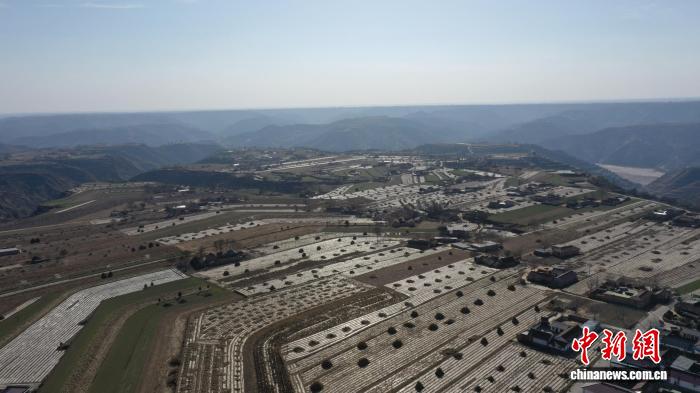
中新网陕西延安12月18日电 (阿琳娜 徐佳)"井关了,责任没关。看着这里重新绿起来,是我们的新任 务,也是新成就。"中国石油长庆油田第一采油厂巡护员徐加豪和同事在陕西延安中山川水库二级保护 区附近巡查。原本这里是283口油水井的生产区,现在由原井场采油工组成的巡护队,按月对周围九百 平方公里退出区域进行巡查。 2018年以来,徐加豪的岗位职责有了大转变。昔日,他扎根老区,和其他采油工一样挖掘地下"黑金", 随着水库保护区建立,为了保护水源地,对生产设备进行退出,徐加豪主动化身"护水员",和同事们一 起守护地表"绿肺"。 长庆油田退出井场复垦为耕地。贠向慕 摄 据了解,历经半个多世纪的开发建设,长庆油田累计建成12万口油气水井,年产油气当量连续六年稳产 6000万吨以上,保持中国第一大油气田地位。矿权内涵盖16个水源保护区和自然保护区,黄河48条支流 分布其中。 一直以来,长庆油田将生态红线视作"生命线",坚持资源开发与生态保护并重,累计封堵油气水井近2 万口。自2018年以来,累计完成1200余口敏感区油气水井有序关停退出。仅"十四五"期间,长庆油田就 放弃油气当量46万吨。 封掉千口生产井 长庆油田放弃4 ...
朱鹮保护创新联盟搭建跨区域跨领域合作平台
Shan Xi Ri Bao· 2025-12-18 22:55
近年来,陕西持续织密生态保护网,以国家公园为主体、自然保护区为基础、各类自然公园为补充 的自然保护地体系日趋完善,已成功守护90%的陆地生态系统类型、74%的国家重点保护动植物物种及 绝大多数自然遗迹。朱鹮国家保护研究中心落地汉中,即将投用的朱鹮监测中心也将为保护工作注入科 技动能,让朱鹮保护事业高质量发展。 会议强调,要始终践行"绿水青山就是金山银山"理念,重点在种群复壮、栖息地精准修复、疫病远 程诊断与防控、遗传资源管理等领域攻坚突破;推进跨区域合作,优化生态廊道,构建全域覆盖、全链 条衔接的保护新格局;搭建高效信息共享平台,让保护经验、科研成果与监测数据高效流通;壮大保护 队伍,争取多方支持,为联盟运转营造良好环境;强化科普宣传,拓展国际合作,探索社区共管模式, 让人与自然和谐共生的理念深入人心。 省林业局副局长陈宝林表示,此次大会不仅搭建了跨区域、跨领域的合作交流平台,还凝聚起守护 朱鹮、保护生态的强大合力。相信在各方努力下,陕西生态保护将书写更精彩的篇章。(记者:田若 楠) 近日,朱鹮保护创新联盟大会在汉中召开。来自各地的专家学者、保护工作者齐聚一堂,通过学术 交流分享朱鹮保护的实践智慧,并深入朱鹮 ...
自然资源部第一地理信息制图院用科技与脚步丈量秦岭
Zhong Guo Zi Ran Zi Yuan Bao· 2025-12-18 01:07
Core Viewpoint - The articles highlight the ongoing efforts and achievements in the ecological protection of the Qinling Mountains, emphasizing the dedication of the personnel involved in monitoring and restoring the environment [1][6][7]. Group 1: Ecological Monitoring and Restoration - The Shaanxi Surveying and Mapping Geographic Information Bureau has been actively involved in the ecological monitoring and restoration of the Qinling Mountains, completing inspections of approximately 2000 surveillance cameras over five months [1][6]. - The ecological restoration of a former gold mining site in Xiangzichai Village has shown significant improvement, with high survival rates of newly planted white pines and a return of clear water and green mountains [2][6]. - The proportion of actual ecological issues identified in the region has decreased from around 80% to less than 20% over five years, indicating a successful reduction in environmental problems [6]. Group 2: Technological Integration and Systematic Approach - The integration of institutional regulation, intelligent technology, and grid-based responsibility has created a comprehensive monitoring system for ecological protection in the Qinling region [6]. - The establishment of the "Shaanxi Province Qinling Ecological Problem Reporting Hotline" has seen a decline in effective reports, reflecting the improved ecological conditions [6]. Group 3: Challenges and Community Support - Field personnel face significant challenges, including difficult terrain and unpredictable weather, which can lead to dangerous situations during monitoring tasks [3][4][5]. - Local community support has been crucial for the personnel working in remote areas, with residents often providing assistance and hospitality during challenging times [4][5]. Group 4: Future Commitment - The commitment to protecting the Qinling Mountains continues, with a focus on maintaining the ecological balance and ensuring the sustainability of the region [7]. - The ongoing efforts of the young "guardians of the mountains" reflect a deep-seated dedication to preserving the natural beauty and ecological integrity of the Qinling area [7].
近五年青海珍稀濒危野生动物数量和分布逐步恢复
Zhong Guo Xin Wen Wang· 2025-12-17 10:22
中新社西宁12月17日电 (记者 孙睿)记者17日从青海省生态环境厅"十四五"生态保护成就新闻发布会上 获悉,"十四五"以来,青海省生态系统稳定提升,珍稀濒危野生动物数量和分布呈逐步恢复趋势。 据青海省官方监测显示,近五年该省陆生野生动物种群持续恢复,藏羚羊由濒危降为近危,雪豹由濒危 降为易危,兔狲、藏狐、白唇鹿、野牦牛频频现身;黑颈鹤、金雕、大鵟、猎隼、胡兀鹫翱翔蓝天;水 域水生生物基本处于原始状态,保存相对完整。 青海省生态环境厅自然生态保护处副处长苗惠田说,"十四五"以来,青海省累计完成800余处遥感监测 疑似重点问题线索核查与处置,全省国家级自然保护区44个重点问题已全部完成整改;完成祁连山国家 公园(青海片区)78宗退出矿业权,以及祁连山南麓(青海片区)97宗退出矿业权地质环境恢复治理验收工 作;组织完成大通北川河源区、循化孟达、青海湖、隆宝、柴达木梭梭林5个国家级自然保护区的生态 保护成效评估。(完) 青海是中国"生态大省",被誉为"中华水塔"。 ...
为湿地鸟儿戴上“静音耳机”,双柳长江大桥“生态长廊”建成
Chang Jiang Ri Bao· 2025-12-17 08:41
Core Viewpoint - The construction of the Shuangliu Yangtze River Bridge includes a unique ecological sound barrier designed to protect the local bird population, specifically the heron family, while minimizing noise pollution from passing vehicles [1][17]. Group 1: Project Details - The sound barrier spans 400 meters in length, 34 meters in width, and 6.38 meters in height, designed to create a "silent" passage for vehicles [1][4]. - The barrier is made of a translucent acrylic material with a light transmittance of 78%, ensuring adequate lighting while preventing bird collisions through diffuse reflection [4]. - The construction process utilized a modular assembly approach, significantly reducing construction noise and achieving millimeter-level installation precision [4][17]. Group 2: Environmental Impact - Monitoring data indicates that the sound environment within the barrier area remains stable at 50-55 decibels during the day and 40-45 decibels at night, which aligns with the comfort zone for the heron family [9]. - The project has also led to the discovery of a community of wild soybeans, a nationally protected plant species, along the construction route [9]. - The project exemplifies a commitment to ecological priorities, with over 100 million yuan invested in ecological measures and a sound barrier accounting for 24.55% of the total project [17]. Group 3: Community and Wildlife Interaction - Environmental volunteers have observed positive interactions between local wildlife, such as the Yangtze River dolphins, and the construction site, indicating a harmonious coexistence [14]. - The project has transformed initial concerns into reassurance regarding the impact of human engineering on local ecosystems [14].
【宝鸡】生态向好,宝鸡境内珍稀动物频现
Shan Xi Ri Bao· 2025-12-16 22:32
红外相机捕捉大熊猫珍贵影像 近日,陕西省太白林业局工作人员在整理上半年红外相机监测数据时,发现了4段国家一级保护动 物野生大熊猫活动的珍贵影像。画面中,大熊猫或悠闲踱步或低头闻嗅或四处张望,展现出野外生存的 真实状态与顽强生命力。 日前,记者在王家崖水库和千渭之会国家湿地公园看到,冬日暖阳下,多种鸟类在此栖息。它们或 贴近水面飞翔,或驻足停留捕食,或在水面游弋嬉戏。一些专门来此拍照的市民纷纷举起相机,用镜头 定格这美好的景象。 宝鸡市爱鸟协会负责人许永亮介绍,鸟是生态环境的"晴雨表"和"风向标"。近期,宝鸡市气温较常 年同期偏高,加上生态环境的持续改善,吸引了白鹭、白琵鹭、红嘴鸥等鸟类在此安家,还有红隼、黑 翅鸢、白尾海雕等珍稀鸟类来宝鸡过冬或迁徙停留。同时,经过长期深入的观察记录,该协会今年在太 白山国家森林公园、嘉陵江源头等地新发现黄腹树莺、小杜鹃等鸟类10多种,还监测到20多只野生朱 鹮。来宝鸡迁徙的鸟类数量增多,反映出宝鸡市良好的生态环境受到越来越多鸟类的喜爱。 "我们将联合相关部门,进一步加强鸟类监测与研究工作——扩大监测范围、增加监测频次,详细 记录鸟类的种类、数量、分布区域及迁徙规律等信息,为制 ...