两山理念

Search documents
多彩贵州的生态共富路
Xin Hua She· 2026-01-09 04:08
Core Insights - The article highlights the successful transformation of ecological advantages into development momentum in Guizhou, evidenced by the recognition of six new national-level ecological civilization demonstration zones by the end of 2025 [1][10] - Guizhou's ecological civilization construction has evolved beyond mere environmental protection to a system that drives high-quality development and benefits millions of people [2] Economic Performance - During the 14th Five-Year Plan period, Guizhou's ecological industry added value grew at an average annual rate of 12.3%, with the green economy accounting for 45% of the total economy, an increase of 8 percentage points from the end of the 13th Five-Year Plan [1] - Ecotourism revenue exceeded 500 billion yuan, creating over 1.2 million jobs [1] - Clean energy installed capacity reached 52%, and energy consumption per unit of GDP decreased by 18% [1] Innovative Approaches - Six distinct paths for ecological transformation were identified, showcasing innovative methodologies tailored to local resources [3][4][6] - The "judicial escort" model in Libo ensures ecological resource protection through legal frameworks, while cultural empowerment in Leishan integrates local ethnic culture with economic development [3][4] - Jianhe County's "judicial + carbon sink" mechanism allows for voluntary carbon credit purchases by those damaging the environment, creating a market-driven solution for ecological restoration [4] Systematic Evolution - The six new demonstration zones, along with previously recognized areas, form a coherent "Guizhou ecological civilization practice system," indicating a strategic evolution from isolated projects to a comprehensive ecological landscape [7] - The focus has shifted from merely preventing pollution to actively developing and converting ecological resources into economic assets [7] Replicable Wisdom - Guizhou's experience offers valuable governance insights for similar regions, emphasizing the importance of precise transformation and respect for local uniqueness [8] - Strong institutional design is crucial for activating market mechanisms, while shared benefits among communities ensure sustainable ecological development [8] Long-term Strategy - The article underscores the necessity of strategic determination and patience in ecological restoration and value conversion, highlighting Guizhou's consistent "big ecology" strategy from the 13th to the 14th Five-Year Plan [9] - The successful integration of natural, cultural, and institutional elements in Guizhou's development philosophy serves as a model for sustainable development globally [10]


绿色赋能:践行“两山”理念的沁县范式
Zhong Guo Jing Ji Wang· 2026-01-08 07:38
Core Viewpoint - The competition in China's millet industry is intensifying, with Inner Mongolia's Chifeng Aohan Banner and Shanxi's Changzhi Qinxian showcasing distinct development paths based on their unique natural endowments and industrial foundations. Aohan millet leads the industry with its historical heritage and comprehensive industrial chain, while Qinxian leverages its ecological advantages for steady progress. The establishment of a joint research institute aims to enhance Qinxian's millet industry through technological collaboration and innovation [1][8]. Group 1: Resource Endowment and Brand Marketing Comparison - Aohan's core advantages lie in its historical significance and large-scale production, with an 8,000-year history of millet cultivation and a stable planting area of over 1 million acres, yielding more than 600 million pounds annually, resulting in a brand value of 28.241 billion yuan [2][3]. - Qinxian focuses on ecological purity and quality, with a total cultivated area of 620,000 acres and certifications for geographical indication and organic products. Its millet has protein content 30% higher than national standards and is known for its rich nutritional profile [3][4]. Group 2: Brand Marketing Strategies - Aohan's brand marketing is characterized by a systematic, multi-dimensional, and digital approach, integrating cultural heritage into its branding and establishing a comprehensive industrial chain [4]. - Qinxian's marketing strategy emphasizes ecological branding and regional public branding, leveraging its certifications and hosting national industry conferences to promote its products [5][6]. Group 3: Challenges and Opportunities - Aohan faces challenges related to quality control and innovation as it scales up production, while Qinxian struggles with insufficient technical investment and a lack of high-value-added products [7][8]. - The establishment of a joint research institute is a strategic move for Qinxian to address its industry shortcomings by leveraging advanced research capabilities to enhance its production and branding [8][9]. Group 4: Technological and Standardization Initiatives - Qinxian aims to implement standardized planting techniques to improve quality and yield, supported by the joint research institute's expertise [9][10]. - The development of a comprehensive standardization system covering all aspects of millet production and processing is essential for Qinxian to ensure product quality and brand integrity [11][12]. Group 5: Marketing and Brand Expansion - Qinxian should focus on creating a differentiated brand narrative based on its ecological advantages and scientific validation, utilizing modern marketing strategies to enhance its national presence [12][13]. - The integration of agricultural tourism with millet production can further promote Qinxian's brand and attract consumers to experience its ecological farming practices [12][14]. Group 6: Sustainable Development and Economic Benefits - The collaboration with the research institute is expected to enhance both ecological sustainability and economic benefits for local farmers, creating a model for agricultural transformation [13][14]. - Qinxian's approach to combining millet cultivation with ecological restoration can lead to improved environmental conditions while providing economic opportunities for the community [14][15].
广西国家储备林建设继续领跑全国
Guang Xi Ri Bao· 2026-01-07 04:53
Core Insights - Guangxi has completed over 15 million acres of national reserve forest construction, securing long-term loans of 45.426 billion yuan, leading the nation in both scale and progress [2][3] - The national reserve forest construction in Guangxi has significantly contributed to ecological safety, high-quality forestry development, and rural revitalization, generating over 20 billion yuan in income for farmers and providing 60 million workdays [3][5] Group 1: Construction and Financial Mechanisms - Guangxi has innovated financing mechanisms and construction models, achieving a total investment of over 160 billion yuan across 171 registered projects, with a goal of reaching 100 billion yuan in loans and 10 million acres of new national reserve forests by 2025 [6][7] - The "city-led county" financing model has been successfully implemented in Liuzhou, allowing for a total investment of 8.58 billion yuan and securing bank loans of 6.39 billion yuan for national reserve forest projects [7][8] Group 2: Economic and Social Benefits - The national reserve forest projects have directly increased income for village collectives and farmers by nearly 600 million yuan in 2023 alone, demonstrating a multi-win situation of ecological improvement, economic efficiency, and increased income for the public [5][9] - The construction of national reserve forests has created over 100,000 job opportunities annually, transforming the livelihoods of local farmers from relying on natural resources to sustainable forestry practices [10] Group 3: Technological and Ecological Advancements - The integration of technology in forest management, such as drone monitoring and data-driven fertilization, has enhanced the ecological functions of forests and diversified tree species beyond monoculture practices [4][6] - Guangxi has initiated a comprehensive regulatory platform for national reserve forests, enabling real-time project tracking and risk management, while also exploring new pathways for ecological product value transformation [8]
长篇通讯《老杨小杨思想“转弯”记》的启示:坚决不当思想懒汉
Xin Lang Cai Jing· 2026-01-05 23:52
转自:北京日报客户端 原标题:坚决不当思想懒汉(人民论坛) 思想如同燧石,越是在实践中敲击,越能产生火花、绽放光芒。 1月5日《人民日报》头版刊登的长篇通讯《老杨小杨思想"转弯"记》,读来颇有启示。 十年间,湖北楚源集团两任董事长,对党的创新理论没有学深悟透时,企业违法排污长期难以解决,被 处罚则"喊冤躺平";把自己摆进去,及时跟进学、联系实际学后,下决心整改,继而坚定推动绿色发 展。 楚源之变有力证明,习近平新时代中国特色社会主义思想是改造主观世界的"营养",改造客观世界 的"钥匙"。对党的创新理论真学真信、入脑入心,就能找准干事创业的突破口,就能在复杂多变的形势 中游刃有余。 思想上的"懒汉",必然是行动中的"矮子"。学习非一日之功,不日新者必日退。活到老、学到老,思想 才会赶上趟,行动才能踩准点。 "共抓大保护,不搞大开发",唱响长江经济带的主旋律。不搞大开发,就是不发展吗?"两山"理念恰恰 超越了西方传统的二元对立观点。全面学、客观辩证看,我们走生态优先、绿色发展之路就更加笃定, 步伐就更加坚实。 发展新质生产力是推动高质量发展的内在要求和重要着力点,已经形成广泛共识。发展新质生产力,只 盯着"新三样 ...
从“金不换”到“万亿金”——绿涌八桂的“两山”答卷
Huan Qiu Wang· 2026-01-05 08:09
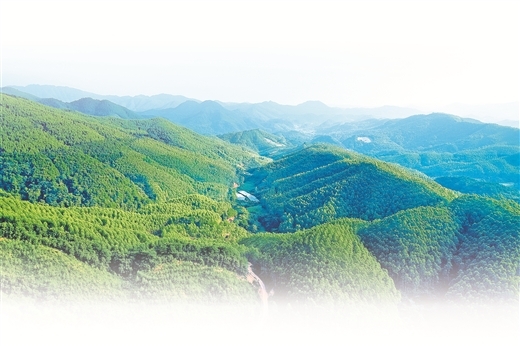
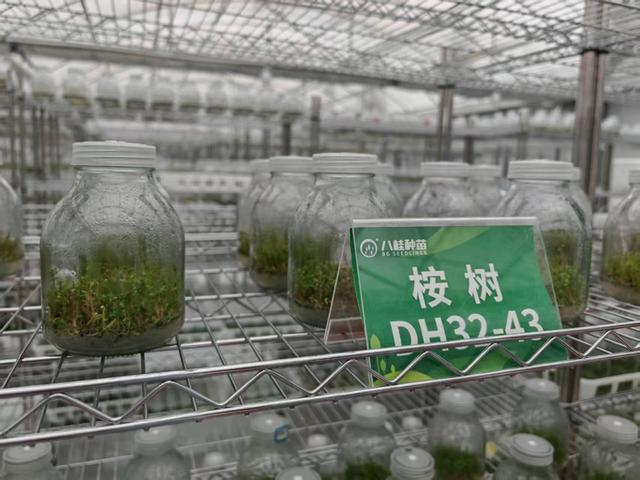
Core Insights - Guangxi has transformed its forestry sector, increasing forest coverage from 16% in 1950 to over 60% today, with annual timber production reaching 42 million cubic meters, accounting for nearly 40% of China's total timber output [1][2] - The region aims to become the first in China to exceed a forestry industry output value of 1 trillion yuan by 2024, exemplifying the concept that "green mountains and clear waters are invaluable assets" [1] - The development of the eucalyptus tree as a primary species has significantly contributed to Guangxi's forestry industry [2][4] Industry Development - Guangxi has established Asia's largest eucalyptus gene bank, preserving over 100 eucalyptus species, which supports the national eucalyptus industry [2] - The Guangxi Seedling Group has developed a full industry chain model from seed development to technical services, producing over 400 million seedlings annually [4] - The region's oil tea industry, with over 10.5 million acres planted, is projected to generate a comprehensive output value of approximately 63 billion yuan by the end of 2024 [7] Economic Impact - The development of the under-forest economy has created diverse income opportunities for rural populations, with a total output value of 2.855 billion yuan from under-forest economic activities [9][10] - The under-forest economy has benefited over 12 million forest farmers, increasing their annual income by over 4,000 yuan [10] - The introduction of the "forest ticket" system has revitalized land resources, directly benefiting around 17,000 households and generating nearly 170 million yuan [12] Technological Advancements - Guangxi has built two leading biotechnology factories for forest cultivation, producing over 400 million seedlings annually [4] - The region is transitioning from single-species forestry to mixed ecological management, enhancing ecological value and expected timber sales [14] - The wood processing industry in Guangxi has seen significant upgrades, with an annual production of over 78.79 million cubic meters of engineered wood, making it a major production base in China [17] Cultural and Ecological Integration - Guangxi's ecological initiatives are enhancing the quality of life for residents, with a focus on high-end custom furniture and sustainable practices [15][17] - The region's botanical gardens and nature reserves are promoting biodiversity and ecological education, attracting millions of visitors annually [19] - Collaborative efforts are underway to establish a national botanical garden in Nanning, showcasing biodiversity and promoting ecological civilization [19]
金湖重生记
Jing Ji Ri Bao· 2026-01-02 22:18
午后阳光洒在湖面上,鸟类监测员佘奕举着望远镜,仔细观察并记录鸟类活动。"看,那群就是青头潜 鸭!"他压低声音,指向远处一片芦苇荡。2018年冬天,佘奕在一次例行监测中,意外在混游的潜鸭群 里发现了青头潜鸭——国家一级重点保护鸟类、全球"极危"物种。 青头潜鸭对栖息环境要求极为苛刻,它们的出现,被视为生态环境质量优良的"风向标"。2024年冬季, 前来金湖越冬的青头潜鸭已稳定在50余只。"这是大自然对金湖生态修复成效最权威的认可。"佘奕无比 振奋。 当鸟类种类从141种上升至185种,金湖成为名副其实的"候鸟驿站"。2024年5月,金湖国家湿地公园生 物多样性保护实践被评为全国先进典范。 湖面如镜,倒映蓝天白云。远处,一群白鹭优雅掠过水面,惊起粼粼银浪。 这片名为"金湖"的水域,游弋在湖北省枝江市东北部,最终汇入长江。谁能想到,这个生机盎然的国家 级湿地公园,几年前还是人人掩鼻的"臭水湖"? "那时候,湖面被密密麻麻的网箱割裂,湖水泛着饲料的油光,大片芡实闷得水下臭气熏天。"金湖国家 湿地公园管理处工作人员邹时全描述着过往。 上世纪80年代以来,围湖造田、高密度养殖、生活污水和工业废水无序排放,让金湖生态系统不 ...
响应落实三部门支持林业高质量发展政策 《清华金融评论》正式发布“金融+科技”支持林业可持续发展专栏
清华金融评论· 2026-01-02 10:13
Core Viewpoint - The article emphasizes the importance of integrating finance and technology to support sustainable forestry development in China, aligning with the "Two Mountains" concept and recent government policies aimed at promoting ecological civilization and high-quality development in the forestry sector [2][3]. Group 1: Policy Background - The establishment of the "Financial + Technology" column in Tsinghua Financial Review responds to the joint notice issued by the People's Bank of China, financial regulatory authorities, and the National Forestry and Grassland Administration, which outlines 15 measures to enhance financial support for high-quality forestry development [2]. - The "Two Mountains" concept has evolved over the past 20 years, becoming a fundamental national strategy and a key component of Xi Jinping's ecological civilization thought, influencing major party reports and policies [2]. Group 2: Column Objectives - The column aims to explore pathways for transforming "green mountains and clear waters" into "golden mountains and silver mountains" through financial and technological innovations, fostering collaboration among the finance, technology, and forestry sectors [3]. - It seeks to create a platform for deep integration and interaction among various stakeholders, including financial institutions, technology firms, and the forestry industry, to enhance information sharing and promote technology transfer [3]. Group 3: Implementation Strategies - The column will provide in-depth analyses of central and local policies, helping readers understand key policy implications and opportunities, effectively serving as a "policy decoder" [4]. - It will compile and analyze innovative practices from various institutions in implementing these policies, aiming to create replicable and scalable case studies for financial and technological support in forestry [4]. - The column will address core challenges such as historical issues in forest rights confirmation and the valuation of ecological products, proposing actionable solutions to improve the financial and technological service framework for forestry [4].
720亩鱼塘变身候鸟机场
Xin Lang Cai Jing· 2026-01-02 03:05
来源: 央视新闻 #专为候鸟设计的机场#【#720亩鱼塘变身候鸟机场#[打call]】在江苏盐城条子泥湿地,有一座候鸟专 属"机场"——国内首个固定高潮位候鸟栖息地"720高地"。它由720亩鱼塘退渔还湿改造而成,划分出光 滩区、浅水区、深水区三种生态环境,每年吸引300万只候鸟来此停歇、换羽和越冬。如今,"720保护 模式"的2.0版本已升级至1.68万亩,并入选联合国生物多样性推荐案例,成为践行"两山理念"的生动实 践。赞!#近观两山# ...
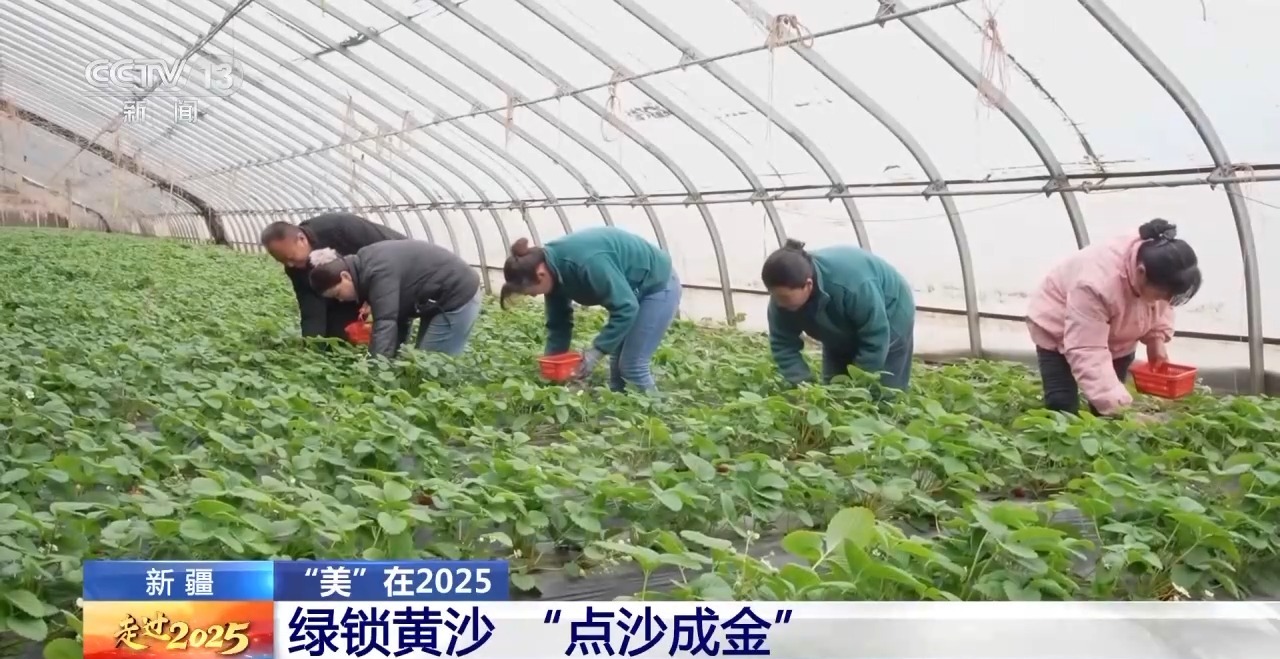
视频|“两山”理念下 新疆沙生经济“点沙成金”
Yang Shi Xin Wen Ke Hu Duan· 2026-01-02 02:08
Core Viewpoint - The article highlights the successful implementation of the "Two Mountains" concept in China, showcasing the completion of the Taklamakan Desert's edge-locking project, which has created the world's longest ecological barrier around a desert, promoting green economic development in the region [1]. Group 1: Environmental Initiatives - The Taklamakan Desert edge-locking project, spanning 3,046 kilometers, has achieved full completion, establishing a significant ecological barrier [1]. - The project has led to the development of a green economy, with local communities actively engaging in sand prevention and exploring sand-based economic opportunities [1]. Group 2: Agricultural Development - The Hetian County facility agricultural base has transformed previously barren land into productive green spaces, utilizing modern agricultural management techniques [3]. - The base features 1,000 modern greenhouses that produce over 10,000 tons of high-quality fruits and vegetables annually, demonstrating effective use of sand for agricultural purposes [5]. - The use of organic fertilizers and advanced technology, including mobile app controls, has resulted in a 70% reduction in labor costs for agricultural operations [7]. Group 3: Economic Impact - The total area of sand economic crops in Xinjiang has reached 10.83 million acres, generating a total output value of 28.9 billion yuan [9]. - Following the edge-locking project's completion, an additional 938,220 acres of green space have been added, expanding the protective barrier width from 110 meters to 7,500 meters [9].
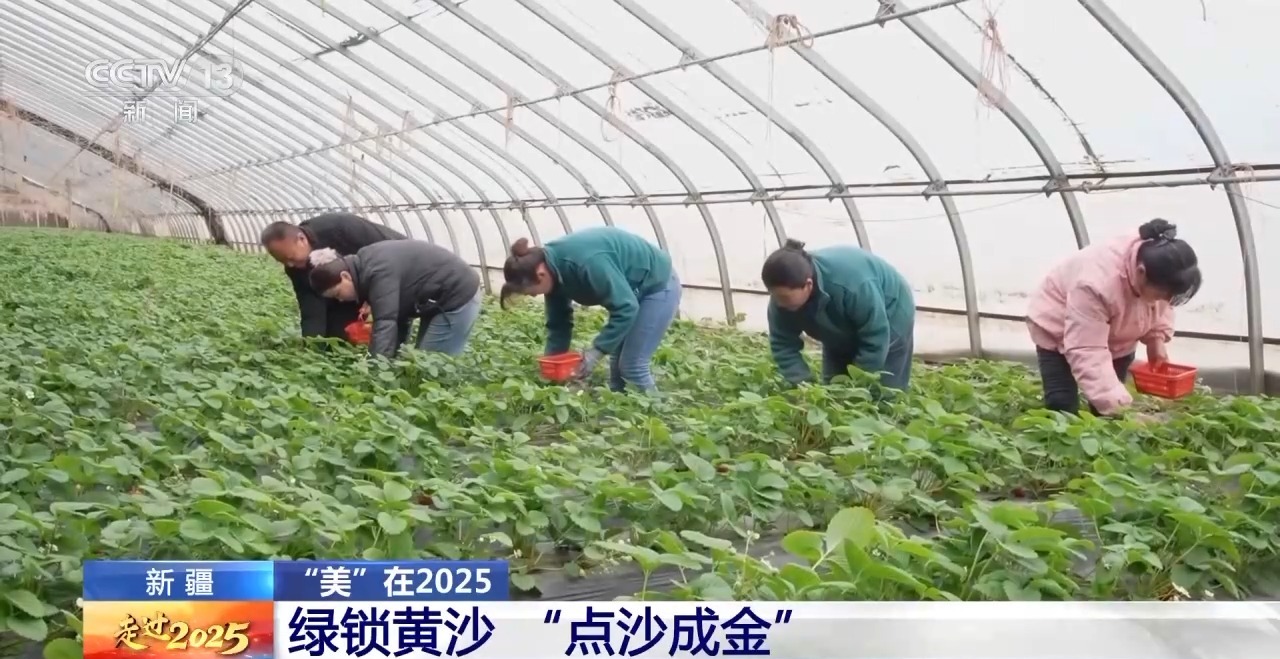
视频丨“两山”理念下 新疆沙生经济“点沙成金”
Xin Lang Cai Jing· 2026-01-01 02:18
Core Viewpoint - The article highlights the successful implementation of the "Two Mountains" concept in China, showcasing the transformation of the Taklamakan Desert through the completion of a green ecological barrier and the development of a sand economy in the region [1]. Group 1: Environmental Initiatives - The Taklamakan Desert's locking project, spanning 3,046 kilometers, has created the world's longest ecological barrier around the desert, marking a significant environmental achievement [1]. - The project has led to the establishment of a green protective belt, enhancing the ecological stability of the desert's edge [1]. Group 2: Agricultural Development - The Hetian County facility agriculture base has transformed previously barren land into productive agricultural areas, featuring 1,000 modern greenhouses that utilize advanced agricultural technologies [3]. - The base employs techniques such as sand-free cultivation, integrated water and fertilizer management, and automated temperature control, resulting in the annual production of over 10,000 tons of high-quality fruits and vegetables [3]. - The use of organic fertilizers and mobile app-controlled operations has allowed for a 70% reduction in labor costs, demonstrating the efficiency of modern agricultural practices in desert regions [5]. Group 3: Economic Impact - The total area of desert economic crops in Xinjiang has reached 10.83 million acres, generating a total output value of 28.9 billion yuan [7]. - Following the completion of the locking project, an additional 9.38 million acres of green space have been added, expanding the protective belt's width from 110 meters to 7,500 meters [7].