香料

Search documents
新化股份计划投资建设合成香料产品基地二期项目
Jing Ji Guan Cha Wang· 2026-02-11 05:19
Core Viewpoint - XinHua Co., Ltd. plans to invest in the second phase of its synthetic flavor product base, with a fixed asset investment of 152.5 million yuan, aiming to enhance product variety and market competitiveness [1] Investment Details - The total fixed asset investment for the project is 152.5 million yuan [1] - The project is expected to commence construction on April 1, 2026, with a construction period of approximately 12 months [1]

国投丰乐(000713.SZ):丰乐香料新厂于2025年7月开始试生产
Ge Long Hui· 2026-02-04 01:08
Core Viewpoint - The company is in the process of trial production for its new spice factory, which is expected to officially start production in the second half of 2026, subject to market demand and other uncertainties [1] Group 1: Company Operations - The new spice factory is scheduled to begin trial production in July 2025, with a one-year trial period [1] - The company reports stable operating conditions, with trial production proceeding smoothly and meeting process standards [1] - After the official production begins, the company will adjust production based on market demand to gradually release capacity and achieve full operational efficiency [1]

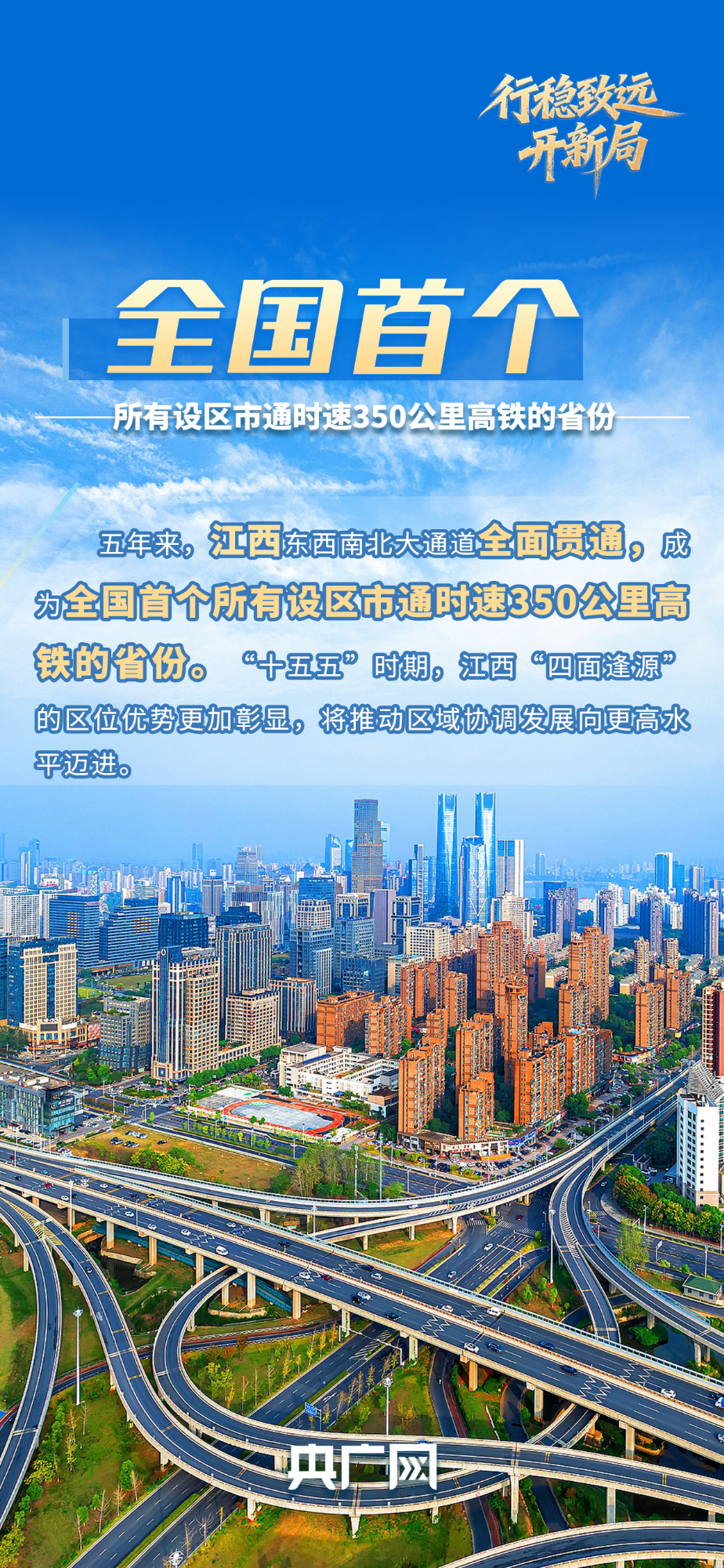
行稳致远开新局丨老区跑出加速度 实“赣”激活了哪些新动能?
Yang Guang Wang· 2026-01-31 12:47
Group 1: Economic Development and Innovation - Jiangxi province is focusing on high-quality economic development and innovation, leveraging its geographical advantages and resources to break through development bottlenecks [6][10][25] - The establishment of the "Weekend Engineer" program in Ganzhou is fostering deep integration between talent and industry, enhancing local production capabilities [5][6] - The province has built a comprehensive transportation network, becoming the first in China to have all its districts connected by high-speed rail, facilitating talent exchange and production factor flow [6][10] Group 2: Industry Upgrades and Digital Transformation - Traditional manufacturing in Jiangxi is undergoing digital transformation, with companies implementing smart technologies to enhance production efficiency [11][12] - The province has initiated a "Digital Economy Development Project," promoting the integration of AI and data governance in manufacturing processes, significantly reducing product development time [6][12] - Jiangxi's advancements in high-end manufacturing, such as the production of ultra-thin electrical steel, demonstrate its capability to break technological monopolies and achieve global leadership in certain sectors [13][15] Group 3: Trade and Export Efficiency - Jiangxi has improved its export efficiency through the establishment of priority customs channels, which have increased the speed of goods clearance by over 30% [7][10] - The province has developed multiple national-level open ports and free trade zones, enhancing its position as a key player in international trade [10][25] - The export of Jiangxi's products, including integrated circuits and automotive parts, is steadily increasing, with the province's export clearance efficiency ranking first in Central China [10][25] Group 4: Cultural and Tourism Development - Jiangxi is enhancing its cultural tourism sector by integrating local heritage with ecological resources, attracting international artists and tourists [18][22] - The province's tourism industry has seen significant growth, with a 4.75% increase in domestic tourist numbers and a 13.8% rise in total tourism expenditure in 2025 [22][25] - The development of cultural IP around porcelain in Jingdezhen is fostering international cultural exchanges and boosting local tourism [19][22]

以商调商,以信立市
Xin Lang Cai Jing· 2026-01-14 19:42
Core Viewpoint - The successful resolution of a cross-border trade dispute involving a Hong Kong buyer and a seller from Yulin, Guangxi, highlights the effectiveness of the innovative "Chamber of Commerce mediation + court guidance" model in enhancing trust and reputation in the spice industry [1][4][9] Group 1: Dispute Resolution Process - The Yulin Spice Chamber of Commerce recognized the complexity of the dispute due to differing legal systems and business philosophies between the regions, leading to a commitment to resolve the issue to maintain market trust [2][3] - Initial mediation efforts focused on understanding the seller's perspective and alleviating their concerns about the situation, which was rooted in genuine supply chain difficulties [2][3] - The mediation process involved educating the seller on the legal and reputational consequences of non-compliance, which shifted their attitude from resistance to cooperation [3][6] Group 2: Innovative Mediation Model - The "Chamber of Commerce mediation + court guidance" model facilitated effective communication and resolution by combining the Chamber's industry knowledge with the court's legal authority [4][5] - The close physical proximity of the Chamber and the court allowed for timely collaboration, enhancing the mediation process and reducing resolution time significantly compared to traditional litigation [5][6] Group 3: Credit System and Industry Reputation - The Chamber implemented a credit rating system that imposes tangible consequences for non-compliance, thereby encouraging adherence to agreements and enhancing overall industry credibility [6][7] - Positive outcomes from the mediation led to increased awareness among other merchants about the importance of maintaining good credit ratings, further solidifying the Chamber's role in fostering a trustworthy business environment [7][8] Group 4: Future Directions and Training - The Chamber plans to strengthen its mediation capabilities by providing cross-border legal training for mediators, focusing on the differences in legal systems and cultural concepts between regions [8] - The successful mediation case serves as a model for future dispute resolution efforts and highlights the Chamber's potential role in broader social governance initiatives [9]
2025年越南肉桂出口达3亿美元
Shang Wu Bu Wang Zhan· 2026-01-09 15:12
Core Insights - Vietnam's cinnamon export volume is projected to reach 120,295 tons in 2025, with a value of $300.2 million, marking a year-on-year increase of 20.4% in volume and 9.4% in value, representing the highest level in the history of Vietnam's cinnamon exports [1] Export Market Analysis - India remains the largest export market for Vietnamese cinnamon, with exports expected to reach 45,184 tons in 2025, reflecting a year-on-year growth of 25.9% and a market share of 37.6% [1] - The United States and Bangladesh follow as the second and third largest markets, with expected exports of 13,583 tons and 10,202 tons respectively [1] Import Data - In 2025, Vietnam's cinnamon import volume is anticipated to be 5,034 tons, with an import value of $11.3 million, showing a year-on-year increase of 11.7% in volume and 4.3% in value [1] - The primary sources of imports are Indonesia and China [1]
从“金不换”到“万亿金”——绿涌八桂的“两山”答卷
Huan Qiu Wang· 2026-01-05 08:09
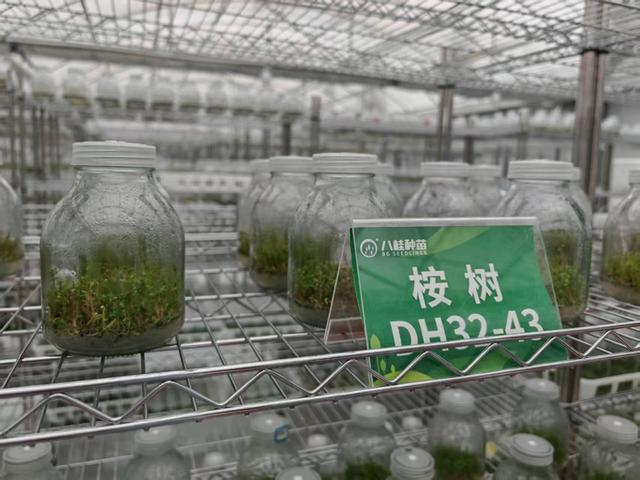
Core Insights - Guangxi has transformed its forestry sector, increasing forest coverage from 16% in 1950 to over 60% today, with annual timber production reaching 42 million cubic meters, accounting for nearly 40% of China's total timber output [1][2] - The region aims to become the first in China to exceed a forestry industry output value of 1 trillion yuan by 2024, exemplifying the concept that "green mountains and clear waters are invaluable assets" [1] - The development of the eucalyptus tree as a primary species has significantly contributed to Guangxi's forestry industry [2][4] Industry Development - Guangxi has established Asia's largest eucalyptus gene bank, preserving over 100 eucalyptus species, which supports the national eucalyptus industry [2] - The Guangxi Seedling Group has developed a full industry chain model from seed development to technical services, producing over 400 million seedlings annually [4] - The region's oil tea industry, with over 10.5 million acres planted, is projected to generate a comprehensive output value of approximately 63 billion yuan by the end of 2024 [7] Economic Impact - The development of the under-forest economy has created diverse income opportunities for rural populations, with a total output value of 2.855 billion yuan from under-forest economic activities [9][10] - The under-forest economy has benefited over 12 million forest farmers, increasing their annual income by over 4,000 yuan [10] - The introduction of the "forest ticket" system has revitalized land resources, directly benefiting around 17,000 households and generating nearly 170 million yuan [12] Technological Advancements - Guangxi has built two leading biotechnology factories for forest cultivation, producing over 400 million seedlings annually [4] - The region is transitioning from single-species forestry to mixed ecological management, enhancing ecological value and expected timber sales [14] - The wood processing industry in Guangxi has seen significant upgrades, with an annual production of over 78.79 million cubic meters of engineered wood, making it a major production base in China [17] Cultural and Ecological Integration - Guangxi's ecological initiatives are enhancing the quality of life for residents, with a focus on high-end custom furniture and sustainable practices [15][17] - The region's botanical gardens and nature reserves are promoting biodiversity and ecological education, attracting millions of visitors annually [19] - Collaborative efforts are underway to establish a national botanical garden in Nanning, showcasing biodiversity and promoting ecological civilization [19]
兵团认定首批工业设计创新中心
Xin Lang Cai Jing· 2025-12-20 19:01
Core Viewpoint - The recognition of the first batch of industrial design innovation centers by the Xinjiang Production and Construction Corps (XPCC) highlights the strength and standards in the current industrial design sector within the region [1] Group 1: Recognition of Innovation Centers - Three companies have been recognized as industrial design innovation centers: Xinjiang Yiparhan Spice Co., Ltd., Xinjiang Western Anxing Electronic Materials Co., Ltd., and Xinjiang Daqian New Energy Co., Ltd. [1] - The recognition process involved self-application by enterprises, recommendations from local industry departments, expert evaluations, public announcements, and final review by the XPCC's industrial and information technology bureau [1] Group 2: Future Directions and Support - The XPCC's industrial and information technology bureau plans to guide recognized units to increase investment in design research and development, improve innovation incentive mechanisms, and gather high-quality design resources [1] - There is an emphasis on promoting the deep integration of industrial design with the real economy to enhance the core competitiveness of products and services [1] - The bureau will strengthen guidance services and dynamic supervision, leveraging the demonstration and leading role of the industrial design innovation centers to inject continuous momentum into the high-quality development of the industrial sector in the region [1]
华业香料:12月18日召开董事会会议
Mei Ri Jing Ji Xin Wen· 2025-12-18 08:56
Group 1 - The core point of the article is that Huaye Spice (SZ 300886) announced the convening of its fifth board meeting on December 18, 2025, to discuss the appointment of Mr. Gao Ming as the deputy general manager [1] - For the year 2024, Huaye Spice's revenue composition is entirely from spices, with a 100.0% share [1] - As of the report date, Huaye Spice has a market capitalization of 1.9 billion yuan [1]
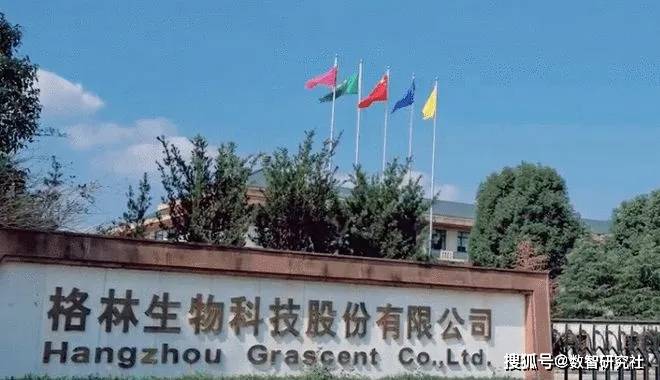
83岁老板三冲创业板,IPO前突击转股给女儿
Sou Hu Cai Jing· 2025-12-15 23:45
Core Viewpoint - The company, Green Biological Technology Co., Ltd., is attempting its third IPO on the ChiNext board, facing significant compliance issues and financial pressures that raise doubts about its viability and intentions in the capital market [3][6][8]. Financial Health - As of June 2025, the company's asset-liability ratio reached 62.13%, with short-term loans and liabilities due within one year amounting to 340 million yuan, while cash on hand was only 95.95 million yuan, indicating severe debt pressure [2][6]. - The company plans to raise 690 million yuan in its IPO, with 80 million yuan allocated for debt repayment, raising questions about its financial management [6][8]. Compliance Issues - Green Biological has faced multiple administrative penalties, with five out of seven penalties related to environmental violations, highlighting ongoing compliance challenges [4]. - The company has been criticized for inaccurate accounting of R&D expenses and declining production capacity, which raises concerns about its status as a high-tech enterprise [4][5]. R&D and Production Capacity - The R&D expense ratio from 2022 to the first half of 2025 was below the industry average, with a notable increase in personnel costs that raises suspicions of financial manipulation to meet listing criteria [5]. - The company's production capacity utilization has dropped significantly, with the main plant at 53.87% and a subsidiary at 68.3%, questioning the rationale behind expanding production capacity [5]. Ownership and Governance - The founder, at 83 years old, transferred 9 million shares to his daughter, increasing her stake to 9% and raising concerns about governance independence and potential family control issues [6][8]. - The company's governance structure, characterized by family control, has led to market skepticism regarding its independence and decision-making processes [6][8]. Dividend Payments - Despite financial strain, the company has issued substantial cash dividends, including 80 million yuan in both 2022 and 2024, which exceeded its net profit in 2022, raising questions about its financial priorities [7][8].

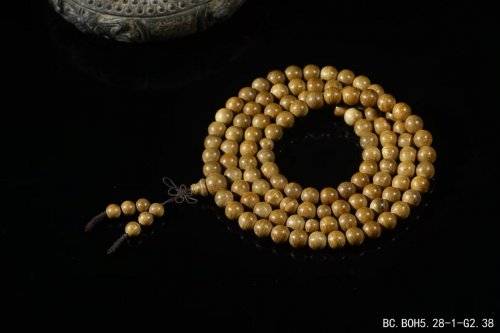
星洲系沉香产区分布及市场关注
Sou Hu Cai Jing· 2025-12-08 06:46
Core Viewpoint - The rising interest in the agarwood market has made the "Xingzhou system" agarwood production areas a focal point for industry and collectors, primarily encompassing regions in Southeast Asia such as Malaysia, Indonesia, Brunei, and Thailand [1][3]. Group 1: Market Characteristics - Agarwood is an extremely rare natural fragrance that forms through a lengthy natural process, with Xingzhou system agarwood known for its rich aroma and distinct layers [3]. - The scarcity and difficulty of harvesting Xingzhou system agarwood have led to a long-term supply-demand imbalance, resulting in rising prices as high-net-worth individuals increasingly take an interest in agarwood collection [3][5]. - The balanced distribution of fragrance and oil in Xingzhou system agarwood makes it suitable for various appreciation methods, contrasting sharply with cultivated agarwood, which tends to have a singular aroma due to human intervention [3]. Group 2: Brand and Consumer Engagement - Brands like Xiangzhizun Agarwood are innovating in product experience and traceability, emphasizing the importance of sourcing high-quality wild materials from the Xingzhou system [3]. - The focus on offline experiences allows consumers to engage with the agarwood physically, aligning with the demand for authentic products from genuine production areas [3][5]. - As the culture of agarwood spreads in China, consumer awareness regarding production area traceability, fragrance characteristics, and identification methods is increasing, prompting industry experts to recommend enhanced knowledge reserves among market participants [5]. Group 3: Future Trends - The unique fragrance and scarcity of Xingzhou system agarwood provide solid support for the high-end agarwood market, with its status unlikely to be challenged in the short term [5]. - The trend towards transparency in the agarwood industry is expected to accelerate, with production area traceability and on-site experiences becoming new trends in agarwood consumption and collection [5]. - For consumers looking to deepen their understanding of the agarwood industry, the Xingzhou system production areas are a key focus, with brands playing a crucial role in guiding this process [5].