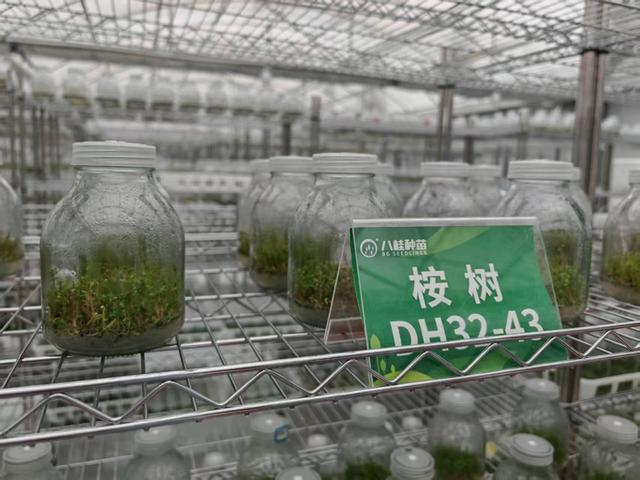
桉树

Search documents
从黄金海岸线到国家储备林
Jin Rong Shi Bao· 2026-01-20 02:12
Group 1 - The coastal city of Fangchenggang in China has a favorable ecological environment and rich marine biodiversity, which has led to the implementation of biodiversity financial standards [1] - Fangchenggang is focusing on developing a modern shrimp farming industry, with Hai Zhi Heng Aquaculture Co., Ltd. primarily cultivating whiteleg shrimp and banana shrimp [1] - The company has adopted a factory farming model since 2018, utilizing a water circulation system and IoT smart control to optimize feeding and reduce pollution [1] - In early 2024, the company invested over 23 million yuan to expand its capacity by building a new 28-acre high-level pool greenhouse, which initially strained its liquidity [1] - Guilin Bank Fangchenggang Branch provided a tailored financing solution, issuing a loan of 2.5 million yuan to alleviate the company's financial pressure and support its transition to factory farming [1] Group 2 - The Fangchenggang National Reserve Forest Base is primarily used for cultivating eucalyptus and other broadleaf tree industrial raw materials [2] - Under the guidance of the People's Bank of China Fangchenggang Branch, the Agricultural Development Bank Fangchenggang Branch launched a "sustainable forestry + biodiversity" credit support program, providing a total credit of 700 million yuan to the reserve forest base [2] - By November 2025, the Agricultural Development Bank Fangchenggang Branch had disbursed 510 million yuan in loans to support the construction of the national reserve forest base, promoting a shift from traditional resource utilization to a comprehensive model of ecological restoration and rural revitalization [2]
十年转型路 林海换新颜
Ren Min Ri Bao· 2026-01-19 22:09
Core Viewpoint - The transformation from monoculture eucalyptus plantations to mixed forests at Qipo Forest Farm aims to balance ecological sustainability and economic viability, addressing the drawbacks of long-term single-species cultivation [1][2]. Group 1: Ecological Transformation - Qipo Forest Farm has initiated a shift from pure eucalyptus forests to mixed forests since 2015, focusing on site-specific tree species selection to enhance ecological diversity [1][3]. - The farm retains approximately 40 eucalyptus trees per acre for short-term revenue while planting 60 native species like red fir and camphor, which improve soil quality and provide long-term value [2][3]. - The forest coverage has increased to 83.7%, with a total forest stock of 6.4 million cubic meters, creating a natural barrier for soil and water conservation [2]. Group 2: Economic Strategies - The farm has adopted selective logging methods to minimize damage to native species, allowing for higher-value timber harvesting while maintaining ecological continuity [2][3]. - The introduction of the "Lin Piao 1.0" model in 2023 aims to consolidate fragmented land held by villagers for more efficient management, enhancing economic returns for local communities [4][5]. - The upcoming "Lin Piao 2.0" model, set for 2025, will allow villagers to invest in shares, providing fixed annual dividends and enabling early redemption, thus improving financial security for participants [4][5]. Group 3: Technological and Educational Advancements - The use of mechanized technology has significantly increased operational efficiency, allowing for the management of 30 acres in a day compared to previous manual methods [3]. - Continuous professional training for technical staff is essential to adapt to the new mixed forest management practices, ensuring effective species selection and care [3].
投资1亿美元!中资企业布局桔井省农林业基地
Sou Hu Cai Jing· 2026-01-14 08:44
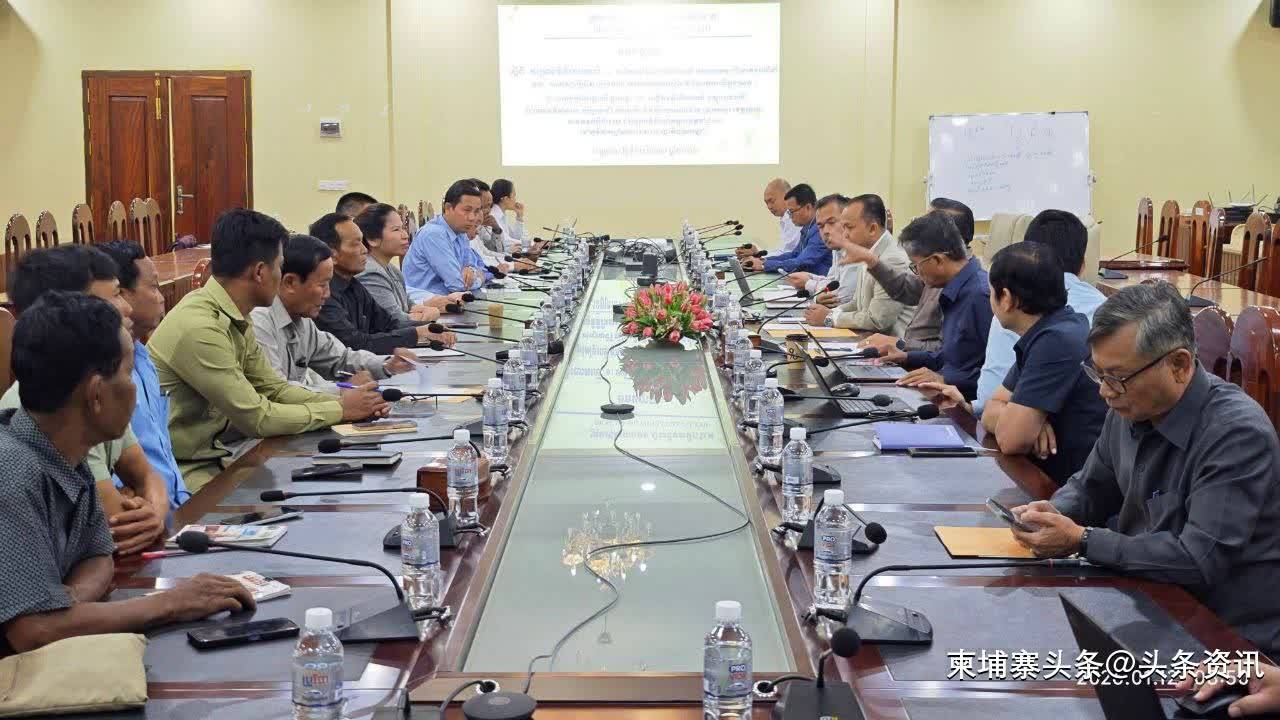
Group 1 - The company Bracam Sil Vicultura Co., Ltd. plans to invest approximately $100 million in a comprehensive agricultural and forestry project in Cambodia's Kratie Province, which is expected to create around 200 direct jobs locally [3][4] - The project will not only focus on planting but will also integrate research, cultivation, and deep processing, including the introduction of hybrid acacia and eucalyptus, as well as various local tree species [3] - The establishment of this project aims to build a vertical industry chain from raw material planting to primary processing and final furniture manufacturing, significantly enhancing the added value of Cambodian timber products and reducing reliance on imports [4] Group 2 - The company is headquartered in China and has previously engaged in furniture manufacturing in the "Zhejiang International Special Zone" in Sihanoukville and Kampong Speu [4] - The local government is encouraged to strengthen a "one-stop service" mechanism to provide a transparent and efficient coordination environment for enterprises, while prohibiting unnecessary administrative interference [4] - A site visit was conducted by the working group to assess the geographical conditions and technical details of the project location in Ucklongsenchey County, preparing for subsequent review and implementation [5]

从“金不换”到“万亿金”——绿涌八桂的“两山”答卷
Huan Qiu Wang· 2026-01-05 08:09
Core Insights - Guangxi has transformed its forestry sector, increasing forest coverage from 16% in 1950 to over 60% today, with annual timber production reaching 42 million cubic meters, accounting for nearly 40% of China's total timber output [1][2] - The region aims to become the first in China to exceed a forestry industry output value of 1 trillion yuan by 2024, exemplifying the concept that "green mountains and clear waters are invaluable assets" [1] - The development of the eucalyptus tree as a primary species has significantly contributed to Guangxi's forestry industry [2][4] Industry Development - Guangxi has established Asia's largest eucalyptus gene bank, preserving over 100 eucalyptus species, which supports the national eucalyptus industry [2] - The Guangxi Seedling Group has developed a full industry chain model from seed development to technical services, producing over 400 million seedlings annually [4] - The region's oil tea industry, with over 10.5 million acres planted, is projected to generate a comprehensive output value of approximately 63 billion yuan by the end of 2024 [7] Economic Impact - The development of the under-forest economy has created diverse income opportunities for rural populations, with a total output value of 2.855 billion yuan from under-forest economic activities [9][10] - The under-forest economy has benefited over 12 million forest farmers, increasing their annual income by over 4,000 yuan [10] - The introduction of the "forest ticket" system has revitalized land resources, directly benefiting around 17,000 households and generating nearly 170 million yuan [12] Technological Advancements - Guangxi has built two leading biotechnology factories for forest cultivation, producing over 400 million seedlings annually [4] - The region is transitioning from single-species forestry to mixed ecological management, enhancing ecological value and expected timber sales [14] - The wood processing industry in Guangxi has seen significant upgrades, with an annual production of over 78.79 million cubic meters of engineered wood, making it a major production base in China [17] Cultural and Ecological Integration - Guangxi's ecological initiatives are enhancing the quality of life for residents, with a focus on high-end custom furniture and sustainable practices [15][17] - The region's botanical gardens and nature reserves are promoting biodiversity and ecological education, attracting millions of visitors annually [19] - Collaborative efforts are underway to establish a national botanical garden in Nanning, showcasing biodiversity and promoting ecological civilization [19]