传销

Search documents
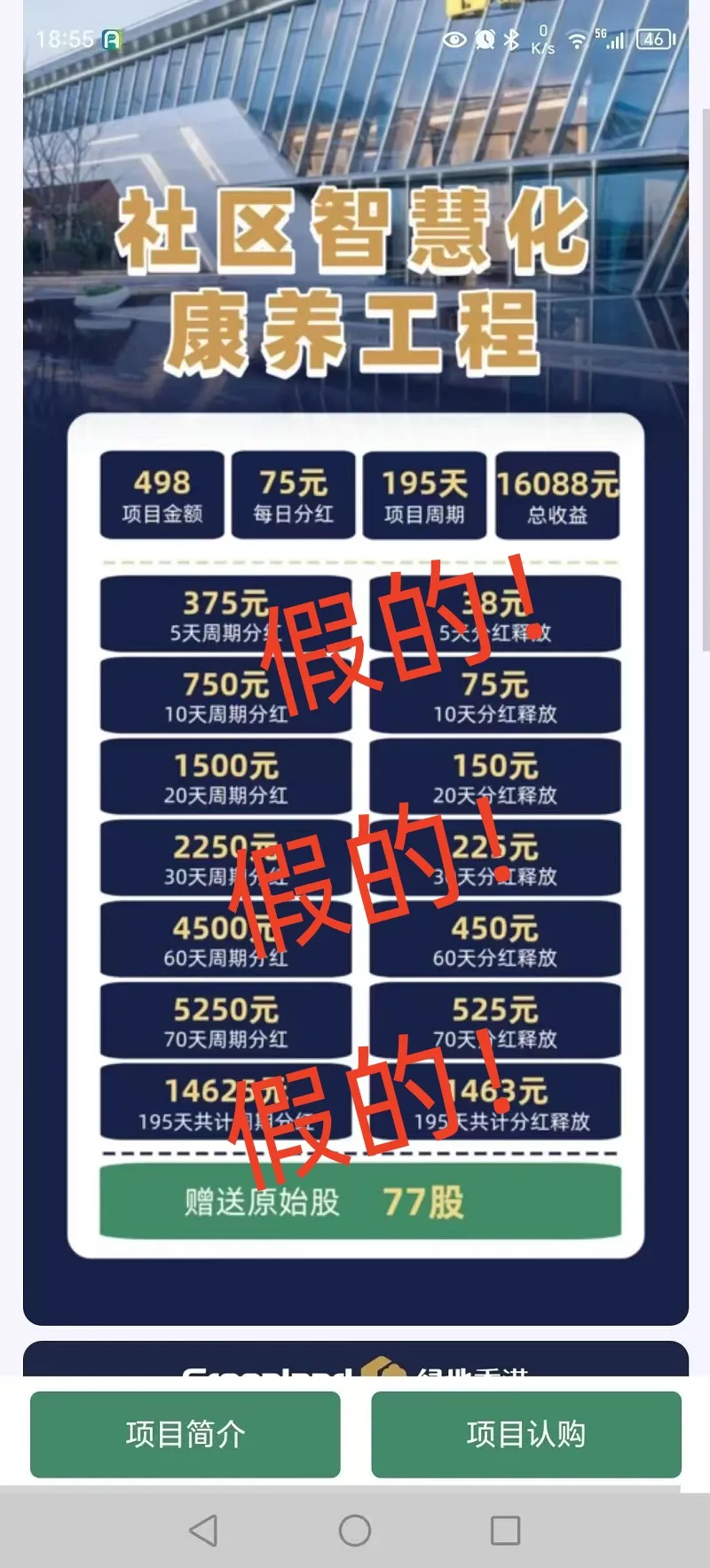
“绿地香港App”发钱了?每月可领几百到上千社保金?公司声明
Mei Ri Jing Ji Xin Wen· 2025-11-18 14:45
Core Viewpoint - Recent reports indicate that fraudulent activities are being conducted under the guise of "Greenland Hong Kong" offering a so-called "China Dream Special Social Security Fund," which has raised concerns about scams targeting the elderly [2][3][14]. Group 1: Fraudulent Activities - Fraudsters are using fake apps and social media to promote non-existent financial products, claiming high returns and requiring users to recruit others to withdraw funds [3][12][17]. - The fraudulent promotions often target individuals over 40 years old, misleading them into believing they can receive monthly payments ranging from 450 to 1075 yuan [2][12]. Group 2: Company Response - Greenland Hong Kong has issued a statement warning the public about these scams and has reported the matter to law enforcement [3][7][14]. - The company clarified that it has not developed or authorized any official apps related to social security funds and that all claims of such products are fraudulent [14][17]. Group 3: Legal Implications - Legal experts suggest that the actions of the fraudsters may constitute fraud and illegal fundraising, potentially leading to criminal charges [13][18]. - The use of Greenland Hong Kong's name and logo in these scams could infringe on the company's trademark rights, and those promoting the scams may also face civil liability [18].

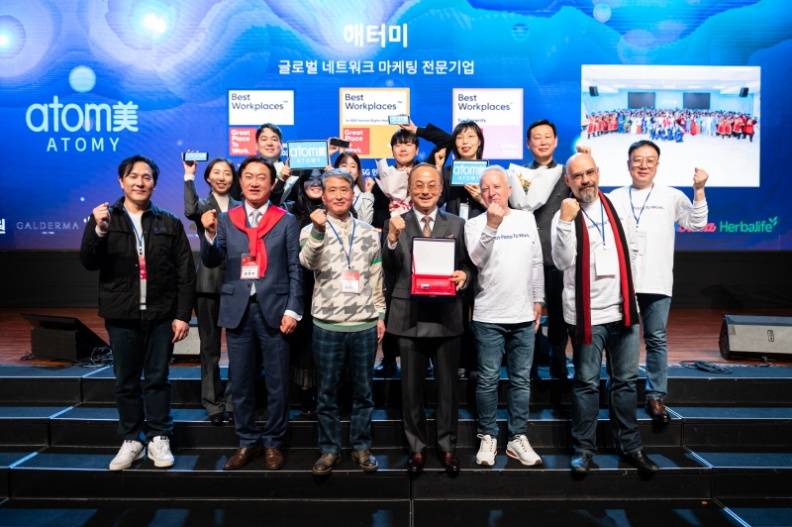
拨开传销迷雾艾多美的合规经营真相揭晓
Sou Hu Cai Jing· 2025-11-17 11:46
Core Viewpoint - The article emphasizes the distinction between Atomy's compliant business model and the deceptive practices of pyramid schemes, highlighting Atomy's commitment to transparency, quality, and consumer satisfaction [1][4][7][8] Product Quality - Atomy focuses on "quality as the core," contrasting with pyramid schemes that use low-quality products as tools for profit. Atomy ensures high-quality raw materials and rigorous testing for its health and beauty products, exemplified by its dishwashing liquid, which is made from natural ingredients and priced competitively [4][5] Business Model - Atomy operates on a "consumer-oriented" model, breaking away from the pyramid scheme's hierarchical profit extraction. Consumers can register for free and purchase products without mandatory fees, and earnings are based solely on actual sales rather than recruitment [5][8] Compliance System - Atomy promotes "transparent compliance," in stark contrast to pyramid schemes that evade regulations. The company has established a robust compliance framework, publicly displaying its legal operating credentials and actively welcoming regulatory oversight [7][8] Value Orientation - Atomy is guided by a "long-term win-win" philosophy, focusing on sustainable consumer service rather than the short-term profit motives typical of pyramid schemes. The company continuously improves its products based on consumer feedback and offers comprehensive after-sales support [8]

揭秘资金盘生态圈:海外操盘手搭台、境内“团队长”唱戏、散户成了接盘侠
Di Yi Cai Jing· 2025-10-31 07:03
Core Insights - Investment schemes that appear too good to be true often lack a clear understanding of their value source and business model, indicating they may be fraudulent operations [1][2] - In October alone, 200 fraudulent investment schemes were warned about, representing only a fraction of the total [1] Types of Schemes - The article categorizes investment scams into ten types, including online shopping, investment and financial management, entrepreneurship, tourism, education, charity, intermediary platforms, franchise models, sales rewards, and stock fund investments [2] - Common tactics used by these schemes include promises of guaranteed returns, high rebates, government support, and insider information, targeting inexperienced investors seeking quick profits [2] Operational Mechanisms - Investment schemes often rely on a pyramid structure, where new investors' funds are used to pay returns to earlier investors, leading to inevitable collapse when new investments slow down [2] - The flow of funds has become increasingly concealed and cross-border, utilizing methods like QR code transfers and cryptocurrencies, making it difficult to trace [3] Ecosystem of Scams - The ecosystem of these schemes consists of "operators" at the top, who design the framework and rules, often hiding abroad, while "team leaders" operate within the country to recruit new investors [4] - Team leaders play a crucial role in promoting new schemes and often have extensive experience in the field, acting as both investors and recruiters [5] Recruitment and Exit Strategies - Team leaders use social media to recruit participants, offering guarantees and support to entice new investors, but they often exit before the scheme collapses, leaving latecomers to bear the losses [5] - Some team leaders have been known to receive warnings about the risks of certain schemes and preemptively withdraw their teams [5] Legal and Ethical Considerations - Individuals involved in these schemes, particularly team leaders, may be considered as co-conspirators and should face legal consequences for their roles in perpetuating fraud [6] - The article emphasizes the need for regulatory bodies to not only target the schemes themselves but also to hold team leaders accountable for their involvement [6]
对比传销特征看艾多美无"入门门槛费",不符合传销核心定义
Sou Hu Cai Jing· 2025-10-27 05:39
Core Viewpoint - The essence of the business model is distinguished by the presence or absence of entry fees, with Atomy's zero-entry fee policy highlighting its compliance and legitimacy compared to pyramid schemes [1][10]. Group 1: Business Model - Atomy operates with a zero-entry fee policy, allowing any consumer to purchase products freely without prepayment, contrasting sharply with pyramid schemes that require high entry fees [3][4]. - The revenue model of Atomy is based on actual product sales, ensuring that member earnings come from genuine transactions rather than from entry fees, which is a fundamental difference from pyramid schemes [3][4]. Group 2: Product Quality and Consumer Rights - Atomy invests significantly in product research and quality control, ensuring that each product has real value, unlike pyramid schemes that often emphasize investment attributes over product quality [4][10]. - The company has established a comprehensive service system for consumer rights protection, including after-sales support and return policies, which starkly contrasts with the transactional nature of pyramid schemes [4][8]. Group 3: Long-term Strategy and Compliance - Atomy focuses on building long-term customer relationships through continuous product innovation and service optimization, reflecting a sustainable development strategy unlike the short-term profit focus of pyramid schemes [8][10]. - The company strictly adheres to relevant laws and regulations, demonstrating a commitment to legal compliance, which differentiates it from pyramid schemes that often operate on the fringes of legality [8][10].

消费导向从艾多美模式看其与传销的本质差异
Sou Hu Cai Jing· 2025-10-08 07:12
Core Drivers - The core driver of the pyramid scheme is "recruiting new members," where income is primarily derived from the number of recruits rather than actual product sales. The profit model relies on entry fees from new participants, creating a pyramid structure that depends on continuous expansion [4]. - In contrast, Atomy's core driver is "product sales," focusing on providing high-quality products that meet consumer needs. Over 75% of Atomy's revenue comes from repeat purchases, indicating a sustainable business model centered on consumer satisfaction rather than recruitment [4]. Value Basis - Pyramid schemes often rely on false advertising and low-quality products, with participants required to purchase overpriced items that lack real market value. The primary goal is to extract money from participants rather than provide genuine value [7]. - Atomy's value foundation is built on "mass premium" products, selected globally for their quality and cost-effectiveness. The company's strategy ensures that products have independent market value and meet real consumer needs, supporting sustainable business growth [7]. Consumer Role - In pyramid schemes, consumers are exploited and positioned at the bottom of the hierarchy, where they often suffer financial losses while those at the top benefit from their investments. This model is characterized by deception and harm, functioning as a zero-sum game [11]. - Atomy views consumers as valuable partners, promoting a philosophy of "unity between consumers and operators." Consumers are encouraged to share their experiences and earn reasonable profits from product sales, aligning their interests with the company's performance [11]. Conclusion - The fundamental difference between Atomy's model and pyramid schemes lies in Atomy's focus on products and consumer needs, creating a sustainable ecosystem, while pyramid schemes prioritize recruitment and exploitative practices. Atomy's commitment to consumer-centric values fosters a healthy and transparent business environment, clearly distinguishing it from pyramid schemes [11].

揭秘传销传闻艾多美的合规经营真相揭晓
Sou Hu Cai Jing· 2025-09-26 03:22
Core Viewpoint - The article emphasizes that Atomy distinguishes itself from pyramid schemes through compliance, quality products, transparent business models, and a long-term value orientation, thereby providing a clear understanding of legitimate business practices [1][10]. Product Quality - Atomy focuses on "quality as the core," contrasting with pyramid schemes that use low-quality products as tools for profit. Atomy ensures high-quality raw materials and rigorous testing for its health and beauty products, exemplified by its dishwashing liquid made from natural ingredients, priced at half that of similar products [3][4]. Business Model - Atomy adopts a "consumer-oriented" model, breaking away from the pyramid scheme's exploitative structure. Consumers can register for free and purchase products without mandatory fees, and earnings for business operators are tied solely to actual product sales, eliminating any tiered commission structure [4][6]. Compliance System - Atomy promotes "transparent compliance," actively building a robust compliance framework. It publicly shares its legal operating credentials and welcomes regulatory oversight, contrasting sharply with pyramid schemes that often evade regulations through deceptive practices [6][10]. Value Orientation - Atomy is committed to "long-term win-win" strategies, focusing on sustainable consumer service and product optimization based on feedback, which stands in stark contrast to the short-term profit motives of pyramid schemes [7][10].
投资“第五大电商”年化收益可超200%?政府部门提醒→
第一财经· 2025-08-14 14:59
Core Viewpoint - The article discusses the emergence of "Long Nian You Xuan" as a controversial investment platform attracting many middle-aged and elderly individuals, raising concerns about its legitimacy and potential classification as a pyramid scheme [3][5][21]. Group 1: Platform Legitimacy - "Long Nian You Xuan" claims to be a legitimate platform approved by the Ministry of Industry and Information Technology, presenting itself as the "fifth largest e-commerce platform" [7][8]. - The platform misrepresents its ICP filing as a government approval certificate, misleading investors about its legitimacy [8][10]. - The company claims to have over 2 million members and projects rapid growth, expecting to reach 10 million by August 1, 2025, and 50 million by July 2026 [13][15]. Group 2: Investment Structure - Membership levels are categorized into five tiers, with the entry-level VIP membership requiring an investment of 1,080 yuan, which can lead to significant monthly rewards based on performance [16][17]. - The platform offers a high annualized return of over 200%, which is significantly more attractive compared to traditional bank savings [14][17]. - Members are incentivized to recruit new members, creating a cycle of investment that resembles a pyramid scheme [19][22]. Group 3: Investor Behavior - Many investors, including retirees, are drawn to the platform due to the promise of quick returns, often borrowing money to invest [19][20]. - Despite doubts about the sustainability of the promised returns, the allure of high profits leads many to continue investing [22][24]. - Some members have taken extreme measures, such as using multiple identities to maximize their recruitment bonuses [17][19]. Group 4: Regulatory Response - Local authorities have begun investigating "Long Nian You Xuan" due to numerous complaints and concerns about its operations [26][27]. - Previous warnings have been issued regarding similar platforms that employ high-return promises and recruitment incentives, indicating a pattern of potential fraud [27].

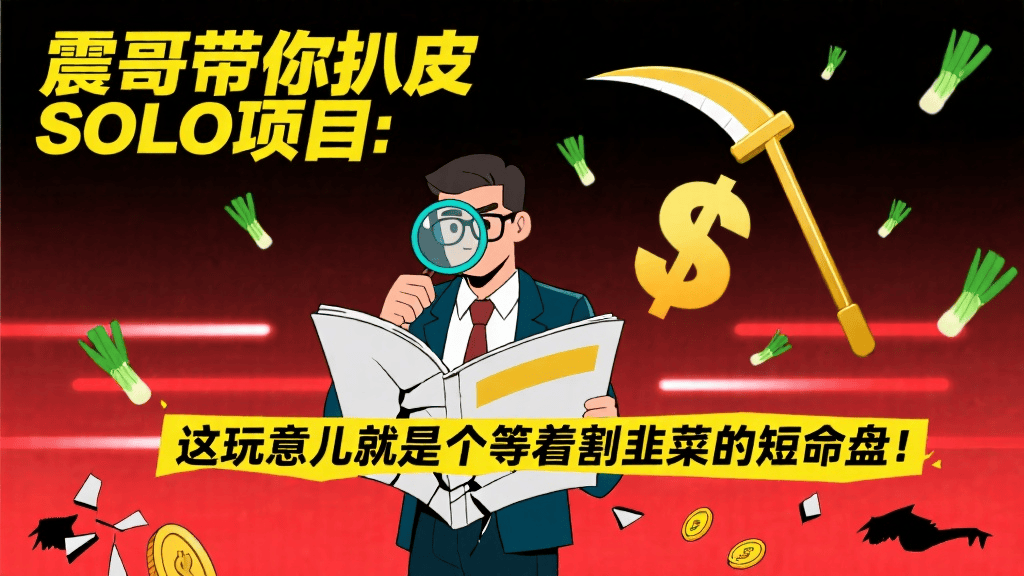
震哥带你扒皮SOLO项目:这玩意儿就是个等着割韭菜的短命盘!
Sou Hu Cai Jing· 2025-08-04 02:49
Group 1 - The SOLO project is criticized as a potential scam, with claims of smart contracts and consensus mechanisms being seen as misleading [2] - The project employs a 55-copy model, which is considered to be on the edge of a pyramid scheme, with a warning that projects requiring recruitment are likely to be fraudulent [3] - Promises of static returns of 30% are deemed unrealistic, likening them to misleading financial claims [3] Group 2 - The extensive online promotion of the project suggests a quick profit scheme, with skepticism about its claimed "blood-generating" function for stable earnings [6] - The project is compared unfavorably to other low-quality projects, indicating a lack of credibility and potential for failure [8] - A strong warning is issued to investors to protect their funds, as the project is unlikely to succeed [8]
武汉“连锁经营”传销脱险实录:一位求职者的惊险遭遇与深度揭露
Sou Hu Cai Jing· 2025-07-28 12:39
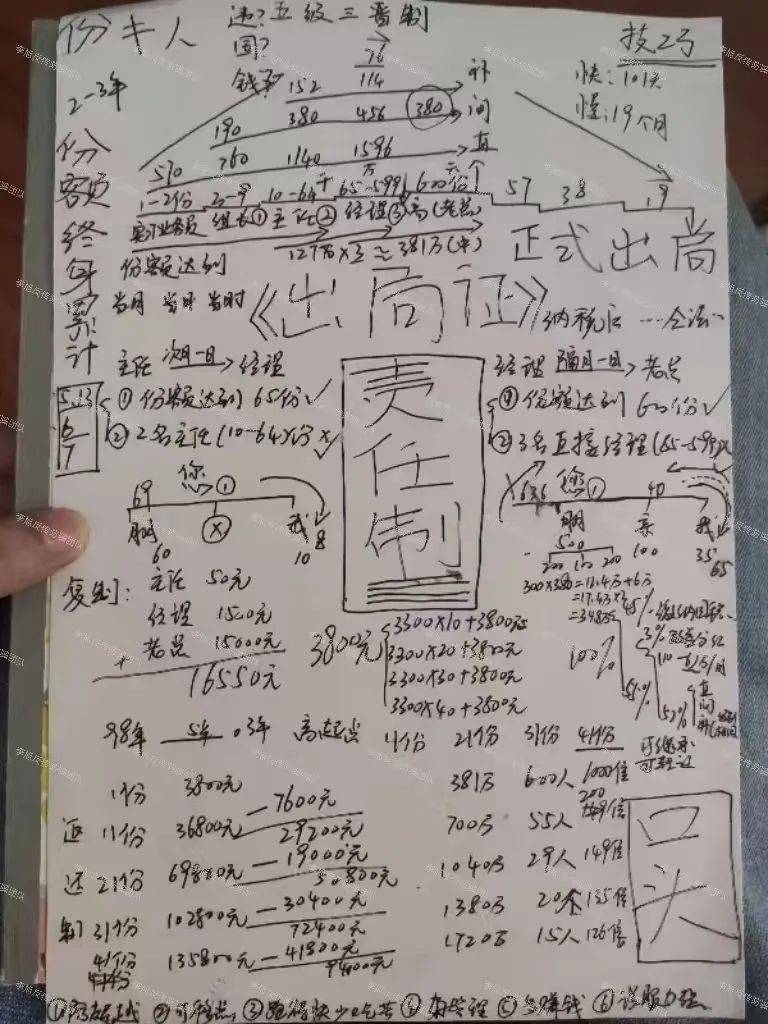
Core Viewpoint - The article highlights the experience of an individual, Xiao Huang, who unwittingly becomes involved in a pyramid scheme disguised as a legitimate business opportunity in Wuhan, illustrating the deceptive tactics used by such organizations to lure participants [1][3][14]. Group 1: Initial Attraction and Deception - Xiao Huang, feeling overwhelmed by work pressure in Hangzhou, is drawn to the e-commerce industry after hearing about a friend's success in Wuhan [1]. - Upon arrival in Wuhan, Xiao Huang initially enjoys the city's attractions but soon discovers that his friend is no longer in e-commerce and has shifted to a new business venture [2]. Group 2: Unveiling the Pyramid Scheme - Xiao Huang is introduced to a scheme that promises high returns on investment, requiring an initial payment of 3,800 yuan and further investments to reach a supposed second platform for greater profits [3]. - The scheme employs a "five-level three-stage" system, reminiscent of notorious pyramid schemes, where participants must recruit others to earn money [3][6]. Group 3: Psychological Manipulation and Control - Over the following days, Xiao Huang is subjected to intense indoctrination, with participants claiming that negative media coverage is a result of government efforts to suppress the industry [4]. - The organization imposes strict rules on members, including a detailed "20 Rules of Life Management," which governs their behavior and interactions [8]. Group 4: The Decision to Escape - As the pressure to invest increases, Xiao Huang realizes the danger of remaining in the scheme and decides to escape before it is too late [5]. - He learns that many participants are trapped due to their financial investments and the fear of losing their money if they do not recruit others [6]. Group 5: The Impact on Relationships - Xiao Huang's friend, who invited him to Wuhan, has been completely brainwashed by the organization, leading to a painful realization for Xiao Huang about the extent of the manipulation [7]. - The article emphasizes the need for awareness and vigilance against such deceptive practices, urging individuals to report illegal organizations [14].
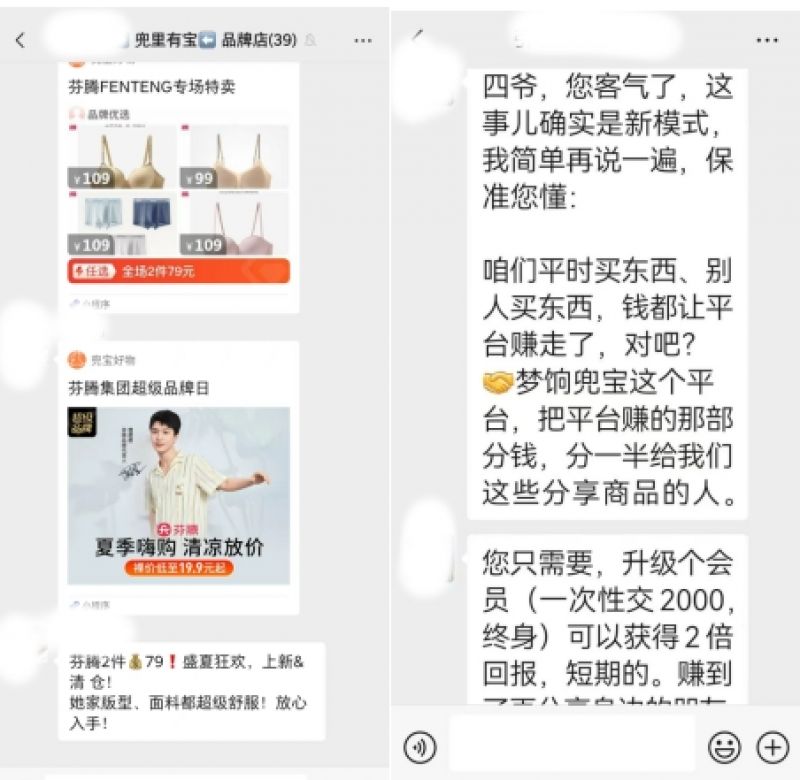
调查!零门槛创业、注册会员双倍返利……“兜宝好物”电商私域平台高佣金发展下线被质疑传销
Hua Xia Shi Bao· 2025-07-24 05:45
Core Viewpoint - The article discusses the rise of the e-commerce distribution platform "Doubao Haowu," which has attracted attention due to its low entry barriers and promises of double rebates, but is facing allegations of operating as a pyramid scheme [2][11]. Group 1: Business Model and Operations - "Doubao Haowu" operates on a model that requires users to pay a one-time fee of 2000 yuan to become a member, promising double returns on purchases made through shared links [2][6]. - The platform claims to share profits with users who promote products, but the actual pricing of products is often higher than competitors like JD, Taobao, and Pinduoduo [6][7]. - The platform's marketing strategy includes a tiered commission structure, where users can earn commissions from direct sales and from the sales made by their recruits, resembling a multi-level marketing structure [9][10]. Group 2: Legal and Regulatory Concerns - There are concerns that "Doubao Haowu" may be operating in a gray area of legality, as its business model includes elements typical of pyramid schemes, such as requiring fees for membership and incentivizing recruitment [11][12]. - Legal experts have pointed out that the platform's practices align with the characteristics of pyramid schemes as defined by Chinese regulations, including the requirement for participants to recruit others and the payment of fees for entry [12][14]. - Local law enforcement has indicated that many cases of fraud related to such platforms do not meet the threshold for criminal prosecution, leading to a lack of accountability for the operators [3][14].