儒家文化

Search documents
推动文明互鉴 讲好中国故事
Ren Min Ri Bao· 2025-07-10 22:52
Core Insights - The article highlights the significance of Nishan as a cultural and historical site, particularly as the birthplace of Confucius, attracting tourists and promoting cultural exchange [1][2] - Nishan World Civilization Forum serves as a platform for dialogue among different civilizations, emphasizing the importance of cultural communication in contemporary society [1][2] Group 1: Cultural Significance - Nishan is recognized for its beautiful landscapes and rich historical heritage, including sites like the Nishan Academy and the Confucius Cave, making it a key location for exploring and preserving Chinese culture [1] - The ongoing activities and events at Nishan, such as the "Nishan Confucian Dialogue Conference," aim to foster mutual understanding and cultural exchange among various civilizations [1][2] Group 2: Development Initiatives - Shandong province is actively promoting Confucian culture through various initiatives, including the "Qilu Visiting Scholars Program" and the publication of the "Qilu Library," which aims to compile and disseminate classical texts [2] - The province is enhancing cultural experiences through events like the "Yellow River Grand Market" and seasonal cultural festivals, which aim to integrate traditional culture into daily life [2]
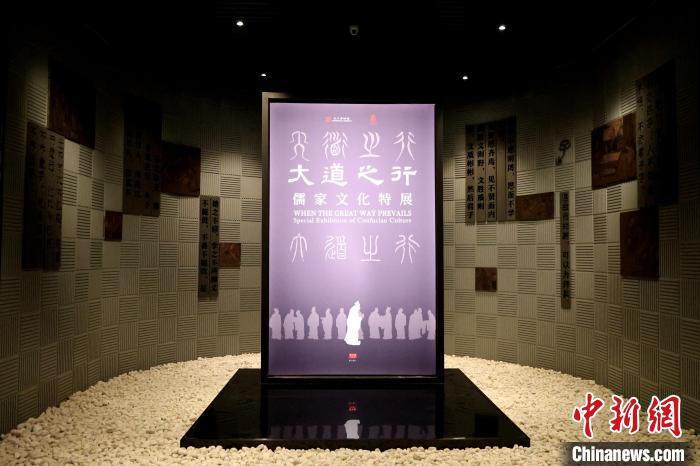
“儒家文化特展”亮相孔子博物馆 140余件文物诠释“大道之行”
Zhong Guo Xin Wen Wang· 2025-07-09 00:39
Core Viewpoint - The "大道之行——儒家文化特展" showcases over 140 significant cultural relics, emphasizing the depth of Confucian culture and its historical significance in promoting cultural exchange between China and the world [1][4][6]. Group 1: Exhibition Details - The exhibition features 95 treasures from the Palace Museum, including notable items like the Lu Dasi Tu Pu and the Da Sheng Bell, marking the first return of the Lu Dasi Tu Pu to its original location since its excavation in 1932 [2][4]. - The Confucius Museum contributes 48 representative artifacts, including the "镇馆之宝" (treasure of the museum) known as the Shang Zhou Ten Offerings, which are significant bronze ritual vessels from the Shang and Zhou dynasties [2][5]. Group 2: Cultural Significance - The exhibition aims to illustrate the enduring legacy of Confucian thought and its core principles, highlighting the spirit of harmony and the pursuit of common good inherent in Chinese civilization [4][5]. - The event is part of the 11th Nishan World Civilization Forum, serving as a platform for international guests to gain a deeper understanding of Chinese culture through Confucianism [6]. Group 3: Organizational Collaboration - The exhibition is co-hosted by multiple organizations, including the International Confucian Federation, the Palace Museum, and the Shandong Provincial Government, and will run for three months [6]. - The collaboration between the Palace Museum and the Confucius Museum aims to enhance the presentation of Confucian culture by integrating valuable collections from both institutions [4].

倾听尼山2025|汉伊理:使人工智能成为推动文明共生的催化剂
经济观察报· 2025-07-07 12:11
Core Viewpoint - The establishment of a prudent evaluation mechanism and regulatory system is crucial in the face of emerging technologies like artificial intelligence (AI). The key challenge lies in balancing technological innovation with the maintenance of human subjectivity and choice, achieving a dynamic equilibrium between technological progress and human development [10][34]. Group 1: Forum Overview - The 11th Nishan World Civilization Forum will be held in Qufu, Shandong, from July 9 to 10, 2025, serving as a platform for global experts to contribute wisdom for the future development of human civilization [3]. - The forum's theme is "Each Beauty is Beautiful; Beautiful Together - The Relationship Between Civilizations and Global Modernization," addressing various subtopics including the origins and future of civilizations, the significance of Confucian culture, and the role of AI in human civilization [4]. Group 2: AI and Cultural Impact - The rapid integration of AI in education and social fields raises concerns about its impact on human identity, cultural transmission, and ethical systems. While AI is often seen as a tool for enhancing learning efficiency, its deep involvement in knowledge dissemination and social interaction has profound implications that require further exploration [5]. - AI can serve as a bridge for civilizational exchange, requiring an understanding of cultural codes and etiquette to facilitate deep civilizational interactions [20]. Group 3: Ethical Framework for AI - The integration of Confucian "Li" (ritual) into AI design is essential for ensuring that AI respects cultural differences and acts as a "harmonizer" of cultural diversity, rather than erasing it [21]. - The reconfiguration of AI ethics through a ritual framework involves embedding the dynamic wisdom of Confucian "Li" into the technology, transforming AI from a mere efficiency tool into a mediator for moral development [25]. Group 4: Balancing Technology and Human Values - The evolution of AI necessitates a shift in educational paradigms, focusing on character development and moral cultivation rather than mere information transmission [38]. - To prevent over-reliance on AI from degrading human moral and cognitive abilities, a multi-dimensional approach is required, including legislative frameworks, ethical education, and the integration of traditional values with modern technology [42].
【弘扬中国特色金融文化】 济宁市汲取儒家文化精髓,赋能金融高质量发展
Qi Lu Wan Bao· 2025-07-03 05:14
Core Insights - The "Good Financial Products" list for 2025 has been released, highlighting the integration of traditional culture with modern finance, with the case study "Empowering High-Quality Financial Development with the Essence of Confucian Culture" from Jining recognized as an innovative practice in financial cultural brand building [1] Group 1: Financial Cultural Education - Jining is leveraging its regional advantages as the birthplace of Confucian culture to promote traditional culture and cultivate a unique financial culture, which significantly contributes to the healthy development of the financial sector [1] - The city has established financial cultural education and training platforms, utilizing important Confucian cultural sites and local educational institutions to enhance the comprehensive quality of financial personnel through courses that integrate Confucian culture [1][2] Group 2: Innovative Financial Products - Financial institutions in Jining are encouraged to develop "Confucian+" series products that cater to various market financing needs, such as the "Confucian Source Cultural Tourism Loan" by Agricultural Bank of China Jining Branch, supporting the cultural tourism industry [2] - Other products include "Confucian Job Loan" by Bank of China Jining Branch, aimed at supporting enterprises that create numerous job opportunities, and various loans targeting women's entrepreneurship and small businesses [2] Group 3: Enhancing Financial Services - Jining has established a service evaluation system for banking institutions to better serve the real economy, promoting activities that connect government, finance, and enterprises, and encouraging financial institutions to fulfill their social responsibilities [2] - The total loan balance in the city has exceeded 1 trillion annually for four consecutive years, indicating a significant increase in lending scale [2] Group 4: Future Directions - Jining plans to continue nurturing and promoting its unique financial culture, further exploring the connotations of Confucian culture, and regularly conducting financial cultural promotion activities [3] - The city aims to guide financial institutions in innovating products tailored to specific industries and sectors, enhancing the quality and upgrade of financial services [3]
倾听尼山2025|王建宝:以儒寻根,构建全球新商业文明
Jing Ji Guan Cha Bao· 2025-07-03 04:55
Group 1 - The 11th Nishan World Civilization Forum will be held in Qufu, Shandong from July 9 to 10, 2025, focusing on the theme of "Beauty in Diversity: Civilizational Relationships and Global Modernization" [1][2] - The forum will address various subtopics including the origins and future development of civilizations, the global significance of Confucian culture, and the role of artificial intelligence in human civilization [2][4] - The forum aims to provide insights into how different civilizations can coexist and learn from each other to create a better future for humanity [2][4] Group 2 - The current global political climate is marked by frequent conflicts and increasing trade barriers, making dialogue between different civilizations more urgent [2] - The theme of the forum is derived from sociologist Fei Xiaotong's principle of "Beauty in Diversity," emphasizing inclusivity, equality, harmony, and common development among civilizations [4][5] - The forum seeks to address issues such as economic imbalance and civilizational conflicts, offering pathways to resolve these differences [4][5] Group 3 - The transition of the Chinese economy from scale expansion to quality improvement presents challenges for many enterprises, highlighting the conflict between short-term profit and long-term value [3][10] - The concept of "commercial ethics" rooted in Confucianism is seen as essential for guiding modern business practices and addressing current ethical dilemmas in the corporate world [3][9] - The need for a cultural identity and recognition of Confucian commercial ethics is emphasized as crucial for establishing a sustainable business environment in China [9][10] Group 4 - The unique perspective of Confucian culture on commercial activities promotes the idea that wealth accumulation should benefit society as a whole, contrasting with the views of other major civilizations [5][6] - The emphasis on division of labor and mutual benefit in Confucian thought is highlighted as a foundation for a thriving commercial civilization [7][12] - The challenges faced by modern businesses, such as long payment terms and lack of accountability, are attributed to a deficiency in cultural and ethical grounding [10][11]
从地理坐标到文化标识,尼山传承着历久弥新的千年文脉
Da Zhong Ri Bao· 2025-07-02 00:59
Core Perspective - The article emphasizes the significance of Nishan as a cultural and historical site, highlighting its role in the preservation and promotion of Confucian values and Chinese traditional culture [2][4]. Group 1: Cultural Significance - Nishan is recognized as the birthplace of Confucius, featuring historical sites such as the Kong Temple and Nishan Academy, which serve as focal points for understanding Confucian thought [2][3]. - The area has been a center for the transmission of Confucian culture for centuries, with various forms of cultural activities continuing to thrive [2][3]. Group 2: Community Development - The development of Ru Yuan New Village at the foot of Nishan leverages its historical and geographical advantages to promote cultural tourism and community engagement, fostering a positive atmosphere of virtue and mutual assistance [3]. - Initiatives like the "Spring and Autumn Forum" and "Confucius Lecture Hall" aim to modernize and disseminate Confucian teachings, addressing contemporary societal questions [3]. Group 3: Global Engagement - Nishan serves as a permanent venue for the Nishan World Civilization Forum, facilitating dialogue among different civilizations and promoting the global understanding of Chinese traditional culture [4]. - Various events, such as the "Belt and Road" annual Chinese character release and the Global Media Innovation Forum, highlight Nishan's role as a platform for cultural exchange and exploration of Confucian values [4]. Group 4: Educational Experience - Visitors to Nishan can engage in interactive learning experiences, such as participating in activities designed to emulate Confucius's teachings, blending historical context with modern educational practices [5].
齐风鲁韵,山东的“世界瑰宝”知多少?
Jing Ji Guan Cha Bao· 2025-06-22 01:09
Group 1 - Shandong is home to five UNESCO World Heritage sites, showcasing its rich cultural and natural heritage [1][2][3] - Mount Tai, a dual heritage site, symbolizes ancient Chinese civilization and is known for its geological and cultural significance, with a peak elevation of 1545 meters [1] - The Confucian Temple, Confucius Mansion, and Confucius Forest in Qufu represent the largest and best-preserved Confucian cultural complex globally, recognized for its moral and educational significance [3][2] Group 2 - The Shandong section of the Grand Canal is a core part of the UNESCO World Heritage designation, exemplifying ancient water conservancy engineering [4][5] - The Grand Canal features 15 heritage sites and 8 river sections, reflecting the historical integration of transportation and commerce [5] - The Qi Great Wall, predating the Qin Dynasty, spans over 1200 miles and showcases ancient architectural wisdom in military defense and ecological protection [6] Group 3 - The Yellow River Delta is recognized as a natural heritage site, hosting the most complete and expansive wetland ecosystem in China, vital for migratory birds [7][8] - This area serves as a crucial stopover for millions of migratory birds, including 26 species of national first-class protected birds, highlighting its ecological importance [8]
孔子出生地涌起文旅热
Xin Hua She· 2025-05-31 04:05
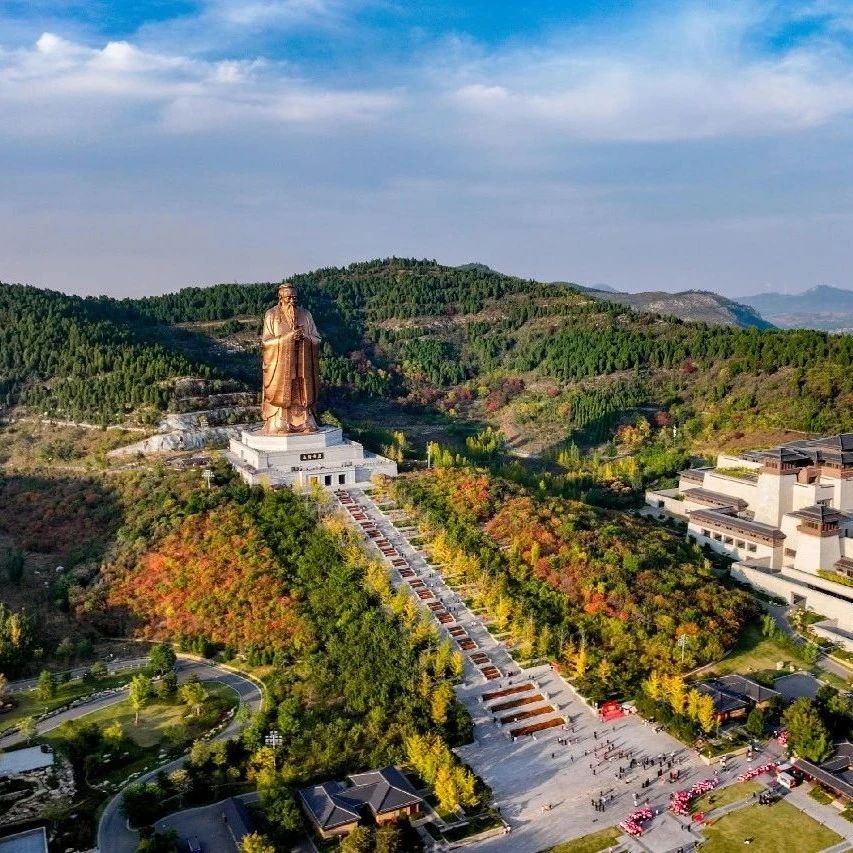
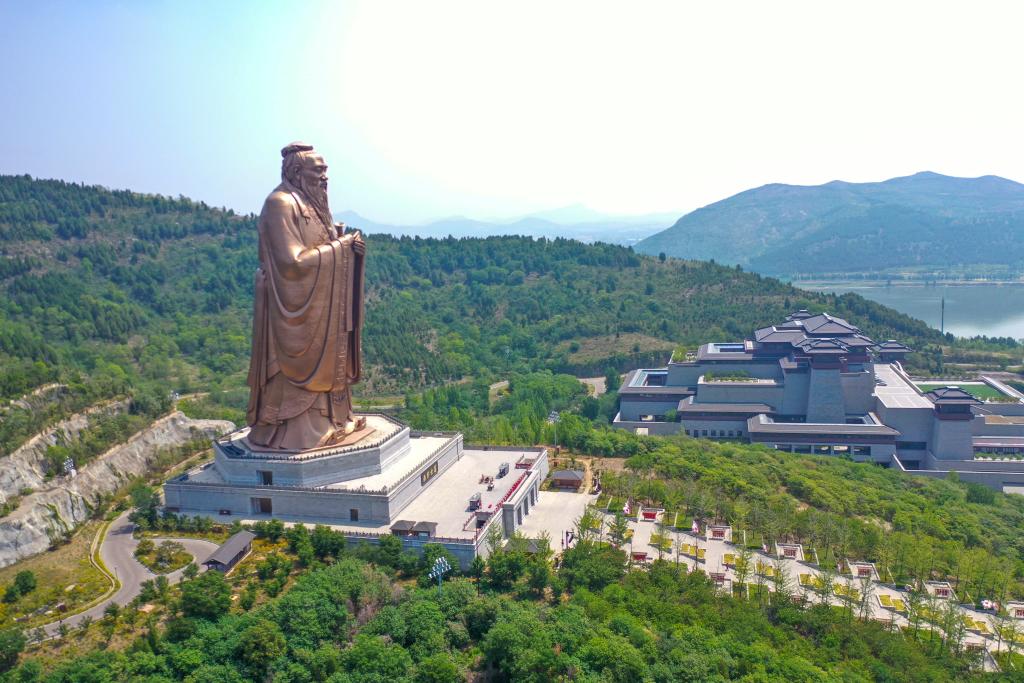
Core Insights - The article highlights the growing popularity of cultural tourism in Qufu, the birthplace of Confucius, with significant developments in attractions and visitor engagement [1][6] - The "Nishan Sacred Site" has become a focal point for educational and cultural experiences, emphasizing Confucian values and teachings [1][4] Group 1: Cultural Attractions - The Nishan Sacred Site features a 72-meter tall statue of Confucius and a theater that hosts six performances daily, indicating high demand during holidays [1][6] - The site includes various facilities such as museums, lecture halls, and research venues, collectively branded as the "Nishan World Confucianism Center" [1][4] Group 2: Visitor Engagement - In 2024, the Nishan Sacred Site is expected to receive over 1.6 million domestic and international visitors, reflecting a 5.5% increase year-on-year [6] - Educational activities are prominent, with school groups visiting to learn about Confucian philosophy, enhancing cultural awareness among younger generations [3][4] Group 3: Cultural Significance - Confucius is recognized as a cultural and spiritual mentor in China, with his teachings continuing to influence modern society and education [6][7] - The site serves as a platform for international cultural exchange, with events like the China International Confucius Cultural Festival attracting global attention [6][7]
为什么结婚成了一桩亏本买卖?
虎嗅APP· 2025-03-04 13:32
Core Viewpoint - The article discusses the declining marriage and rising divorce rates in South Korea, attributing these trends to economic pressures and cultural expectations, particularly the conflict between rapid modernization and traditional Confucian values [3][11][24]. Group 1: Marriage Statistics - In 2024, the number of marriage registrations in South Korea reached 6.106 million, marking the lowest level since 1978 [3]. - The divorce rate is also increasing, with approximately 2.62 million couples divorcing, and around 3 million if including those who divorce through legal proceedings [5][11]. Group 2: Economic and Social Pressures - The high cost of living, particularly housing, is a significant barrier to marriage, with the average cost for newlyweds estimated at 2 million RMB, and housing prices in Seoul averaging 12.7 billion KRW (approximately 700,000 RMB), which is 18 times the average annual income [13]. - The burden of child-rearing and education is substantial, with 70% of educational expenses coming from family spending, and the total cost of raising a child to university graduation estimated at 3.78 million RMB [14]. - The traditional belief of "raising children to support parents" adds pressure, with only 15% of families accepting independent elder care, leading to an average of 42 hours per week spent caring for elderly parents [17]. Group 3: Cultural Context - The article highlights the conflict between modern values and Confucian expectations, where young people feel immense pressure to conform to traditional family roles while lacking government support [9][10]. - The government's long-standing low-cost governance strategy has contributed to the current low marriage and birth rates, as responsibilities are shifted from the state to families [19]. Group 4: Government Response - In response to the declining birth rate, the South Korean government has initiated significant incentive policies, including marriage subsidies of 1 million KRW and pregnancy allowances of 2 million KRW, aiming to redistribute responsibilities [23]. - Despite a slight increase in the total fertility rate from 0.72 to 0.75 in 2024, the overall situation remains critical, with a need to raise the rate above 1.3 within 20 years to avoid severe demographic decline [24].