军事打击

Search documents
美军大举增兵!“林肯”号航母战斗群、十多架战斗机正在集结
Mei Ri Jing Ji Xin Wen· 2026-01-21 12:23
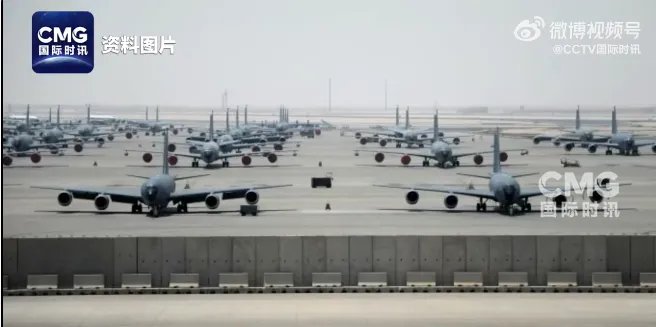
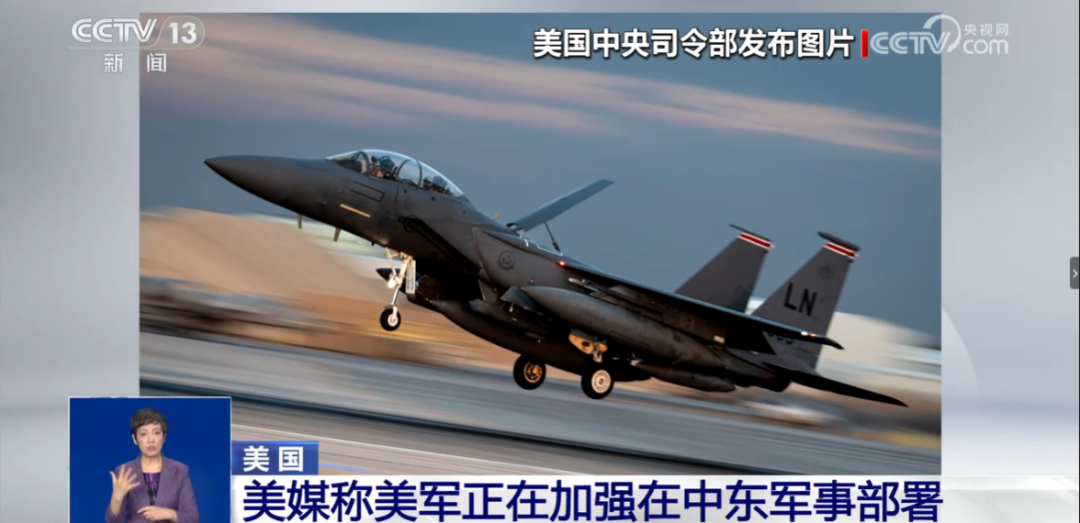
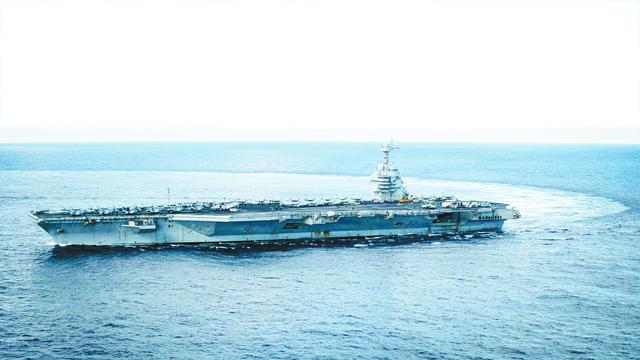
Group 1 - The U.S. military is increasing its air power in the Middle East due to heightened tensions with Iran, deploying over ten F-15E "Strike Eagle" fighter jets and C-17 "Globemaster III" transport aircraft from the UK to the region [1][3] - Three F-15E squadrons are currently stationed in the Middle East, with additional F-16s and A-10 "Thunderbolt II" aircraft also set to be deployed. The USS Abraham Lincoln carrier strike group is en route to the region, having passed through the Strait of Malacca [3][4] - The U.S. military's troop movements aim to exert pressure on Iran's domestic situation and potentially prepare for military action, as indicated by the recent redeployment of forces from Latin America and the Asia-Pacific regions to the Middle East [4][5] Group 2 - The U.S. is conducting intensive battlefield intelligence preparations, focusing on Iran's air defense systems and key targets, which are crucial for any potential airstrike operations [5][6] - The U.S. military is sending strategic bombers to patrol near Iran, signaling its deterrent intentions and applying military pressure [6][8] - A new coordination center has been established at the Udeid Air Base to integrate U.S. forces and allies' air defense systems, enhancing control over the airspace and supporting potential large-scale military actions [11] Group 3 - Iran has issued warnings against any actions targeting its Supreme Leader, emphasizing that such moves would be considered acts of war against the Iranian people [12] - Iranian officials attribute the country's hardships to the long-standing hostile attitudes and sanctions imposed by the U.S. and its allies [12]

白宫:“针对伊朗的军事选项仍在考虑之中”
Zhong Guo Xin Wen Wang· 2026-01-16 07:59
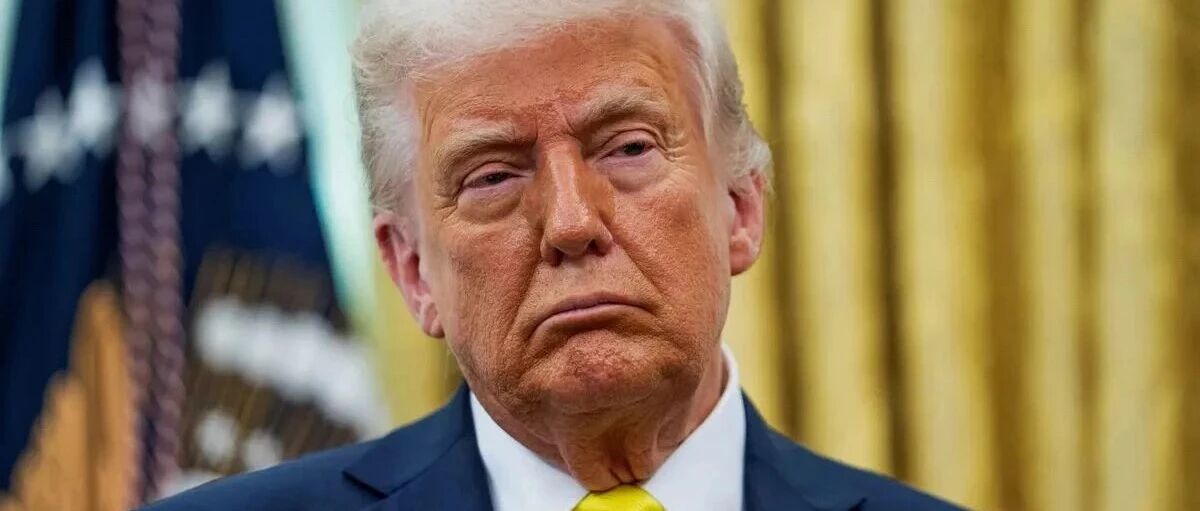
Core Viewpoint - The White House is considering military options against Iran, with all options still on the table, as stated by White House Press Secretary Levitt [1] Group 1 - The decision on whether to strike Iran is known only to President Trump, with very few advisors aware of his thoughts [1] - President Trump had a conversation with Israeli Prime Minister Netanyahu, who reportedly urged him to delay any plans for an attack on Iran [1]
油价大跌!特朗普暂缓对伊朗军事打击
Zheng Quan Shi Bao· 2026-01-16 05:42
Group 1 - The core viewpoint of the article is that President Trump has postponed the decision on whether to launch a military strike against Iran, while keeping all options open amid rising uncertainties [1] - The White House Press Secretary stated that Trump is closely monitoring the situation in Iran and has communicated with Israeli Prime Minister Netanyahu, but details of their conversation remain undisclosed without Trump's explicit approval [1] - Multiple sources indicate that while military options are still on the table, there is significant uncertainty regarding the potential actions and their implications [1] Group 2 - Trump's advisory team has indicated that any large-scale military strike would require the deployment of additional U.S. military forces in the Middle East to protect American troops and allies, including Israel, from potential Iranian retaliation [1] - On the same day, the U.S. Treasury Department announced sanctions against several individuals and entities linked to Iran, including the Secretary of Iran's Supreme National Security Council, Larijani, and 18 other individuals and entities involved in Iran's oil and petrochemical exports [1] - Following the announcement of sanctions, international oil prices experienced a significant drop, with NYMEX WTI crude oil falling over 4% and ICE Brent crude oil declining nearly 4% [1]
特朗普暂缓对伊朗动武决定
第一财经· 2026-01-16 00:26
据央视新闻,当地时间15日,美国白宫新闻秘书莱维特表示, 特朗普及其团队正在密切关注伊朗局 势,并保留所有选项 。莱维特称,特朗普与以色列总理内塔尼亚胡进行了通话,但她不会在未经总 统本人明确批准的情况下透露二者谈话细节。 同日, 记者 获悉, 特朗普暂缓决定是否对伊朗发动军事打击 。 多名美国、以色列及阿拉伯国家消 息人士称,军事选项仍在桌面上,但不确定性明显上升。 顾问团队向特朗普表示,若实施大规模打击,美国需要在中东地区部署更多军事力量,不仅用于发动 攻击,还要在伊朗可能报复的情况下,保护驻中东美军以及包括以色列在内的盟友。 ...
军方宣布“最高战备”,外长强调“掌控局面”,伊朗突然关闭领空引猜测
Huan Qiu Shi Bao· 2026-01-15 22:28
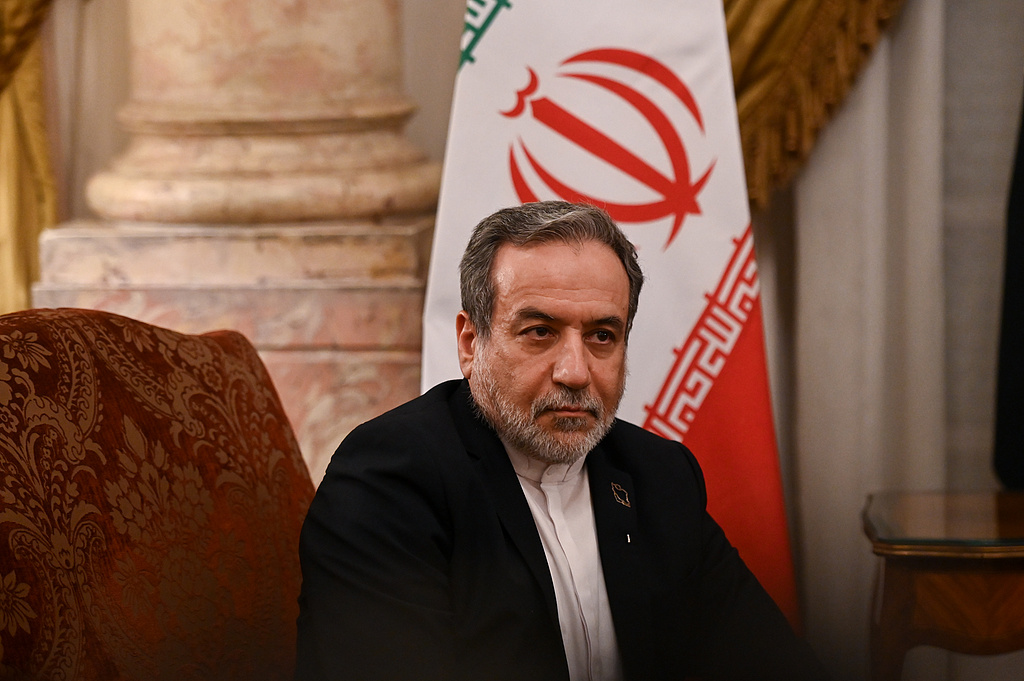
Group 1 - Iran temporarily closed its airspace, allowing only approved international flights, as a defensive measure against potential airstrikes, raising global speculation about possible U.S. military action against Iran [1][2] - The closure lasted approximately five hours, aimed at better identifying any potential invading aircraft from the U.S. or Israel, indicating increased military risks [2] - Multiple countries, including Italy, Spain, and Poland, have advised their citizens to leave Iran, and the U.S. has requested non-combat personnel to evacuate from its military base in Qatar, suggesting heightened military readiness [3] Group 2 - U.S. President Trump indicated that reports of violence against protesters in Iran had ceased, but did not rule out military intervention, stating that the situation would be monitored [4][5] - There are internal contradictions within the U.S. government regarding military action, with hawkish officials advocating for decisive action while others express caution about re-engaging in Middle Eastern conflicts [5] - Iran's Foreign Minister Zarif emphasized the preference for diplomacy over war, urging the U.S. to avoid repeating past mistakes and to engage in negotiations instead [6] Group 3 - The Iranian Revolutionary Guard Corps is on high alert and has increased its missile stockpile since 2025, indicating preparedness for any miscalculations by adversaries [7] - Iran is actively engaging in diplomatic communications with multiple countries to discuss domestic and regional security issues, highlighting its intent to maintain stability [7] - U.S. allies in the Middle East, such as Saudi Arabia and Oman, are reportedly conducting behind-the-scenes diplomatic efforts to prevent war, warning that military action could disrupt global oil markets and harm the U.S. economy [8]
国际观察丨美国会对伊朗动武吗?
Xin Hua She· 2026-01-15 00:50
Core Viewpoint - The U.S. government has issued threats regarding military action against Iran, with President Trump discussing potential measures, leading to concerns about regional and global stability if military force is employed [1][2]. Group 1: Military Actions - Analysts suggest that the U.S. may consider military strikes against Iran, including airstrikes on nuclear facilities and missile bases, targeted operations against high-ranking officials, and providing support to regional allies for military actions [2][3]. - The potential military action faces significant challenges, including high costs due to Iran's larger size and military capabilities compared to other targets like Venezuela [3]. - Iran has indicated that it would retaliate against any attacks on its national interests, posing risks to U.S. military assets in the region [3]. Group 2: Economic Measures - Trump has threatened that any country engaging in business with Iran will face a 25% tariff on all trade with the U.S., indicating a strategy of "maximum pressure" through economic sanctions [2]. - The aim of these sanctions is to undermine Iran's economic development and exacerbate social tensions within the country [2]. Group 3: Cognitive Warfare - The U.S. may employ cognitive warfare tactics, including media manipulation and psychological operations, to incite internal conflict within Iran and support anti-government sentiments [1]. - This approach is seen as part of a broader strategy to destabilize Iran from within, combining psychological, informational, and cyber warfare [1].

美军在伊朗附近集结多少兵力
Xin Lang Cai Jing· 2026-01-14 06:16
Group 1 - The U.S. is considering military options against Iran, with President Trump emphasizing that military force is not off the table despite preferring diplomatic solutions [2] - Military options being reviewed include airstrikes and long-range missile strikes, alongside cyber and psychological warfare strategies [2] - Currently, there are no significant signs of U.S. military buildup in the region, with only three aircraft carriers deployed, and no immediate plans for redeployment to the Iranian vicinity [2][3] Group 2 - The U.S. has numerous air bases in the region, including Qatar, Saudi Arabia, UAE, and Jordan, which could facilitate military operations against Iran [3] - Increased activity of U.S. military aircraft at the Al Udeid Air Base in Qatar has been reported, enhancing the U.S. strike capability close to Iranian territory [3] - If military action occurs, Iran's response could be more severe than previous engagements, with a significant arsenal of short-range ballistic and cruise missiles available to target U.S. bases [4]
美国举起关税大棒持续施压,伊朗要给“难忘教训”
Huan Qiu Shi Bao· 2026-01-13 22:40
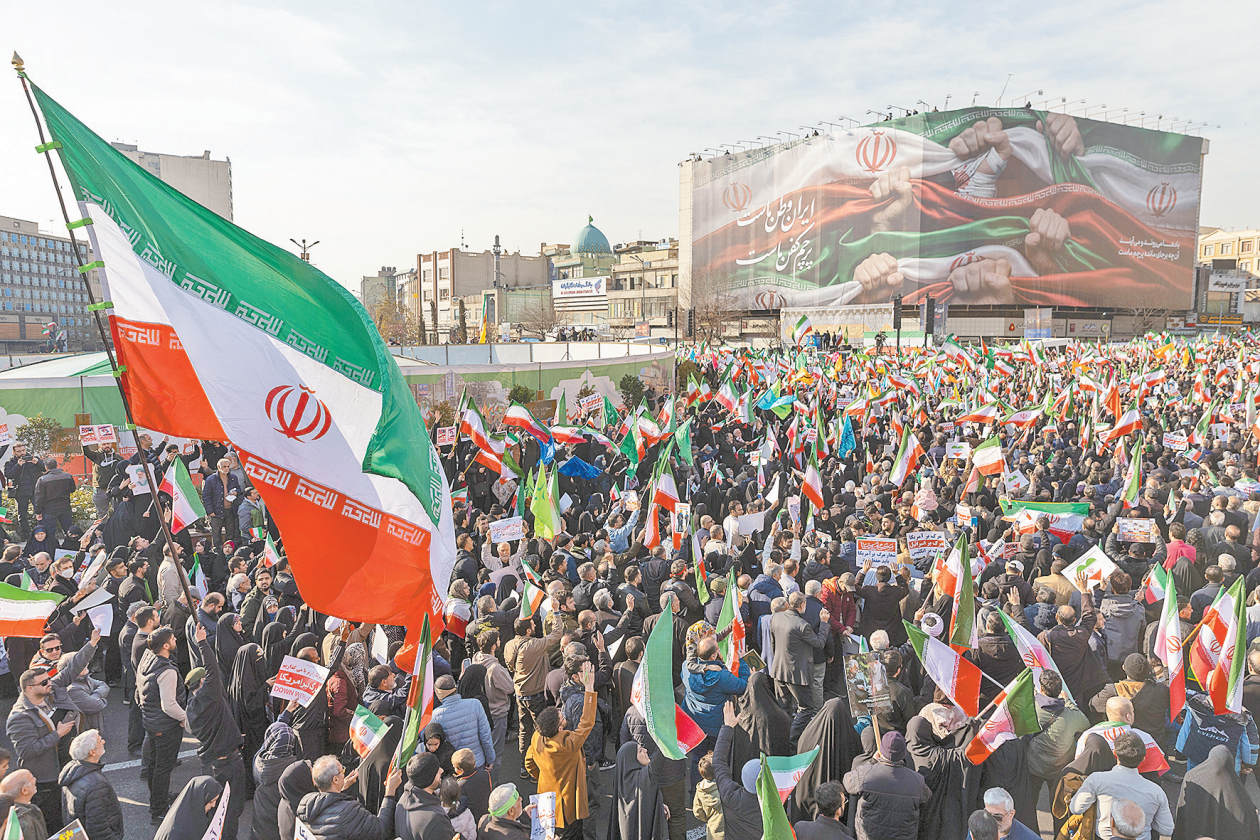
Core Viewpoint - The U.S. government, led by President Trump, is intensifying pressure on Iran through tariffs and military options, while Iran is demonstrating resilience and readiness to respond to potential U.S. actions [1][3][4]. Group 1: U.S. Actions - President Trump announced a 25% tariff on any country engaging in business with Iran, marking it as a decisive measure [3]. - The U.S. State Department issued an emergency warning for American citizens to leave Iran immediately, indicating escalating tensions [4]. - Discussions among U.S. officials include potential military actions and increased sanctions against Iran, with a focus on preemptive measures [4]. Group 2: Iran's Response - Iranian Supreme Leader Khamenei praised the public's support for the government, framing it as a demonstration of strength against external threats [5]. - Iran's Foreign Minister stated that the country is prepared to respond to any U.S. actions, including military measures, and emphasized improved readiness compared to previous conflicts [6]. - Iranian officials warned that any U.S. aggression would result in legitimate targets within U.S. bases in the region [5]. Group 3: International Reactions - The United Nations expressed concern over potential external interference in Iran, advocating for dialogue and diplomatic solutions [7]. - Several Western nations, including France, have begun evacuating non-essential personnel from their embassies in Iran, reflecting rising concerns [7]. - Turkey and Qatar have voiced opposition to foreign intervention in Iran, warning of disastrous consequences for regional stability [7].
国际观察|美国会对伊朗动武吗?
Xin Hua She· 2026-01-13 16:34
Core Viewpoint - The article discusses the potential for U.S. military action against Iran amid rising tensions, highlighting the chaotic and ambiguous nature of U.S. government statements and the implications of such actions for regional stability [1][2]. Group 1: U.S. Government Position - The U.S. government has issued multiple threats regarding military action against Iran, with President Trump discussing options with senior officials [1]. - Trump's statements have been described as "chaotic and ambiguous," with no clear direction on military options despite the mention of "very strong options" [2]. - The U.S. may be employing a strategy of unpredictability to maintain policy flexibility [2]. Group 2: Iranian Response - Iran has expressed a strong stance against U.S. threats while also indicating a willingness to negotiate based on mutual respect [2]. - Iranian officials have stated that they are prepared for war if their national interests are threatened [2]. Group 3: U.S. Interference Methods - Analysts predict that the U.S. may use three primary methods to interfere in Iran: cognitive operations, economic sanctions, and military strikes [3][4]. - Cognitive operations may involve shaping public opinion and inciting domestic discord within Iran [3]. - Economic sanctions could escalate, with Trump threatening a 25% tariff on countries engaging in business with Iran [3]. Group 4: Military Options - Potential military actions could include airstrikes on Iranian military facilities, targeted operations against Iranian leaders, and support for regional allies [4]. - Military analysts suggest that the U.S. may face significant challenges in executing these options due to Iran's military capabilities and geographical complexities [6]. Group 5: Constraints on Military Action - Experts highlight several constraints on U.S. military action against Iran, including high costs and the potential for Iranian retaliation against U.S. assets in the region [5][6]. - Domestic opposition within the U.S. Congress and among allies may also hinder military action, as many view it as an undesirable strategy [6]. Group 6: Regional Implications - Military action against Iran could destabilize the entire Middle East, prompting strong reactions from regional countries and potentially disrupting global energy security [6][8]. - Analysts argue that U.S. interference is driven by a desire to reshape geopolitical dynamics in its favor, rather than genuine concern for regional stability [8].
美军突发!披萨指数狂飙!伊朗:“如遭攻击 将给美国永生难忘的教训”
Zhong Guo Jing Ying Bao· 2026-01-13 05:52
Group 1 - The U.S. State Department has urged American citizens to leave Iran immediately due to escalating tensions and unrest in the region [9][6] - The Pentagon's "Pizza Index" has surged, indicating significant military activity, with Domino's orders increasing by 1000%, Extreme Pizza by 213%, and Papa John's by 192% [3][2] - U.S. military aircraft activities have notably increased at the Al Udeid Air Base in Qatar, which is strategically located near Iran [5][3] Group 2 - France has begun evacuating non-essential personnel from its embassy in Iran, although the embassy remains operational [7][6] - Iran's Foreign Minister has stated that the country is prepared for negotiations with the U.S. but is also ready for military action if necessary [9][13] - Iran's Speaker of Parliament warned that any attack on Iran would result in a lesson for the U.S. that it would never forget, highlighting the ongoing multi-faceted conflict involving economic, psychological, and military dimensions [13][12]