制裁

Search documents
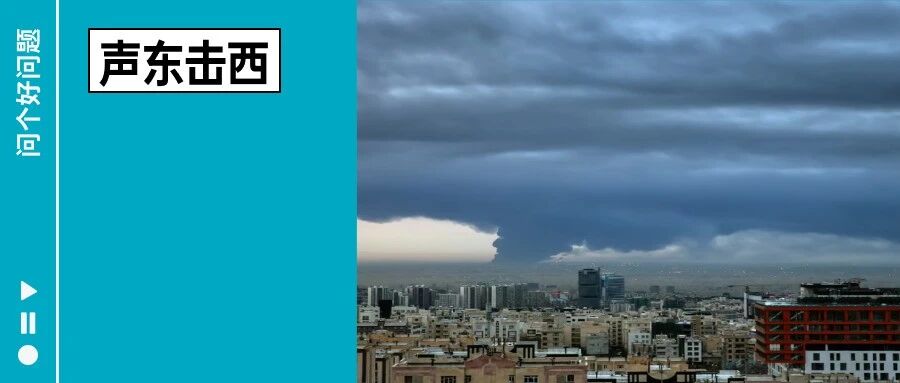
导弹、黑雨与撕裂的城市:一个中国人的战时德黑兰记录|声东击西
声动活泼· 2026-03-28 01:03
Core Viewpoint - The article discusses the ongoing conflict in Iran, highlighting the societal divisions following the death of the Supreme Leader and the impact of recent wars and sanctions on the Iranian economy and society [3][19]. Group 1: War and Conflict - The recent war in Iran, which began on February 28, 2025, is described as more intense than the previous "Twelve-Day War," with continuous missile attacks and significant destruction in Tehran [4][19]. - The death of the Supreme Leader has polarized the population, with some celebrating and others mourning, indicating a deep societal divide [3][20]. - The Iranian military's tactics have evolved, with civilian buildings being targeted as military objectives, leading to increased casualties and destruction [7][12]. Group 2: Economic Impact - The sanctions imposed after the "Twelve-Day War" have severely affected Iran's economy, leading to a dramatic devaluation of the Iranian rial, which saw a drop from 900,000 to 1,670,000 rials per USD within months [13][14]. - The sanctions have disrupted financial channels, making it difficult for international organizations to operate, resulting in delayed salaries and halted humanitarian aid [14]. - Local businesses, particularly those reliant on imported goods, have struggled to survive under the economic strain, leading to widespread closures and protests [14][15]. Group 3: Social Dynamics - The article notes a significant shift in public sentiment, with educated individuals increasingly opposing the government, while some express support following the Supreme Leader's death [28]. - Protests have erupted across the country, with demonstrators calling for change and expressing their frustrations with the government, leading to violent crackdowns [16][17]. - The atmosphere in Tehran has become tense, with increased military presence and public demonstrations occurring simultaneously, reflecting the city's divided loyalties [15][26].

伊朗愿谈判但美军打击能力受限 金价短线聚焦5163-65压制
Jin Tou Wang· 2026-02-25 03:18
Group 1 - The international gold price is currently at 1146.78 CNY per gram, reflecting an increase of 10.57 CNY, or 0.93%, compared to the previous trading day, indicating a rebound trend [1] - The opening price for the day was 1135.82 CNY per gram, with a daily high of 1146.97 CNY and a low of 1132.54 CNY [1] Group 2 - The U.S. Treasury Department's Office of Foreign Assets Control has added four individuals and three entities to the "Specially Designated Nationals" list under the CAATSA and cyber sanctions regulations, impacting Russia and the UAE [2] - Sanctions include freezing U.S. assets and prohibiting transactions with U.S. citizens and entities, along with restrictions on certain entities regarding loans and foreign exchange transactions [2] - Iran's Deputy Foreign Minister has expressed readiness to negotiate with the U.S. on nuclear issues, emphasizing the potential for a quick agreement if there is political will [2] - An Israeli intelligence official indicated that U.S. military capabilities could sustain high-intensity airstrikes for only 4 to 5 days, or about a week of low-intensity strikes, amidst ongoing pressure on Iran [2] Group 3 - Recent gold price movements show a downward trend, with key support at 5093 and resistance at 5171, suggesting a likely continuation of a bearish market [3] - Short-term focus is on the 5163-65 range, with a bearish outlook and stop-loss set at 5175, targeting levels of 5120 and 5093 [3] - If gold prices stabilize above 5175, a shift to a bullish perspective may be warranted after a pullback [3]
英国推出对俄最严厉制裁方案 多领域施压 涉及中国39家企业
制裁名单· 2026-02-24 23:28
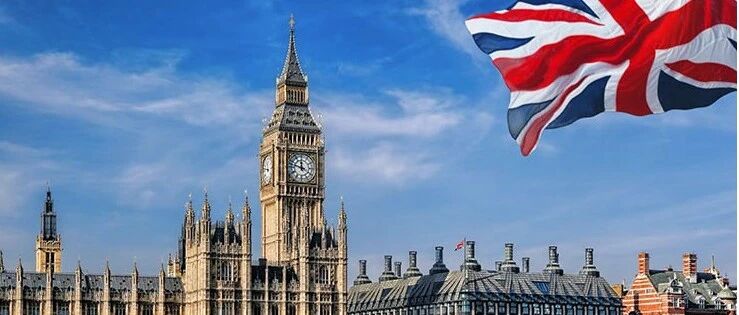
Group 1 - The UK has launched a broad unilateral sanctions action against Russia, focusing on key industries such as oil, nuclear energy, finance, and military supply chains, with nearly 300 new restrictions implemented [1][3] - The sanctions target 39 companies registered in mainland China and Hong Kong, accused of supporting the Russian military industry and participating in its energy trade network [1][10] - The sanctions are part of a coordinated international effort that has reportedly deprived Russia of over $450 billion in revenue, significantly impacting its economy and forcing tax increases to cover budget shortfalls [3][4] Group 2 - The sanctions specifically aim to disrupt Russia's energy exports, targeting key transportation companies and a network of 175 associated companies involved in illicit oil trade [6][8] - The military supply chain is also a focus, with 49 entities sanctioned for providing critical goods and technology to Russia's defense industry [7] - Nine Russian banks have been sanctioned to limit their access to international markets and financing, crucial for supporting military operations [8] Group 3 - The sanctions against Chinese companies are primarily based on two allegations: providing military or dual-use items and having links to the Russian energy trade network [11][12] - Notable companies on the sanctions list include Beijing Weina Star Technology Co., Ltd. and Jiangsu Qianzhuzhu Machinery Manufacturing Co., Ltd., both accused of supplying military-related goods [12][13] - Sanctioned entities will face severe legal and commercial consequences, including asset freezes and restrictions on trust services and transportation [13][14][15] Group 4 - The direct impact on affected Chinese companies includes asset freezes in the UK and significant obstacles to financial, trade, and logistics cooperation [17] - The sanctions highlight increasing international pressure regarding dual-use item export controls and scrutiny of end-users, particularly in high-tech and precision manufacturing sectors [17] - The UK's actions reflect a trend towards "long-arm jurisdiction" and secondary sanctions, complicating compliance for multinational companies, especially those with ties to China [17]
英国宣布对俄罗斯实施“最大规模”制裁方案
Xin Lang Cai Jing· 2026-02-24 08:57
Group 1 - The UK government announced the implementation of 297 new sanctions against Russia, targeting energy revenues and military equipment suppliers [1][2] - Among the sanctioned entities is PJSC Transneft, which transports over 80% of Russia's oil exports [2] - The sanctions also include 175 companies within the "2Rivers" oil network, recognized as one of the largest shadow fleet operators globally and a major trader of Russian crude oil, along with 48 oil tankers [2]
俄罗斯援助古巴原油:美国禁运下的能源危机与国际博弈
Sou Hu Cai Jing· 2026-02-12 16:43
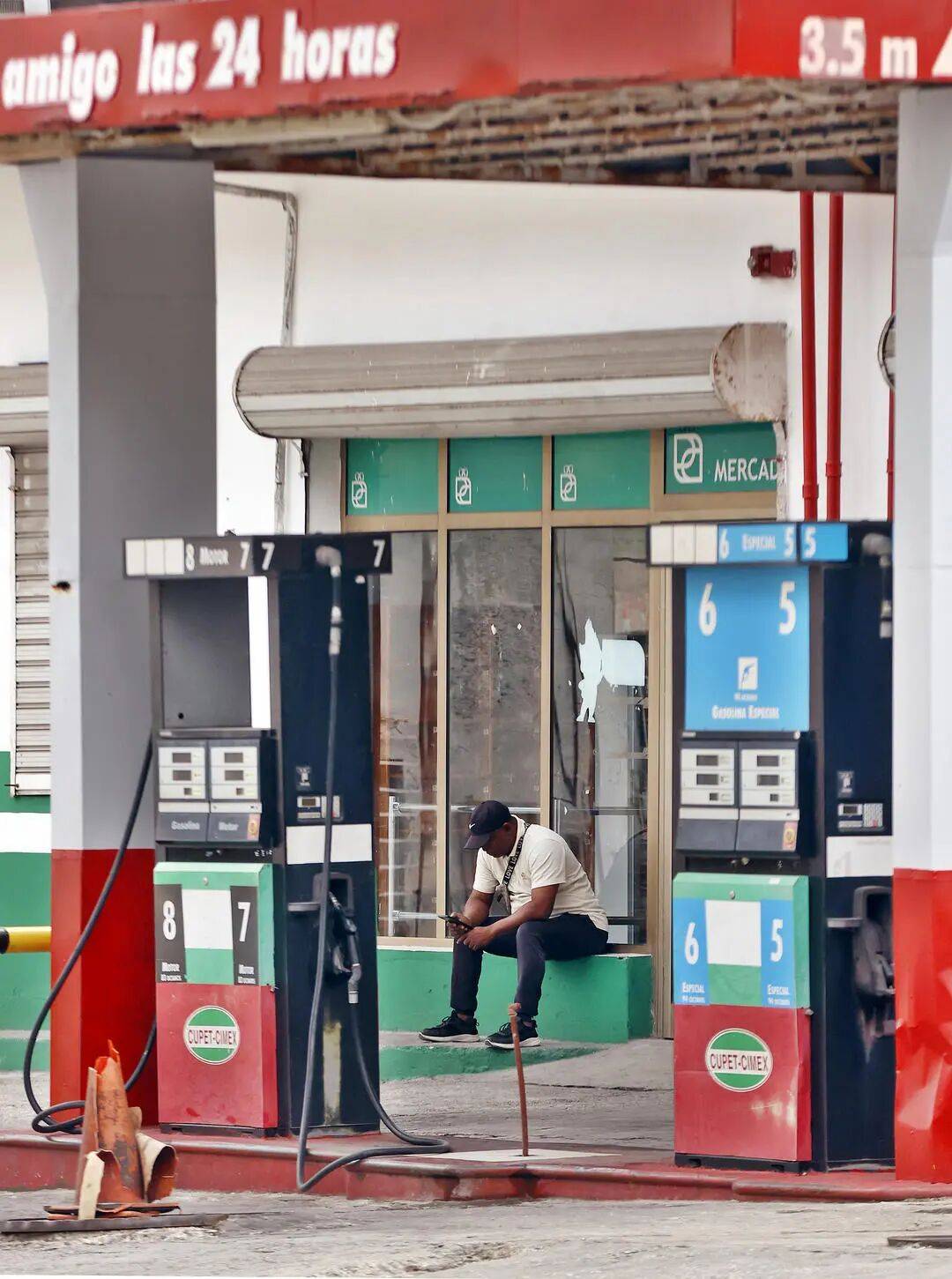
Group 1: Current Crisis - The U.S. oil embargo has pushed Cuba to the brink of an energy collapse, with oil imports dropping to zero for the first time since 2015 as of January 2026 [2][5] - Cuba's fuel reserves are currently sufficient for only 15-20 days, with daily oil supply falling short of 3,000 barrels, which is merely 2.7% of the country's demand [2][4] - The situation has led to severe consequences for daily life, including long queues at gas stations and exorbitant black market prices of $12 per liter for gasoline [2][4] Group 2: Humanitarian Aid and International Response - Russia has announced plans to send humanitarian aid in the form of oil and fuel to Cuba, continuing a trend of supplying over 5 million tons of oil from 2016 to 2025, often through methods that evade U.S. sanctions [5] - The Russian government has expressed willingness to engage in dialogue but is unafraid of U.S. sanctions, indicating a geopolitical struggle for influence in the region [5][6] - The United Nations and other international figures have called for the lifting of sanctions, highlighting the humanitarian crisis in Cuba, yet regional responses have been muted [6] Group 3: Broader Implications - The ongoing U.S.-Russia tensions in the Caribbean raise concerns about potential historical parallels to past crises, with analysts suggesting that both sides retain diplomatic avenues to avoid escalation [6] - The humanitarian impact of sanctions on ordinary Cubans raises ethical questions about the limits of such measures, particularly as essential services like hospitals and education are affected [7]
穆罕默德·马兰迪、马可:为颠覆伊朗现政权,美以用了多重工具
Xin Lang Cai Jing· 2026-02-11 06:24
Core Viewpoint - The article discusses the geopolitical tensions between the United States and Iran, particularly in the context of military threats, economic sanctions, and the potential for negotiations regarding Iran's nuclear program and missile capabilities. It highlights Iran's firm stance against U.S. demands and the implications of external interference in domestic protests. Group 1: U.S. Actions and Military Threats - The U.S. has deployed naval forces to the Persian Gulf and President Trump has threatened to attack Iran to force negotiations on its nuclear program and missile capabilities [2][4] - Iran has stated that any attack on its territory will lead to a regional war against the U.S. and its allies, indicating a strong commitment to retaliate [4][5] Group 2: Iran's Position on Negotiations - Iran is unwilling to negotiate on its military capabilities, including its missile program and regional alliances, but is open to discussions about ensuring its nuclear program is for peaceful purposes [2][4] - The only negotiable topic for Iran is establishing a framework that allows its uranium enrichment to operate legally while addressing Western concerns [2][4] Group 3: Economic Impact of Sanctions - The U.S. financial attacks have led to a significant devaluation of the Iranian rial, causing economic distress and triggering protests that were later infiltrated by foreign agents [5][7] - The "snapback" sanctions mechanism has largely failed due to opposition from Russia and China, but targeted operations continue to pressure Iran's economy [7][8] Group 4: Domestic Unrest and External Influence - Protests in Iran were initially sparked by economic issues but were exploited by external forces, leading to violence and significant casualties, including 3,117 deaths [5][7] - Western media narratives have been criticized for misrepresenting the situation, focusing on alleged government repression while ignoring the role of foreign intelligence in inciting violence [5][7] Group 5: Iran's Achievements and Resilience - Despite decades of sanctions and military threats, Iran has made significant advancements in various sectors, including defense and education, showcasing its resilience [14] - The article suggests that Iran's future development may improve as global power dynamics shift, particularly with the rise of BRICS nations [14]
墨西哥总统:制裁不应伤及民生 墨方继续援助古巴
Xin Hua She· 2026-02-09 23:35
Core Viewpoint - Mexico will continue to provide humanitarian support to Cuba and calls for an end to sanctions that affect the livelihood of the Cuban people [1] Group 1 - The Mexican President, López Obrador, emphasized the importance of humanitarian assistance to Cuba [1] - The statement reflects Mexico's stance on international relations and support for neighboring countries [1] - The call to lift sanctions indicates a focus on improving the living conditions in Cuba [1]
印度递上能源版“投名状” 国内油企紧急停买以待政策细则
Ge Long Hui A P P· 2026-02-03 07:24
Core Viewpoint - India has reduced its oil imports from Russia in recent months, particularly following sanctions on major producers in Moscow, but trade has not ceased due to attractive discounts [1] Group 1: Trade Dynamics - Despite pressure from the Trump administration for India to cut trade with Russia, trade flows have remained intact due to the appealing pricing of Russian oil [1] - At least three refiners are seeking government clarification on the sensitive issue of Russian oil imports, with two of them having paused their purchases [1] Group 2: Future Outlook - Indian Oil Minister Hardeep Puri anticipates a continued decline in India's crude oil imports from Russia [1] - Refiners are eager to increase supply from Canada and the United States as an alternative to Russian oil [1]
欧盟再出制裁,批准禁购俄罗斯天然气协议,对俄经济造成巨大打击
Sou Hu Cai Jing· 2026-01-27 09:45
Core Points - The EU has officially approved a landmark regulation to end all imports of Russian liquefied natural gas (LNG) and pipeline gas by 2026 [1][3] - This decision is one of the most significant energy decisions made by the EU since the outbreak of the Russia-Ukraine conflict in 2022, aiming to eliminate dependence on Russian energy [1][3] Regulation Details - The regulation mandates the cessation of Russian LNG imports by the end of 2026, with pipeline gas deliveries to be completely halted by September 30, 2027 [3] - There is an option for member states to delay the pipeline cutoff until November 1, 2027, if they face difficulties securing sufficient non-Russian gas supplies before winter [3] - Hungary and Slovakia opposed the measure but could not prevent its implementation due to the requirement of a simple majority for approval [3] Energy Supply Diversification - Prior to the Russia-Ukraine conflict, over 40% of the EU's gas supply came from Russia, which is expected to drop to about 13% by 2025 as member states diversify their energy suppliers and enhance storage capacity [3] - The new regulation represents the final phase of this transition towards energy independence from Russia [3] REPowerEU Strategy - The EU Council describes the regulation as a key milestone in the "REPowerEU" strategy, aimed at eliminating reliance on Russian fossil fuels [5] - The regulation includes stronger oversight mechanisms requiring member states to verify the production sources of all imported gas to prevent circumvention of the ban [5] Compliance and Penalties - Member states must submit national diversification plans by March 1, 2026, addressing supply security issues and any remaining Russian gas orders held by private companies [6] - Non-compliance may result in fines of at least €2.5 million for individuals and €40 million or up to 3.5% of global annual turnover for companies [6] Financial Implications for Russia - As of August 2025, EU countries were still paying €1.15 billion monthly for fossil fuel purchases from Russia, with Hungary, Slovakia, France, the Netherlands, and Belgium accounting for 85% of these expenditures [6] - The loss of the EU market, historically Russia's most lucrative gas market, will significantly impact Russia's fiscal stability and limit its social spending, military funding sustainability, and investment capacity [6]
美国宣布新一轮制裁!
中国能源报· 2026-01-24 05:30
Group 1 - The core viewpoint of the article is that the U.S. has announced a new round of sanctions targeting entities and oil tankers associated with Iran, focusing on those that assist in the export of Iranian oil, energy, and derivatives [2]. Group 2 - On January 23, the U.S. Department of the Treasury's Office of Foreign Assets Control (OFAC) implemented sanctions against multiple entities and vessels related to Iran's energy and shipping systems [2]. - The sanctions specifically target shipping companies and their associated vessels, with assets under U.S. jurisdiction being frozen, and U.S. individuals and entities prohibited from engaging in any transactions with them [2]. - The sanctioned vessels primarily include oil tankers and cargo ships, which the U.S. identifies as playing a critical role in Iran's restricted energy trade [2].