大宗商品定价权

Search documents
中国停购澳矿,打的不仅是价格博弈,还有“权杖”加码
Sou Hu Cai Jing· 2025-10-05 10:17
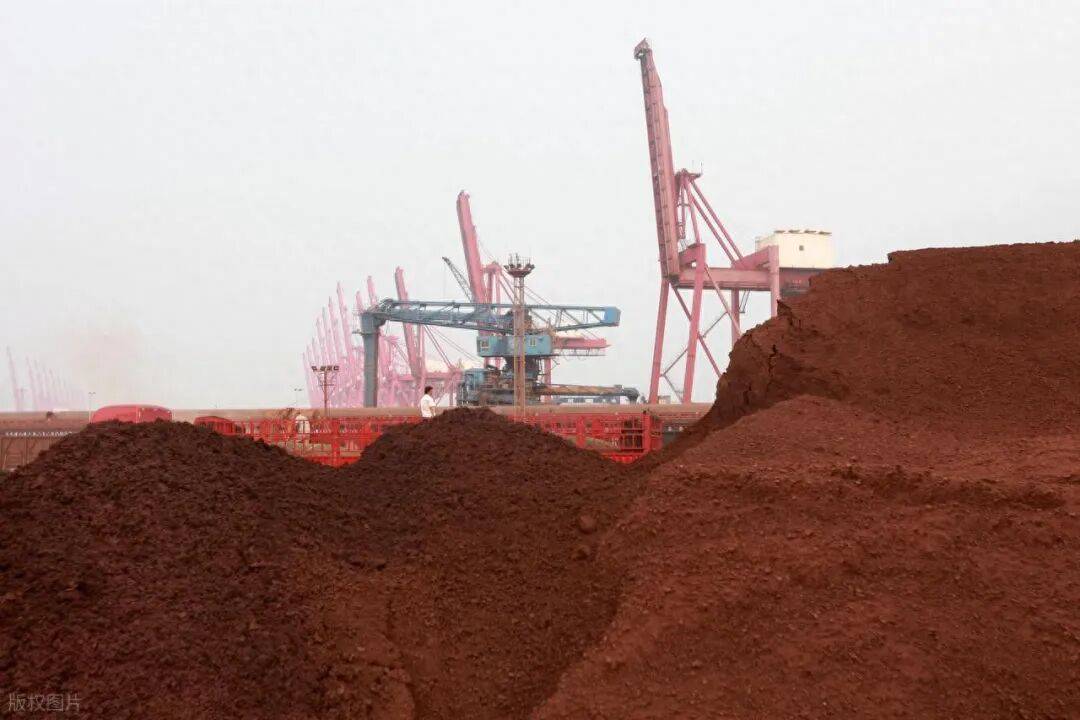
Core Viewpoint - The negotiation breakdown between China's largest iron ore buyer and major supplier BHP signifies a struggle over pricing power and settlement currency, with China halting purchases of BHP's iron ore priced in USD [1][3]. Group 1: Negotiation Breakdown - The core issue of the trade dispute lies in the failure to reach consensus on pricing, with China seeking prices aligned with global market rates while BHP insists on maintaining or potentially increasing current prices [3]. - China has proposed that future iron ore trade be settled in RMB, challenging the existing currency power dynamics in international trade [3][17]. - The negotiations have escalated, with China previously requesting steel mills to suspend purchases of BHP's iron ore, marking a significant shift in strategy [1][3]. Group 2: Market Reaction - Australian Prime Minister Anthony Albanese expressed disappointment over China's decision to suspend BHP iron ore purchases, emphasizing the importance of uninterrupted trade for both economies [3]. - Following the announcement, BHP's stock price fell approximately 3.4%, resulting in a market capitalization loss of over 12 billion AUD [3][4]. Group 3: Strategic Background - China's recent establishment of the China Mineral Resources Group aims to unify iron ore procurement for domestic steel companies, enhancing bargaining power against international suppliers [5]. - This strategic shift counters the previous approach where major iron ore companies exploited their monopoly to negotiate separately with Chinese steel firms [5]. Group 4: Economic Impact - Iron ore is a critical component of the China-Australia trade relationship, with China being the world's largest iron ore importer, accounting for over 1 billion tons annually, 60% of which comes from Australia [10]. - In 2024, Australia's iron ore exports to China are projected to be around 71 million tons, generating approximately 130 billion AUD in revenue [11]. Group 5: Future Outlook - Albanese indicated that the current measures are disappointing but hopes they are temporary, as price negotiations often lead to such disputes [14]. - BHP retains a small amount of iron ore in China that has been priced in RMB and is currently being traded normally, indicating a strategy to mitigate short-term impacts on the domestic steel industry [16]. - The outcome of this trade dispute could redefine global iron ore trading rules, with China's bargaining power potentially increasing as the Simandou project comes online in 2025 and the internationalization of the RMB accelerates [18][19].


肖成博士:南沙有望成为我国期货市场开放创新的“试验田”
Qi Huo Ri Bao Wang· 2025-08-25 01:39
Core Viewpoint - The development of the futures market in Guangdong is entering a new phase of high-quality growth, with significant opportunities arising from various government initiatives and the establishment of a complete futures industry chain [1][5]. Group 1: Policy and Strategic Initiatives - Guangdong has implemented a series of policies aimed at building a complete futures industry chain and establishing a risk management center, particularly in Nansha [1][4]. - The release of the "Nansha Financial 30 Measures" has provided substantial encouragement for the futures market in Nansha and Guangdong as a whole [1][5]. - Nansha is positioned as a strategic hub for the national competition for pricing power in bulk commodities, leveraging its unique geographical advantages [4][5]. Group 2: Advantages of Nansha - Nansha possesses five core advantages: policy support, geographical location, industrial synergy, innovation, and internationalization, which are crucial for the development of the futures market [4][6]. - The region's proximity to major manufacturing centers like Foshan and Dongguan allows it to serve a trillion-level manufacturing cluster, enhancing its industrial collaboration [4][6]. - Nansha Port, as the fifth largest port globally, provides logistical support for the delivery of bulk commodities, integrating trade, finance, and logistics [4][6]. Group 3: Future Development Trends - The complete futures industry chain is essential for stabilizing the manufacturing sector in Guangdong, which is sensitive to price fluctuations of raw materials [6][7]. - Nansha aims to enhance China's pricing influence in bulk commodities, addressing the long-standing issue of lacking core pricing power [7][8]. - The region is expected to attract more financial resources and optimize the economic structure, transforming Guangdong from a manufacturing province to a pricing power [7][8]. Group 4: Technological and Financial Innovations - Nansha is encouraged to leverage technological innovations such as big data and blockchain to enhance financial policies and applications [8][9]. - The exploration of stablecoins for cross-border settlements presents an opportunity for integrating financial innovations with the futures market [9].