
金融创新

Search documents
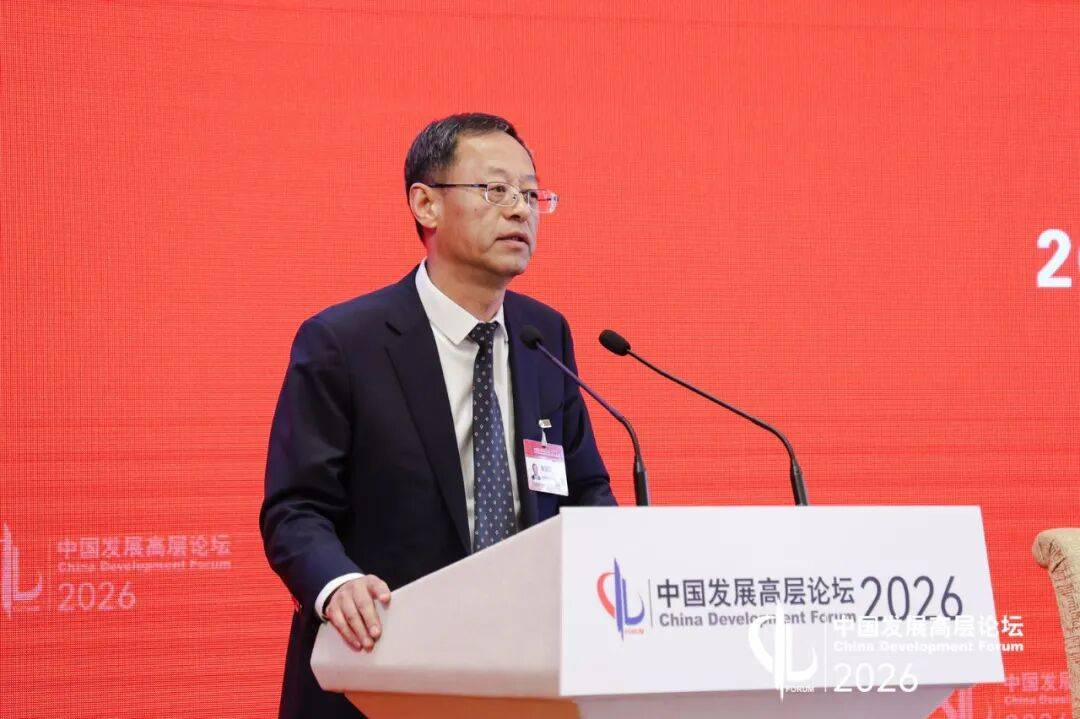
中国发展高层论坛2026丨交通银行行长张宝江:恪守金融服务实体经济本源至关重要
Sou Hu Cai Jing· 2026-03-24 01:36
Core Viewpoint - The discussion at the China Development Forum highlighted the importance of financial innovation in supporting high-quality development and the role of digital transformation in the financial sector [2]. Group 1: Financial Innovation and Digital Transformation - The financial sector is transitioning from traditional, manual, and factor-driven services to intelligent, data-driven models due to rapid digitalization [2]. - The "航贸数链" project, led by the Bank of Communications and relevant national departments, aims to address issues of information asymmetry and high trust costs in cross-border trade using blockchain technology [3]. Group 2: Solutions Offered by the "航贸数链" Project - Data transparency is enhanced by putting documents, contracts, and logistics data on the blockchain, which prevents tampering and allows for traceability, effectively addressing trust issues [3]. - The project automates and digitizes the entire process of customs, logistics, settlement, and financing, significantly reducing document verification times from at least two days to 30 minutes for offshore trade and from six hours to 10 minutes for oil and gas transactions [4]. - The project improves collaboration among various stakeholders in the supply chain, addressing issues like congestion and delays by integrating business, logistics, information, and financial flows [4]. Group 3: Market Acceptance and Future Prospects - Approximately 300,000 import and export enterprises have joined the platform, with a total transaction amount reaching 1 trillion yuan [4]. - Future expansions of the project may include multimodal transport, bulk supply chain financing, trade credit letters, and innovations in digital currency applications [4]. Group 4: Key Insights from the Project - High-level openness in China is essential for the application of innovation [4]. - The integration of cutting-edge technology and data resources is crucial for delivering practical value to clients [4]. - Maintaining a focus on serving the real economy is vital for financial innovation to be meaningful and effective [4].


渤海银行创新“航油证”金融方案 精准滴灌航空产业 助力强国梦高飞
Zhong Jin Zai Xian· 2026-03-05 06:57
Core Insights - Bohai Bank is actively implementing its mission of "finance for the people, serving the real economy" by providing a closed-loop financial service solution for Capital Airlines, amounting to 50 million yuan [1] - The aviation industry, a crucial strategic sector of the national economy, faces significant financial challenges, including high asset operation costs and seasonal fluctuations in financing needs, particularly with fuel costs exceeding 30% of total expenses [1] Group 1 - Bohai Bank has innovatively developed a comprehensive service solution called "Aviation Fuel Certificate," which integrates domestic letters of credit and buyer's agent forfaiting, transforming the roles of airlines, banks, and China Aviation Oil Group into a collaborative ecosystem [2] - The solution allows airlines to lock in future ticket sales revenue as a repayment source, providing a 90-day deferred payment period for fuel purchases, thus alleviating short-term financial pressure [2] - The design of the solution addresses both the airlines' need for deferred payments and the fuel suppliers' need for immediate cash flow, creating a new ecosystem of shared risks and mutual benefits [2] Group 2 - The successful implementation of the "Aviation Fuel Certificate" relies on a comprehensive risk control system embedded throughout the business process, ensuring a robust financial operation [3] - Bohai Bank employs a three-way verification mechanism involving transaction contracts, fueling receipts, and ticket revenue data to ensure that financing corresponds to actual fuel consumption and transportation services [3] - The bank's new comprehensive fund management system enables online operations throughout the process, with a dedicated approval channel and a 7x12 hour agile service team, reducing the total processing time to under 24 hours [3] Group 3 - Bohai Bank plans to accelerate the replication and promotion of the "Aviation Fuel Certificate" model in key aviation hub areas and extend its service philosophy to other segments such as aircraft maintenance, material leasing, and aviation logistics [3] - The goal is to gradually build a comprehensive financial service ecosystem covering the entire aviation industry chain, providing robust and intelligent financial support for the growth of China's aviation sector [3]
不丹:金融科技监管沙盒框架的技术援助报告审查和诊断(英)
IMF· 2026-03-02 08:35
Investment Rating - The report does not explicitly provide an investment rating for the industry. Core Insights - The report emphasizes the significant institutional progress made by the Royal Monetary Authority (RMA) in establishing a regulatory sandbox framework, despite limited resources. This foundational work provides a platform for recommended enhancements to achieve effective sandbox operations [13] - Bhutan's digital financial ecosystem has made notable advancements, particularly in mobile banking and digital wallets, which have expanded financial services to rural and underserved populations. However, there remains a gap in fostering a more collaborative and dynamic ecosystem among banks, financial institutions, and startups [14] - The regulatory sandbox (RS) framework aims to support and manage fintech innovation but faces key challenges that hinder its effectiveness, including unclear strategic objectives, fragmented governance, and limited operational focus [15] - Recommendations include realigning the RS with RMA's strategic priorities, narrowing its scope to cover regulated activities, and introducing a formal risk management framework [16] Summary by Sections Executive Summary - The IMF conducted a technical assistance mission to review and strengthen Bhutan's fintech regulatory sandbox framework, assessing its alignment with Bhutan's digital transformation goals and its effectiveness in promoting innovation [12] - A two-day capacity-building workshop was held to enhance RMA staff's expertise in managing RS operations and regulating emerging fintech innovations [12] Section I: Goals and Structure of the RMA Regulatory Sandbox - The RS is designed to balance financial stability and consumer protection with the need to foster innovation, providing a controlled environment for monitoring innovative solutions before broader market adoption [28] - The RS framework was launched in June 2020, aiming to test innovative, technology-enabled financial products and services [29] Section II: Fintech Landscape in Bhutan - Bhutan's financial sector, comprising six commercial banks and several other financial institutions, accounts for over 80% of total financial assets, indicating a need for digital innovation to unlock further growth [41] - Digital banking platforms have significantly contributed to Bhutan's digital transformation, making financial services more accessible [42] - The introduction of QR code-based payment systems has accelerated Bhutan's transition to a cashless economy [44] Section III: Assessment of the RMA Regulatory Sandbox Framework - The RS framework has become a passive mechanism driven by market responses rather than aligning with strategic priorities, leading to overlaps with existing regulatory functions [58] - The report identifies the need for stricter entry criteria and a proactive framework to address systemic risks and enhance regulatory oversight [63] Recommendations and Next Steps - The report suggests that RMA should first identify its regulatory priorities and ensure that innovation focuses align with strategic goals, including financial stability and market development [22] - It is recommended to narrow the RS's scope to only include activities requiring regulatory approval and to reassess its objectives to ensure they are specific and measurable [22]
华赢集团AXG亚洲首发香港证监会批准虚拟资产结构化期权产品
Ge Long Hui· 2026-02-27 01:30
Core Viewpoint - Huaying Group has launched a structured investment product linked to Bitcoin (BTC) and Ethereum (ETH), marking a significant milestone as the first broker in Hong Kong to issue such products under the regulatory framework of the Hong Kong Securities and Futures Commission (SFC) [1][2] Group 1: Product Launch - The new product is named the Innovative Options Combination Strategy Series and is issued by AXG Investment Ltd [1] - The product is designed for professional investors and adheres to the Securities and Futures Ordinance in Hong Kong [1] - Key compliance features include independent custody by a licensed virtual asset trading platform, multi-signature wallets, on-chain auditability, and standardized legal documents at an institutional level [1] Group 2: Market Impact - The launch is expected to provide professional investors with more robust investment strategies and pave the way for the compliance, productization, and institutionalization of the virtual asset market in Hong Kong [2] - The initiative reflects the integration of traditional financial expertise with blockchain technology, emphasizing a commitment to compliance and innovation for high-quality industry development [2]
穆迪发布私募信贷展望:随着互联性增强,风险将上升
Xin Lang Cai Jing· 2026-02-26 07:36
Core Insights - Moody's projects that the assets under management (AUM) in private credit will exceed $2 trillion by 2026 and approach $4 trillion by 2030, indicating sustained momentum in the sector [2] - The focus of investment is shifting from traditional corporate loans to asset-backed financing (ABF), with growth momentum expected to strengthen in Europe, the Middle East, Africa (EMEA), and the Asia-Pacific (APAC) regions [2] - Mergers and acquisitions (M&A) and leveraged buyout (LBO) activities are anticipated to increase, intensifying competition among lenders and creating more financing opportunities [2] Group 1 - ABF is expected to lead growth as collaboration models and origination activities accelerate, with alternative asset managers seeking to fund a more diverse range of new asset pools, particularly in consumer loans and data infrastructure credit [2] - New partnerships are creating origination opportunities, and alternative asset management firms will continue to expand their participation, especially in areas where banks face regulatory constraints [2] Group 2 - The influence of private credit in the securitization product space is growing, particularly in high-yield sectors that can compensate for asset risks, especially amid narrowing spreads across different asset classes [2] - Financial innovation tools such as structured credit, rated fund structures, net asset value (NAV) loans, and payment-in-kind (PIK) loans are increasingly relied upon to meet alternative liquidity financing needs [3] - The adoption of evergreen funds is reshaping distribution channels for managers, indicating a shift in how private credit is accessed [3] Group 3 - Regulatory frameworks will remain limited, but there will be an increased focus on transparency as global regulators support the role of private credit in meeting capital demands while exercising caution [3] - The interconnectedness between private credit funds and traditional financial institutions is deepening, which may exacerbate risk contagion during economic downturns [3] - Increased participation of retail investors in private credit may lead to heightened volatility in the market [3]
最高法:将深入研究私募基金、虚拟货币等新型金融案件司法应对举措
Zhong Guo Jing Ying Bao· 2026-02-25 06:51
Core Insights - The Supreme People's Court plans to enhance its judicial functions in civil and commercial trials, focusing on insider trading and market manipulation, as well as new financial cases like private equity funds and cryptocurrencies by 2026 [1] Group 1: Financial Case Trends - In 2025, the courts adjudicated 2.707 million financial cases, showing three main trends: the emergence of new types of disputes due to financial innovation, increased interconnectedness of cases, and the significant role of judicial rulings in mitigating financial risks [1] - The courts are actively supporting the development of technology finance, green finance, inclusive finance, pension finance, and digital finance, resulting in effective judicial outcomes [1] Group 2: Support for Green Finance - Courts in Shanghai, Nanjing, Hangzhou, Hefei, and Suzhou have collaborated to promote green finance through a joint initiative, directing financial resources towards green sectors [2] Group 3: Support for Inclusive Finance - The courts are implementing judicial suggestions to enhance financial services for the real economy, with a notable decrease in credit card and guarantee insurance disputes compared to overall civil and commercial case growth [2] - Special research was conducted by the Guangxi High Court on small loan disputes affecting impoverished populations, leading to recommendations for financial institutions [2] Group 4: Support for Pension Finance - The focus is on improving judicial services for the elderly, ensuring that financial products sold by institutions meet suitability obligations, thereby protecting the rights of senior financial consumers [2] Group 5: Support for Digital Finance - The Shanghai Financial Court has issued judicial recommendations to address issues with electronic signing in small loans, aiming to enhance compliance and protect consumer rights [2] Group 6: Future Directions - The courts will continue to implement existing judicial suggestions and develop new ones to effectively resolve disputes in supply chain finance, internet finance, and cryptocurrencies, thereby strengthening judicial support for building a financial powerhouse [3] - In 2025, the courts received 392,000 insurance disputes, marking a 21.3% increase, with efforts to protect consumer rights through diversified dispute resolution and model judgments [3]
尹振涛:明晰金融支持消费的重点与路径
Jing Ji Ri Bao· 2026-02-25 00:06
Core Viewpoint - The current economic focus is on expanding domestic demand, with consumer spending being a key driver, supported by financial services to stimulate consumption and economic growth [1]. Group 1: Financial Support for Consumption - Financial institutions are encouraged to enhance support for expanding domestic demand, technological innovation, and small and medium enterprises [1]. - Financial services play a crucial role in optimizing resource allocation, lowering consumption barriers, and enhancing payment convenience, which collectively stimulate consumer spending [3][5]. - The interaction between finance and consumption is reciprocal, where financial innovation can drive consumption growth, and increased consumption can further promote financial development [2][4]. Group 2: Financial Product Innovation - Financial institutions are urged to innovate products and services to meet the evolving demands of consumers, particularly in emerging consumption areas such as digital and health-related sectors [4][7]. - Customized financial products targeting specific consumption scenarios, such as green finance and service consumption, are essential for supporting consumption structure upgrades [7]. Group 3: Infrastructure and Accessibility - Strengthening financial infrastructure is vital for efficient financial service delivery, which includes enhancing digital payment systems and expanding access to financial services in underserved areas [8][9]. - Improving the accessibility and satisfaction of inclusive finance services is necessary to support various social groups, particularly new citizens and rural populations [9]. Group 4: Policy and Regulatory Framework - A robust regulatory framework is needed to support financial services for consumption, including comprehensive financial supervision and risk management mechanisms [11][12]. - Coordination between financial, fiscal, monetary, and industrial policies is essential to create a conducive environment for consumption growth [12].
全国首单!“萧农保贷”激活农业新质生产力
Mei Ri Shang Bao· 2026-02-24 22:27
Core Insights - The article discusses the launch of the "Xiao Nong Bao Dai" financial product, which is a combination of insurance, banking, and guarantee services aimed at supporting agricultural innovation in Hangzhou, China [1][3] - This product addresses the financing challenges faced by agricultural technology companies, particularly in the transition from laboratory research to field application [1][3] Group 1: Financial Innovation - The "Xiao Nong Bao Dai" product is the first of its kind in China, specifically designed to support agricultural innovation through a collaborative model involving government, banks, insurance, and guarantee institutions [3] - The product was developed with the support of the Hangzhou Agricultural and Rural Affairs Bureau and aims to create a financial ecosystem that facilitates timely funding for agricultural tech enterprises [1][3] Group 2: Case Study - Hangzhou Muyu Biotechnology Co., Ltd. benefited from this financial product, which provided them with a tailored insurance policy to cover research and development costs, thus alleviating their financial constraints [2] - The company received a loan of 1 million yuan from Xiao Shan Rural Commercial Bank, supported by a guarantee from Xiao Shan Financing Guarantee Company, creating a positive feedback loop that enhances credit and reduces financing pressure [2] Group 3: Future Outlook - The article emphasizes the commitment of Hangzhou Insurances to continue developing collaborative financial solutions that align with national strategies for enhancing agricultural technology innovation [3] - The initiative aims to inject continuous financial momentum into the agricultural sector, supporting rural revitalization and high-quality agricultural development in Hangzhou [3]
“两业协同”开新局,一马当先向未来
Nan Fang Du Shi Bao· 2026-02-23 16:05
Core Viewpoint - Guangdong is focusing on the coordinated development of manufacturing and service industries as a strategy for high-quality economic growth, marking the beginning of a new phase in its development journey [1][2]. Group 1: Economic Strategy - The theme of the high-quality development conference emphasizes "coordinated development of manufacturing and service industries," aiming to set a clear direction for economic growth in 2024 and beyond [1]. - Guangdong has maintained its position as the top province in GDP for 37 consecutive years, showcasing a robust manufacturing base and a strong modern service sector [1]. - The province's manufacturing sector includes all 31 major categories and boasts 10 trillion-yuan-level industrial clusters, while the service sector has led the nation in added value for 41 years [1]. Group 2: Industry Transformation - The coordinated development of manufacturing and service industries is essential for upgrading the entire economic chain, with a focus on mutual enhancement rather than competition [2]. - Guangdong's manufacturing is transitioning towards smart, high-end, and green production, with service industries playing a crucial role in this transformation through the use of information technology and financial services [2]. - The "14th Five-Year Plan" suggests enhancing the integration of modern services with advanced manufacturing and modern agriculture, emphasizing the digitalization of services [2]. Group 3: Market Dynamics - The synergy between manufacturing and service industries is expected to enrich supply content, stimulate market demand, and promote consumption, ultimately benefiting the public [3]. - The "Guangdong Goods Go Global" initiative highlights the importance of service support, such as logistics and digital technology, in driving sales for local products [3]. - The coordinated development approach is not only about improving manufacturing efficiency but also about investing in human resources to enhance overall quality of life [3].
广东省高质量发展大会正月初八召开
Xin Lang Cai Jing· 2026-02-22 02:32
Core Viewpoint - The Guangdong Province High-Quality Development Conference will be held on February 24, focusing on various themes related to industrial integration and policy innovation [1] Group 1: Conference Overview - The conference will take place in Guangzhou and will last for one day, featuring a general assembly in the morning [1] - Afternoon sessions will cover topics such as industrial integration and policy innovation, technology innovation empowering industrial integration, financial innovation, smart manufacturing and industrial internet, digital economy and new trade formats, and the "Hundred Million Project" for county-level industrial integration and high-quality development [1] Group 2: Publications and Policy Support - A press conference will follow the event, where the Provincial Development and Reform Commission will release a white paper on the coordinated development of manufacturing and service industries in Guangdong [1] - Relevant provincial departments will interpret supportive policies related to the coordinated development of manufacturing and service industries and answer questions from the press [1]