市场化票价机制

Search documents
超1300趟动车降价,铁路票价淡季打折释放哪些信号?
Xin Hua Wang· 2025-11-10 11:54
Core Insights - The recent adjustment in train ticket prices by various railway bureaus indicates a shift towards a more flexible and market-oriented pricing mechanism, with discounts as low as 40% being offered on over 1,300 train services across more than 130 high-speed rail lines [1][3] Group 1: Pricing Adjustments - Starting from November 10, the Zhengzhou Railway Bureau has implemented price adjustments on certain high-speed train routes, with discounts reaching as low as 40% [1][3] - The Shenyang Railway Bureau is offering regular discounts of 60% on weekdays and 70% on weekends for certain train services, while the Shanghai Railway Bureau has introduced a minimum discount of 40% on 581 train services [3] - The pricing adjustments are based on market research and demand, aiming to optimize the pricing structure for different travel times and routes [3][5] Group 2: Consumer Benefits - The price reductions are expected to lower travel costs for consumers, with examples of significant savings reported by frequent travelers [4] - Special groups such as students, children, and disabled veterans continue to enjoy additional discounts, further enhancing the accessibility of rail travel [5] - The adjustments are designed to stimulate consumption and expand domestic demand, contributing positively to local economies [5][6] Group 3: Impact on Tourism and Local Economies - The pricing strategy is linked to initiatives that promote tourism, such as the collaboration between the Chengdu Railway Bureau and local tourism departments, which has led to increased passenger numbers [6] - The adjustments are anticipated to boost travel to popular destinations and support local tourism industries, particularly in regions with historical significance [8] - Experts suggest that the differentiated pricing strategy not only improves train occupancy rates but also stimulates cross-regional travel, benefiting various sectors including tourism and business [8]

财经聚焦丨超1300趟动车降价,铁路票价淡季打折释放哪些信号?
Xin Hua Wang· 2025-11-10 11:34
Core Viewpoint - The recent fare reductions on over 1300 high-speed trains across various railway lines signal a shift towards a more flexible and market-oriented pricing mechanism in China's railway sector, aimed at enhancing passenger affordability and stimulating travel demand [1][2][4]. Pricing Adjustments - The adjustments include discounts as low as 40% on select routes, with the most extensive coverage and number of trains affected in recent years [2][4]. - Different railway bureaus, such as Zhengzhou, Harbin, and Shanghai, have implemented varying discount strategies, including weekday and weekend pricing adjustments [4][7]. Market-Oriented Pricing Mechanism - The railway sector is moving towards a market-driven pricing model, allowing for both price increases and decreases based on demand and market research [2][4]. - The introduction of flexible pricing aims to create a diverse range of travel options for passengers, enhancing the overall travel experience [4][8]. Cost Reduction and Consumer Benefits - The fare reductions are designed to lower travel costs for consumers, with specific examples showing significant savings for frequent travelers [5][7]. - Special discounts continue to be offered for vulnerable groups, including students and disabled individuals, reinforcing the social equity aspect of the pricing strategy [7]. Stimulating Consumption and Tourism - The fare adjustments are expected to boost local tourism and consumption, with collaborative efforts between railway departments and local tourism agencies to promote travel packages [8][9]. - The strategy is seen as a means to invigorate the economy by increasing passenger flow and encouraging cross-regional travel, which benefits local businesses and tourism sectors [9].
最低享4折 1300余趟动车组实行淡季票价优惠
Zhong Guo Jing Ying Bao· 2025-11-07 17:24
Core Viewpoint - The China National Railway Group has implemented significant discounts on ticket prices for over 1,300 high-speed trains across more than 130 routes, with discounts as low as 40% to stimulate passenger demand during the traditional off-peak season [1][3]. Group 1: Ticket Price Adjustments - The railway group has increased discount rates for over 1,300 high-speed trains, with the lowest discount set at 40% [1]. - Discounts vary based on factors such as region, peak seasons, and travel times, with some longer routes and those with lower occupancy seeing larger discounts [1]. - Six railway bureaus are offering 40% discounts, while 13 others are providing discounts ranging from 50% to 90% [1]. Group 2: Market Demand and Pricing Strategy - The railway department is adjusting ticket prices for shorter, high-demand routes with minimal or no discounts to balance supply and demand [2]. - Specific routes, such as the C3802 from Shanghai to Nantong, are maintaining full fare, while others have varying discount rates throughout the week [2]. - The pricing strategy aims to create a differentiated passenger product system that reflects quality and fairness [2]. Group 3: Seasonal Trends and Passenger Volume - The fourth quarter is traditionally a low season for railway travel, accounting for only 23% of annual passenger volume, prompting more aggressive discounting strategies [3]. - In the first three quarters, the railway transported 3.537 billion passengers, a 6% increase year-on-year, with an average of 11,100 passenger trains operating daily [3]. - The railway's passenger volume growth is approaching target levels, with an expected total of 4.28 billion passengers in 2025, reflecting a 4.9% increase [3].
低至4折!这些火车票,都便宜了→
新华网财经· 2025-11-07 08:36
Core Viewpoint - The railway department is implementing a flexible discount and market-oriented pricing mechanism for train tickets, aiming to enhance domestic demand and promote service consumption by offering significant discounts on over 1,300 high-speed train services across more than 130 routes, with discounts as low as 40% [1][3][16] Pricing Mechanism - The railway sector has shifted from a fixed pricing model to a flexible discount system, allowing for price adjustments based on factors such as region, peak and off-peak seasons, and travel times [1][3] - The maximum ticket price is set according to the published price on the railway 12306 platform, with varying discount rates applied to different train services based on demand and occupancy rates [1][3] Discount Details - Discounts are being offered on various routes, with specific examples including: - Harbin Bureau Group: Discounts of up to 40% on certain routes, such as a 22 yuan reduction on D8517 and a 40 yuan reduction on D7947 [5] - Shenyang Bureau Group: Discounts of 60% on weekdays and 70% on weekends for select routes, with some tickets as low as 40% off [5] - Beijing Bureau Group: Discounts of at least 40% on certain high-speed trains, with specific reductions of 41 yuan and 64 yuan on different routes [5] - Other regions, including Taiyuan, Hohhot, Zhengzhou, and Guangzhou, are also implementing similar discount strategies [6][8][9] Special Discounts - Special groups such as students, children, and disabled veterans continue to receive additional discounts on top of the existing offers, ensuring accessibility for these demographics [3][16] Market Adaptation - The railway department is committed to continuously analyzing market demand and passenger flow to dynamically adjust ticket prices, thereby improving service quality and enhancing the travel experience for passengers [16]
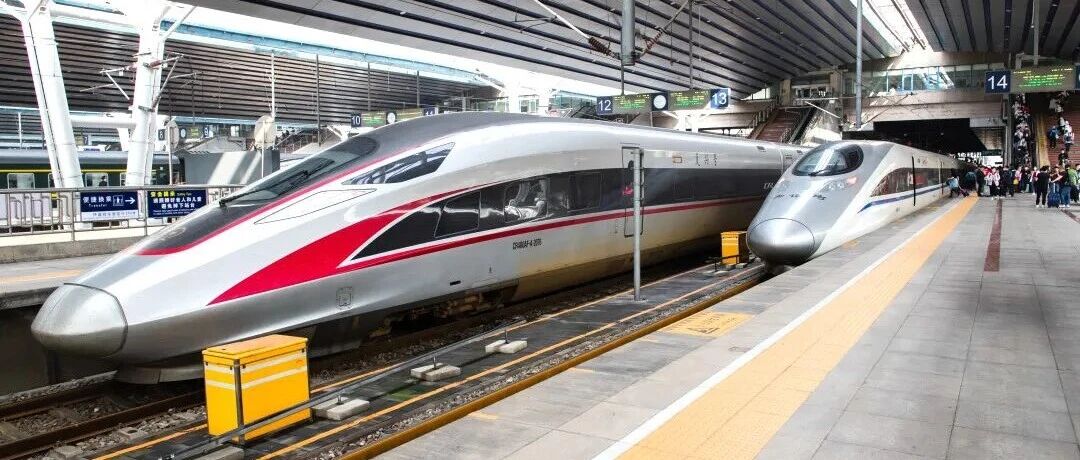
最低4折!铁路部门对1300余趟动车组列车实行淡季票价打折优惠
Xin Hua She· 2025-11-07 07:04
Core Viewpoint - The railway department is optimizing and adjusting ticket prices for over 1,300 high-speed trains on more than 130 routes, offering discounts of up to 60% to adapt to seasonal passenger flow characteristics [1][2]. Group 1: Price Adjustment Strategy - The railway department has implemented a flexible discount pricing mechanism, moving away from fixed ticket prices to a market-oriented pricing system that considers factors such as region, peak and off-peak seasons, and travel times [1]. - Discounts are applied more significantly to trains with longer travel times and lower occupancy rates, while trains with high demand may see smaller discounts or none at all [1][2]. Group 2: Special Discounts for Certain Groups - Special groups such as students, children, disabled veterans, and disabled police officers continue to receive additional discounts, with a minimum fare of 40% [2]. Group 3: Specific Examples of Price Adjustments - For instance, the G111 train from Beijing South to Shanghai Hongqiao offers a 5% discount on Mondays and a 9% discount from Tuesday to Sunday, while the G39 train from Beijing South to Hangzhou East has no discount on Fridays and Sundays but offers a 7% discount on other days [2].
火车票最低4折!1300余趟列车淡季打折
Zhong Guo Xin Wen Wang· 2025-11-07 06:23
Core Points - The railway department has implemented significant discounts on over 1,300 high-speed train services, with ticket prices as low as 40% of the original fare [1][2][3] - Discounts are applied based on various factors such as region, peak and off-peak seasons, and travel times, aiming to create a differentiated pricing system for passengers [2][3] Pricing Strategy - The pricing adjustments are based on an analysis of current passenger flow patterns and market demand, with discounts primarily targeting long-distance trains with low occupancy rates [2] - Specific examples include the Harbin Railway Bureau offering a minimum 40% discount on 22 train services, and the Beijing Railway Bureau applying similar discounts on certain routes [2] Targeted Discounts - Special groups such as students, children, disabled veterans, and other specific demographics will continue to receive additional discounts on top of the already reduced fares [2] - For shorter travel times and high-demand services, smaller discounts or no discounts are applied, such as the G111 train from Beijing South to Shanghai Hongqiao, which has varying discounts throughout the week [3] Future Adjustments - The railway department plans to continuously refine the pricing mechanism based on market demand and passenger flow changes, aiming to enhance service quality and improve the travel experience for passengers [3]
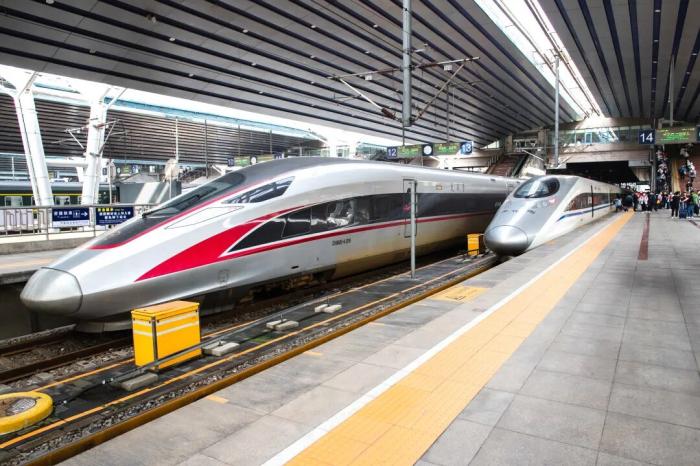
最低4折!1300余趟动车组列车票价优惠力度加大!
Xin Hua Wang· 2025-11-07 05:36
Core Viewpoint - The railway department is implementing flexible discount pricing and a market-oriented ticket pricing mechanism to enhance domestic demand and service consumption by offering significant discounts on over 1,300 high-speed train services across more than 130 routes, with discounts as low as 40% [1][2][7] Pricing Mechanism - The railway sector has shifted from a fixed pricing model to a flexible discount system, allowing for price adjustments based on factors such as region, peak and off-peak seasons, and travel times [1][2] - The maximum ticket price is set according to the published price on the railway 12306 platform, with varying discount rates applied to different train services based on demand and occupancy rates [1][2] Discount Details - Discounts are being offered to special groups, including students, children, and disabled veterans, with some tickets available at a minimum of 40% off [2][3] - Specific examples include: - Harbin Bureau offering a 22 yuan discount on D8517 and a 40 yuan discount on D7947 [2] - Beijing Bureau providing discounts of 41 yuan and 64 yuan on certain routes [3] - Shanghai Bureau implementing a minimum 40% discount on 581 train services, with specific discounts of 45 yuan and 63 yuan on selected routes [5] Regional Adjustments - Various regional railway companies are applying different discount rates: - Shenyang Bureau offers 60% discounts on weekdays and 70% on weekends for certain routes [2] - Zhengzhou Bureau has set a minimum discount of 40% for several routes, with specific discounts detailed [4][5] - Lanzhou Bureau is applying discounts ranging from 40% to 90% on select high-speed train services [6] Future Plans - The railway department plans to continue adjusting ticket prices dynamically based on market demand and passenger flow, aiming to improve service quality and enhance the travel experience for passengers [7]
京沪高铁上半年收入210亿元 创历史同期最好
Zhong Guo Jing Ying Bao· 2025-09-05 15:20
Group 1: Company Performance - In the first half of 2025, the company reported operating revenue of 21.013 billion yuan, a year-on-year increase of 0.72% [1] - The net profit attributable to shareholders was 6.316 billion yuan, a slight decrease of 0.64% compared to the previous year [1] - The company achieved its best historical performance for revenue in the same period, while net profit saw a minor decline [1] Group 2: Cost and Operational Challenges - The company experienced a significant increase in electricity costs and rising fixed costs due to network expansion and maintenance [1] - The implementation of smart upgrades, particularly the application of Beidou technology, has further increased expenditure [1] - Passenger transport volume reached 24.996 million, a 1.2% increase year-on-year, while cross-line train mileage completed was 48.556 million kilometers, up 0.1% [1] Group 3: Market Strategy and Future Plans - The company is enhancing market-oriented pricing mechanisms, with a seven-tier pricing scheme during peak travel periods [2] - Plans for 2025 include optimizing transportation product supply and improving market-based pricing strategies [2] - The company aims to implement smart upgrades and enhance passenger service quality with new offerings such as pet transport services and family lounges [2] Group 4: Industry Context - In the first half of 2025, the national railway passenger volume reached 2.24 billion, a year-on-year increase of 6.7%, marking a historical high [3] - The Beijing-Shanghai High-Speed Railway, which connects major economic regions, spans 1,318 kilometers and has been operational since June 30, 2011 [3] - The company is the investment, construction, and operation entity of the Beijing-Shanghai High-Speed Railway and was listed on the A-share market in January 2020 [3]

8点1氪:微信新增语音自动转文字并发送功能;应届生拒绝offer被HR威胁业内封杀;首款折叠iPhone定价或超一万四千元
36氪· 2025-07-23 00:06
Group 1 - WeChat has quietly launched a new feature for voice-to-text conversion in chat, currently in a gray testing phase for select users [2][4] - The new feature utilizes WeChat's built-in voice recognition technology, achieving high accuracy in converting Mandarin speech to text, effectively replacing manual input [4] - Users can send converted messages automatically by saying "over over" after completing their voice input, eliminating the need to manually click the send button [4] Group 2 - Universal Music Group has secretly submitted a listing application in the U.S. to fulfill an agreement with billionaire Bill Ackman's Pershing Square hedge fund [3] - The company, listed in Amsterdam, announced that it has filed documents with the U.S. Securities and Exchange Commission regarding a stock issuance by certain shareholders, with no proceeds going to the company from this sale [3] - Zhongwei Semiconductor announced plans to issue overseas listed foreign shares (H shares) and apply for a listing on the Hong Kong Stock Exchange to enhance its global strategy and brand image [3] Group 3 - The first foldable iPhone is expected to be priced over $2,000 (approximately 14,345 RMB) and is set to launch in the second half of 2026 [6] - The foldable iPhone will feature a book-style fold design, with the main screen supplied exclusively by Samsung, and aims for a foldable lifespan of over 200,000 cycles [6] - The device will run on iOS 27, which will introduce multitasking windows, dynamic split screens, and quick access cards for the external screen [6] Group 4 - Xiaomi's SU7 has achieved the highest one-year resale value of 88.91% among all models, according to a report on the resale value of Chinese cars [9] - Tesla's Model 3 and Model Y have resale values of 76.04% and 71.28% respectively, as noted by Xiaomi's founder Lei Jun [9] Group 5 - The U.S. has announced its withdrawal from UNESCO again, having previously exited in 2018 and rejoined in 2023 [19] - Samsung's Galaxy Z Fold7 and Flip7 have set pre-sale records in South Korea, indicating strong consumer interest in foldable technology [19] Group 6 - Apple has announced the expansion of its retail operations to Saudi Arabia, launching an online store and app, with plans to open physical stores starting in 2026 [20] - Baidu has launched a mobile web version of its AIGC video generation model, which has seen rapid user adoption and content generation since its release [20] Group 7 - Tencent Cloud has initiated internal testing for CodeBuddy IDE, an AI-integrated development platform that allows users to create applications using natural language without coding [22][23] - The platform integrates top AI models and aims to streamline the software development process for non-technical users [23]



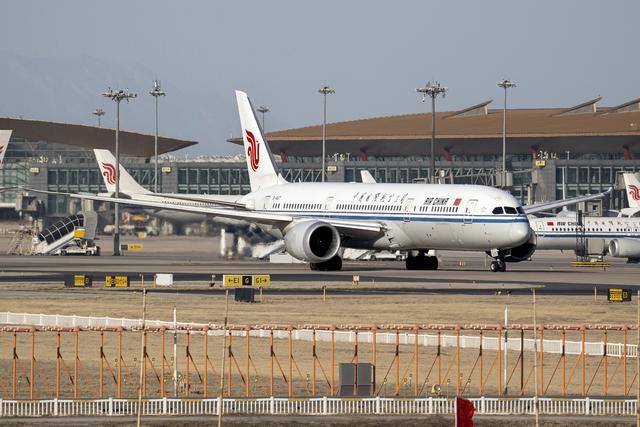
争抢“京沪线” 民航高铁竞合互补
Zhong Guo Jing Ying Bao· 2025-05-16 18:12
Core Insights - The article discusses the collaboration between major Chinese airlines, specifically China Eastern Airlines and Air China, to implement a cross-airline voluntary transfer service for flights between Shanghai Hongqiao and Beijing Capital airports, marking a shift from competition to collaboration in the aviation sector [2][4] Group 1: Airline Collaboration - The cross-airline transfer service is the first of its kind initiated by airlines in China, allowing passengers with eligible tickets to change their flights to the same route operated by either airline on the same day [2][3] - The trial period for this service is set from May 6 to August 5, with plans for further expansion based on passenger feedback [3] - This initiative is seen as a way to enhance service quality and attract time-sensitive travelers back to air travel, providing a replicable model for other major domestic routes [2][4] Group 2: Market Dynamics - The Shanghai-Beijing route is one of the busiest in China, with nearly 80 flights daily operated by nine airlines, where China Eastern and Air China hold significant market shares of 44.04% and 26.45%, respectively [3] - Despite the growth in air travel, the high-speed rail (HSR) has seen a decline in passenger numbers, with a 2.31% drop in 2024, indicating a shift in passenger preferences towards air travel [5][6] - The competition between HSR and airlines is intensifying, with both sectors experiencing growth in passenger numbers, but airlines showing a higher growth rate of 17.9% compared to HSR's 11.9% [6] Group 3: Strategic Implications - The collaboration between airlines reflects a broader trend of cooperation among major state-owned airlines in China, aiming to enhance service offerings while maintaining their core interests [4][10] - The introduction of market-oriented pricing mechanisms in HSR has led to more balanced passenger flows, indicating a strategic response to competition from airlines [7][9] - The shift towards collaborative models in the aviation industry is seen as a necessary adaptation to the competitive pressures from HSR, with airlines looking to reclaim market share [10]