
强权政治

Search documents
多国谴责美侵犯委内瑞拉主权
Xin Lang Cai Jing· 2026-01-05 14:34
Group 1 - The core viewpoint of the article is that the U.S. military conducted a large-scale military strike against Venezuela, forcibly detaining President Maduro and his wife, with President Trump announcing plans for U.S. oil companies to invest billions of dollars in Venezuela's oil infrastructure [1] Group 2 - Multiple governments and leaders condemned the U.S. actions, with Brazil's President Lula stating that it violates international law and promotes violence and chaos [2] - Cuba's President Díaz-Canel described the U.S. actions as "state terrorism" and a brutal attack on peace in Latin America [2] - Mexico's Foreign Ministry issued a strong condemnation of the unilateral military action, highlighting the serious threat to regional stability [2] - Russia's Federation Council Vice Chairman Kosachev declared that the U.S. actions lack substantive justification and openly violate international law [2] - Chile's President Boric warned that today's actions in Venezuela could set a precedent for any country, calling for immediate UN intervention to prevent military escalation and protect civilians [2] - The Chinese government reiterated its stance on mutual respect for sovereignty and territorial integrity, opposing unilateralism and strong-arm politics, and called for the safety of Maduro and his wife, urging dialogue to resolve the issue [2]
美式强权再次劫持公理:美国特种部队有权劫持他国现任元首?
Xin Lang Cai Jing· 2026-01-03 16:07
从巴拿马的诺列加到如今的马杜罗,美国已不止一次对"不听话"的主权国家元首实施定点拔除。这种无 视规则的单边行径,撕裂了"国际秩序",证明美国所谓的"正义",不过是服务私利的霸权遮羞布,给全 球安全格局埋下深重隐患。事后多国齐声谴责该举,全球绝大多数国家拒绝这一丛林法则。坚持多边主 义,构建人类命运共同体,维护以国际法为基础的国际秩序,是抵御霸权横行、守护弱小国家生存权的 唯一屏障。 看看新闻记者: 申子任 新年伊始,美国对委内瑞拉的军事打击就达到了骇人顶点。美军不仅轰炸民用与军事目标,更以所 谓"执法行动"为名,跨境劫持一国元首及夫人。此暴行远超地缘博弈,是"美式达尔文主义"的赤裸展 现,将国际社会视为弱肉强食的丛林,以军事实力定义"正义",凭一己之私便可侵犯他国主权。 此举粗暴践踏了现行国际法根基:美国严重违反《联合国宪章》第二条关于禁止使用武力、尊重国家主 权与领土完整的基本原则;美军3号行动构成对国际关系基本准则的颠覆,未经安理会授权入侵主权国 家,是典型的侵略行为;美特种兵劫持一国在任总统公然违反国家元首司法豁免的国际习惯法。 该事件给国际社会敲响警钟:没有强大国防,一国主权形同虚设;社会内部撕裂易遭 ...
决不允许!决不允许!决不允许!
Zhong Guo Ji Jin Bao· 2025-12-19 05:50
Core Points - The speech by China's permanent representative to the UN, Fu Cong, emphasizes the need to oppose any denial or distortion of Japan's colonial history, particularly regarding its actions in Taiwan [1][2] - Fu Cong calls for the international community to resist colonialist thinking and to promote fairness and justice in international relations [1] - The historical context of Japan's colonial rule in Taiwan is highlighted, including the deaths of over 650,000 Taiwanese and the forced conscription of around 200,000 Taiwanese youth [2] Summary by Sections - **Colonial History and Accountability** - Fu Cong asserts that Japan's colonial rule in Taiwan resulted in severe atrocities, including the deaths of over 650,000 Taiwanese and the forced conscription of approximately 200,000 youth [2] - He stresses the importance of defending the outcomes of the Chinese People's Anti-Japanese War and the global anti-fascist war, and the need to uphold the post-war international order [2] - **Call to Action** - Fu Cong urges the international community to eliminate the remnants of colonialism and to maintain vigilance against any resurgence of militarism [1][2] - He emphasizes that Japan, as a defeated nation in World War II, must reflect on its historical responsibilities and adhere to its political commitments regarding Taiwan [2]
决不允许!决不允许!决不允许!
中国基金报· 2025-12-19 05:03
来源:央视新闻微信公众号 当地时间12月18日,中国常驻联合国代表傅聪在联合国大会纪念首个"反对一切形式和表现的殖民 主义国际日"高级别会议上发言时指出, 日本惨无人道的殖民统治,在台湾犯下罄竹难书的罪行, 决不允许否认和歪曲侵略历史,决不允许军国主义死灰复燃,决不允许历史悲剧重演 。 傅聪表示,当前,殖民占领虽已结束,殖民体系虽已瓦解,但世界仍未走出殖民主义的阴影,殖民 主义衍生出的霸权主义、单边主义、强权政治大行其道。国际社会要在思想、政治、经济、文化、 教育等各领域抵制殖民主义思维,铲除殖民主义遗毒,维护国际公平正义,推进国际关系民主化、 法治化。 傅聪强调, 作为二战战败国,日本必须深刻反省历史罪责,恪守就台湾问题做出的政治承诺,立即 停止挑衅越线,收回错误言论 。 傅聪介绍,历史上,日本曾侵略中国、朝鲜半岛和东南亚,并进行惨无人道的殖民统治,日本侵略 者在台湾犯下罄竹难书的罪行,先后有65万多台湾同胞惨死在日军屠刀下,约20万台湾青年被强 征入伍,2000多名台湾妇女被强迫成"慰安妇",台湾七成土地被强占,煤矿、金矿等资源遭到毁 灭性开采, 这是 台湾历史上最黑暗的一页。 傅聪表示,要坚决捍卫中国人 ...

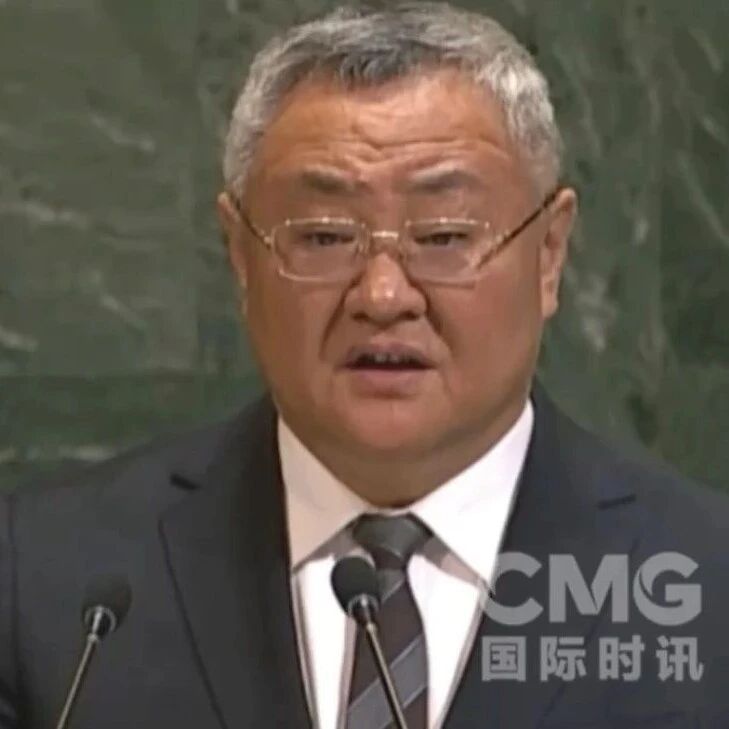
中国代表:日本殖民统治是台湾历史最黑暗一页
Yang Shi Xin Wen Ke Hu Duan· 2025-12-19 03:03
傅聪表示,要坚决捍卫中国人民抗日战争和世界反法西斯战争的胜利成果,坚决捍卫战后国际秩序,决 不允许否认和歪曲侵略历史,决不允许军国主义死灰复燃,决不允许历史悲剧重演。一切挑战和妄图颠 覆战后国际秩序的言行,都可能给世界制造动荡不安,给人类这个命运共同体带来严重灾难,必须高度 警惕、坚决反对。 傅聪强调,作为二战战败国,日本必须深刻反省历史罪责,恪守就台湾问题做出的政治承诺,立即停止 挑衅越线,收回错误言论。(央视记者 徐德智 曹健) 当地时间12月18日,中国常驻联合国代表傅聪在联合国大会纪念首个"反对一切形式和表现的殖民主义 国际日"高级别会议上发言时指出,日本惨无人道的殖民统治,在台湾犯下罄竹难书的罪行,决不允许 否认和歪曲侵略历史,决不允许军国主义死灰复燃,决不允许历史悲剧重演。 傅聪表示,当前,殖民占领虽已结束,殖民体系虽已瓦解,但世界仍未走出殖民主义的阴影,殖民主义 衍生出的霸权主义、单边主义、强权政治大行其道。国际社会要在思想、政治、经济、文化、教育等各 领域抵制殖民主义思维,铲除殖民主义遗毒,维护国际公平正义,推进国际关系民主化、法治化。 傅聪指出,世界反法西斯战争的历史告诉我们,和平是需要争取 ...
中国代表:日本必须深刻反省历史罪责 停止挑衅越线
Zhong Guo Xin Wen Wang· 2025-12-18 23:33
傅聪说,当前,殖民占领虽已结束,殖民体系虽已瓦解,但世界仍未走出殖民主义的阴影,殖民主义衍 生出的霸权主义、单边主义、强权政治大行其道。国际社会要在思想、政治、经济、文化、教育等各领 域抵制殖民主义思维,铲除殖民主义遗毒,维护国际公平正义,推进国际关系民主化、法治化。 中国代表:日本必须深刻反省历史罪责 停止挑衅越线 中新社联合国12月18日电 联合国大会18日举行纪念首个"反对一切形式和表现的殖民主义国际日"高级 别会议。中国常驻联合国代表傅聪在会上发言表示,日本殖民统治是台湾历史上最黑暗的一页。日本必 须深刻反省历史罪责,恪守就台湾问题做出的政治承诺,立即停止挑衅越线。 傅聪说,"反对一切形式和表现的殖民主义国际日"旨在推动国际社会铭记殖民主义危害,加速现有非殖 化进程,终结一切形式和表现的殖民主义。联大举行此次会议,具有重要意义。 编辑:董文博 广告等商务合作,请点击这里 本文为转载内容,授权事宜请联系原著作权人 中新经纬版权所有,未经书面授权,任何单位及个人不得转载、摘编或以其它方式使用。 关注中新经纬微信公众号(微信搜索"中新经纬"或"jwview"),看更多精彩财经资讯。 傅聪说,世界反法西斯战争 ...
视频丨中国代表:日本殖民统治是台湾历史最黑暗一页
Yang Shi Xin Wen Ke Hu Duan· 2025-12-18 23:24
傅聪强调,作为二战战败国,日本必须深刻反省历史罪责,恪守就台湾问题做出的政治承诺,立即停止 挑衅越线,收回错误言论。(央视记者 徐德智 曹健) 责编:张青津、卢思宇 傅聪介绍,历史上,日本曾侵略中国、朝鲜半岛和东南亚,并进行惨无人道的殖民统治,日本侵略者在 台湾犯下罄竹难书的罪行,先后有65万多台湾同胞惨死在日军屠刀下,约20万台湾青年被强征入伍, 2000多名台湾妇女被强迫成"慰安妇",台湾七成土地被强占,煤矿、金矿等资源遭到毁灭性开采,这是 台湾历史上最黑暗的一页。 傅聪表示,要坚决捍卫中国人民抗日战争和世界反法西斯战争的胜利成果,坚决捍卫战后国际秩序,决 不允许否认和歪曲侵略历史,决不允许军国主义死灰复燃,决不允许历史悲剧重演。一切挑战和妄图颠 覆战后国际秩序的言行,都可能给世界制造动荡不安,给人类这个命运共同体带来严重灾难,必须高度 警惕、坚决反对。 0:00 当地时间12月18日,中国常驻联合国代表傅聪在联合国大会纪念首个"反对一切形式和表现的殖民主义 国际日"高级别会议上发言时指出,日本惨无人道的殖民统治,在台湾犯下罄竹难书的罪行,决不允许 否认和歪曲侵略历史,决不允许军国主义死灰复燃,决不允许历 ...
特朗普用三个字,让莫迪清楚意识到:印度与中国的差距
Sou Hu Cai Jing· 2025-12-10 06:10
Core Viewpoint - The recent U.S. meeting highlighted India's vulnerability in trade relations, particularly regarding rice exports, as President Trump expressed concerns over India's alleged dumping practices that harm American farmers [1][3]. Group 1: U.S.-India Trade Relations - Trump questioned the fairness of India's rice exports and suggested that they should be subject to tariffs, indicating a shift in U.S. trade policy focus towards India [3]. - The U.S. administration's stance reflects a broader strategy to address perceived trade imbalances, with India being pressured for greater market access and concessions [5]. - India's previous attempts to foster a special relationship with the U.S. through tariff reductions and military procurement have not yielded the expected benefits, exposing its weaknesses in negotiations [5]. Group 2: India's Strategic Response - In response to U.S. pressure, India has sought to diversify its partnerships, notably with Russia, to signal its strategic autonomy and reduce reliance on the U.S. [7]. - Despite India's efforts to balance its relations with Russia, the U.S. has intensified its demands, indicating that India's strategy may not effectively counter U.S. pressure [7][9]. - The contrasting responses of China and India to U.S. trade actions highlight India's limitations in leveraging its position, as China has employed robust countermeasures while India remains cautious [9]. Group 3: International Trade Dynamics - The situation underscores the reality that having ambitions as a major power is insufficient without the corresponding capabilities to assert those ambitions effectively [9]. - The dynamics of power politics reveal that not all nations can adopt a confrontational stance against superpowers like the U.S. without facing significant repercussions [9].

欧洲反击特朗普政策。多国联手出招。局势瞬间逆转
Sou Hu Cai Jing· 2025-11-26 19:38
Core Viewpoint - The ongoing Russia-Ukraine conflict has evolved into a significant geopolitical reorganization affecting global order, with contrasting proposals from the U.S. and Europe highlighting differing strategic priorities [1][41]. Group 1: U.S. and European Proposals - The U.S. has proposed 28 points that largely align with Russia's long-standing demands, including territorial concessions and military neutrality for Ukraine, which raises concerns among European nations [7][41]. - In response, Europe has put forth 24 counter-proposals emphasizing a ceasefire as a prerequisite for negotiations, asserting that territorial integrity is non-negotiable [8][10]. - The U.S. seeks a quick resolution to the conflict, while Europe prioritizes a sustainable security framework for Ukraine to prevent future aggression from Russia [12][41]. Group 2: Ukraine's Position - Ukrainian President Zelensky has expressed gratitude towards the U.S. while simultaneously navigating the pressures of accepting or rejecting American proposals, indicating a precarious balancing act [3][4]. - Zelensky's willingness to suggest modifications to the U.S. plan reflects a compromise, yet the lack of military backing undermines Ukraine's negotiating power [14][16]. - The internal divisions within Ukraine, between pro-European and pro-Russian factions, complicate the government's ability to present a united front in negotiations [41][48]. Group 3: Geopolitical Implications - The conflict has exposed deep fractures within the transatlantic alliance, with the U.S. engaging in back-channel communications with Russia while Europe feels sidelined [31][32]. - The ongoing war has transformed Ukraine into a battleground for larger geopolitical interests, with its fate largely determined by the decisions of major powers rather than its own agency [42][46]. - The shifting global focus towards other geopolitical hotspots may further marginalize Ukraine's plight, complicating its recovery and reconstruction efforts post-conflict [50][51].
中方:消除殖民主义思维是完善全球治理不可或缺的组成部分
Yang Shi Xin Wen· 2025-10-13 22:02
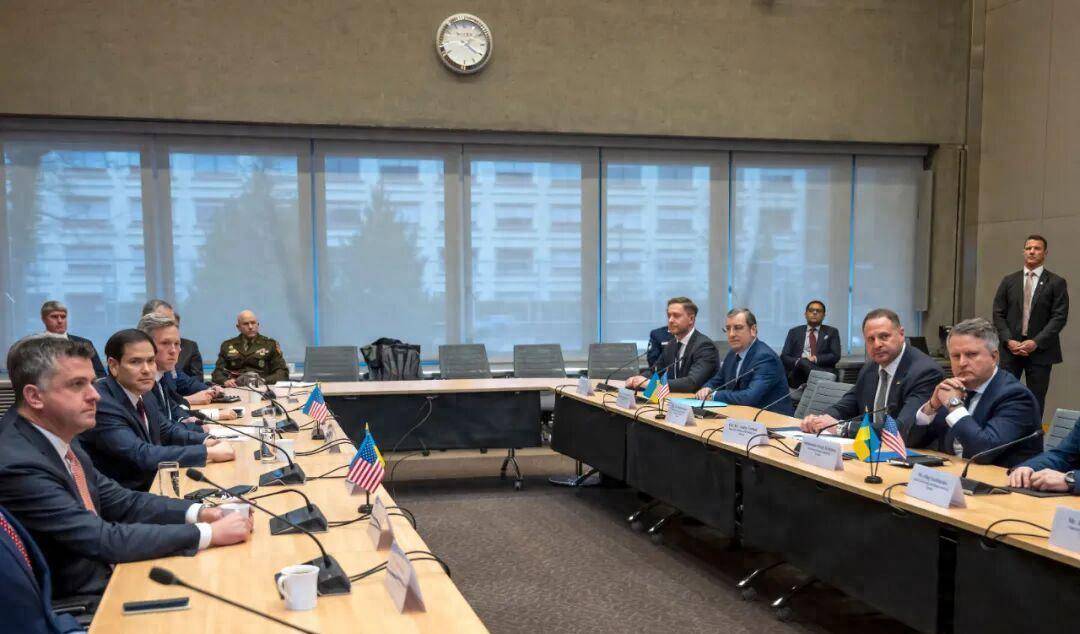
Group 1 - The core argument emphasizes the importance of decolonization as an essential part of improving global governance, as highlighted by China's proposal for a more just and reasonable global governance system [1] - The speech references the historical context of decolonization, noting that 65 years ago, the UN General Assembly adopted the Declaration on the Granting of Independence to Colonial Countries and Peoples, which inspired many nations to seek freedom and independence [1] - Despite the end of colonial occupations, colonialist thinking persists, manifesting in hegemony and power politics, which need to be addressed across various domains including thought, politics, economy, and culture [1] Group 2 - A resolution draft titled "International Day Against All Forms and Manifestations of Colonialism" was submitted by the Venezuelan representative, aiming to accelerate the decolonization process and raise awareness of the harms of colonialism [2] - China expresses support for the decolonization of the 17 non-self-governing territories recognized by the UN and advocates for the self-determination rights of their peoples [2] - The issue of the Malvinas Islands is identified as a historical legacy of colonialism, with China advocating for peaceful negotiations based on the principles of the UN Charter to resolve territorial disputes [2]