殖民主义

Search documents
肯尼亚时薪1.16美元的数据标注工,正在替硅谷精英喂养AI
Sou Hu Cai Jing· 2026-02-17 03:01
Group 1 - Nvidia's stock price reached a historic high, making it the first company to surpass a market value of $5 trillion [2] - The AI hardware and software market is projected to reach a size of $990 billion by 2027 according to the "2024 Global High-Tech Industry Report" [2] - The development of AI is characterized by a hidden and opaque nature, with over a million people likely involved in the industry [2] Group 2 - The book "Feeding AI: A Documentary of Global Low-Level Workers in the AI Industry" reveals the realities of data annotators and other workers in the AI supply chain [3] - The research involved over 200 interviews across various countries, highlighting the often-overlooked digital labor force [3] Group 3 - Data annotators work in poor conditions with low pay, earning approximately $1.16 per hour while working 45 hours a week [5][8] - About 80% of AI training time is spent on data annotation, which is often done in locations like Gulu, Uganda [5] Group 4 - Projects require hundreds of annotators, who are monitored for efficiency and must meet performance targets that are often adjusted to increase company profits [7][8] - Annotators face pressure to work quickly and accurately, with strict monitoring of their productivity [9] Group 5 - The AI industry is compared to a "machine of exploitation," where human labor is treated as a raw material for AI systems [12][19] - The production methods of AI reflect historical patterns of labor exploitation, similar to those seen in colonial times [13][14] Group 6 - The AI sector is deeply integrated into the capitalist system, reinforcing existing inequalities and biases [14][15] - Workers in the "Global South" often face the most precarious and low-paying jobs in the AI supply chain [13][16] Group 7 - The book emphasizes the need for a collective effort to create a more humane and equitable AI production network [25] - Workers across various roles are beginning to organize and advocate for better conditions and pay, signaling a potential shift in the industry [25]


白宫强行“示爱”
Xin Lang Cai Jing· 2026-02-15 05:20
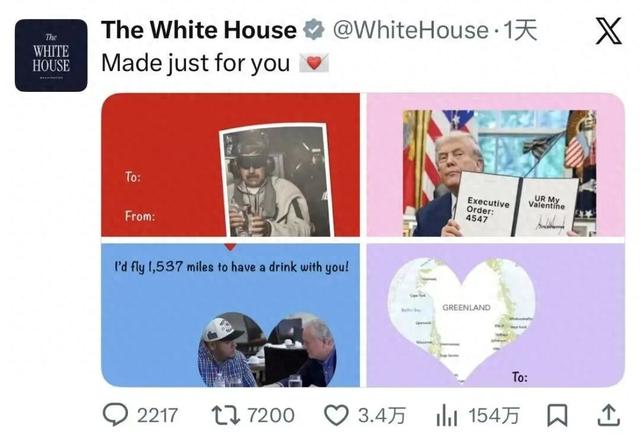
Group 1 - The White House released a set of Valentine's Day cards on social media platform X, which included a card featuring Greenland's map surrounded by hearts, sparking controversy among netizens [1][3] - The card's message suggested it was time to define the "ambiguous relationship" between the U.S. and Greenland, a territory that is an autonomous region of Denmark, highlighting past U.S. interest in acquiring it [3] - Greenland's residents oppose the idea of the U.S. claiming the island, stating that "it is no longer the colonial era," and Danish officials reported that negotiations with the U.S. regarding Greenland did not meet expectations [5] Group 2 - The release of the cards led to mixed reactions online, with some users criticizing the White House for being inappropriate, while others humorously mocked the situation, including a meme altering the word "Terrific" to "Tariff-ic" in reference to Trump's trade policies [5] - Additional humorous responses included images of Trump giving a thumbs up, with captions poking fun at Biden's use of an automatic pen for signing documents, suggesting "our love will be automatically signed" [5]
以色列加强控制约旦河西岸 哈马斯:以寻求消除巴勒斯坦
Yang Shi Xin Wen Ke Hu Duan· 2026-02-08 23:29
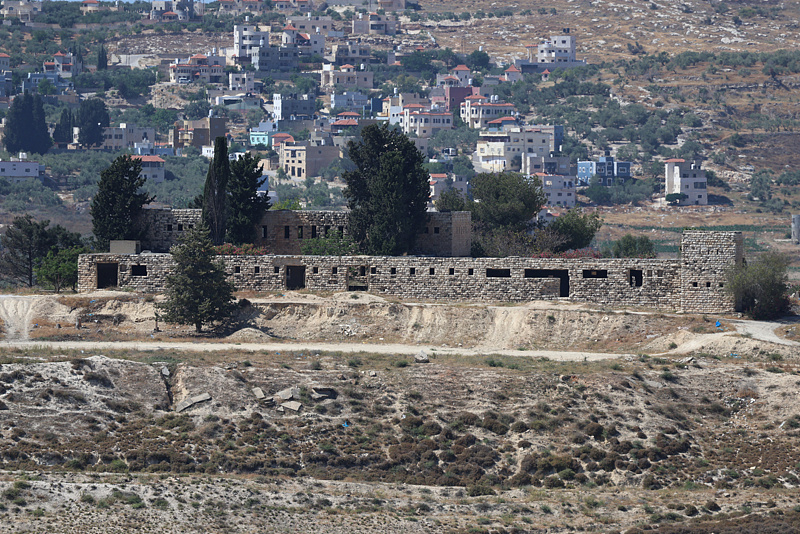
Group 1 - Israel's cabinet approved measures to strengthen control over the West Bank, including the cancellation of laws prohibiting Jewish land purchases and transferring building permit authority to the Israeli Civil Administration [2][5] - The new policies significantly alter Israel's approach to the West Bank, paving the way for further expansion of Jewish settlements [2][5] - The Palestinian Foreign Ministry condemned these decisions as war crimes and called for international condemnation and investigation [5][18] Group 2 - The United Nations reported a surge in displacement among Palestinians in the West Bank, with nearly 700 individuals displaced in January due to violence from Israeli settlers, marking the highest record since the escalation of conflict in October 2023 [17] - The violence from settlers has become a primary driver of forced migration in the region, with 130 Palestinian families permanently leaving their homes due to ongoing harassment [17] - Jordan's Foreign Ministry strongly condemned Israel's actions, stating they violate international law and undermine the two-state solution [18]
《阿凡达:火与烬》:一场影像介质与观众视线之间的战争
Xin Lang Cai Jing· 2026-01-25 05:55
Group 1 - The core theme of the article revolves around the evolving impact of technological advancements, particularly short videos and AI, on the film industry, highlighting a decline in the traditional cinematic experience and the visual spectacle that films like "Avatar" once provided [2][3] - The release of "Avatar: Fire and Ash" in December 2025 is positioned as a significant event, marking a culmination of James Cameron's 16-year endeavor, yet it faces challenges in audience engagement and box office performance due to changing media consumption habits [2][3] - Despite initial underperformance, "Avatar: Fire and Ash" managed to achieve a remarkable box office success, surpassing $1 billion globally and achieving over 1 billion yuan in China shortly after its release, indicating a potential resurgence in audience interest [3][4] Group 2 - The narrative of the "Avatar" series reflects themes of colonialism and the human relationship with nature, drawing parallels between the characters' experiences and historical narratives of exploration and conquest [4][12] - The philosophical underpinnings of the series, particularly Cartesian dualism, are explored through the characters' interactions with technology and their environments, suggesting a complex relationship between body and mind in the context of modernity [5][7] - The character of Jake Sully embodies the duality of human experience, navigating between his human identity and his avatar form, which serves as a metaphor for broader themes of identity and belonging in a technologically mediated world [9][10] Group 3 - The Gaia hypothesis, as articulated by James Lovelock, is integrated into the narrative of "Avatar," suggesting that Pandora functions as a living entity capable of self-regulation, which parallels the film's exploration of interconnectedness among all life forms [16][18] - The evolution of the character Eywa reflects the shifting understanding of nature and technology, as she embodies the collective consciousness of Pandora, challenging traditional notions of dominance and control over nature [19][20] - The film series raises questions about the future of human interaction with technology and nature, suggesting that a new form of existence may emerge where humans and technology coexist in a more integrated manner [32][33]

计划曝光!美“黑帮式帝国主义”登场
Xin Lang Cai Jing· 2026-01-08 14:51
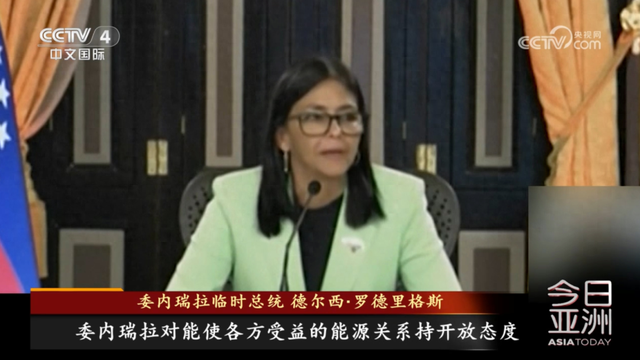
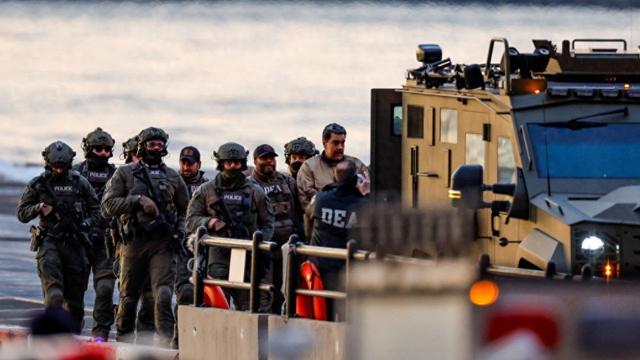
Core Viewpoint - The U.S. plans to manage and profit from the reconstruction of Venezuela, particularly focusing on controlling its oil resources through a three-phase plan [1][19][15]. Group 1: U.S. Control Over Venezuelan Oil - The U.S. government aims to control Venezuelan oil sales indefinitely, with revenues deposited into U.S. government-controlled accounts [15][13]. - A three-phase plan has been outlined, where Venezuela is expected to transfer 30 to 50 million barrels of sanctioned high-quality oil to the U.S. at market prices, potentially valued between $1.5 billion and $2.5 billion [19][20]. - The U.S. intends to create conditions for major American oil companies to enter Venezuela and is considering compensation mechanisms for U.S. oil companies that have invested in Venezuela [20][19]. Group 2: Venezuelan Government's Position - The interim president of Venezuela, Delcy Rodríguez, expressed an openness to energy relationships that benefit all parties and emphasized the need for economic cooperation based on clear commercial contracts [3][5]. - Rodríguez stated that Venezuela aims to maintain relations with countries across the Americas, Asia, Africa, the Middle East, and Europe, asserting that the country will not yield to any form of aggression [5][3]. Group 3: Implications of U.S. Actions - If the U.S. blockade continues, Venezuela's oil production is projected to plummet from approximately 1.2 million barrels per day at the end of 2025 to less than 300,000 barrels per day, severely impacting the government's ability to import goods and maintain public services [9][11]. - The U.S. has reportedly submitted a list of demands to the Venezuelan government, including cutting economic ties with China, Russia, Iran, and Cuba, and prioritizing oil sales to the U.S. [26][28]. Group 4: Political Dynamics - Following the forced control of Maduro, key members of his administration have remained in power, which U.S. intelligence suggests may help maintain short-term stability beneficial for U.S. control over oil resources [28][32]. - The approach of controlling leadership while allowing core members to remain in power marks a departure from previous U.S. strategies of outright regime change [32][24].
中国学者谈“马杜罗事件”:美国战略调整的涟漪将对2026年中国周边形势带来风险
Xin Lang Cai Jing· 2026-01-07 11:01
Core Viewpoint - The recent actions of the United States regarding Venezuela, including the forceful control of President Maduro, challenge the fundamental principles of the United Nations Charter and expose U.S. hegemonic tendencies, potentially destabilizing the current international order [2][3][5]. Group 1: U.S. Actions and International Reactions - The U.S. military's forceful control of Venezuelan President Maduro has drawn significant international attention, with experts highlighting that this reflects U.S. hegemonic behavior and could inspire similar actions from other nations, further undermining global peace and stability [3][5]. - Chinese officials have condemned the U.S. actions as a violation of Venezuela's sovereignty and a serious threat to international relations, calling for the immediate release of Maduro and his wife [3][4]. - The incident is seen as a practical application of the Monroe Doctrine under Trump's administration, with experts noting that while the U.S. demonstrates military strength, it also depletes its resources and raises questions about future developments [3][4]. Group 2: Implications for International Order - The U.S. actions in Venezuela signify a severe challenge to the liberal international order established post-World War II, with experts warning that the world may revert to a state of power politics reminiscent of the 19th century [4][5]. - The recent U.S. National Security Strategy report indicates a shift in U.S. foreign policy that could lead to increased instability in international relations, as unilateral actions may undermine multilateral governance [5][6]. - Analysts suggest that the U.S. strategy may embolden traditional allies in the Asia-Pacific region, leading to increased military and political activities that could provoke tensions with China [6].
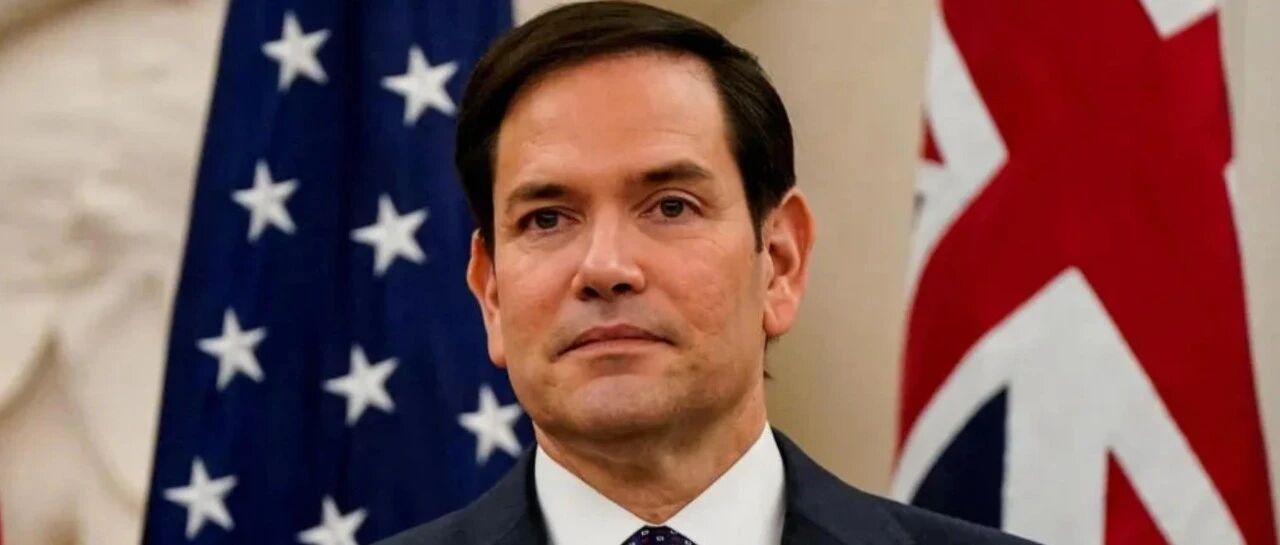
卢比奥的“总督梦”能成真么?
首席商业评论· 2026-01-06 12:53
Core Viewpoint - The article discusses the implications of the U.S. military operation in Venezuela, focusing on the potential appointment of Marco Rubio as the "governor" of Venezuela and the historical context of such a title in U.S. foreign policy [4][7][19]. Group 1: U.S. Military Action and Political Implications - The U.S. military operation successfully captured Venezuelan President Maduro, leading to discussions about U.S. "management" of Venezuela, with Rubio as a potential key figure [4][9]. - Rubio's long-standing commitment to regime change in Venezuela is highlighted, emphasizing his personal motivations tied to his Cuban heritage and political career [7][9]. - The U.S. faces a dilemma in balancing its desire for control over Venezuela while avoiding the negative connotations of colonialism and adhering to international law [11][18]. Group 2: Historical Context of "Governor" in U.S. Policy - The term "governor" has historical roots in U.S. colonial practices, where territories were managed by appointed governors, contrasting with the current situation in Venezuela, which is a recognized sovereign nation [13][16]. - Historical examples, such as Puerto Rico and American Samoa, illustrate the evolution from direct governance to self-rule, which is not applicable to Venezuela's situation [14][16]. - The article outlines significant differences between U.S. territories and Venezuela, including legal foundations, governance evolution, international reactions, and potential outcomes of intervention [16][18]. Group 3: Challenges to Rubio's Potential Appointment - The article identifies three major obstacles to Rubio's appointment as "governor": international law opposition, domestic skepticism within the U.S. government, and the complex internal situation in Venezuela [22][23]. - International condemnation of U.S. actions could lead to significant diplomatic isolation for the U.S. if it attempts to impose a "governor" on Venezuela [22]. - The internal resistance from Venezuelan military and militia groups complicates any potential governance structure that Rubio might attempt to establish [23]. Group 4: Economic Motivations Behind U.S. Intervention - The core motivation for U.S. intervention in Venezuela revolves around its vast oil reserves, with the U.S. aiming to control Venezuelan oil assets amidst the country's economic decline [26][29]. - Rubio's role in managing Venezuela's oil resources positions him as a key player in influencing the political landscape, allowing the U.S. to exert control without direct governance [29]. - The article suggests that this approach represents a new form of "informal empire," where economic influence replaces traditional administrative control [29][31].
不装了!美国将派“总督”掌管委内瑞拉?丨灵感中国Inspiration
Xin Lang Cai Jing· 2026-01-05 15:37
Group 1 - The article discusses the potential appointment of U.S. Secretary of State Marco Rubio as the "governor" of Venezuela, indicating a significant shift in U.S. foreign policy towards direct influence over the country [1] - It highlights President Trump's declaration to "manage" Venezuela and control its rich oil resources, with Rubio being a key strategist in this initiative [1] - The article raises concerns about the implications of such actions, suggesting they may represent a form of neo-colonialism, especially as many Americans struggle economically [1] Group 2 - The narrative suggests that the U.S. government's actions are framed under the guise of anti-drug efforts, which are perceived as tailored to serve U.S. interests in the region [1] - The article questions who might be next after Maduro, indicating a broader strategy of U.S. intervention in Latin America [1]
委内瑞拉事件说明,美国不装了
Zhong Guo Xin Wen Wang· 2026-01-04 09:47
Group 1 - The article discusses the recent abduction of a democratically elected president by another country, highlighting it as a tragic event in the 21st century and a reflection of global power dynamics [1] - It emphasizes that the United States has a long history of intervening in Latin America, having orchestrated regime changes under various pretexts, which is not a new phenomenon [2] - The article points out that the root causes of such tragedies are deeply embedded in imperialism, colonialism, and hegemony, which undermine the principle of sovereign equality among nations [2] Group 2 - The U.S. National Security Strategy Report indicates a clear stance on Latin America, suggesting that the U.S. aims to eliminate anti-American regimes and leaders, sending a message of intimidation to other nations [3] - The article warns that the U.S. is reasserting its dominance in the Western Hemisphere, with a new version of the Monroe Doctrine emerging under Trump's administration, defining order, justice, and security in the region [3] - It highlights the strategic importance of Venezuela's oil and key minerals, indicating that the U.S. seeks to control these resources to prevent Latin America from developing independently [3][4]
委内瑞拉事件说明,美国不装了|国际识局
Xin Lang Cai Jing· 2026-01-04 09:40
Group 1 - The core issue highlighted is the ongoing dominance of imperialism, colonialism, and hegemony, particularly by the United States in Latin America, which has led to political instability and the undermining of national sovereignty [1][2] - The article discusses the historical context of U.S. interventions in Latin America, noting that the U.S. has orchestrated 41 regime changes in the region since the late 19th century, often under the guise of anti-terrorism and anti-drug efforts [1] - The recent actions against Venezuela's leadership are seen as a warning to other Latin American countries, signaling a return to a Monroe Doctrine-like approach under President Trump's administration, where the U.S. asserts its influence and control over the region [2][4] Group 2 - The U.S. aims to eliminate anti-American regimes in Latin America, using methods that serve to humiliate rather than simply remove leaders, thereby instilling fear among other nations [4] - The article emphasizes the strategic importance of Venezuela's oil and mineral resources, suggesting that U.S. control over these assets is crucial for its geopolitical strategy in the region [4] - The narrative indicates a broader trend of U.S. digital colonialism and imperialism, which is being reinforced by advancements in technology and digital networks, further entrenching U.S. dominance in the Western Hemisphere [4]