教育创新

Search documents
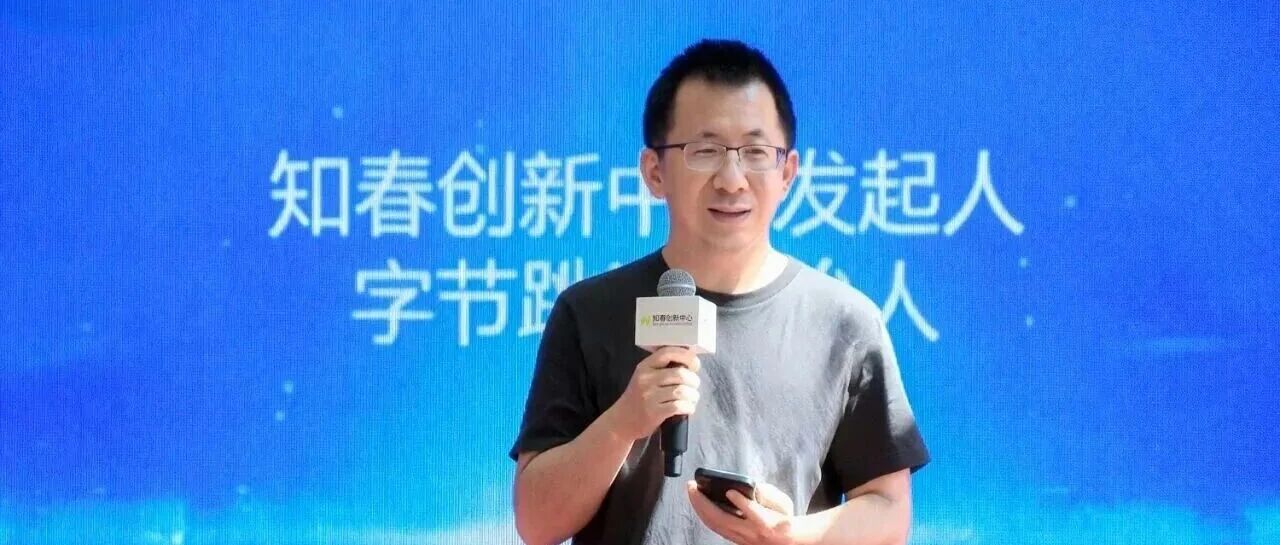
张一鸣罕见露面(图)
YOUNG财经 漾财经· 2025-10-10 06:34
Core Viewpoint - The establishment of the Zhichun Innovation Center aims to cultivate innovative talent through a unique educational approach that integrates various scientific disciplines and emphasizes practical exploration [2][3][5]. Group 1: Establishment and Purpose - The Zhichun Innovation Center was officially opened on October 9, 2025, in Shanghai, initiated by Zhang Yiming and Professor Yu Yong, with the goal of recruiting young individuals interested in computer science and artificial intelligence [2]. - The center plans to connect knowledge across mathematics, astronomy, physics, biology, and chemistry, fostering a new generation of innovative talent in an open and autonomous environment [2][5]. Group 2: Educational Philosophy - The center's philosophy is based on "curiosity, exploration, breaking boundaries, and creation," aiming to define a new talent cultivation model that encourages innovation and adaptability in an unpredictable future [3][4]. - Zhang Yiming highlighted the importance of independent thinking and practical experience, aiming to nurture talent that is not only skilled but also resilient and passionate about innovation [4]. Group 3: Background and Inspiration - Zhang Yiming's interest in talent recruitment and development was sparked by observing the success of algorithm engineers from Shanghai Jiao Tong University's ACM class, which has a history of excellence in programming competitions [5][7]. - The idea for the Zhichun Innovation Center was influenced by successful educational models like Olin College, which emphasizes hands-on learning and project-based education [7][8]. Group 4: Future Plans - The center will conduct annual recruitment for approximately 30 full-time pre-researchers, aiming to provide a diverse talent development pathway that fosters top-tier individuals capable of "from 0 to 1" innovation [8].

港教大54名学者入选2025年“全球顶尖2%科学家”
Zhong Guo Xin Wen Wang· 2025-09-26 15:09
Group 1 - The Hong Kong Education University (HKEDU) announced that 54 scholars have been included in Stanford University's 2025 "Top 2% Global Scientists" list, an increase of 5 from the previous year, indicating the university's growing research strength and recognition in the international academic community [1][3] - The selected scholars cover 18 different professional fields, with 28 from the education sector, highlighting HKEDU's leading position in education [3] - Other research areas of the selected scholars include linguistics, environmental science, music, artificial intelligence, image processing, and forestry, reflecting the university's robust capabilities and innovative potential across diverse research fields [3] Group 2 - HKEDU emphasizes the importance of industry-academia collaboration and actively transforms research outcomes to benefit society [3] - The university values diverse academic achievements, including publishing journal articles, authoring books, promoting knowledge transfer, participating in policy formulation, enhancing teaching and learning research, and encouraging educational innovation [3]
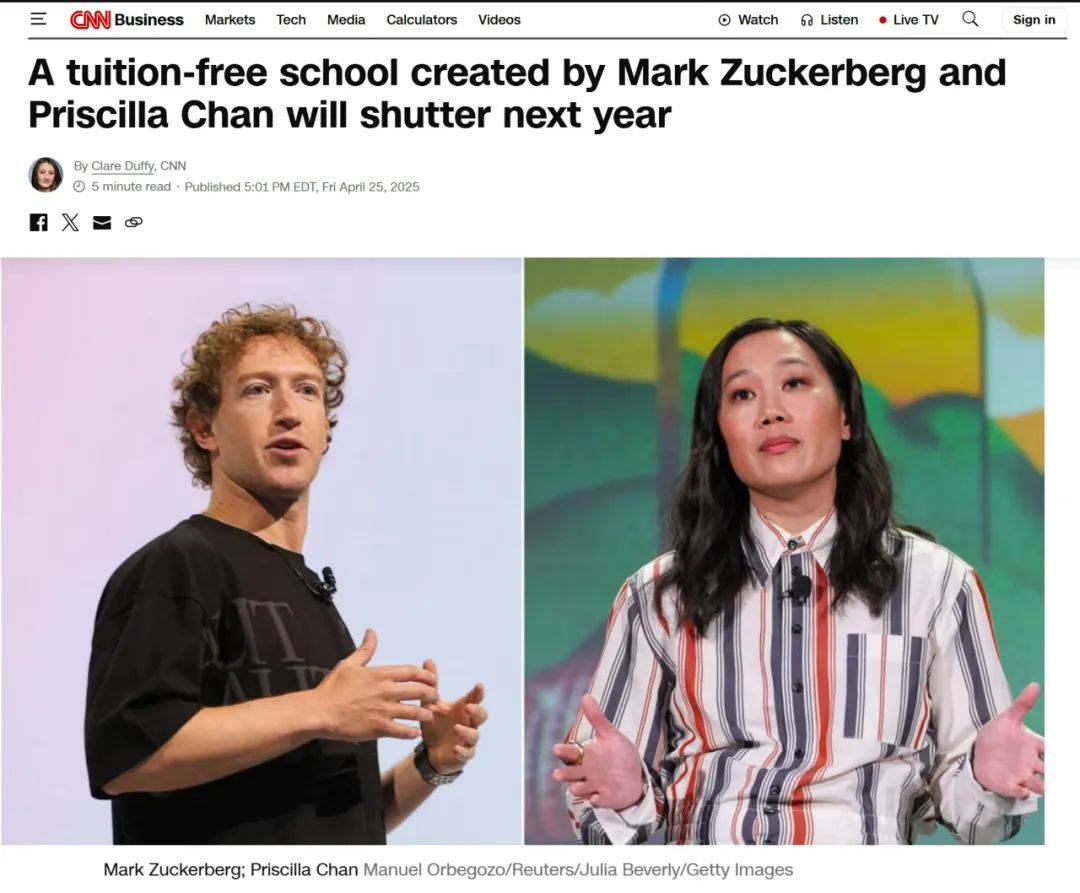
扎克伯格花14亿办的学校,倒闭了
Hu Xiu· 2025-08-19 03:14
Core Viewpoint - The announcement of The Primary School's permanent closure in 2026 highlights the challenges faced by celebrity-founded educational institutions, reflecting a broader trend of failures in such ventures [1][2][3]. Group 1: The Primary School and Its Closure - The Primary School, founded by Mark Zuckerberg and Priscilla Chan, will close in 2026 after struggling financially despite an initial investment of $200 million [1][2][4]. - The school aimed to provide world-class education to low-income families but faced difficulties in securing ongoing funding beyond Zuckerberg's initial investment [4][18]. - The decision to close was described as extremely difficult, indicating a sense of resignation from the school's board [3]. Group 2: Broader Trends in Celebrity Education Initiatives - Many billionaire entrepreneurs, including Bill Gates, Elon Musk, and Jeff Bezos, have invested in educational projects, but many of these initiatives have not succeeded [9][10][11]. - The Donda Academy, founded by Kanye West, closed after just 264 days due to controversies surrounding its founder, highlighting the instability of celebrity-led schools [12][13]. - WeGrow, founded by Adam Neumann of WeWork, also closed within two years, demonstrating the fragility of such educational ventures [14][15]. Group 3: Challenges in Educational Reform - The failures of these celebrity-founded schools reveal deeper issues in educational reform, such as the mismatch between the fast-paced nature of business and the long-term requirements of education [30][31]. - Successful educational change often comes from local educators and community leaders rather than external figures imposing standardized solutions [35][36]. - The article emphasizes that education is not merely a resource allocation issue, but requires a profound understanding of its unique complexities and community contexts [27][33]. Group 4: Financial Aspects and Sustainability - The article discusses the reliance on private funding for charter schools, with many initial investments coming from wealthy donors, which raises questions about the sustainability of such models [21][22]. - Even successful educational innovations can struggle to find sustainable funding and community support, as seen with The Primary School [39][40]. - The notion that money alone can solve educational challenges is critiqued, with a call for deeper understanding and commitment to the educational process [41][46].
共探人才培养新路径,少儿综合能力城市RISE大会在深举行
Nan Fang Du Shi Bao· 2025-08-04 08:31
Group 1: Conference Overview - The RISE conference held in Shenzhen focused on educational innovation and industrial upgrading, emphasizing the cultivation of composite talents for future needs [1] - Experts from various sectors discussed the importance of integrating local cultural heritage, technological thinking, and international perspectives in talent development [1] Group 2: Educational Practices - Shenzhen Foreign Language School's approach includes respecting individual differences and optimizing the education system to promote diverse development [2] - The school offers six foreign language courses and engages in international exchanges to enhance students' global perspectives and cross-cultural communication skills [2] Group 3: Industry Needs - The life sciences sector requires innovative talents with interdisciplinary skills, including data analysis, engineering thinking, and continuous learning capabilities [3] - The emphasis on "comprehensive abilities" is crucial for addressing complex biomedical challenges, highlighting the need for critical thinking and teamwork [3] Group 4: Educational Trends - 瑞思教育 has served over 1 million children and families since its inception, focusing on developing both personal and social competencies essential for success in the AI era [4] - The organization aims to shape future students' key abilities through project-based learning, aligning education with the demands of the evolving job market [4] Group 5: Future Expectations - The conference provided a platform for sharing theoretical and practical experiences in cultivating children's comprehensive abilities, aiming to foster educational innovation and industrial synergy in Shenzhen [4] - Participants expressed the hope that Shenzhen will continue to leverage its urban advantages to explore educational innovations and develop talents that meet the demands of the times [4]
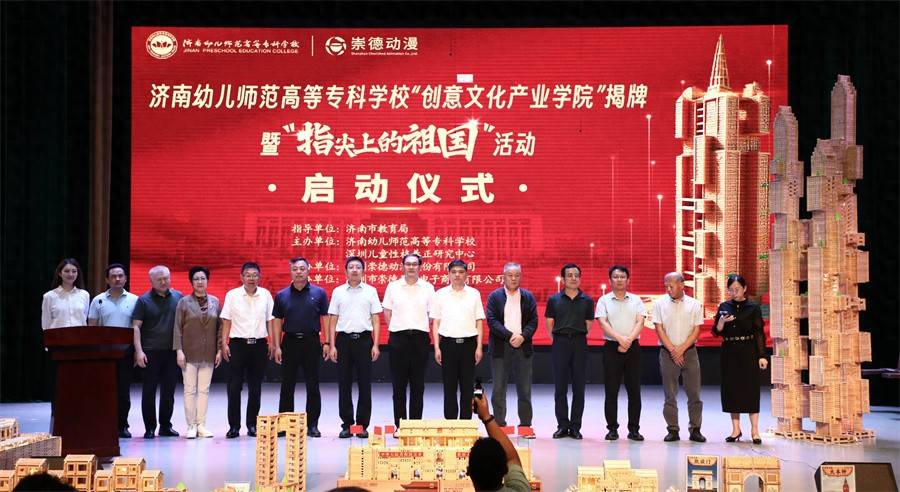
深圳崇德动漫以产业力量激活文化教育新动能,打造“教育+文化+产业”融合样本
Sou Hu Cai Jing· 2025-07-23 05:53
Group 1 - The establishment of the "Creative Cultural Industry College" at Jinan Preschool Normal College marks a significant collaboration between Shenzhen enterprises and educational institutions, highlighting the integration of education, culture, and industry [1][5][10] - Shenzhen Chuangde Animation Co., Ltd. aims to innovate educational models while inheriting and innovating traditional culture, showcasing the company's commitment to cultural transmission and children's education [4][5][10] - The "National Building Block Challenge" event, themed around traditional craftsmanship and innovation in children's education, reflects Shenzhen enterprises' ability to address social needs through creative solutions [6][9][10] Group 2 - The collaboration between Shenzhen Chuangde Animation and Jinan Preschool Normal College is a step forward in integrating preschool education with cultural and industrial elements, as noted by local education officials [5][10] - The company's development of environmentally friendly building blocks that incorporate traditional Chinese craftsmanship aligns with national educational goals and cultural confidence [9][10] - The initiative aims to create a sustainable ecosystem that connects cultural transmission, educational practice, and industrial development, providing a replicable model for cultural education across the country [12]
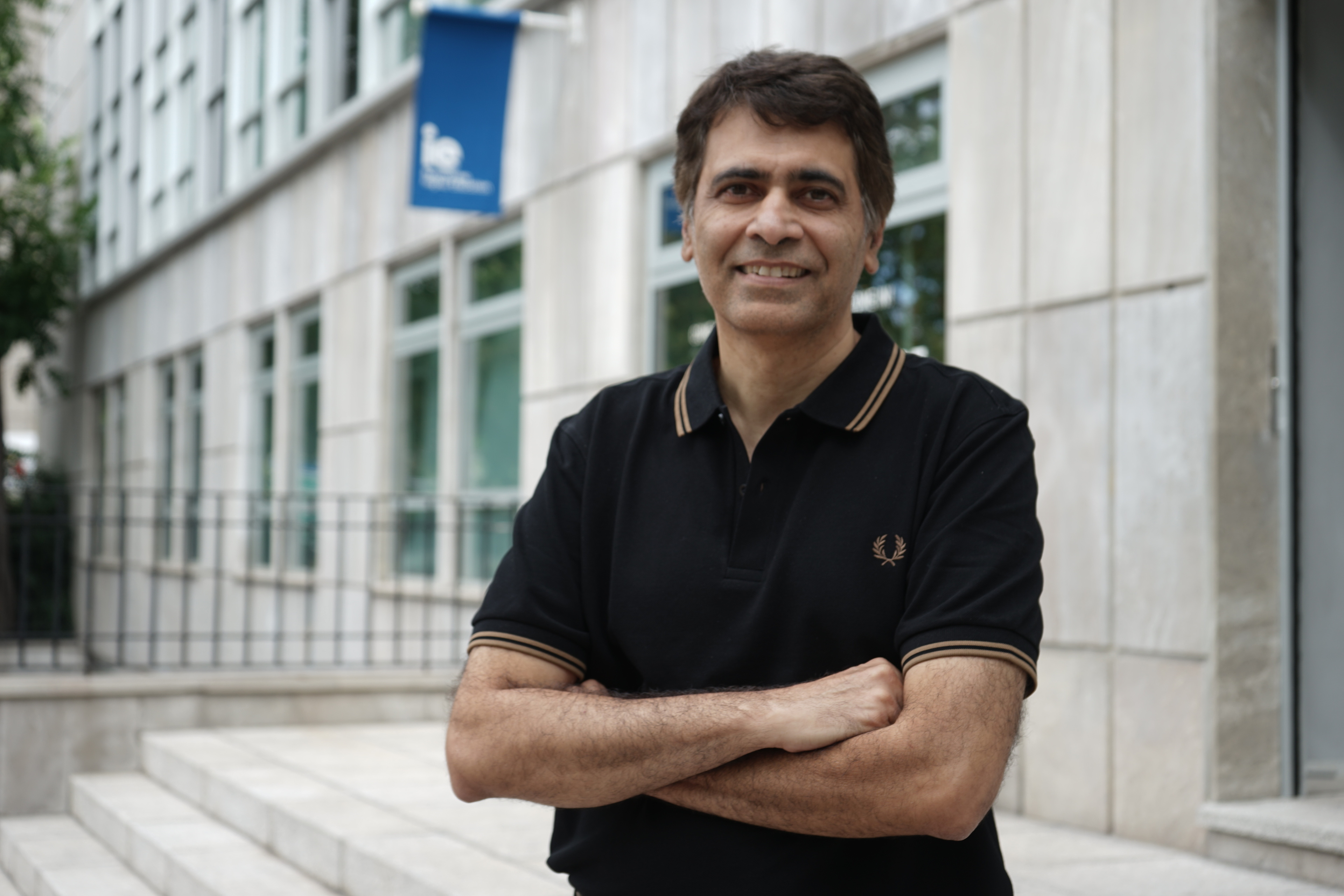
西班牙IE大学科技学院院长Ikhlaq Sidhu:做人才能做的事,是人工智能时代的第一竞争力
Mei Ri Jing Ji Xin Wen· 2025-06-11 16:42
Core Insights - The article emphasizes the critical role of universities in bridging the gap between theoretical education and industry needs, particularly in the context of innovation and the impact of artificial intelligence [1][3][4] Group 1: Education and Innovation - The current education system often fails to align with real industry demands, leading to a disconnect between curriculum design and the actual needs of students [3][4] - Ikhlaq Sidhu advocates for project-based learning, suggesting that knowledge retention from lectures is low, with only about 10% retention, which can drop to 1-2% after a year [3][4] - The need for educational innovation is highlighted, with a call to return the power of defining educational content to the environments that foster innovation [3][4] Group 2: Challenges of AI and Innovation - The rapid increase in publications and papers due to AI technologies has led to a higher retraction rate, indicating the challenges posed by the reliability of AI-generated content [4][5] - Maintaining human competitiveness in the face of AI advancements is crucial, as humans must determine the questions to ask AI and interpret its outputs [5][6] - Innovation is characterized by high uncertainty and low success rates, with only 10-20% of projects successfully transitioning from R&D to market [6] Group 3: Risk and Innovation - Companies often become more conservative over time, preferring to outsource innovation to venture capital and startups, reflecting a lack of internal innovation incentives [6] - Embracing risk and allowing for failure is essential in the innovation process, as significant breakthroughs often come with high uncertainty [6] - The pursuit of innovation should focus on increasing success rates while accepting that many attempts will not yield results, with a goal to improve success rates from 10% to 12.5% or higher [6]