新殖民主义

Search documents
詹德斌:关税大棒下,新殖民主义幽灵在游荡
Sou Hu Cai Jing· 2025-08-11 22:40
Group 1 - The core argument highlights the detrimental impact of U.S. tariffs on countries like Lesotho, particularly with a 15% tariff on apparel products, which exacerbates economic challenges in these nations [1] - The U.S. has been using tariffs as a tool to compel global companies to relocate production and transfer technology to the U.S., effectively leveraging its market power [2][3] - Traditional allies of the U.S. are competing for lower tariff rates rather than resisting U.S. pressure, indicating a lack of strategic autonomy and a shift towards dependency on U.S. economic policies [2][3] Group 2 - The article critiques the U.S. for undermining international rules and order, portraying it as a significant disruptor rather than a fair market leader [3][4] - It emphasizes the need for global South countries to unite in defending a multilateral international system based on international law and the principles of the UN Charter [4][5] - The call for a more equitable international order is framed as a collective responsibility, urging nations to reject unilateralism and embrace genuine multilateralism [5]
“19%对0”?!菲律宾炸锅了
Xin Hua She· 2025-07-26 09:23
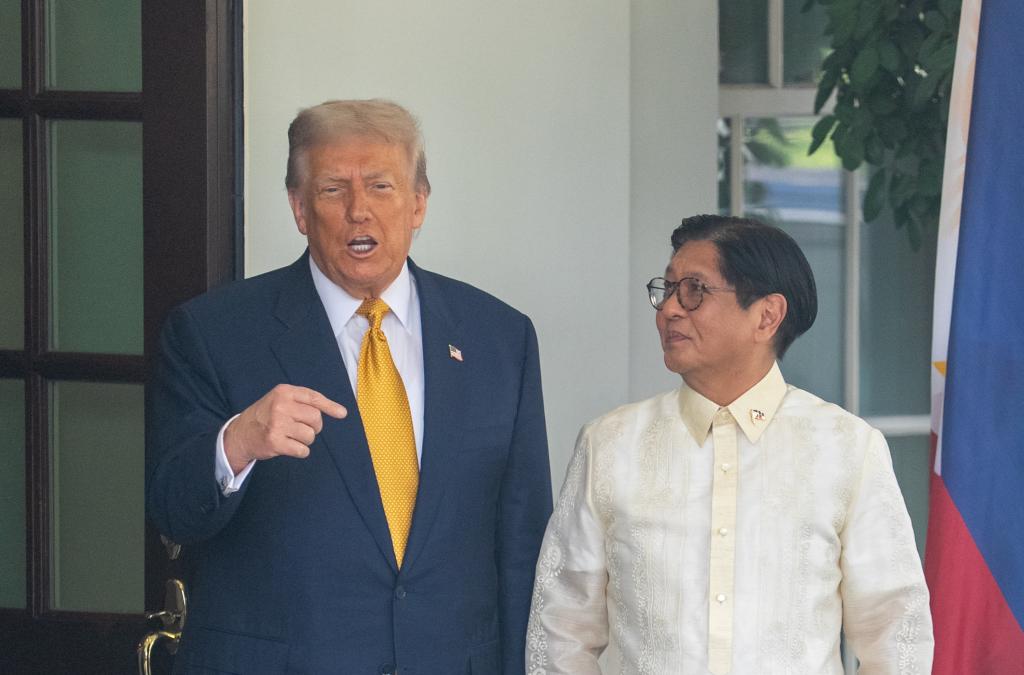
Group 1 - The agreement allows the Philippines to open its market to the US with zero tariffs, while the US imposes a 19% tariff on Philippine imports, leading to significant backlash in the Philippines [1][2] - Key political figures in the Philippines have criticized the agreement as unfair, with Senator Panfilo Lacson calling it a "disgraceful insult" and Senator Imee Marcos stating it is a unilateral compromise rather than a victory [2] - Public sentiment in the Philippines is strongly against the agreement, with social media users labeling it as "new colonialism" and questioning the country's status as a true ally of the US [2] Group 2 - Concerns have been raised about the potential economic impact of the agreement, with Congressman Antonio Tinio warning that it could turn the Philippines into a dumping ground for US goods, adversely affecting local industries [5] - The disparity in tariffs is highlighted by the example of Philippine soy sauce facing a 19% tariff in the US while US ketchup is sold in Manila at zero tariffs, illustrating the real-life implications of the agreement [5] - The agreement has sparked a national debate among Filipinos about whether to continue as a subordinate ally in a US-centered trade system or to seek a more equitable and independent development path through multilateral cooperation [5]

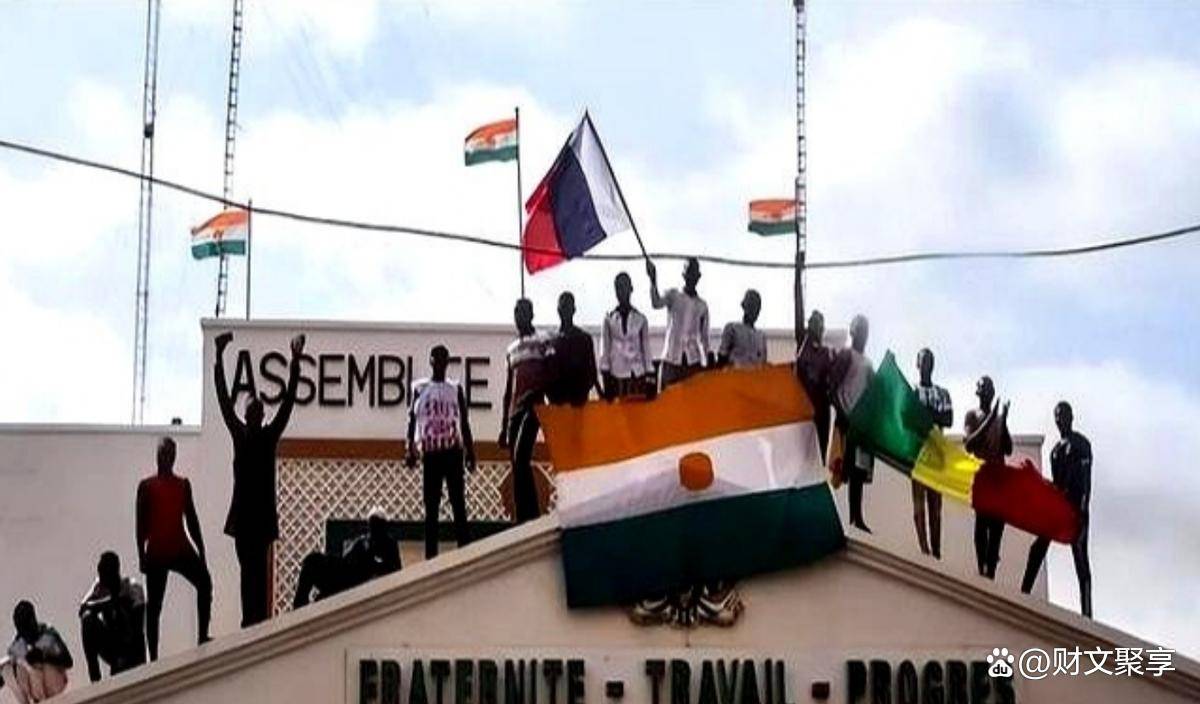
四个月前,尼日尔公开抢夺中国财产,驱赶中国公民,现状如何?
Sou Hu Cai Jing· 2025-07-25 10:51
Core Insights - Niger's economy is facing unprecedented challenges due to a three-day nationwide blackout, leading to factory shutdowns and significant losses in the oil sector, attributed to the government's actions against Chinese oil technicians [1] - The Nigerien military government signed a resource-for-loan agreement with China National Petroleum Corporation (CNPC) to alleviate financial pressure, but later demanded large tax payments and additional loans, resulting in retaliatory actions against Chinese enterprises [2] - The crisis is a culmination of long-term political and economic factors, revealing the complexities behind the government's decisions [3] Government Actions - In March 2023, the Nigerien government expelled three Chinese executives from CNPC and other companies, citing discriminatory practices, and revoked the business license of a Chinese hotel [4] - The government ordered the departure of Chinese oil workers, claiming disparities in salaries between Chinese and Nigerien employees, while ignoring the operational impact of these actions on the oil industry [4] - The government's actions are linked to a broader attempt to reduce reliance on foreign expertise, particularly from China, after regaining control over uranium resources with the help of Russian mercenaries [5][6] Economic Impact - CNPC has invested between $4.6 billion to $6 billion in Niger over two decades, transforming the country from an oil importer to an exporter, but the expulsion of Chinese technicians has led to a collapse of the oil sector [6] - The Nigerien foreign minister's recent visit to China aimed to mend relations, but the damage from the government's reckless decisions has already caused significant economic turmoil [6] Broader Implications - The crisis highlights the short-sightedness and misjudgments of the Nigerien government, which sought to escape French influence but adopted flawed strategies that resulted in economic regression [8] - Niger's experience serves as a cautionary tale for other African nations, emphasizing that exclusionary and shortsighted policies can lead to failure in the pursuit of independence and economic development [8]

国内知名“宰相”式混改专家李世勇系列采访一:全球经济困局的历史透视与未来研判
Sou Hu Cai Jing· 2025-06-24 08:57
Group 1 - The global economy is undergoing profound structural changes, characterized by weak growth momentum, intensified geopolitical conflicts, and a dilemma of high inflation, high interest rates, high debt, and low growth [2] - Private entrepreneurs' ability to accurately assess the economic situation and grasp development trends will directly determine the scientific and feasible nature of corporate strategy formulation [3][4] - Many enterprises are still stuck in traditional development models, incurring high trial-and-error costs [3] Group 2 - The current global economic situation is viewed as the early stage of a Great Depression, which is a core manifestation of a century-long change [5] - The Great Depression is not a natural phenomenon but a forced correction due to long-term deviations from objective economic laws [5] - The evolution of this crisis is expected to present three stages: "value return period" (2023-2025), "structural adjustment period" (2026-2028), and "order reconstruction period" (2029-2031) [6] Group 3 - The current economic crisis is marked by a deep restructuring of the post-World War II international economic and political order [8] - The dollar is entering a historical "value return" process, with its share in international settlements dropping from 73% in 2001 to 47% today [9] - The new colonialism is in a "structural adjustment" decline cycle, with a significant shift towards decolonization movements led by countries like those in BRICS [10][11] Group 4 - The decoupling of the US and Chinese economies has initiated a new era of de-globalization, fundamentally altering the global economic landscape [12][13] - The current economic crisis is compounded by a technological revolution, with the fifth and sixth industrial revolutions reshaping industries and accelerating the pace of corporate evolution [14][15] Group 5 - The economic crisis is characterized by a "crisis transfer" mechanism, where developed countries are shifting internal crises externally through monetary, industrial, financial, and geopolitical dimensions [17][18] - The domestic economy is expected to face profound impacts, including a debt crisis for local governments and state-owned enterprises, leading to a series of chain reactions [19][20] Group 6 - A wave of bankruptcies and restructurings among private enterprises is anticipated, as the old growth model based on demographic, resource, reform, and industrial chain dividends is nearing exhaustion [21][22] - The A-share market is undergoing a significant valuation system reconstruction, with traditional fundraising models becoming increasingly unsustainable [22][23] Group 7 - The current economic downturn is expected to exacerbate social tensions, with rising litigation and social unrest due to economic pressures [24] - The crisis is likely to lead to a significant increase in the number of corporate bankruptcies, particularly among small and medium-sized enterprises [24] Group 8 - To effectively respond to the economic crisis, a systematic crisis response mechanism is needed, focusing on local government debt resolution, financial system restructuring, and enterprise transformation [28][29] - Enterprises should adopt a digital asset strategy, enhance governance, and prepare for mixed ownership reforms to ensure adaptability and resilience [32][34]