机器人租赁

Search documents
年前机器人“走穴”表演忙:一天赶三场,热门款日薪达8000元
Xin Lang Cai Jing· 2026-02-09 21:26
Group 1 - The rental of robots is experiencing a peak demand as the Spring Festival approaches, with prices significantly increasing during this period [1][4] - Rental prices for popular robot models have surged by 100%, with daily rates reaching up to 8,000 yuan during the festival [1][4] - The demand for robot rentals is driven by various events such as New Year celebrations, school openings, and Lantern Festival activities, leading to tight scheduling and increased rental rates [3][4] Group 2 - The basic version of robots, which typically rents for 2,000 yuan per day, has increased to 3,500 yuan during the festival, while more advanced models that can dance have seen prices rise from 4,000 yuan to 6,000 yuan [4][5] - Despite the price increases during the Spring Festival, rental prices are still lower compared to the same period last year, where some models reached 12,000 yuan per day [4][5] - The most popular robot brands in the rental market include Yushutech's U2 and Zhiyuan's Lingxi X2, with U2 being particularly favored for its reliability and availability [5]


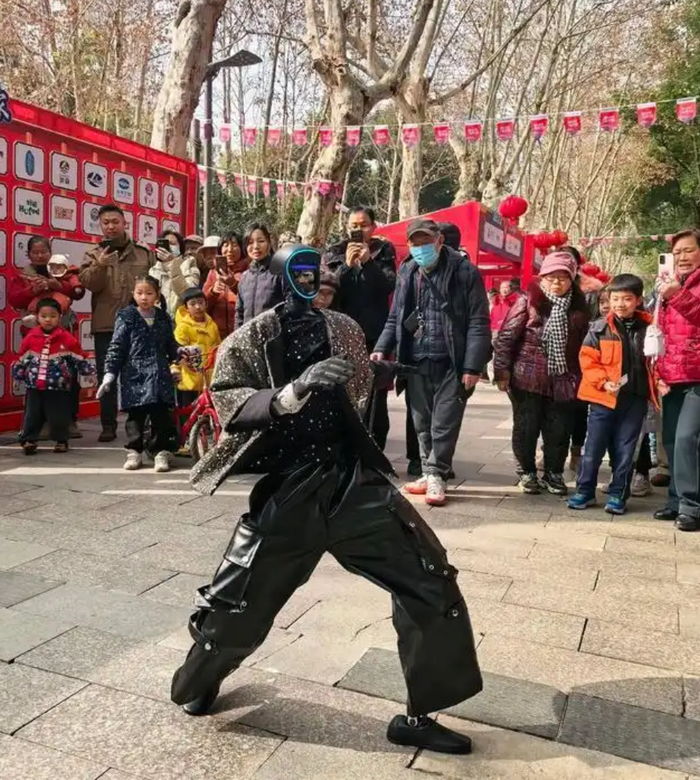
从单纯设备出租到专业服务 机器人租赁市场有点“燃”
Yang Shi Wang· 2026-02-08 22:35
Core Viewpoint - The emerging trend of "robot rental" services is experiencing explosive growth in the market, particularly as the Spring Festival approaches, with robots being utilized in various consumer settings to enhance customer engagement and service efficiency [1][3][5] Group 1: Market Growth - The robot rental service has rapidly gained popularity, with platforms deploying over 2,000 robots across 200 cities in China [5] - The demand for robots has surged, especially during the Spring Festival, leading to a situation where robots are in high demand and difficult to obtain [5] Group 2: Consumer Engagement - In a newly opened smart restaurant in Beijing, robots are actively involved in delivering food and engaging with customers, showcasing their role in enhancing the dining experience [1] - In Shanghai, a convenience store utilized a dancing robot to attract crowds, highlighting the robots' ability to generate social interest and foot traffic [3] Group 3: Service Evolution - The robot rental market is evolving from simple equipment leasing to offering comprehensive service solutions tailored to specific application scenarios [3] - Companies are working to increase production capacity to meet the growing demand, with an expectation to deploy over 4,000 robots by the end of February [5]
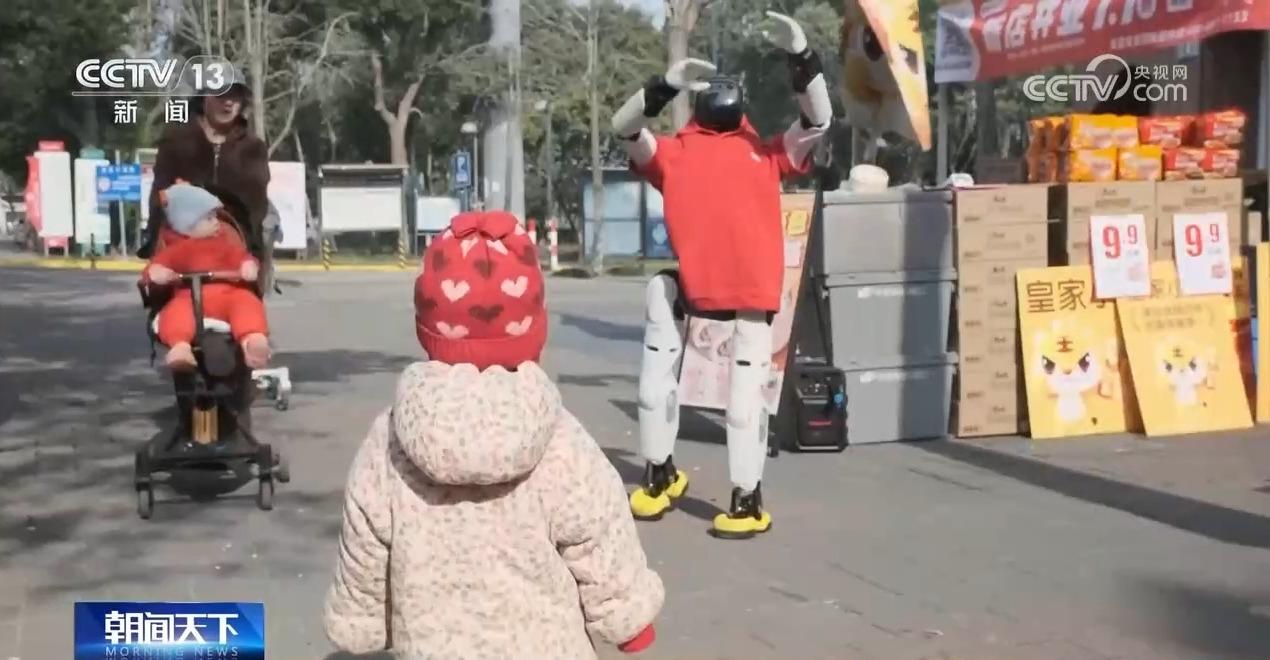
「机器人+」宇树、加速进化、众擎等品牌入驻,前阿里系高管“空降”:擎天租加速品牌与人才集结
Hua Xia Shi Bao· 2026-02-06 13:15
Core Insights - The article discusses the rapid development and strategic initiatives of the robot rental service platform, Qingtian Rental, which has recently attracted attention in the market due to its partnerships and management team enhancements [2][5]. Group 1: Company Developments - Qingtian Rental has onboarded several robot brands, including Zhiyuan, Yushu, and Lingchu Intelligent, to enhance its service offerings [2]. - The platform has completed a new round of management restructuring, bringing in two former Alibaba executives to strengthen its leadership team [3][4]. - The company has successfully raised seed funding led by GL Ventures, with participation from other notable investors, to support its national market expansion and service development [5]. Group 2: Management Team - The new executives, Li Liheng and Wang Mingfeng, are expected to leverage their extensive experience from Alibaba to enhance Qingtian Rental's operational capabilities and strategic direction [3][4]. - Li Liheng will focus on team building and market expansion, while Wang Mingfeng will contribute to standardized operations and strategic planning [4]. Group 3: Market Strategy - Qingtian Rental is implementing a "city partner" strategy to build a nationwide service network, aiming to integrate local service providers and enhance operational efficiency [6]. - The platform has established a presence in over 200 core cities, aggregating more than 2,000 equipment resources and 600 local service providers [6]. Group 4: Market Dynamics - The robot rental market is experiencing rapid growth due to increased demand for performance and event-related services, but it faces sustainability challenges as novelty wears off and costs decrease [7][8]. - Qingtian Rental aims to transition from a focus on performance rentals to more stable, high-frequency applications in various industries, emphasizing the need for a robust business model [8].
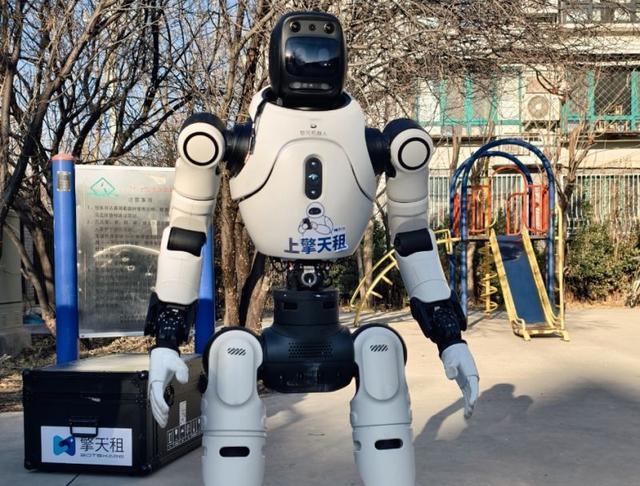
说实话,人形机器人上春晚不止1个亿
3 6 Ke· 2026-02-03 12:52
Core Viewpoint - The investment of 100 million yuan in humanoid robots for the Spring Festival Gala is not merely a financial transaction but a strategic move to enhance brand recognition and long-term development in the industry [1][20]. Group 1: Investment and Costs - The 100 million yuan investment is insufficient for the Spring Festival Gala, as it involves extensive collaboration among various departments, including control and algorithms, requiring significant human resources and time [2][4]. - The costs associated with the event extend beyond sponsorship fees, encompassing research and development, training, and promotional expenses [4][6]. Group 2: Industry Impact and Brand Recognition - The Spring Festival Gala serves as a national platform that can significantly enhance brand memory and recognition for humanoid robot companies, which is crucial for reducing trust costs in a competitive market [4][8]. - The event is expected to generate subsequent orders and rental demands, contributing positively to the companies' financial performance [6]. Group 3: Technological Development and Performance - Humanoid robot performances are not merely entertainment; they represent a necessary transitional phase in the industry's development, showcasing the complexity and capabilities of robotic systems [7][19]. - Performing arts help refine the underlying capabilities of robots, improving their stability and functionality for future applications [8][10]. Group 4: Business Model Evolution - The demand for humanoid robot performances is projected to grow, leading to a shift from direct sales to a rental model, which is more suitable for the performance context [9][10]. - The rental market for robots is expected to reach 1 billion yuan by 2025 and potentially expand to 10 billion yuan by 2026, indicating a significant market opportunity [9]. Group 5: Long-term Viability - While performances may not become the primary revenue source for robot companies, they can serve as a sustainable income stream, similar to the drone industry, which initially relied on performances for public recognition [17][19]. - The ongoing performances are a strategic choice for companies to gain time, resources, and market positioning in a still-maturing industry [18][19].

这个春节,机器人疯狂打工
创业邦· 2026-02-03 03:09
Core Viewpoint - The human-shaped robot rental market is experiencing a surge in demand, particularly during the peak season of corporate events and celebrations, raising questions about its sustainability and potential as a long-term business model [6][7][32]. Group 1: Market Dynamics - The demand for human-shaped robots has significantly increased, with rental prices rising by 20%-30% compared to previous periods, averaging around 5000 yuan per day [12][13]. - The customer base for robot rentals is primarily composed of enterprises and institutions, accounting for 70%-80% of the market, with many clients opting to rent robots for the first time to enhance event appeal [13][24]. - The rental process involves several steps, including contract signing, logistics arrangement, and on-site operation by trained personnel, which contributes to the overall cost [15][17][18]. Group 2: Industry Challenges - The rental market faces issues such as a chaotic pricing system, inconsistent service standards, and discrepancies between promotional materials and actual robot performance [24][28]. - Price variations can be significant, with daily rental costs ranging from 3000 yuan to 30,000 yuan, leading to concerns about the value proposition of renting robots [24][26]. - The industry is still in its early stages, with a lack of standardized pricing and service offerings, resulting in confusion and mistrust among potential clients [24][25]. Group 3: Profitability and Future Outlook - Initial profitability in the robot rental business was high, with gross margins around 35%, but this has since declined to approximately 22% due to increased competition and market saturation [32][33]. - The market is projected to grow significantly, with estimates suggesting it could exceed 10 billion yuan by 2025 and reach at least 100 billion yuan by 2026, although opinions on sustainability vary [33][36]. - Challenges such as limited functionality, high maintenance costs, and the need for continuous technological upgrades may hinder long-term profitability and market stability [38].

上线三周用户数破20万!机器人租赁赛道升温:擎天租引入“阿里系”前高管 启动全国合伙人计划
Sou Hu Cai Jing· 2026-02-02 13:16
擎天租管理层 图片来源:企业供图 1月中旬,擎天租宣布已于近期完成种子轮融资,由高瓴创投(GL Ventures)领投,复星创富、慕华科创、大丰基金及张江集团旗下具身智能公司共同参与 投资。记者当时了解到,该轮资金将主要用于全国市场拓展、平台技术与服务体系建设,以及与地方政府和产业生态的深度协同等。 擎天租平台数据显示,上线三周后注册用户数已突破20万,日均租赁订单稳定在200单以上。 与此同时,擎天租还宣布启动全国城市合伙人战略,将对本地服务商进行体系化赋能。具体而言,擎天租将通过平台化协同方式,整合分散的线下服务资 源,加快全国服务网络的搭建与扩展,提升跨城市交付效率等。其中,擎天租联席总裁李立恒将直接负责城市合伙人团队的搭建与运营,擎天租CSO王明峰 将主导全国网络标准化运营与规模扩张等。 除新加入的两位阿里系高管之外,擎天租还完成多项管理层布局——智元合伙人、联席总裁姜青松出任公司董事长,飞阔科技创始人李一言担任CEO(首席 执行官),前饿了么副总裁陈艳霞出任COO(首席运营官),喵掌柜创始人李可为担任CMO(首席营销官)。 每经记者|王郁彪 每经编辑|余婷婷 2月2日,全球机器人租赁服务平台擎天租宣 ...

潮起潮落,机器人租赁催生平台
Shen Zhen Shang Bao· 2026-01-23 04:40
Core Insights - The rise of humanoid robot rentals in Huaqiangbei was driven by a "curiosity effect," peaking in early 2025, but this trend has since declined as many rental shops have shifted to selling AI robots and live-streaming equipment [1][2] Group 1: Market Dynamics - During the peak rental period, daily rental prices for humanoid robots soared to between 18,000 and 25,000 yuan, with a significant demand that made them hard to find [2] - The current rental prices have decreased significantly, with humanoid robots now renting for 4,000 to 5,000 yuan per day, and robotic dogs around 300 yuan [5] - The rental market is evolving from merely renting equipment to providing comprehensive service capabilities, emphasizing delivery and stability [3] Group 2: Business Model Changes - The global robot selection center in Huaqiangbei integrates rental, sales, and service development, moving away from the previous scattered rental model [2][4] - Most robot companies do not directly offer rental services, with some only providing loans to familiar clients, indicating a shift in how rental services are approached [6] - The rental market is divided into short-term rentals for events and long-term rentals for practical applications, with the latter being more stable but not necessarily cost-effective [7] Group 3: Platform Development - The launch of the "Qingtian Rental" platform aims to consolidate scattered rental resources, addressing the challenges of finding suitable robots for various events [8] - The Chinese robot market surpassed 150 billion yuan in 2025, with rental model penetration increasing by over 300% compared to five years prior [8] - The emergence of platforms is seen as a positive development, potentially improving service quality and reducing market chaos, even if it does not necessarily increase profitability [9]
潮起潮落,机器人租赁催生平台 高峰时日租金被炒到2万元左右,现已回落到4000—5000元之间
Shen Zhen Shang Bao· 2026-01-22 22:27
Core Insights - The global robot selection center in Huaqiangbei integrates leasing, sales, secondary development, and scenario-based services, marking a shift in the robot rental market [1][2] - The initial surge in robot rentals, driven by novelty, has seen a decline, with many shops pivoting to sell AI robots and live streaming equipment instead [2][3] - The rental market is evolving from merely providing robots to offering comprehensive service capabilities for events and presentations [3] Market Dynamics - During the peak of robot rentals in early 2025, daily rental prices for humanoid robots soared to between 18,000 and 25,000 yuan, but have since dropped to around 4,000 to 5,000 yuan [2][5] - The demand for humanoid robots remains stable, primarily for commercial events, with the highest rental frequency observed for robots from Yushu Technology [4][5] - The rental business is not widely adopted by most robot manufacturers, with many only offering borrowing options to familiar clients [6][7] Business Model and Strategy - The rental model is seen as a way to mitigate purchasing risks, allowing clients to avoid the costs associated with equipment failure and rapid technological obsolescence [7] - The emergence of platforms like "Qingtian Rent" aims to consolidate fragmented rental resources, addressing the challenges of customer acquisition and service standardization [8][9] - The overall market for robots in China surpassed 150 billion yuan in 2025, with the rental model's penetration increasing by over 300% compared to five years prior [8]
「机器人+」高瓴创投领投!机器人租赁成资本新焦点,擎天租上线三周完成种子轮融资
Hua Xia Shi Bao· 2026-01-15 14:40
Core Insights - The robot rental platform "Qingtian Rent" has quickly gained attention in the market, completing its seed round of financing just three weeks after launch, indicating strong investor interest in the service and application layer of the robotics industry [2][3] - The platform aims to address the "last mile" challenge in robot commercialization by offering flexible, on-demand rental services rather than traditional one-time sales [2][4] Financing and Investment - Qingtian Rent's seed round was led by GL Ventures, with participation from Fosun Capital, Muhua Innovation, Dafeng Fund, and Zhangjiang Group's Intelligent Company [3] - The funds will be used for national market expansion, platform technology and service system development, and deep collaboration with local governments and industry ecosystems [3] Market Potential - The robot rental market is projected to reach at least 10 billion yuan this year, reflecting a significant growth opportunity [2] - The platform has already registered over 200,000 users and maintains an average of over 200 rental orders per day, showcasing rapid adoption [5] Business Model and Services - Qingtian Rent's model transforms robots into flexible production factors that can be quickly deployed and paid for based on performance, rather than being sold outright [4] - The platform also offers additional services such as robot customization and collaboration with content production teams, enhancing its value proposition [4] Strategic Goals - The company aims to connect with over 10 robot manufacturers, develop 200 premium service providers, and serve 400,000 rental customers by 2026, establishing a nationwide robot service network [7] - Plans are in place to expand the service network to 200 cities within the year, making robot services as accessible as utilities [7] Competitive Landscape - The rental model is expected to mirror the growth trajectory of the drone industry, where rental services became popular before widespread adoption in other sectors [5] - Qingtian Rent is positioning itself as a neutral third-party platform, aiming to include various robot brands and avoid exclusivity, although challenges in compatibility and service standards remain [6]
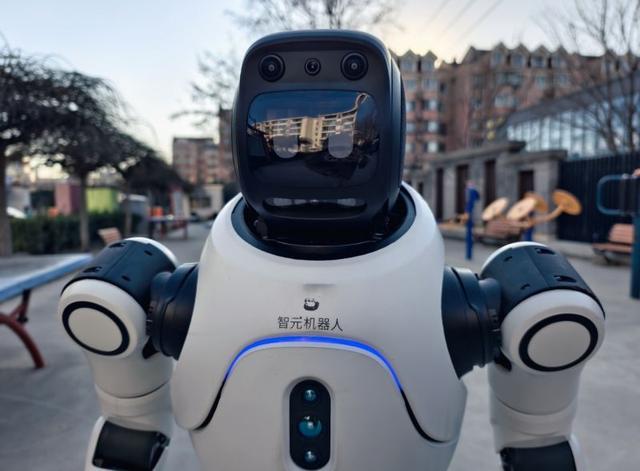
“租赁员工”走红线下 机器人“补课”学新技
Hang Zhou Ri Bao· 2026-01-15 03:28
Core Insights - The rise of the humanoid robot rental market has been ignited since the 2025 Spring Festival Gala, with robots being used in various offline scenarios such as commercial performances, exhibitions, and corporate events [2][3] - The average rental cost for a single robot ranges from 5,000 to 8,000 yuan per day, while the purchase price for a general humanoid robot is between 100,000 and 300,000 yuan, making rental a more practical choice for most companies [3][4] Group 1: Market Dynamics - The demand for rental robots has exposed a core contradiction: generic robots produced by manufacturers often fail to meet the diverse needs of various scenarios, leading clients to seek more intelligent and interactive robots [3][4] - Companies like Feikuo Technology are addressing this issue by enhancing existing robots with external "computing boxes," sensors, and custom algorithms, allowing robots to quickly switch between different roles [4] Group 2: Technological Empowerment - Feikuo Technology has developed three major systems—Tianshu, Tianxuan, and Tianxun—that enable flexible empowerment of robots, allowing for quick adaptation to different brands and models without altering the robot's core structure [4] - The Tianshu system acts as the "brain" for scene interaction and navigation, while the Tianxuan system focuses on motion control and choreography, and the Tianxun system is tailored for quadruped robots in specific applications like inspection and security [4] Group 3: Standardization and Scale - To address the fragmented rental demand and inconsistent service quality, Feikuo Technology co-founded the "National Robot Rental Alliance," which has evolved into an independent platform called "Qingtian Rental," akin to a "robot rental version of Didi" [5] - This platform connects demanders, rental service providers, and robot manufacturers, facilitating a more standardized and scalable rental market [5] - The rental model not only serves immediate needs but also allows for real-world testing of robots, driving continuous technological iteration based on feedback from rental tasks [5]