
肥胖治疗

Search documents
iBio (NYSEAM:IBIO) FY Conference Transcript
2025-11-10 14:32
Summary of iBio (NYSEAM:IBIO) FY Conference Call - November 10, 2025 Company Overview - iBio was founded in 2008-2009 as a consortium aimed at developing plant-based vaccines for the U.S. Army [2][2] - The company pivoted to a Contract Development and Manufacturing Organization (CDMO) in 2015 and raised capital to develop a COVID vaccine [2][2] - In 2022, iBio acquired Rubrik Therapeutics, enhancing its platform for discovering hard-to-drug antibodies [2][2] Key Developments and Collaborations - iBio established a research agreement with Eli Lilly, achieving significant progress on a hard-to-drug molecule in eight months [3][3] - The company sold a PD-1 agonist to Otsuka for $1 million upfront and potential commercial milestones of $52.5 million [3][3] - A collaboration with AstroBio focused on four obesity targets, leading to the in-licensing of three targets: myostatin, Activin E, and Amlin [4][4] Obesity Treatment Strategy - iBio is targeting unmet medical needs in obesity treatment, recognizing the competitive landscape dominated by GLP-1 receptor agonists [5][5] - The company is developing a portfolio of programs to address obesity from multiple angles, including food intake reduction and muscle-sparing agents [6][6] - The strategy includes developing drugs that can be used in combination with GLP-1 treatments to enhance efficacy and reduce dropout rates [6][6] Pipeline and Development Stages - The highest priority molecule is an Activin E antibody, currently in IND enabling stages, with promising pharmacokinetic data suggesting a twice-a-year dosing regimen [8][9] - iBio's myostatin program is progressing through toxicology studies, with plans to file in Australia in the second quarter of next year [19][19] - The Amlin program is in rodent studies, with plans for non-human primate studies to follow [26][26] Market Position and Future Outlook - iBio aims to differentiate itself in the obesity market by addressing the complexity of the disease and the need for combination therapies [27][27] - The company anticipates a shift in the market towards maintenance therapies that can be dosed infrequently, targeting a twice-a-year regimen [28][28] Financial Position and Funding - iBio raised $50 million in August, with potential for an additional $50 million through a unique financing structure tied to IND acceptance [31][31] - The current cash position is expected to sustain operations through the first quarter of 2027 [31][31] Upcoming Catalysts - Non-human primate data for Activin E is expected in the first half of next year, with IND filing planned for the end of 2026 [33][33] - The myostatin program is on track for IND filing in the first half of next year, with first patient dosing anticipated shortly thereafter [33][33] - The Amlin program is also progressing towards non-human primate studies, with timelines aligned for future development [33][33]

全球医疗保健_宏观轮动背景下美国政府 GLP-1 协议成焦点;礼来为主要受益者-Global Healthcare_ Pharmaceuticals_ Friday Fodder_ US Gov’t GLP-1 Deal Center Stage Amidst Macro Rotations; LLY Key Beneficiary
2025-11-10 03:34
Summary of Key Points from the Conference Call Industry Overview - The focus is on the **pharmaceutical industry**, particularly the **biopharma sector** with an emphasis on **GLP-1 drugs** and obesity treatments [1][2][17] Core Company Insights - **LLY (Eli Lilly)** is highlighted as a key beneficiary of recent developments, particularly in relation to GLP-1 drug pricing deals with the US government, which could unlock significant volume potential [1][2] - The **obesity market** is currently dominated by a duopoly between **LLY** and **Novo Nordisk (Novo)**, with LLY maintaining a leadership position [2] - Recent government endorsements of weight loss medications are seen as a positive development for LLY, potentially lowering healthcare costs [2] Financial Performance and Market Dynamics - LLY's stock performance has shown a widening divergence compared to Novo, indicating a stronger market position for LLY [2] - The pricing clarity from recent deals has reduced the "left-tail" risk for LLY, while potential upside levers include Medicare access and strong data from LLY's eloralintide program [2] - The **3Q25 earnings season** has shown mixed results across the sector, with LLY's performance being notably strong [17][20] Upcoming Events and Data - Key upcoming events include the **AHA conference** and an investor trip to China, where LLY and other leading companies will present data and insights [3][19] - The **Obesity Week conference** has highlighted LLY's eloralintide data, positioning it as a potential major innovation in obesity treatment [1] Competitive Landscape - **Novo** has faced challenges, including a missed earnings estimate and a cut in FY25 guidance, raising concerns about its growth trajectory [20][22] - The recent GLP-1 pricing agreements with the US government are expected to impact Novo's sales in FY26, creating a competitive disadvantage [20][22] Market Trends - The GLP-1 obesity script market has shown stable growth, with a slight increase in overall scripts week-on-week [23] - The **generic pharma sector** has outperformed the broader market, driven by earnings updates and M&A news, particularly involving companies like **TEVA** and **VTRS** [28][31] Regulatory and Policy Environment - Recent FDA guidance on biosimilars and reduced tariff risks are expected to support the performance of generic pharma companies [30] - The ongoing discussions around drug pricing reforms, particularly the **Inflation Reduction Act**, are critical for the sector's outlook [33] Conclusion - The pharmaceutical industry, particularly the biopharma sector, is experiencing significant developments with LLY positioned favorably due to recent government deals and strong market performance. The competitive landscape remains dynamic, with Novo facing challenges that could impact its growth trajectory. Upcoming conferences and data releases are anticipated to provide further insights into market trends and company performances [1][2][17][20][28]

2025美国肥胖周热点:双重突破!0602K联手替尔泊肽,协同效应重塑脂肪与肌肉
GLP1减重宝典· 2025-11-08 13:47
Core Insights - Obesity is a global epidemic closely linked to insulin resistance and various serious metabolic complications. GLP-1 receptor agonists, particularly the dual-action GLP-1/GIP agonist Tirzepatide, have significantly advanced obesity treatment, but they have limitations such as potential muscle loss and dependence on sustained weight loss for improving insulin sensitivity [6][13]. Treatment Innovations - Azemiglitazone Potassium (0602K) is a new generation insulin sensitizer optimized to avoid the side effects associated with traditional insulin sensitizers that activate metabolic nuclear receptor PPARγ directly. Research suggests that combining 0602K with Tirzepatide could enhance metabolic improvement by acting on both muscle and fat tissues [7][13]. Research Findings - During the 2025 ObesityWeek, Dr. Jerry Colca from Cirius Therapeutics presented findings on the synergistic effects of 0602K and Tirzepatide. In a study using a diet-induced obesity model with C57BL/6J mice, the combination treatment maintained weight loss achieved by Tirzepatide alone and significantly promoted the remodeling of subcutaneous and visceral fat structures while preserving skeletal muscle function [9][11]. Mechanism of Action - The combination therapy was shown to enhance UCP1 expression, effectively increasing the activity of thermogenic pathways in subcutaneous fat. Notably, 0602K alone increased muscle mass, and when combined with Tirzepatide, it altered the muscle transcriptome, significantly upregulating key structural and functional proteins such as myosin and troponin, indicating protective remodeling of skeletal muscle [11][13]. Future Implications - Overall, the experimental data reveal a surprising synergistic effect between 0602K and Tirzepatide, suggesting that combining MPC inhibitors with GLP-1/GIP agonists could promote beneficial remodeling of adipose tissue and mitigate muscle loss associated with monotherapy. This combination may further expand the application prospects in weight management treatments [13].

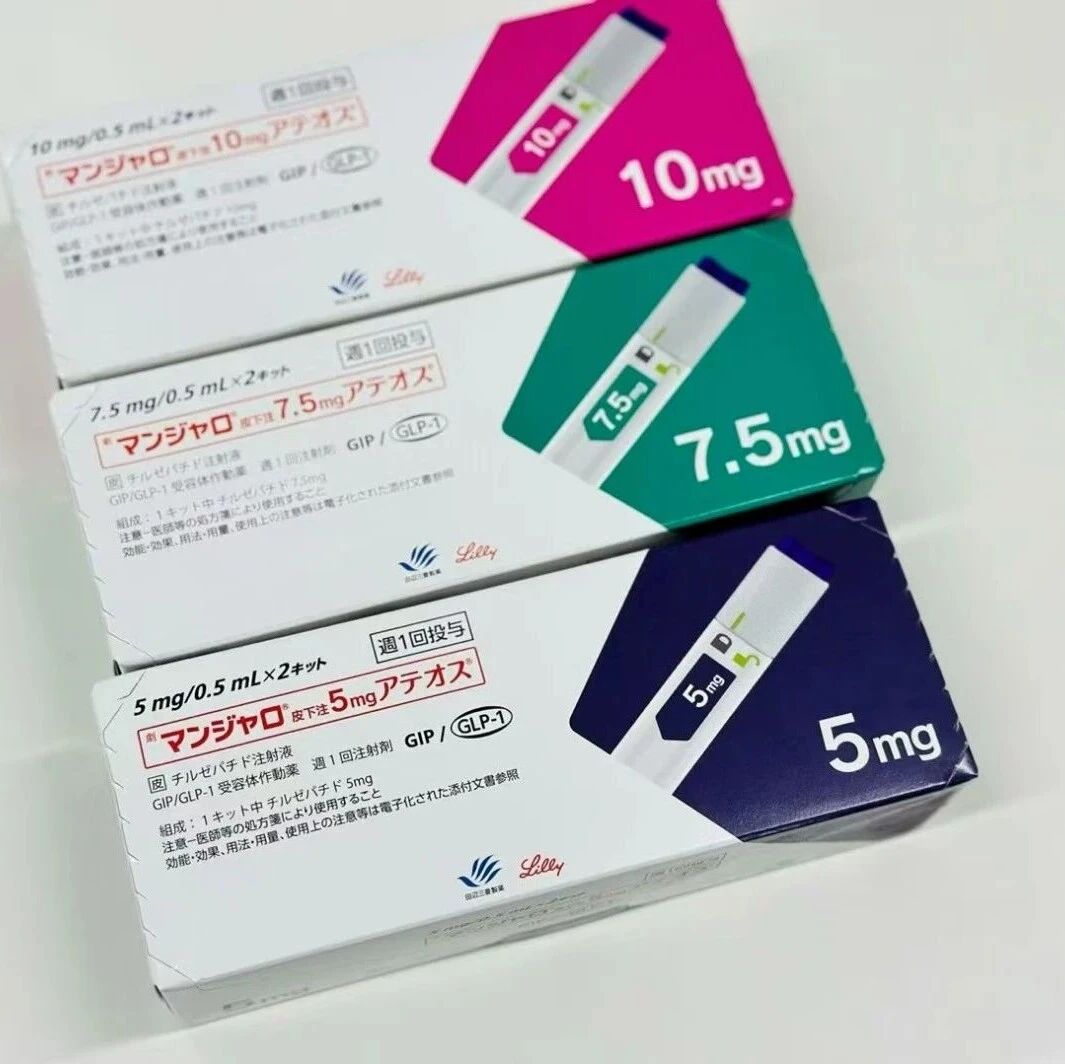
司美格鲁肽7.2mg制剂亮相!平均减重18.7%,最新临床研究结果公布
GLP1减重宝典· 2025-11-06 08:17
Core Viewpoint - The STEP UP study demonstrates that the 7.2mg dose of semaglutide significantly improves weight loss and metabolic health in obese patients compared to lower doses and placebo, providing a new treatment option for those who did not achieve desired results with lower doses [5][12]. STEP UP Study Overview - The STEP UP study is a phase 3b, randomized, double-blind, placebo-controlled clinical trial involving 1,407 obese adults (BMI ≥ 30 kg/m²) without diabetes, assessing the efficacy and safety of different doses of semaglutide [6]. - Participants were randomly assigned to three groups: 7.2mg semaglutide (1,005 participants), 2.4mg semaglutide (201 participants), and placebo (201 participants), with a treatment duration of 72 weeks followed by a 9-week follow-up [6]. Primary and Secondary Endpoints - The primary endpoint was the percentage change in body weight from baseline to week 72 comparing 7.2mg semaglutide to placebo, along with the proportion of participants achieving a weight loss of ≥5% [7]. - Secondary endpoints included comparisons of weight percentage changes, waist circumference changes, and proportions of participants achieving weight loss of ≥10%, 15%, 20%, and 25% between the 7.2mg and 2.4mg groups [7]. Results: Significant Weight Loss and Waist Circumference Reduction - The 7.2mg semaglutide group achieved an average weight loss of 18.7%, compared to 3.9% in the placebo group, with an estimated treatment difference (ETD) of -14.8% (p<0.0001) [8]. - Compared to the 2.4mg group, the 7.2mg group also showed greater weight loss (18.7% vs. 15.6%, ETD -3.1%, p<0.0001) [8]. - The proportion of participants losing ≥5% of body weight was significantly higher in the 7.2mg group (90.7%) compared to the placebo group (36.8%) [10]. Weight Loss Proportions - Weight loss ≥10%: 7.2mg group 82.4%, 2.4mg group 75.1%, placebo group 20.5% [10] - Weight loss ≥15%: 7.2mg group 66.5%, 2.4mg group 54.5%, placebo group 7.6% [10] - Weight loss ≥20%: 7.2mg group 47.7%, 2.4mg group 33.3%, placebo group 2.9% [10] - Weight loss ≥25%: 7.2mg group 31.2%, 2.4mg group 15.3%, placebo group 0% [10] Significant Improvement in Metabolic Indicators - The 7.2mg group showed significant improvements in waist circumference, blood pressure, blood lipids, HbA1c, and fasting blood glucose [11]. - Average waist circumference reduction was 17.5cm in the 7.2mg group compared to 5.9cm in the placebo group (ETD -11.7cm, p<0.0001) [11]. - HbA1c decreased by 0.32 percentage points in the 7.2mg group versus 0.02 in the placebo group, and fasting blood glucose decreased by 0.63mmol/L compared to 0.12mmol/L in the placebo group [11]. Conclusion - The STEP UP study results indicate that the 7.2mg semaglutide formulation shows significantly better efficacy and good safety in obesity treatment, offering new options for patients who did not meet treatment goals with lower doses [12].
玛仕度肽DREAMS-3里程碑研究数据读出发布会举行
Zheng Quan Ri Bao Wang· 2025-11-01 03:39
Core Insights - The core focus of the articles is the announcement by Innovent Biologics regarding the successful completion of the primary endpoint in the Phase III clinical trial DREAMS-3 for its dual-target agonist mazdutide, which targets both GCG and GLP-1 pathways [1][2] Company Summary - Innovent Biologics has developed mazdutide, a dual-target agonist that combines the glucose-lowering and weight-reducing effects of GLP-1 with the energy expenditure benefits of GCG [1] - The DREAMS-3 trial is the first head-to-head Phase III clinical study comparing a GCG/GLP-1 dual-target agonist with the international heavyweight semaglutide in diabetes treatment [1] - The company has completed seven Phase III clinical studies for mazdutide, with several ongoing, including studies focused on obesity and related metabolic conditions [2] Industry Summary - The number of diabetes patients in China has exceeded 140 million and is expected to rise to 174 million by 2045, with an increasing proportion of obesity [2] - Poor blood sugar control can lead to severe complications, making effective weight management alongside glucose control a pressing clinical challenge [2] - There is a significant demand for more effective, safer, and convenient innovative therapies for obesity and its comorbidities in the Chinese market [2]
博士生以第一作者身份发表Nature:减肥不靠节食!交感神经肽Y启动脂肪燃烧,助力逆转肥胖
GLP1减重宝典· 2025-10-22 12:42
Core Insights - Obesity is a prevalent health issue, and understanding its biological mechanisms is crucial for developing effective treatment methods, moving beyond the traditional approach of simply "eating less" [6][8] - Current mainstream weight loss methods primarily focus on appetite suppression, which often leads to a compensatory decrease in energy expenditure, resulting in weight regain [7][8] - A recent study published in *Nature* by the University of Oxford highlights the role of peripheral neuropeptide Y (NPY) released by sympathetic nerves in maintaining thermogenic fat function, converting energy into heat rather than storing it as fat [7][12] Energy Expenditure vs. Appetite Suppression - The study suggests that mechanisms of energy expenditure may be more important for weight management than merely suppressing appetite [8][16] - Future obesity treatments may focus on precisely regulating energy expenditure pathways, such as activating sympathetic neurons that promote fat burning without restricting food intake [8][16] Role of Neuropeptide Y (NPY) - NPY released by sympathetic nerves promotes the proliferation of specific progenitor cells that develop into fat-burning rather than fat-storing cells [11][12] - The research indicates that the absence of sympathetic NPY leads to a decrease in thermogenic capacity and increased obesity risk, even without increased food intake [12][14] Implications for Obesity Treatment - The findings emphasize that not all obesity is due to overeating, and activating sympathetic neurons to enhance fat burning could provide a new breakthrough in obesity treatment without the need for strict dieting [16]

博士生以第一作者身份发表Nature:减肥不靠节食!交感神经肽Y启动脂肪燃烧,助力逆转肥胖
GLP1减重宝典· 2025-10-12 11:42
Core Insights - Obesity is a prevalent health issue, and understanding its biological mechanisms is crucial for developing more effective treatment methods, moving beyond the traditional approach of simply "eating less" [6][8] - Current mainstream weight loss methods primarily focus on appetite suppression, which often leads to a compensatory decrease in energy expenditure, resulting in weight regain [7][8] - A recent study published in *Nature* by the University of Oxford highlights the role of peripheral neuropeptide Y (NPY) released by sympathetic nerves in maintaining thermogenic fat function, converting energy into heat rather than storing it as fat [7][12] Group 1: Research Findings - The study indicates that peripheral NPY has a different impact on body weight compared to central NPY, suggesting that energy expenditure mechanisms may be more important for weight management than appetite suppression alone [8][14] - The research demonstrates that sympathetic nerve-released NPY promotes the proliferation of specific progenitor cells that develop into fat-burning rather than fat-storing cells [11][12] - The findings reveal that a lack of sympathetic NPY leads to a decrease in thermogenic capacity and energy expenditure, increasing the risk of obesity even without increased food intake [12][14] Group 2: Implications for Obesity Treatment - The study emphasizes the critical role of energy expenditure in weight management, indicating that not all obesity is due to overeating [16] - Future obesity treatments may focus on activating sympathetic neurons that promote fat burning, potentially allowing for weight loss without strict dietary restrictions [8][16] - The research suggests that as obesity progresses, the sympathetic nerves producing NPY may degenerate, which could apply to various types of obesity [14]

告别“三高”负担!司美格鲁肽降压降脂获益的突破性研究
GLP1减重宝典· 2025-10-06 09:55
Core Viewpoint - The analysis of five randomized controlled trials from the STEP program indicates that adults treated with semaglutide for obesity are more likely to reduce or stop the use of antihypertensive and lipid-lowering medications compared to those receiving a placebo [4][6][9]. Group 1: Study Findings - Semaglutide, a GLP-1 receptor agonist, is associated with significant weight loss and improvements in various metabolic parameters, leading to a reduction in the need for antihypertensive and lipid-lowering medications [6][12]. - Participants receiving 2.4 mg of semaglutide showed a higher proportion of reduced or stopped antihypertensive or lipid-lowering treatment compared to the placebo group at the end of the treatment [9][10]. - In the analysis, semaglutide-treated participants experienced a greater weight reduction, which correlated with decreased medication needs for hypertension and dyslipidemia [10][12]. Group 2: Specific Data on Antihypertensive and Lipid-Lowering Medications - Among obese adults without diabetes, 17.7% in the semaglutide group stopped antihypertensive medications at 68 weeks, compared to 9% in the placebo group [14]. - In the same group, 16.5% of semaglutide users reduced their antihypertensive treatment intensity, while only 4.8% in the placebo group did so [14]. - For obese adults with type 2 diabetes, 9.8% in the semaglutide group stopped antihypertensive medications, compared to 7.3% in the placebo group [16]. Group 3: Lipid-Lowering Medication Insights - In obese adults without diabetes, 10.1% in the semaglutide group stopped lipid-lowering treatment at 68 weeks, while 4.5% in the placebo group did the same [17]. - The proportion of participants reducing lipid-lowering treatment intensity was similar between groups, with 4% in the semaglutide group and 3.9% in the placebo group [17]. - In the group of obese adults with type 2 diabetes, 10.1% in the semaglutide group stopped lipid-lowering treatment, compared to 5.4% in the placebo group [17]. Group 4: Blood Pressure Relief - Among obese adults without diabetes, 13.7% of those treated with semaglutide achieved hypertension relief at 68 weeks, compared to 6.2% in the placebo group [19]. - In the analysis of obese adults with type 2 diabetes, 5.7% of semaglutide-treated individuals experienced hypertension relief, while 3.4% in the placebo group did [19]. - The findings suggest that significant weight loss can lead to reduced or discontinued use of antihypertensive medications due to improved blood pressure control [19].
美国心脏病学会重磅发布:这两款药物成减肥"黄金标准"!
GLP1减重宝典· 2025-10-05 10:57
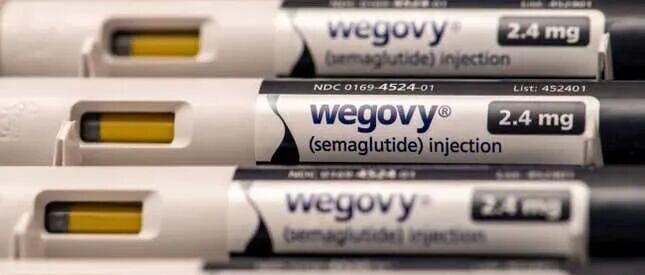
Core Viewpoint - The American College of Cardiology (ACC) has officially recognized semaglutide and tirzepatide as preferred medications for obesity treatment, marking a significant shift in obesity management strategies [4][7]. Group 1: Breakthrough Therapies - Innovative drugs like semaglutide and tirzepatide not only significantly reduce weight but also provide additional cardiovascular protection for high-risk patients, effectively lowering the risks of cardiovascular death, heart attacks, and strokes [10]. - These medications represent the most effective weight loss solutions currently available, particularly for patients with type 2 diabetes or existing cardiovascular diseases [10]. Group 2: Obesity as a Health Threat - Obesity is highlighted as a critical health risk, contributing to metabolic disorders, respiratory issues, and various heart diseases, and is recognized as an independent risk factor for cardiovascular diseases [11]. - The consensus emphasizes that obesity is not merely an aesthetic issue but a serious health concern that requires urgent attention [11]. Group 3: Weight Loss Thresholds - Research indicates that different degrees of weight loss yield varying cardiovascular benefits: a 10%-15% weight loss can reduce general cardiovascular risks, while heart failure patients may need to lose over 15% for significant improvements [12]. - The treatment options include lifestyle interventions, weight loss surgery, and pharmacotherapy, with the latter being increasingly favored due to its effectiveness and safety [12][13]. Group 4: NuSH Therapy Advantages - NuSH therapy, which includes semaglutide and tirzepatide, is praised for its unique advantages, including targeting appetite regulation and allowing for personalized dosage adjustments to achieve optimal results [19]. - The therapy is seen as a pivotal advancement in obesity treatment, ushering in an era of precision medicine [13]. Group 5: Comparison of Weight Loss Medications - Semaglutide (weekly) leads to an average weight loss of 14.9%, while tirzepatide (weekly) shows the highest efficacy with an average weight loss of 20.9% [18][20]. - Other medications like liraglutide (daily) result in an average weight loss of 8% [18]. Group 6: Long-term Treatment and Challenges - Long-term treatment is crucial, as discontinuation can lead to weight regain; thus, a combination of medication and lifestyle changes is essential for maintaining weight loss [21]. - Current challenges include limited availability and high costs of semaglutide and tirzepatide, which may hinder accessibility for patients [22]. Group 7: Cardiovascular Benefits Beyond Weight Loss - The benefits of NuSH therapy extend beyond weight reduction, with semaglutide reducing the risk of heart attacks and strokes in non-diabetic obese patients, and improving exercise capacity in heart failure patients [23]. - Treatment goals should be individualized, focusing on weight loss of at least 5% to improve metabolic health and 10% for cardiovascular benefits [23].
礼来(LLY.US)停止肌肉保护药物糖尿病研究,Zepbound组合计划受影响
智通财经网· 2025-09-25 12:06
Group 1 - Eli Lilly has halted an experimental drug study aimed at preventing muscle loss in obese patients due to strategic business considerations [1] - The trial was terminated on June 10, less than a month after its initiation, while a similar study for non-diabetic obese patients remains active [1] - The experimental injection was central to Eli Lilly's strategy for addressing muscle loss in patients undergoing rapid weight loss [1] Group 2 - The terminated trial was intended to follow 180 patients with type 2 diabetes who are obese or overweight for approximately 13 months, focusing on weight loss and fat reduction [1] - Eli Lilly had previously committed around $2 billion to acquire Versanis Bio to obtain bimagrumab, which was to be used in conjunction with its blockbuster drug Zepbound [1] - In a June study, Eli Lilly indicated that bimagrumab could help patients maintain muscle mass while using Novo Nordisk's weight loss drug Wegovy [2] Group 3 - Bimagrumab works by blocking a receptor that typically regulates muscle growth, and it was previously tested by Novartis in a small study involving diabetic patients [2] - In Novartis' early research, one out of 37 patients treated with bimagrumab developed pancreatitis and was hospitalized, raising concerns about the risk of pancreatitis in diabetic patients [2]