
英雄精神

Search documents
传承好这股英雄气(金台点兵)
Ren Min Ri Bao· 2025-09-27 22:01
Core Points - The return of 30 Chinese People's Volunteer Army martyrs' remains from Korea is a significant event, symbolizing national pride and respect for heroes [1][2] - The event is marked by a strong sense of patriotism and collective mourning, with public displays of respect and remembrance across the country [2][3] - The commemoration of martyrs is part of a broader national effort to honor heroes and instill a sense of duty and sacrifice in the populace [4] Summary by Sections - **Return of Martyrs**: The remains of 30 martyrs were escorted back to China by four J-20 fighter jets, highlighting the nation's respect for its heroes [1] - **Public Sentiment**: The return was met with widespread public displays of respect, including illuminated cityscapes and commemorative slogans, reflecting a collective national mourning [2] - **Historical Context**: The article references the sacrifices of approximately 20 million martyrs throughout modern history, emphasizing the importance of remembering these sacrifices for national identity [3] - **Cultural Significance**: The establishment of Martyrs' Memorial Day and the implementation of laws to protect the legacy of heroes indicate a societal shift towards valuing heroism and sacrifice [4] - **Contemporary Heroes**: The narrative extends to modern-day heroes, showcasing various groups and individuals contributing to national defense and technological advancements, reinforcing the idea that heroism exists in everyday life [4]
纪念母亲
Ren Min Ri Bao· 2025-09-23 22:33
开会地点在今河南濮阳,时间是1945年,各地选出了部队战斗英雄36人,劳动英雄62人,会后举行了英 雄骑马盛大游行,绕濮阳城巡游一周,群众夹道欢迎,高跷队、秧歌队伴着锣鼓声助兴。这些母亲没 说。英雄们跨上高头大马,边区党政军领导为英雄们执缰牵马——母亲也没说。只提到纺车、犁和镰 刀。群英大会回来后,八路军动员母亲参加队伍,但母亲最终没走了。随着胜利的到来、哥哥姐姐们出 生,到1957年举家迁往北京,再到1959年我的出生,母亲逐渐习惯了和平的生活,她在我们面前很少提 及那场战争,说的最多是那架纺车。 今年一个朋友让我为加拿大一个华人活动写点什么。我对加拿大不熟,从未踏足过加拿大,提到加拿大 第一个想到的是白求恩。一查才发现河间竟有白求恩手术室旧址,就在卧佛堂镇,许多东西联系起来, 历史变得完整。纪念馆坐北朝南,院西为一水塘,白求恩治疗伤员时,乡亲们曾在此洗绷带。门前是宽 敞的停车场,院内有手术室、医疗室、消毒室及展厅、职工宿舍等建筑。北面为手术室,即真武庙,砖 木结构,硬山顶,前出厦,透花正脊,银锭垂脊,顶覆灰色筒瓦,檐下垂兽面瓦当,处处古色古香。 白求恩在我老家建有战地手术室,对此我过去一直不知。最近偶然才 ...
辽宁:黑土地上英雄多
Ren Min Wang· 2025-09-11 02:02
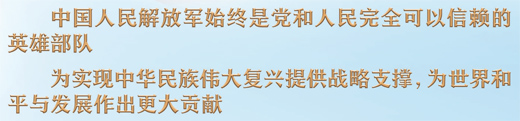
公路上,来自铁岭开原的大货车司机高宠先"故意别车"后主动让道,为后方准备超车的小车避免了一场事故。 餐厅中,11岁的沈阳小学生胡紫涵用海姆立克急救法,在30秒内帮助不慎卡喉窒息的邻桌顾客转危为安。 深夜里,葫芦岛市建昌县四位民辅警驾车巡逻时,发现失控车辆正逼近在路边聊天的少年,迅疾将警车一横,救下5条 人命。 市民在沈阳"九·一八"历史博物馆参观"正义审判——新中国审判日本战犯史实特展"。人民网记者 邱宇哲摄 进入8月,沈阳"九·一八"历史博物馆迎来参观高峰。来自本溪的许玲一家人走出展馆时,眼圈都是红的,"其实在国歌 墙前跟大家一起唱国歌的时候,情绪就很激动了!后面看到赵一曼烈士留给儿子的家书,我实在是忍不住流泪了。""今天 的幸福生活是博物馆里像杨靖宇、赵一曼那样的英雄用血肉之躯换来的。"在博物馆残历碑广场前拍照留念后,许玲15岁的 儿子郑重地说。 讲好英雄故事,传承红色基因,辽宁的各类革命纪念馆、烈士陵园等纪念场所不仅是历史的见证,更是铭记英雄、鼓 舞后人的重要场所。 2022年8月16日,习近平总书记在锦州市考察辽沈战役纪念馆时指出,要讲好党的故事、革命的故事、英雄的故事,把 红色基因传承下去,确保红色 ...


以英雄之名守护万里山河
Ren Min Ri Bao Hai Wai Ban· 2025-09-04 00:12
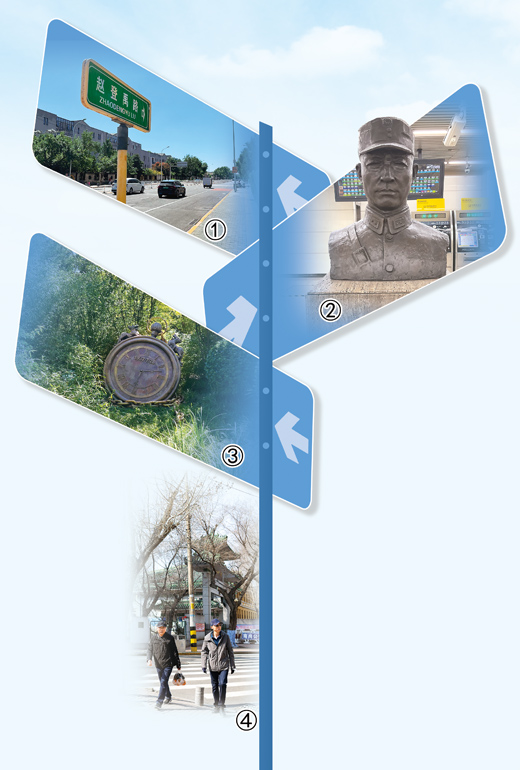
Core Points - The article highlights the significance of streets named after national heroes in various cities across China, emphasizing their role in preserving historical memory and inspiring current generations [2][9][10] - It discusses specific streets such as Zhang Zizhong Road, Tong Lin Ge Road, and Zhao Dengyu Road, detailing the heroic deeds of the individuals they commemorate and their impact on the local culture [4][6][9] Summary by Sections Zhang Zizhong Road - Zhang Zizhong Road in Beijing is named after General Zhang Zizhong, who was a prominent figure in the Second Sino-Japanese War and is remembered for his unwavering commitment to the nation [4][5] - The road, originally known as "Iron Lion Alley," has undergone several renovations and is now a bustling area that reflects both historical significance and modern urban life [4][5] Tong Lin Ge Road - Tong Lin Ge Road is named after General Tong Lin Ge, the first high-ranking officer to sacrifice his life during the full-scale war against Japan, symbolizing resistance and bravery [6][7] - A bronze sculpture of a pocket watch at the road's entrance memorializes the exact time of his death, serving as a poignant reminder of his legacy [7][8] Zhao Dengyu Road - Zhao Dengyu Road commemorates General Zhao Dengyu, known for his leadership during the Battle of Shikou and his ultimate sacrifice in 1937 [9][10] - The road features relief sculptures that depict key moments of his life, reinforcing the narrative of heroism and national pride [9] Broader Context - The article notes that streets named after heroes are not limited to Beijing but are found throughout China, creating a "red map" that connects various regions through shared historical narratives [9][10] - These streets serve as cultural landmarks that foster a sense of identity and continuity, reminding citizens of the sacrifices made for the nation's peace and prosperity [10]
时代的新兵
Ren Min Ri Bao· 2025-09-03 23:32
Core Points - The military parade showcased various branches of the armed forces, including the Navy, Air Force, Rocket Force, and support units, emphasizing national pride and military readiness [2][4][6][11]. - Participants expressed their dedication and commitment to their roles, highlighting the significance of their service and the historical context of their duties [9][10][12][13]. Group 1: Military Units and Their Roles - The parade featured the Navy, Air Force, Rocket Force, and information support units, demonstrating the comprehensive capabilities of the military [2][4][6]. - The honor of participating in the parade was a dream come true for many soldiers, reflecting their commitment to national defense and pride in their service [9][10]. Group 2: Personal Reflections and Historical Significance - Soldiers like Zhao Zhao and Xu Chenghai articulated their emotional connection to their roles, emphasizing the historical sacrifices made by predecessors and the importance of their current missions [9][10][12]. - The presence of new military equipment during the parade symbolized the ongoing modernization and strengthening of the armed forces, with soldiers expressing a sense of duty to uphold the legacy of heroism [12][13].
烽火信笺——永不磨灭的信仰
Zhong Yang Ji Wei Guo Jia Jian Wei Wang Zhan· 2025-09-02 09:52
Group 1 - The core message emphasizes the enduring spirit of heroes and their sacrifices for the nation, highlighting the importance of remembering and honoring their legacy [12] - The letters and messages from the past serve as a reminder of the struggles faced during wartime and the resilience of the nation [12] - The emotional connection between mothers and their children is portrayed, with a focus on the sacrifices made for the greater good [2][3] Group 2 - The historical context of the Northeast Anti-Japanese United Army is referenced, showcasing their innovative methods of communication during warfare [5] - The passage of time is acknowledged, with a reflection on how the spirit of heroes remains relevant and inspiring for future generations [12] - The letters symbolize a continuous thread of national identity and collective memory, reinforcing the idea that heroes never truly fade away [12]
时政镜距离丨英雄之路——承载历史,通向复兴
Xin Hua She· 2025-09-02 06:50
Group 1 - The core message emphasizes the importance of heroes and pioneers for a hopeful nation and a promising future [2] - The narrative highlights the integration of heroic stories into the daily life of the city, suggesting that remembering these ideals keeps them alive [9] - The text illustrates the connection between history and the future of national rejuvenation, portraying a deep respect for the contributions of heroes [11] Group 2 - The imagery of vibrant parks and bustling streets reflects the lively spirit of the community, symbolizing the presence of heroes in everyday life [4][5] - The metaphor of roads named after heroes signifies their enduring legacy and the spiritual strength they provide to the nation [2][11] - The description of the environment, such as the aroma of roasted corn and the morning light, creates a vivid picture of the cultural landscape shaped by these heroic figures [4][11]

大地铭记·天地英雄气
Ren Min Ri Bao· 2025-08-29 22:01
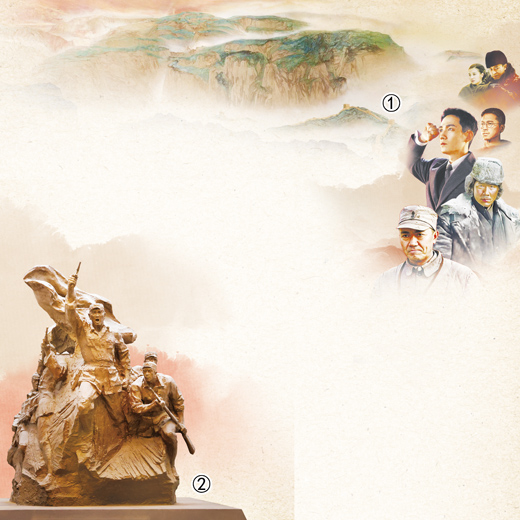
Group 1 - The article emphasizes the importance of heroism and the spirit of resistance during the Anti-Japanese War, highlighting various heroic figures from popular dramas that resonate with the audience [4][5][6][7]. - It discusses the portrayal of both frontline soldiers and grassroots workers, illustrating that heroism is not limited to battlefield actions but also includes the efforts of those supporting the war from behind the scenes [8][9][10]. - The narrative reflects on the enduring legacy of these heroes, suggesting that their spirit continues to inspire contemporary society and should be integrated into daily life [11][12][13]. Group 2 - The article mentions specific dramas like "Our Rivers and Mountains" and "Return to the Team," which focus on the struggles and growth of characters in extreme situations, emphasizing that true heroes are shaped through difficult choices [14][15]. - It highlights the significance of grassroots efforts in the war, showcasing characters like Zhuang Qifeng, who worked to improve the lives of ordinary people while contributing to the war effort [10][11]. - The piece concludes with a call to action for the audience to embody the heroism depicted in these stories in their own lives, reinforcing the idea that the spirit of heroism is relevant in modern times [17][18].
擎起英雄的旗帜
Ren Min Ri Bao· 2025-08-24 22:21
Core Viewpoint - The articles highlight the significance of heroism and the spirit of resistance during the Anti-Japanese War, emphasizing the legacy of various heroic figures and units in the Chinese military history, particularly in the context of the upcoming grand military parade on September 3rd [1]. Group 1: Heroic Legacy - The article mentions notable figures such as Yang Jingyu, Zhao Shangzhi, and the "Wolf Tooth Mountain Five Heroes," representing countless soldiers who fought bravely during the war [1]. - The stories of the "Liu Laozhuang Company" and "Wolf Tooth Mountain Five Heroes" are shared, illustrating their sacrifices and the enduring spirit of loyalty and courage passed down through generations [2][5]. Group 2: Military Training and Preparation - Soldiers from the "Liu Laozhuang Company" express their commitment to honor their predecessors by training rigorously and embodying the spirit of "life unceasing, battle unending" [2]. - The "Wolf Tooth Mountain Five Heroes" unit has maintained its honor and legacy through consistent recognition and training excellence, completing significant military tasks and exercises [5][8]. Group 3: Personal Reflections and Aspirations - Soldiers reflect on their motivations for joining the military, often inspired by historical events and the heroism of their predecessors [4][7]. - The commitment to uphold the honor of their units and the desire to represent their legacy during the parade is a common theme among the soldiers [6][9].
走在前 勇争先
Jing Ji Ri Bao· 2025-08-18 00:05
Group 1 - The article highlights the historical significance of Jiangsu during the Anti-Japanese War, emphasizing the sacrifices made by soldiers and civilians in the region [1] - Jiangsu's economy has shown remarkable growth, with five cities (Nanjing, Suzhou, Wuxi, Nantong, and Changzhou) projected to exceed a GDP of 1 trillion yuan in 2024 [2] - The province has a strong presence in national rankings, holding 24 seats in the top 100 comprehensive strength counties and 22 seats in the top 100 districts [2] Group 2 - Jiangsu is actively integrating into national development initiatives, leveraging the Yangtze River Delta integration and the Belt and Road Initiative to enhance its economic landscape [2] - The region has established a unique financial system during the war, issuing over 120 types of anti-Japanese currency, which laid the groundwork for its economic resilience [1] - The spirit of the heroes from the war continues to inspire the people of Jiangsu, driving them towards prosperity and development in the modern era [2]