餐饮工业化

Search documents
餐饮大佬点评预制菜:用什么代价交换什么产品,心里要有杆秤
Di Yi Cai Jing· 2025-09-13 09:55
Core Viewpoint - The ongoing debate surrounding pre-prepared meals has sparked significant public interest and anxiety, particularly following criticism from prominent figures in the industry [1] Legal and Industry Necessity of Pre-prepared Meals - Pre-prepared meals are fully legal in China, supported by multiple food safety standards that ensure their production processes and safety [2] - While pre-prepared meals are a cost-effective solution for restaurants facing high operational costs, they may not provide the same quality and flavor as freshly made dishes [2] - The widespread adoption of pre-prepared meals is a response to modern economic pressures, meeting 70%-80% of consumer dining needs [2] Efficiency and Flavor Limitations - The primary advantage of pre-prepared meals is their ability to enhance efficiency and reduce costs in the restaurant industry [3] - Pre-prepared meals support the modern delivery system, making affordable meal options accessible to consumers [3] - However, the freezing and reheating processes can compromise the flavor and texture of certain dishes, such as soups and vegetables [3] Centralized Kitchen Model - The "central kitchen pre-processing + store terminal cooking" model exemplifies a successful approach in the restaurant industry, balancing cost reduction and product quality [4] Cultural Perceptions and Trust Issues - There are significant differences in public perception of pre-prepared meals, influenced by cultural attitudes towards food freshness and safety [5] - Misconceptions about frozen foods persist, despite advancements in freezing technology that preserve the quality of ingredients [5] - The success of international chains like KFC and McDonald's demonstrates that centralized processing can ensure food safety and quality while achieving economies of scale [6] Complementary Nature of Pre-prepared Meals - Pre-prepared meals do not negate traditional cooking methods but rather complement them, creating a diverse market that caters to various consumer preferences [6] - Consumers should recognize that different price points correspond to varying product experiences, with lower prices reflecting the efficiencies of industrial production [6] Conclusion on Pre-prepared Meals - Pre-prepared meals represent an "efficiency dividend" from modern food technology, providing convenient and affordable dining options, though they cannot replicate the unique qualities of freshly prepared meals [7]
罗永浩VS西贝之争:预制菜风口下的认知鸿沟与商业困局
Sou Hu Cai Jing· 2025-09-13 09:18
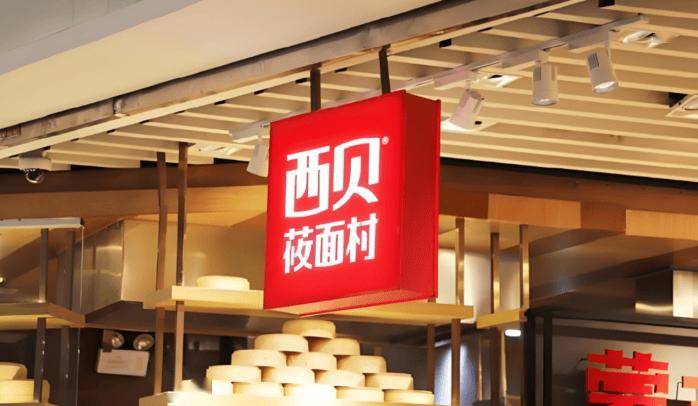
Core Viewpoint - The ongoing dispute between well-known figure Luo Yonghao and the restaurant brand Xibei highlights the challenges of standardization and consumer perception in the industrialization of China's catering industry [2][5]. Group 1: Dispute Overview - Luo Yonghao criticized Xibei for using pre-prepared dishes, calling for transparency regarding the use of such items in restaurants [2][3]. - Xibei's founder, Jia Guolong, responded by stating that the dishes served to Luo's group were not pre-prepared and emphasized the restaurant's commitment to quality and transparency [2][3]. - Xibei announced that all its 370 locations would open their kitchens for customer visits to demonstrate the cooking processes [2][3]. Group 2: Definition and Standards - The definition of pre-prepared dishes is a central issue, with a new regulation set to clarify what constitutes such dishes, excluding certain items like staple foods and those prepared in central kitchens [7][9]. - Consumers generally perceive any dish that is pre-processed and not made from scratch on-site as a "pre-prepared dish," leading to a gap in understanding between consumers and the restaurant industry [9]. Group 3: Market Dynamics and Consumer Sentiment - Xibei has been exploring the pre-prepared dish market since 2019, investing significantly in central kitchen facilities to maintain quality across its numerous locations [10]. - Despite the investment, Xibei faces challenges, including a decline in customer traffic and revenue, attributed to the ongoing public scrutiny and criticism from Luo Yonghao [11][16]. - Consumer resistance to pre-prepared dishes is largely driven by price concerns, with many feeling that the cost does not match the perceived value of such offerings [15][16]. Group 4: Regulatory and Industry Implications - The controversy has prompted discussions about consumer rights, particularly the right to know about the use of pre-prepared dishes in restaurants [12][17]. - The industry is moving towards greater regulation, with national standards for pre-prepared dishes being developed, indicating a shift towards more structured market practices [19].

行业痛点与消费者悖论,预制菜需要的是进化,还是否定?
Sou Hu Cai Jing· 2025-09-12 12:27
Core Viewpoint - The debate surrounding pre-prepared meals highlights the industry's sharp contradictions, emphasizing that the issue lies not in the existence of pre-prepared meals but in the quality standards and transparency in their production [1][3]. Group 1: Nature of the Controversy - The essence of the debate is not whether pre-prepared meals should exist, but how to improve their quality [3]. - The viewpoint of industry leaders suggests that pre-prepared meals can standardize taste, enhance efficiency, and reduce operational costs, which are essential for scaling the restaurant industry [3]. - Consumer concerns focus on the potential over-reliance on additives, significant nutrient loss, and overall quality of these industrial products [3]. Group 2: Industry Pain Points - The primary issue in the pre-prepared meal industry is the lack of quality standards and inadequate supervision [5]. - Many companies compromise on quality by using inferior ingredients and excessive additives to mask defects, leading to a negative perception of pre-prepared meals [6]. - The safety and long-term effects of combined additive usage remain inadequately assessed, causing consumer skepticism about "compliant but unreasonable" practices [6]. - Nutritional quality is often compromised due to repeated heating and prolonged storage, resulting in significant nutrient loss and high levels of oil and salt, contrary to modern health dietary principles [6]. Group 3: Consumer Paradox - Consumers feel their right to know is being violated, as restaurants rarely disclose which dishes are pre-prepared [8]. - This information asymmetry leads to feelings of deception among consumers, fostering resistance towards the entire pre-prepared meal industry [9]. Group 4: Path to Resolution - For the pre-prepared meal industry to develop healthily, three core issues must be addressed: transparency, standardization, and quality enhancement [10]. - Transparency is fundamental; a mandatory labeling system should be established to inform consumers about pre-prepared meals on menus and delivery platforms [10]. - Standardization is crucial; industry quality standards should exceed national benchmarks, imposing stricter regulations on additive usage, nutritional content, and ingredient quality [10]. - Quality enhancement should be the goal, encouraging companies to invest in research and development to reduce reliance on additives and improve the healthiness of pre-prepared meals through innovative processes [10]. Group 5: Conclusion - The debate reflects the inevitable growing pains in China's restaurant industrialization process, where the value of pre-prepared meals should not be entirely dismissed [11]. - The future lies not in reverting to fully made-to-order models but in advancing pre-prepared meals towards greater transparency, healthiness, and quality [11]. - The end goal for the restaurant industry should be an open, transparent, and high-quality food experience, necessitating self-discipline from companies, industry regulations, and consumer oversight [11][12].