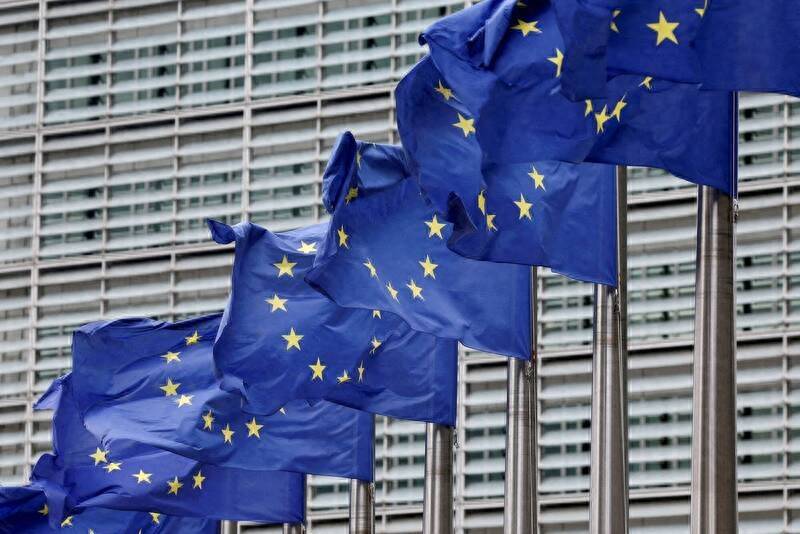
俄乌冲突

Search documents
欧洲要妥协?越来越多的欧洲国家认为,乌克兰必须做出领土让步
Sou Hu Cai Jing· 2025-12-07 05:37
据今日俄罗斯RT引述西班牙《国家报》报道,西班牙媒体透露,越来越多的欧洲国家认为,要结束俄乌冲突,乌克兰可能不得不做出领土让步。虽然这些 欧洲国家还没有公开表达这种观点,但这种想法在欧洲国家之间悄然蔓延。换句话说,在当前的形势下,乌克兰最后的支持者——欧洲,似乎也在逐渐开始 妥协。 在美国立场发生变化后,欧洲成为了乌克兰最后的依靠。在之前的几次谈判中,正是欧洲方面的干预导致了俄乌和平协议的破裂。但根据媒体的爆料,现在 越来越多的欧洲国家逐渐认识到现实,承认为了达成和平协议,乌克兰可能不得不割让一些领土。这意味着乌克兰或许只能被迫接受一份屈辱的和平协议。 这件事再次凸显了当今世界的残酷现实——强者为尊。一旦欧洲开始妥协,乌克兰的选择就几乎没有余地,只能接受以领土交换和平的屈辱协议。 此前,欧洲国家之所以坚决反对俄乌和平协议,部分原因是他们对美俄之间的双边谈判不满,认为自己的利益被忽视。另一部分原因则是他们担心,如果俄 乌停战,俄罗斯可能会把矛头转向欧洲国家。然而,随着美国积极推动俄乌谈判,且明确同意乌克兰为换取和平做出领土让步,欧洲的立场也发生了变化。 毕竟,欧洲长期以来是美国的附庸,根本没有足够的实力与美国对 ...

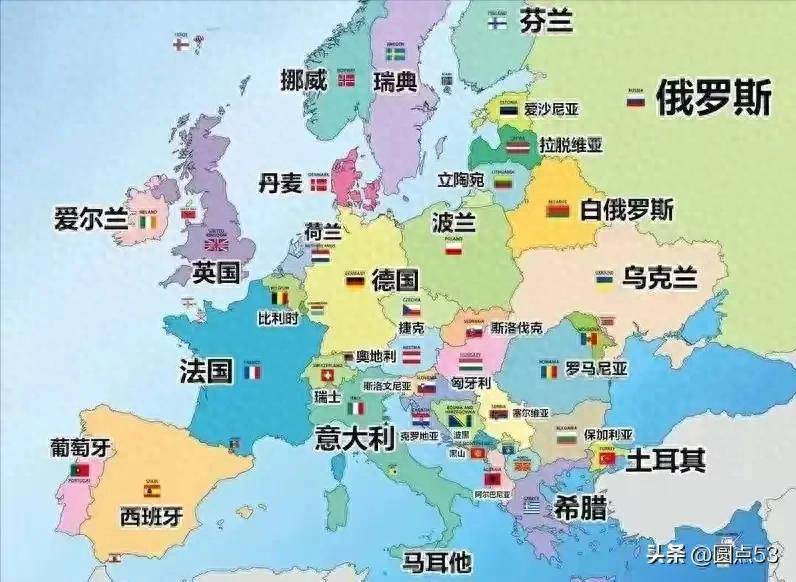
围绕俄乌冲突 欧盟内部博弈日趋激烈
Yang Shi Xin Wen· 2025-12-06 06:01
匈牙利能源供应高度依赖俄罗斯。俄乌冲突爆发后,匈牙利成了欧盟禁止进口俄罗斯能源等措施的"受 害者"。围绕俄乌冲突,未来,匈牙利与欧盟之间的博弈可能日趋激烈。 总台记者卜卫军:12月18日,欧盟将举行峰会,商讨对乌克兰的军援方案。为了能够在峰会上提交反对 军援乌克兰的民意支持,匈牙利正在全国范围组织反战集会,收集反战签名。可以预见的是,无论是能 源问题,还是在是否支持乌克兰继续冲突,以及乌克兰能否加速加入欧盟等问题上,穿梭于美俄之间, 意图在和平解决俄乌冲突这一难题上发挥更大作用的匈牙利与支持乌克兰的欧盟之间的博弈势必将日趋 激烈。 (文章来源:央视新闻) 11月以来,欧尔班先后访问美国和俄罗斯,其目的一方面是为了确保匈牙利的能源安全,另一方面是为 了促成美俄领导人在布达佩斯的和谈。在欧尔班看来,这两个议题最难处理的部分理应是外部的美俄因 素,但事实上,对匈牙利而言,欧盟内部的博弈最为艰难。 在欧盟看来,美俄和平计划将其排除在外,必然引发欧盟的强烈不满。欧盟委员会主席冯德莱恩在欧洲 议会发表演讲时说,任何有关乌克兰的事情,不能没有乌克兰参与;任何有关欧洲的事情,不能没有欧 洲参与。 匈牙利是欧盟少数几个内陆国家 ...
耐心耗尽,普京向欧洲发出最严厉警告,只要开打就是闪电战
Sou Hu Cai Jing· 2025-12-06 05:59
Group 1 - The core message of the article highlights the escalating tensions between Russia and Europe, particularly in the context of military preparedness and diplomatic negotiations regarding Ukraine [1][6][10] - President Putin's remarks indicate a strong stance against European military expansion, which he perceives as a direct threat to Russia's security [3][4][16] - The article suggests that Europe's military actions, including increased defense budgets and arms purchases, are seen as provocative by Russia, potentially leading to a rapid military response if provoked [8][12][14] Group 2 - The article discusses the implications of Europe's involvement in the Ukraine conflict, suggesting that European nations are using Ukraine as leverage to secure U.S. support while failing to take responsibility for their own security [10][14][17] - It notes that the European Union's financial aid to Ukraine, primarily sourced from frozen Russian assets, raises legal concerns and may not be sustainable in the long term [12][16] - The ongoing conflict is portrayed as detrimental to ordinary citizens, with a call for Europe to prioritize genuine negotiations over military posturing to avoid further escalation [17]
欧洲40亿军援砸向乌克兰,俄军为何不再隐忍?敖德萨遭导弹轰炸!
Sou Hu Cai Jing· 2025-12-06 04:34
Group 1 - The core viewpoint of the articles revolves around the ongoing tensions and negotiations between Russia, the United States, and Ukraine regarding the Ukraine conflict, highlighting significant disagreements and the lack of substantial progress in peace talks [1][4][5] - Russia demands Ukraine to undergo comprehensive disarmament, eliminate any long-range weaponry capable of threatening Moscow, and cede 20% of Donetsk region along with five cities, which poses a major obstacle in negotiations [1][4] - The Trump administration's "28-point peace plan" supported Russia's conditions but faced strong resistance from Europe, which insists that territorial concessions from Ukraine cannot be a condition for peace [4][5] Group 2 - Despite Western support for Ukraine, including military and economic aid, the situation on the battlefield remains dire for Ukraine, indicating a potential stalemate in the conflict [5][7] - Russia has stabilized its economy and is prepared for a prolonged conflict, while the U.S. is concerned about being drawn deeper into the war, prompting calls for an end to hostilities [7][8] - European nations, particularly Germany, Poland, and Norway, continue to provide significant military support to Ukraine, including advanced weaponry, despite the lack of full U.S. backing [8][10] Group 3 - The provision of advanced military equipment, such as the Tiger attack helicopters from Australia and various missile systems from European countries, aims to enhance Ukraine's military capabilities against Russian forces [8][10] - Russia has responded to European military aid by targeting Ukrainian infrastructure, particularly in Odesa, indicating a strategic approach to undermine Ukraine's support [10]
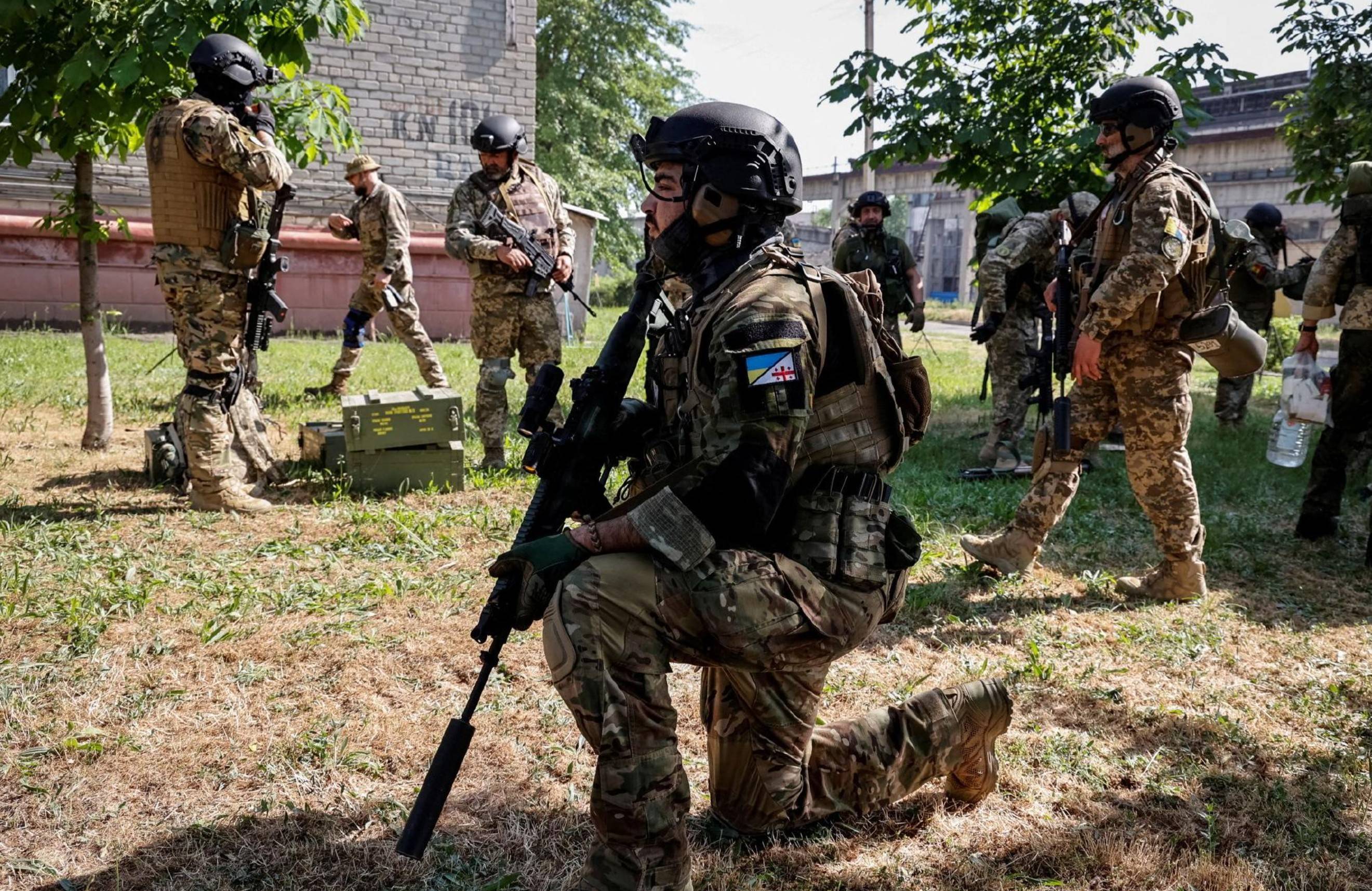
匈牙利总理:对俄资产处置关乎俄乌冲突走向
Yang Shi Xin Wen· 2025-12-06 04:19
Group 1 - Hungarian Prime Minister Orban stated that the next few days are crucial in determining whether the Russia-Ukraine conflict will escalate or come to an end [1][3] - Orban mentioned that German Chancellor Merz and European Commission President von der Leyen will attempt to persuade Belgium to use frozen Russian assets to fund Ukraine, and if successful, Hungary will remain uninvolved [1] - If Belgium refuses, EU leaders must acknowledge the lack of funding to continue the war and should support negotiations between the US and Russia instead [1] Group 2 - Orban indicated that the current indecisive situation may last for three to four days but could also conclude within that timeframe, impacting the potential for war escalation or peace in the coming months [3] - Hungary may file a lawsuit against the EU if the European Commission bypasses Hungary's veto power to impose sanctions on Russian gas and oil purchases [3][5] - Orban criticized the current actions as trade policy decisions rather than sanctions, arguing that trade policy does not require unanimous approval under EU law, thus violating Hungary's veto rights [5]
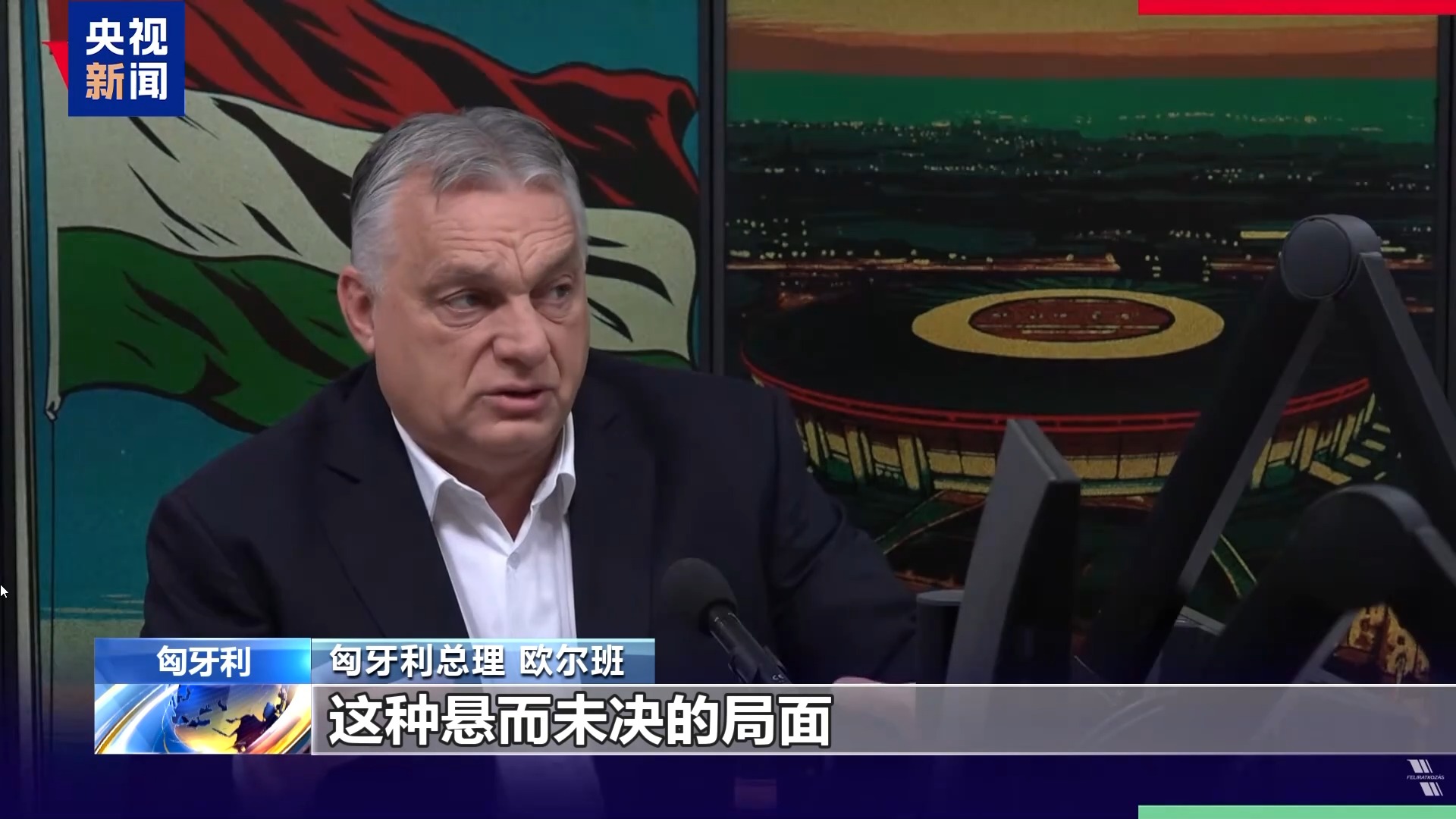
匈牙利总理:未来几天的决定关乎俄乌冲突走向
Yang Shi Xin Wen Ke Hu Duan· 2025-12-05 11:00
责编:张青津、王珊宁 欧尔班表示,德国总理默茨和欧盟委员会主席冯德莱恩将试图说服比利时,将冻结的俄罗斯资产用于资 助乌克兰。如果他们成功说服比利时,匈牙利的任务就是置身事外,匈牙利既不想卷入战争,也不想为 乌克兰提供资金;如果比利时拒绝,那么欧盟领导人就必须承认不应在前线寻求解决方案,而应支持美 俄谈判。因此,未来几天将决定俄乌冲突是否会进一步蔓延,还是战争的火焰将彻底熄灭。 匈牙利总理欧尔班当地时间12月5日表示,未来几天是决定俄乌冲突继续蔓延升级还是即将结束的关键 时期。 此外,欧尔班表示,如果欧盟委员会绕过匈牙利的否决权,对购买俄罗斯天然气和石油实施制裁,匈牙 利将起诉欧盟委员会。尽管诉诸法律并不能让匈牙利摆脱困境,但匈牙利仍将表明欧盟滥用权力,偏离 法治轨道。(总台记者 卜卫军) ...
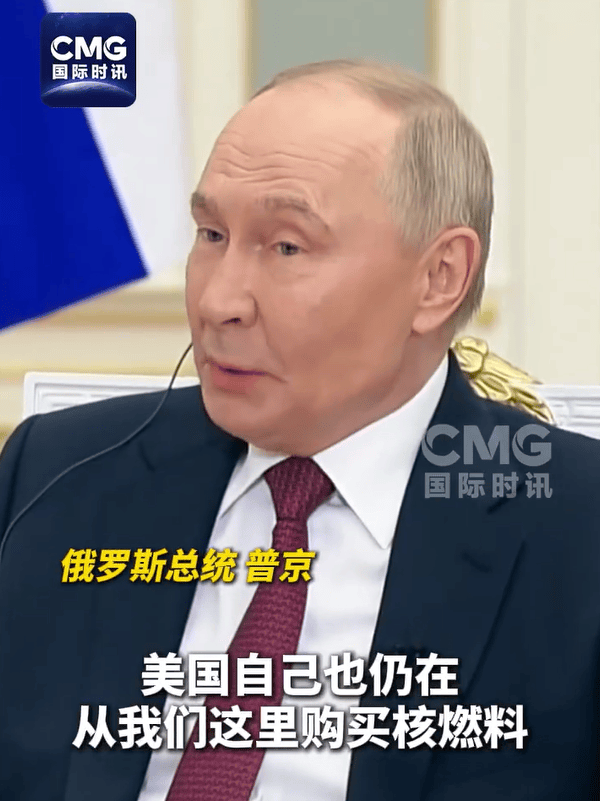
普京:美国还在向俄购买核燃料,印度也应享有同样权利;表态俄不考虑重返G8
Sou Hu Cai Jing· 2025-12-05 08:08
Group 1 - The core focus of President Putin's visit to India is expected to be the oil trade between Russia and India, amidst U.S. pressure on India regarding Russian oil purchases [1] - Putin questioned the U.S. pressure on India to refrain from buying Russian oil, highlighting that the U.S. continues to purchase Russian nuclear fuel for its nuclear power plants, suggesting India should have the same rights [3] - Despite multiple rounds of sanctions imposed by the U.S. and Europe since the onset of the Russia-Ukraine conflict in February 2022, India has emerged as the largest buyer of Russian seaborne oil [3] Group 2 - The U.S. has imposed an additional 25% tariff on Indian products, citing India's direct or indirect imports of Russian oil, leading to a cumulative tariff rate of 50% on Indian goods [3] - India has repeatedly emphasized that the tariffs imposed by the Trump administration are unreasonable and unfair, while the U.S. and EU continue to engage in trade with Russia, importing billions of dollars worth of energy and commodities [4] - Putin expressed no interest in rejoining the G8, stating that he has not participated in G8 summits for some time, and this decision is unrelated to the situation in Ukraine [6] Group 3 - Putin criticized the G7's self-designation, noting that some G7 members have economic weights lower than India when adjusted for purchasing power parity [8] - The G7, formed in the 1970s, originally included the U.S., Canada, the UK, France, Germany, Italy, and Japan, and Russia was included in the G8 until its expulsion in 2014 due to the Ukraine crisis [8]
致命双杀!俄军血战拿下顿巴斯能源心脏!乌克兰尸横遍野陷入绝境
Sou Hu Cai Jing· 2025-12-05 05:46
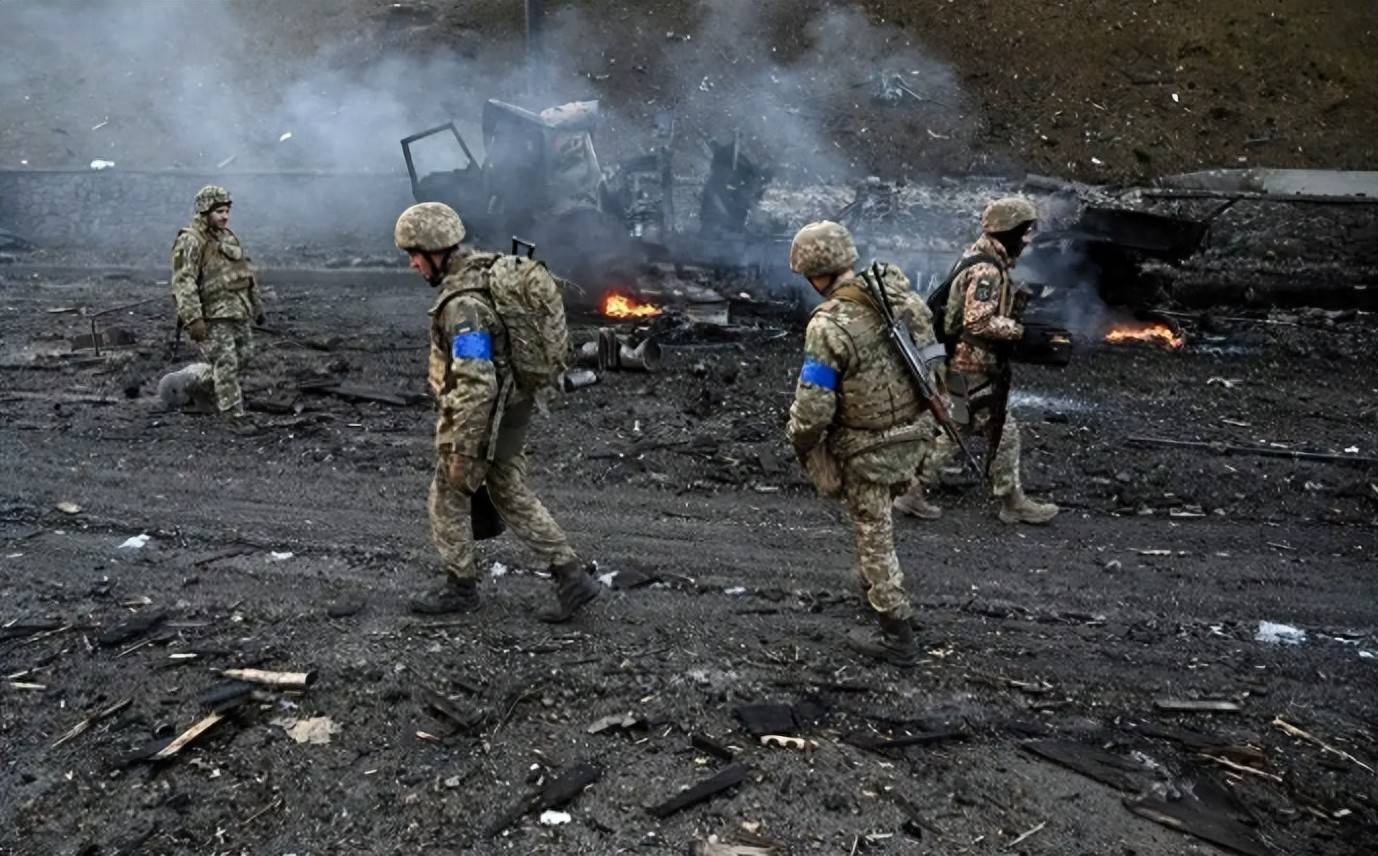
Core Viewpoint - The recent military successes of Russia in capturing the cities of Red Army City and Volchansk have significantly altered the dynamics of the Ukraine conflict, putting pressure on the Ukrainian government and raising questions about President Zelensky's ability to recover from these setbacks [1][4][21]. Group 1: Military Developments - The capture of Red Army City and Volchansk has created a critical breach in the Ukrainian defense, marking a transition from quantitative to qualitative changes in the conflict [4][11]. - The Russian military has demonstrated an unexpected increase in firepower, launching over 1,000 drones and more than 100 missiles in just one week, contradicting earlier predictions of dwindling resources [13]. - The loss of these cities has led to the collapse of Ukraine's northern defense line, severely impacting their logistical capabilities and opening up access for Russian forces to the entire Donbas region [11][21]. Group 2: Political Implications - Internal turmoil within the Ukrainian government, highlighted by corruption scandals and leadership changes, is undermining its legitimacy and effectiveness in the ongoing conflict [16][21]. - The U.S. appears to be distancing itself from Ukraine, suggesting a potential shift in support, while European leaders are expressing aggressive military postures towards Russia, complicating Ukraine's diplomatic situation [19][21]. - Zelensky faces a harsh reality as his negotiating power diminishes, with the ongoing conflict and internal strife threatening the stability of his administration [21][23]. Group 3: Strategic Importance of Captured Cities - Red Army City and Volchansk are strategically significant, serving as key logistical hubs that, once captured, enhance Russian military operations in the region [8][10]. - The simultaneous fall of these cities has shattered previous assumptions about the strength of Ukrainian defenses, leading to a reevaluation of the conflict's trajectory [10][11].
耐心耗尽,普京向欧洲发出最严厉警告:只要开打就是闪电战
Sou Hu Cai Jing· 2025-12-05 05:10
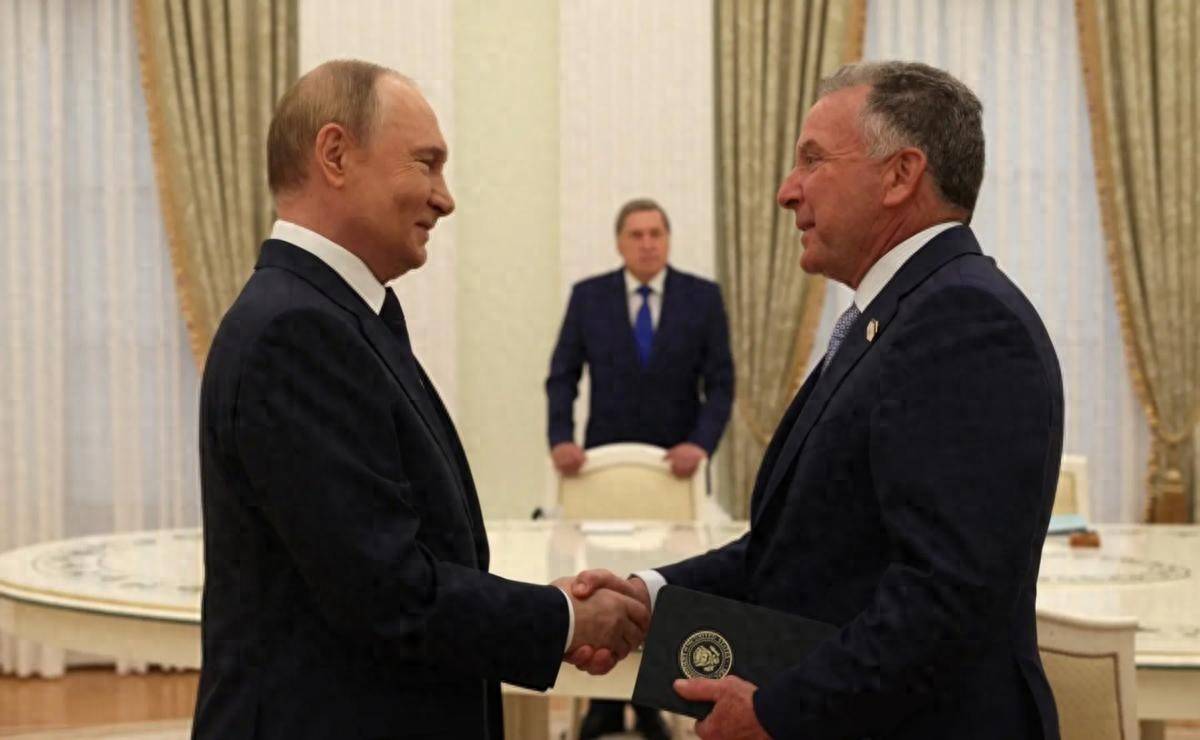
Core Points - The ongoing Russia-Ukraine conflict shows no signs of resolution, with recent talks between Putin and a US envoy yielding disappointing results [1][3] - Putin's strong warnings indicate a readiness for rapid military action if European interference continues, suggesting a shift in the dynamics of the conflict [8][10] - The complexity of the situation involves multiple parties with conflicting interests, making negotiations increasingly difficult [11][15] Group 1: Diplomatic Efforts - The recent high-level talks involved significant figures from both sides but resulted in minimal progress on key issues like territorial claims and security guarantees [3][6] - Despite claims of constructive dialogue, the meeting was more of a preliminary contact rather than a genuine negotiation [3][10] - The frequency of diplomatic visits has not translated into meaningful outcomes, highlighting the challenges in resolving the conflict [6] Group 2: Strategic Implications - Putin's statements reflect a clear strategic intent, emphasizing that continued European interference complicates the potential for a peace agreement [10][22] - The demands from Russia for Ukraine to demilitarize and remain neutral are seen as non-negotiable, creating a significant impasse [11][15] - The evolving role of Europe in the conflict raises concerns about their preparedness and ability to respond effectively to potential escalations [17][21] Group 3: Broader Geopolitical Context - The situation has transformed from a bilateral conflict to a complex multilateral standoff, with each party defending its own interests [11][15] - The US faces a dilemma in balancing its desire for peace with the need to support European and Ukrainian positions, complicating the negotiation landscape [14][15] - The stakes are high for all parties involved, with implications for national security and international credibility [22]
力挺乌克兰,搬石头砸自己的脚?欧盟:2027年底停用俄罗斯天然气
Sou Hu Cai Jing· 2025-12-05 05:10
Group 1 - The European Union (EU) has decided to stop using Russian natural gas by the end of 2027 to cut off funding for Russia's war efforts [1] - The EU plans to simultaneously stop using Russian oil, but some member states, like Hungary, oppose this decision due to concerns over rising energy costs [3] - Since March 2022, the EU has increased sanctions against Russia, but it still relies on Russian energy, leading to criticism from the United States [5] Group 2 - The EU's decision to cut off energy supplies from Russia may negatively impact its manufacturing sector, which has benefited from cheap Russian energy [6] - Despite supporting Ukraine, the EU's energy strategy appears contradictory, as it continues to provide financial support to Ukraine while attempting to weaken Russia's war potential [6] - The proportion of energy purchased from Russia by the EU is already low, and Russia's energy exports remain stable, with countries like India continuing to buy Russian oil [6]