零碳园区

Search documents
限时报名|“2025进博会上海会议活动”之第一财经可持续发展系列论坛即将开启
第一财经· 2025-10-15 10:22
Group 1 - The article emphasizes that sustainable development has become the core logic and inevitable direction for transformation and innovation across various sectors in the context of advancing "dual carbon" goals and the comprehensive implementation of the "Healthy China" strategy [1][4] - During the 2025 China International Import Expo, two thematic forums will focus on sustainable development: one on "Zero Carbon Park China Solution" to explore financial empowerment paths and business model breakthroughs for industrial park green and low-carbon transformation [1][10] - The Zero Carbon Park Forum aims to gather government, enterprises, and academic institutions to discuss implementation paths, innovative technologies, and collaborative mechanisms for zero carbon park construction, sharing advanced experiences and typical cases from both domestic and international contexts [4][16] Group 2 - The "Medical and Health Industry Sustainable Innovation" forum will discuss how the medical health industry can deeply practice sustainable concepts amid technological iterations and industrial upgrades [10][11] - The forum will feature discussions on the challenges and opportunities for multinational corporations (MNCs) in navigating the new landscape, particularly in addressing issues related to the accessibility of innovative drugs and medical devices [11][14] - Both forums aim to create a platform for intellectual exchange and resource linkage among elites from government, industry, academia, and research, facilitating higher quality growth in the relevant fields during the new development stage [16][17]

海康威视助力良信杭州湾超级工厂数智升级
Zheng Quan Ri Bao· 2025-10-15 07:36
Core Insights - Hikvision collaborates with Shanghai Liangxin Electric Co., Ltd. to enhance green manufacturing and support smart manufacturing strategies through the establishment of the Hangzhou Bay Super Factory [2] - The factory integrates smart logistics, AR workshops, intelligent production lines, and a dual-carbon brain to create a comprehensive smart ecosystem, significantly improving operational efficiency, product quality, and environmental friendliness [2] - Liangxin's products serve various industries globally, with peak daily shipment volumes exceeding ten thousand units, necessitating high logistics efficiency [2] Smart Logistics and Safety - The smart platform at Liangxin's factory includes a system that automatically identifies platform occupancy and monitors key information such as vehicle entry/exit times and loading progress, aiding in efficient dispatch and route planning [2] - Fire safety is enhanced through the deployment of Hikvision smoke detectors and thermal imaging cameras, which can quickly cut power to conveyor belts in case of detected anomalies [3] Manufacturing Efficiency - The overall logistics efficiency of the Hangzhou Bay Super Factory has significantly improved due to comprehensive smart logistics upgrades, supporting large-scale production [4] - The production lines operate with high precision and consistency, with AR workshops enhancing on-site management and providing real-time data on equipment status, product quality, and order progress [4] - The application of smart manufacturing has led to a more than 30% increase in product throughput and an 8.9% rise in per capita productivity, supported by Hikvision's IoT and AI technologies [4] Smart Park and Sustainability - The smart park integrates technology into various work and life scenarios, allowing for online visitor registration and real-time tracking of maintenance requests [4] - A green low-carbon dashboard displays real-time data on energy consumption and charging statistics, contributing to a greener and higher-quality development of the factory [5] - Liangxin aims to further enhance operational efficiency and sustainable development through continued collaboration with Hikvision and the application of advanced technologies [6]


“苏”聚零碳力量,共话园区未来——2025零碳园区未来伙伴多边对话即将开启
中国能源报· 2025-10-15 06:33
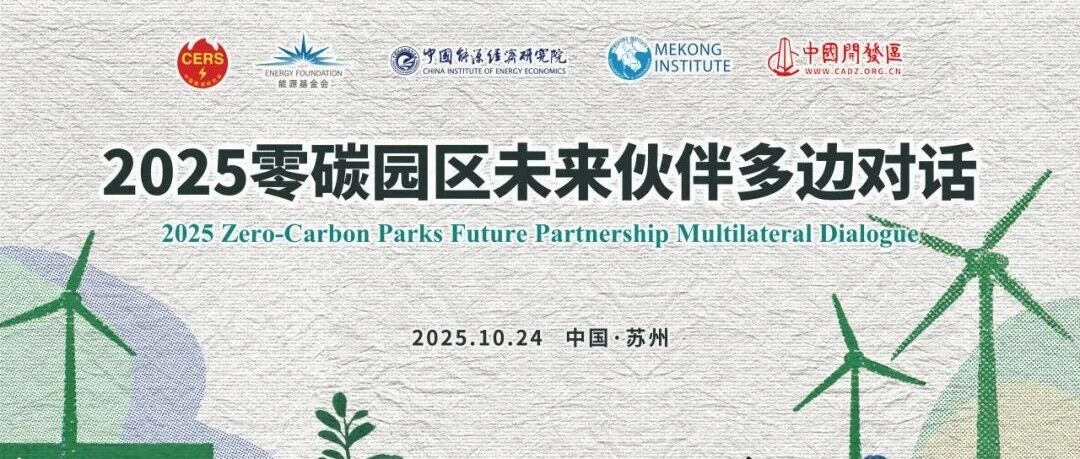
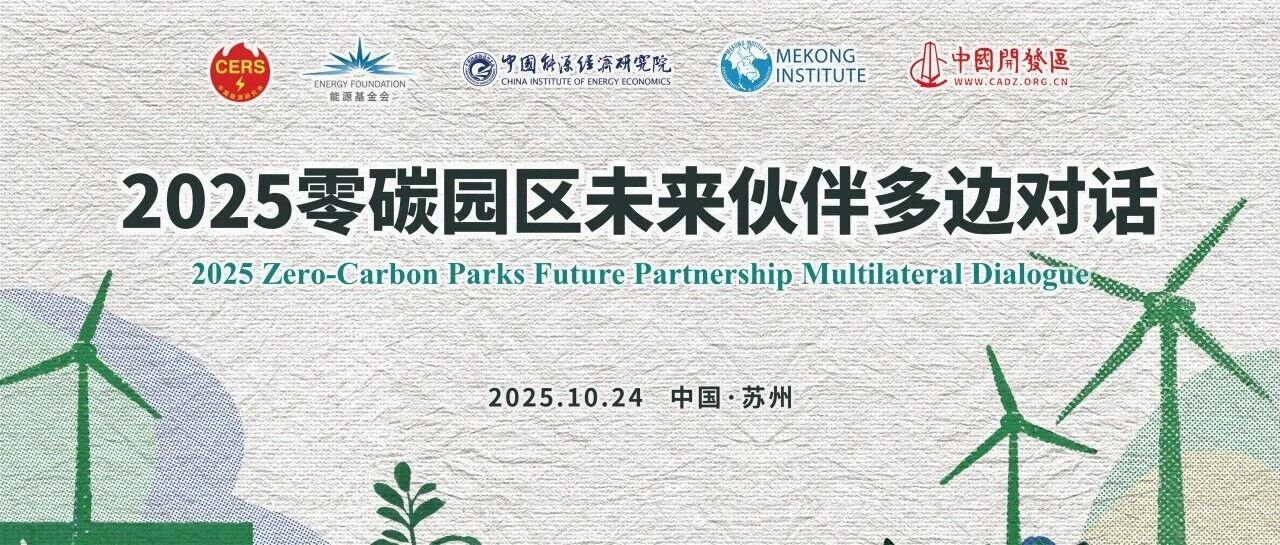
零碳园区建设是 应对全球气候变化、推动中国"双碳"战略 以及助力新一轮产业变革的重要抓手。 从去年底中央经济工作会议 首提"零碳园区"概念 并明确建立一批零碳园区, 到今年6月底 国家发改委等三部委出台的 《关于开展零碳园区建设的通知》, 提出系列政策保障 并正式启动国家级零碳园区建设申报。 在国家顶层规划、 地方省市的积极推动下, 零碳园区正步入发展的快车道。 深入贯彻落实 党和国家碳达峰碳中和战略部署, 推动园区绿色低碳转型, 探索零碳园区建设路径与创新模式, 促进产业与能源结构优化升级, 由中国能源研究会、能源基金会主办, 中国能源经济研究院、中国开发区协会 联合主办 的" 2025零碳园区未来伙伴多边对话 "活动, 拟定于2025年10月24日在苏州举行。 组织机构 01 主办单位: 中国能源研究会、能源基金会 联合主办: 中国能源经济研究院、中国开发区协会 支持单位(特别鸣谢): 湄公学院 国家发展改革委能源研究所 地方零碳园区代表 基本信息 02 10:05-10: 50 伙伴对话一 会议名称: 2025零碳园区未来伙伴多边对话 会议时间 : 2025年10月24日 会议地点: 苏州工业园区 会议 ...
不搞“一刀切” 数据变资产 工业园区绿色转型路径更明晰
Zhong Guo Neng Yuan Wang· 2025-10-15 02:35
Core Insights - The Ministry of Industry and Information Technology and the National Development and Reform Commission have jointly issued the "Guidelines for High-Quality Development of Industrial Parks," focusing on five key directions: specialization, intensification, digitalization, greening, and standardization [1][2] - The guidelines aim to shift industrial parks from rapid quantitative growth to effective qualitative improvement, promoting renewable energy consumption and green supply chain construction [1][2] Group 1: Policy and Development Directions - The guidelines provide a systematic approach to low-carbon transformation in industrial parks, emphasizing that achieving zero carbon is not just about energy supply but also involves optimizing industrial structure and enhancing safety [2][3] - Industrial parks are identified as key areas for zero-carbon projects, particularly in sectors like wind power, photovoltaics, and battery manufacturing [2][3] Group 2: Infrastructure and Implementation - The guidelines stress the importance of developing green infrastructure, including rooftop photovoltaics, decentralized wind power, and energy storage systems, tailored to the specific resources and industries of each park [3][4] - A "one-size-fits-all" approach is discouraged; instead, strategies should be customized based on local resources, industry types, and spatial considerations [4][5] Group 3: Data Sharing and Digital Transformation - The guidelines highlight the need for enhanced information infrastructure, promoting the deployment of 5G, gigabit optical networks, and industrial internet within parks [6][7] - Addressing the reluctance to share energy consumption data among enterprises is crucial, with suggestions for using data anonymization techniques to protect sensitive information [6][7]
内蒙古零碳园区探路新能源消纳 1192号文为何成为关键棋
Di Yi Cai Jing· 2025-10-14 14:32
Core Insights - Inner Mongolia is a crucial energy and strategic resource base in China, leading the nation in total new energy installed capacity, new installations, and new energy storage installations, with an expected installed capacity of over 175 million kilowatts by the end of this year [1] - The rapid expansion of new energy installations has led to significant challenges in consumption capacity, which is becoming a key bottleneck for the development of the new energy industry [1] - The establishment of zero-carbon parks is seen as a critical measure to enhance local consumption of new energy and attract investment, supported by national standards for zero-carbon parks [1] Group 1 - Inner Mongolia has initiated the construction of zero-carbon low-carbon industrial parks to address the consumption issues in the new energy sector, proposing a green electricity supply model of "80% self-use, 20% grid trading" [1] - The recent national policy, known as "Document 1192," is a significant supporting policy for the reform of new energy grid pricing and the construction of zero-carbon parks, clarifying connection fees for green electricity projects [2] - The new regulations promote a shift from average cost-sharing to a more refined management approach where costs are borne by those who benefit, enhancing the investment environment for zero-carbon parks [2] Group 2 - Document 1192 encourages the self-balancing capabilities of projects and improves the economic viability of nearby consumption projects by allowing for market-driven flexible energy storage configurations [3] - Challenges remain in the implementation of the new regulations, including the need for dedicated power lines for green electricity connections, which may lead to issues of repeated investment and resource allocation [3] - The new regulations require coordination between existing and new projects, ensuring that cost reductions from the new rules can be applied to ongoing or completed projects without increasing their costs [3]
内蒙古零碳园区探路新能源消纳,1192号文为何成为关键棋
Di Yi Cai Jing· 2025-10-14 13:49
Core Viewpoint - The introduction of Document No. 1192 provides a market-oriented operational guideline for the construction of zero-carbon parks, addressing the challenges of renewable energy consumption capacity in Inner Mongolia [1][4]. Group 1: Renewable Energy Development - Inner Mongolia is a key energy and strategic resource base in China, leading the nation in total installed renewable energy capacity, new installations, and new energy storage installations, with an expected capacity to exceed 175 million kilowatts by the end of this year [1]. - The rapid expansion of renewable energy installations has highlighted the issue of insufficient consumption capacity, which is a critical bottleneck for the development of the renewable energy industry [1]. Group 2: Zero-Carbon Park Initiatives - Since 2022, Inner Mongolia has been exploring the construction of zero-carbon low-carbon industrial parks, proposing a green electricity supply model of "80% self-use in parks, 20% grid trading" [1]. - The newly established national standards for zero-carbon parks are seen as a key measure to facilitate local consumption of renewable energy, attract load investment, and address rigid carbon emission constraints [1][4]. Group 3: Pricing Mechanism and Management - Document No. 1192 is a significant supporting policy for the reform of renewable energy grid pricing, clarifying connection costs for green electricity and providing essential price support for high-proportion renewable energy consumption paths in zero-carbon parks [2][4]. - The new regulations promote a shift from average cost-sharing among users to a more refined management approach of "who benefits, who bears the cost," enhancing the investment and operational cost management of power infrastructure [2][4]. Group 4: Challenges and Optimization Directions - The implementation of the new regulations faces challenges, such as the need for dedicated power lines for green electricity connections, which may lead to issues of repeated investment and resource occupation [5]. - There is a need for effective coordination between new and existing projects, ensuring that cost reductions from the new regulations are applied to ongoing or completed projects without increasing costs for already established projects [5].
团标参编!起草《零碳园区建设技术导则》
中国能源报· 2025-10-14 10:15
Core Viewpoint - The article emphasizes the necessity of establishing a standardized framework for zero-carbon park construction to support the "dual carbon" goals and enhance industrial competitiveness while addressing existing challenges in the industry [2][3]. Group 1: Importance of Zero-Carbon Parks - Industrial parks are crucial for regional economic development and are significant contributors to energy consumption and carbon emissions [2]. - Accelerating the construction of zero-carbon parks is essential for achieving carbon neutrality and fostering new green development momentum [2]. Group 2: Standardization Efforts - The China Development Zone Association has initiated a project to develop the "Technical Guidelines for Zero-Carbon Park Construction" to fill the current standard gap in this field [3][6]. - The standard aims to provide critical references for government decision-making, park planning, corporate actions, and third-party evaluations [2][3]. Group 3: Participation and Collaboration - The association is inviting industry representatives and experts to participate in the drafting of the guidelines to ensure a comprehensive and practical standard [3][6]. - The initiative aims to enhance the voice of enterprises, increase industry competitiveness, and establish benchmarks within the sector [7]. Group 4: Criteria for Participation - Entities wishing to participate must have a clean safety and environmental record over the past three years and demonstrate industry representation and a commitment to standardization [8]. - Participants will have the opportunity to contribute to the standard-setting process and receive recognition for their involvement [9].

西子洁能(002534) - 002534西子洁能投资者关系管理信息20251014
2025-10-14 09:00
Company Overview - Founded in 1955, joined Xizi Elevator Group in 2002, and listed on the Shenzhen Stock Exchange in 2011 as Xizi Clean Energy Equipment Manufacturing Co., Ltd. [3] - Main business includes waste heat boilers, clean energy power generation equipment, and comprehensive energy utilization solutions [3][4]. Market Opportunities New Energy Market - Focus on molten salt energy storage technology to expand applications in concentrated solar power, user-side energy storage, and zero-carbon parks [5]. - User-side energy storage is expected to be a significant solution for industrial steam demand [5]. Nuclear Power Market - Upgrading manufacturing capabilities for nuclear power products at the Chongxian manufacturing base [5][10]. - Established a joint venture, Hangzhou Xizi Nuclear Technology Co., Ltd., to enhance nuclear power business opportunities [10]. Overseas Market - Targeting international markets, particularly for gas turbine waste heat boilers, to increase market share [5][12]. Industry Developments Concentrated Solar Power (CSP) - CSP technology is becoming crucial for low-carbon development in China, with significant projects like the 350 MW independent CSP plants in Qinghai [6][7]. - The company aims to secure orders for three 350 MW projects in the CSP sector [7]. User-side Energy Storage Policies - National policies encourage green electricity direct connection projects and zero-carbon park construction [8]. - The company has established the first zero-carbon factory in China and a major user-side molten salt energy storage project in Shaoxing [8]. Nuclear Power Advantages - Over 20 years of experience in the nuclear power sector, with licenses for civil nuclear manufacturing [9]. - Provided numerous pressure vessels and heat exchangers for nuclear power plants, establishing long-term partnerships with major groups [9][10]. Flexibility in Thermal Power - The company is involved in a pioneering project for flexible peak-shaving technology using molten salt storage at a 600 MW thermal power unit [11]. - The project enhances load reduction and peak capacity, with significant efficiency metrics [11]. Product Profitability - As of mid-2025, profit margins for various products are as follows: - Waste heat boilers: 29.68% - Clean energy equipment: 14.35% - Solutions: 15.97% - Spare parts and services: 31.61% [13]. - Compared to the previous year, profit margins for waste heat boilers increased by 8.08% [13].

日照|日照两园区入围省级零碳园区创建名单
Da Zhong Ri Bao· 2025-10-14 01:07
日照经开区临港产业园依托浆纸、新材料、新能源装备等产业优势,依托海上风电、生物质能、分 布式光伏等新能源资源,提高园区绿色能源供给,提升工业余热和废弃物综合利用效率,探索形成一条 具有临港工业特色的"零碳"建设路径。(记者 丁兆霞) 记者从日照市发展改革委员会获悉,省发展改革委、省工信厅、省能源局近日公布18个省级零碳园 区创建名单,日照市莒县经济开发区、日照经开区临港产业园成功入围。 据悉,莒县经济开发区锚定新材料产业为主导的发展方向,构建高端塑料、纤维板材、纳米铝材三 大核心产业链条,在新材料产业生态圈基础上,该园区拟实施绿氢链高端化学产业园源网荷储一体化示 范等项目,加力推进能源结构绿色化转型、节能降碳改造、资源节约集约,实现主导产业低碳化提升, 助力园区向"零碳"目标跨越。 ...
相约苏州!2025零碳园区未来伙伴多边对话即将举行
中国能源报· 2025-10-13 09:53
Core Viewpoint - The construction of zero-carbon parks is a crucial measure to address global climate change, promote China's "dual carbon" strategy, and support a new round of industrial transformation [2] Group 1: Policy and Development - The concept of "zero-carbon parks" was first introduced at the Central Economic Work Conference at the end of last year, with a commitment to establish a number of such parks [2] - By the end of June this year, the National Development and Reform Commission and other ministries issued a notice to initiate the application for national-level zero-carbon park construction [2] - The development of zero-carbon parks is gaining momentum under national planning and local government initiatives [2] Group 2: Event Details - The "2025 Zero-Carbon Park Future Partners Multilateral Dialogue" is scheduled for October 24, 2025, in Suzhou [4] - The event will be co-hosted by the China Energy Research Society and the Energy Foundation, with support from various organizations [3] - The meeting will include approximately 150 participants, including government leaders, research institutions, park representatives, energy service companies, and financial institutions [4] Group 3: Agenda Highlights - The agenda includes opening remarks, keynote presentations, and partner dialogues focusing on policy coordination and technological innovation [5] - A group standard for "Technical Guidelines for Zero-Carbon Park Construction" will be initiated during the event [5] - The event will conclude with a park inspection in the Suzhou Industrial Park [5]