区块链

Search documents
银行转账要3天,比特币10分钟到账,区块链如何解决信任难题?
Sou Hu Cai Jing· 2026-01-03 19:42
Core Viewpoint - The article discusses the evolution of trust in financial transactions, highlighting the shift from centralized systems to decentralized blockchain technology, exemplified by Bitcoin, which aims to establish trust through code rather than intermediaries [3][24]. Group 1: Blockchain Technology - Blockchain technology allows for a decentralized ledger where transactions are recorded transparently, making it difficult to alter past records, thus enhancing trust among users [5][7]. - The mechanism of "proof of work" incentivizes miners to validate transactions by solving complex mathematical problems, ensuring a fair and secure method of record-keeping [8][10]. - The UTXO model in Bitcoin tracks every unspent transaction output, providing clarity on the flow of funds, akin to physical cash management [10][12]. Group 2: Web3.0 and Digital Assets - Web3.0 aims to give users control over their data, utilizing blockchain as a "notary" to prevent arbitrary data manipulation by platforms [14][19]. - NFTs serve as digital certificates on the blockchain, ensuring ownership and provenance of digital assets, which remain secure even if the hosting platform fails [15][17]. - Decentralized finance (DeFi) eliminates the need for traditional banks by allowing users to lend and earn interest on cryptocurrencies through smart contracts, although this comes with significant risks [17][19]. Group 3: Challenges and Future Outlook - Current blockchain systems face scalability issues, with Bitcoin processing only seven transactions per second compared to traditional systems like Alipay, which can handle hundreds of thousands [21]. - Regulatory discrepancies across countries pose challenges for the global adoption of cryptocurrencies, potentially slowing the reformation of trust mechanisms [23]. - The article raises questions about the future of trust in a digital world, suggesting a shift from trusting individuals to trusting mathematics and code, with the reliability of this new trust model still uncertain [26].


数字金融进阶:从“工具应用”迈向“生态重构”
Xin Lang Cai Jing· 2026-01-02 19:32
文 慈玉鹏 2025年,数字金融从"工具应用"逐步迈向"生态重构"。基于AI、区块链等技术发展,数字金融从技术赋 能个别环节的"点状突破",转向重塑金融业运行模式的"系统性生态重构"。 日前,国家金融监督管理总局办公厅印发《银行业保险业数字金融高质量发展实施方案》提出,未来五 年,银行业保险业数字金融发展的主要目标是数字化转型取得积极进展,数字技术的驱动支撑能力和数 据要素的价值转化能力显著增强,在数字金融治理、数字金融服务、数字技术应用、数据要素开发、数 字风险防控等方面取得显著进步,持续提升对科技、绿色、普惠、养老等重点领域的金融服务质效。 《中国经营报》记者采访了解到,数字金融发展目前主要面临大型金融机构与中小金融机构能力分化加 剧、数据流通不畅等方面的挑战。而"十五五"期间,数字金融将沿着深化、智能、融合的趋势发展。 战略定位提升 2025年3月,国务院办公厅发布《关于做好金融"五篇大文章"的指导意见》(以下简称《指导意 见》),将数字金融纳入"五篇大文章"之一,并为数字金融发展明确方向。 《指导意见》指出,加快推进金融机构数字化转型,增强数字化经营服务能力。加快数字金融创新,支 持巩固拓展数字经济优 ...
Vitalik:以太坊非单纯追逐短期叙事,目标成为核心基础设施的世界计算机
Xin Lang Cai Jing· 2026-01-01 15:39
Core Viewpoint - Ethereum co-founder Vitalik Buterin reflects on the progress made in 2025, highlighting improvements in gas limit, blob quantity, node software quality, and breakthroughs in zkEVMs, while emphasizing the need for further efforts to achieve the goal of becoming a core infrastructure for a free and open internet [1] Group 1 - Ethereum has increased its gas limit and the number of blobs, enhancing its overall performance [1] - Significant advancements have been made in zkEVMs, marking a step towards a more powerful blockchain form [1] - Buterin stresses the importance of not just pursuing short-term narratives but focusing on long-term goals for Ethereum [1] Group 2 - The need for Ethereum to improve usability, scalability, and decentralization at both the blockchain and application layers is highlighted [1]
万事达卡申请交易分析和可视化专利,分解包括数字货币的区块链交易以供分析显示
Sou Hu Cai Jing· 2026-01-01 11:38
Group 1 - Mastercard International has applied for a patent titled "Transaction Analysis and Visualization," with publication number CN121241360A, filed on May 2024 [1] - The patent abstract describes a computer-implemented method for analyzing and displaying transactions involving digital currencies on a blockchain [1] - The method includes determining the range of blocks in the blockchain, unpacking each block within that range to create a table of input and output data for each transaction, and aggregating entity and transaction information into a blockchain analysis table [1]

厦门织宇工贸有限公司成立,注册资本500万人民币
Sou Hu Cai Jing· 2026-01-01 06:34
经营范围含产业用纺织制成品制造;科技推广和应用服务;面料纺织加工;纺纱加工;家用纺织制成品 制造;纤维素纤维原料及纤维制造;服装制造;服饰制造;纺织专用设备制造;日用品生产专用设备制 造;产业用纺织制成品销售;针纺织品及原料销售;针纺织品销售;服装辅料销售;合成材料销售;物 联网应用服务;物联网技术研发;区块链技术相关软件和服务;技术服务、技术开发、技术咨询、技术 交流、技术转让、技术推广;供应链管理服务;智能港口装卸设备销售;港口设施设备和机械租赁维修 业务;信息技术咨询服务;信息咨询服务(不含许可类信息咨询服务);信息系统集成服务;人工智能 应用软件开发;软件开发;工程和技术研究和试验发展;专业设计服务;装卸搬运;普通货物仓储服务 (不含危险化学品等需许可审批的项目);国际货物运输代理;国内货物运输代理;货物进出口;技术 进出口。(除依法须经批准的项目外,凭营业执照依法自主开展经营活动) 企业名称厦门织宇工贸有限公司法定代表人吴莲花注册资本500万人民币国标行业制造业>纺织业>棉纺 织及印染精加工地址厦门市翔安区新圩镇新镇路1号1号楼301室之一企业类型有限责任公司(自然人投 资或控股的法人独资)营业期限 ...
“齐鲁农云”平台上线
Zheng Quan Shi Bao Wang· 2026-01-01 03:35
Core Viewpoint - The "Qilu Agricultural Cloud" digital agriculture and rural comprehensive management service platform in Shandong Province is set to officially launch on December 31, 2025, aiming to drive the digital transformation of agricultural governance, industry development, and rural management through advanced technologies [1] Group 1 - The platform will feature a structure that includes "1 data warehouse, 1 agricultural code management platform, and six foundational capabilities: artificial intelligence, blockchain, satellite remote sensing, Internet of Things, visual Internet, and GIS geographic information" [1] - It will support 16 application scenarios to enhance various aspects of agricultural and rural services [1] Group 2 - The initiative aims to comprehensively utilize big data, cloud computing, and artificial intelligence to promote digital transformation in agriculture and rural sectors [1]
特朗普媒体拟与 Cryptocom 合作向 DJT 股东发放数字代币
Xin Lang Cai Jing· 2025-12-31 13:58
Core Viewpoint - Trump Media & Technology Group (DJT) plans to collaborate with Cryptocom to issue new digital tokens to its shareholders, utilizing Cryptocom's technological infrastructure, including the Cronos blockchain [1] Group 1: Token Distribution - Each final beneficial owner of DJT stock is expected to receive one token for each whole share held [1] - Token holders may receive rights or discounts related to products such as Truth Social, Truth+, and Truth Predict over the next year [1] Group 2: Token Characteristics - The digital tokens do not represent ownership in Trump Media or any other entity [1] - Tokens may be non-transferable, non-redeemable for cash, and are limited to beneficial owners holding DJT stock on a specified record date [1]
乘Web3与AI东风,四方精创赴港抢占数字金融新高地
Zhi Tong Cai Jing· 2025-12-31 13:46
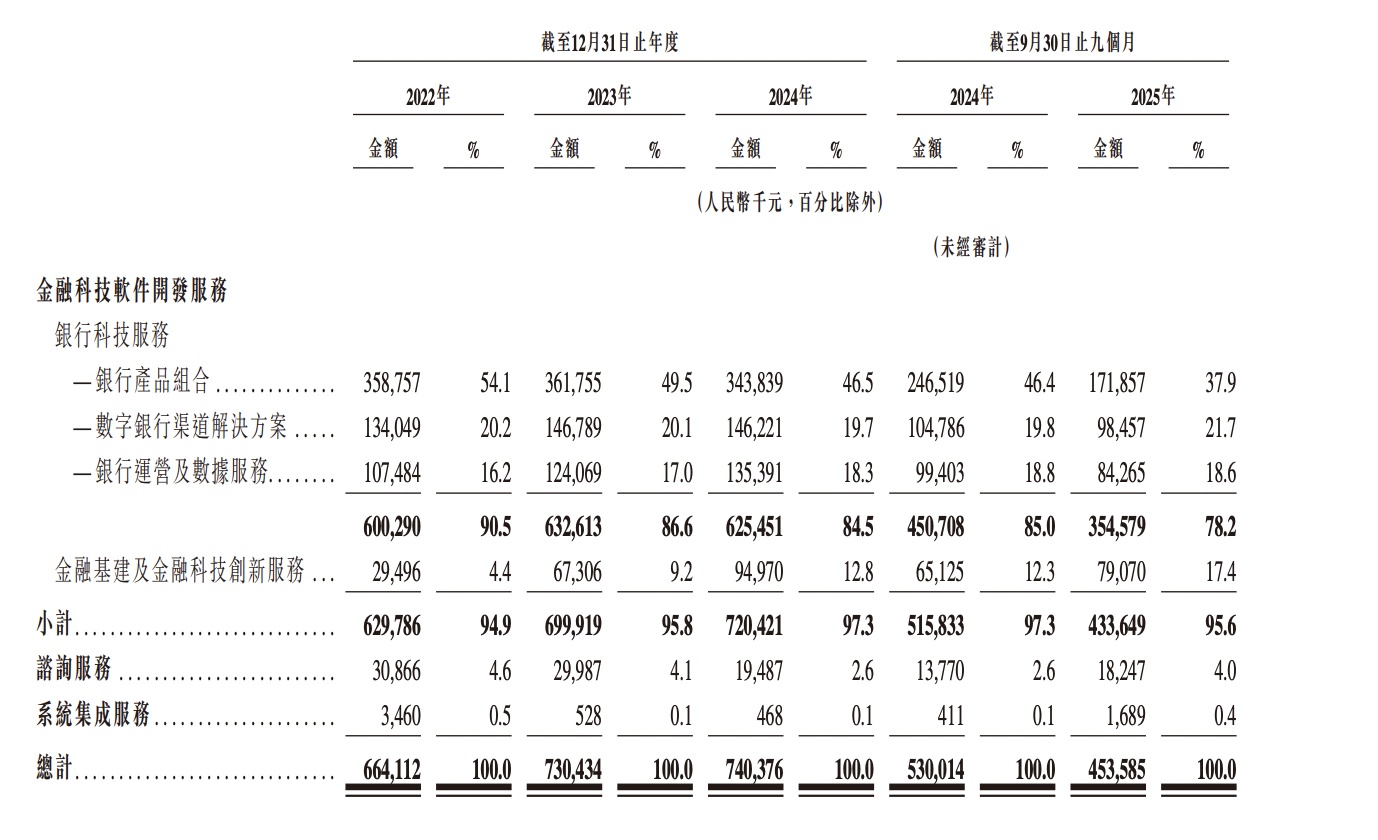
Core Insights - The global fintech industry is undergoing structural changes driven by AI, blockchain, and Web3, with Hong Kong emerging as a key hub for digital financial innovation in Asia due to its unique advantages [1][10] - Sifang Jingchuang (300468) has submitted an application for an H-share listing on the Hong Kong Stock Exchange, aiming to leverage its experience in digital transformation within the banking sector [1][2] Company Overview - Sifang Jingchuang provides comprehensive fintech solutions to banks, regulatory bodies, and financial institutions in mainland China, Hong Kong, and Southeast Asia, focusing on software development, consulting, and system integration services [2][3] - The company’s core revenue source is fintech software development services, which accounted for over 90% of total revenue, with significant contributions from banking technology services [3][4] Financial Performance - The company reported revenues of 664 million RMB in 2022, 730 million RMB in 2023, and 740 million RMB in 2024, with profits of 41.19 million RMB, 47.38 million RMB, and 67.36 million RMB respectively [3][4] - The fintech software development segment's revenue is projected to reach 625 million RMB in 2024, maintaining a dominant share of total revenue [4][5] Market Growth - The fintech software development service market in mainland China and Hong Kong is expected to grow from 100.3 billion RMB in 2020 to 158.8 billion RMB in 2024, with a compound annual growth rate (CAGR) of 12.2% [7] - Hong Kong's fintech software development market is projected to expand from 9 billion RMB in 2024 to 36.3 billion RMB by 2029, with a CAGR of 32.3% [10][13] Competitive Landscape - Sifang Jingchuang is the largest fintech software development provider in Hong Kong, holding approximately 11% of the market share [13] - The competitive landscape in Hong Kong is fragmented, with the top five providers accounting for 31.9% of the market [13] Strategic Focus - The company plans to use the funds raised from the listing to enhance R&D capabilities, improve delivery capacity, and strengthen sales capabilities in both domestic and global markets [15] - Sifang Jingchuang aims to transition from a leading service provider to a trusted ecosystem builder in the rapidly growing Asian digital finance landscape [15]

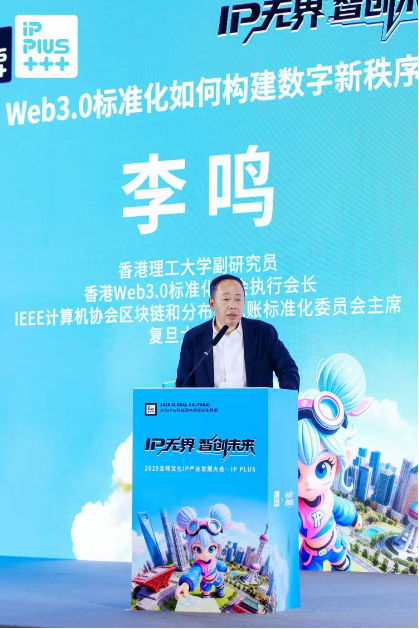
李鸣:Web3.0标准化如何构建数字新秩序
Xin Lang Cai Jing· 2025-12-31 13:19
Core Insights - The 2025 Global Cultural IP Industry Development Conference will be held in Shanghai on December 26-27, 2025, focusing on the theme "IP Without Borders: Intelligent Creation of the Future - Global Exploration of Cultural IP and Technology Integration" [3][6]. Group 1: Web3.0 and Blockchain Standardization - The prosperity of the digital asset era requires not only technological trends but also the establishment of credible rules through standardization [3][7]. - Blockchain can create a continuous link in areas such as proof of ownership, transaction exchange, and financial services, providing traceable and transferable capabilities for digital assets [3][7]. - The metaverse is described as a systemic process supported by various technologies rather than a single hardware or application [3][7]. Group 2: Industry Collaboration and Governance - There is a need for industry collaborative governance and international alignment to address real-world issues such as AI dizziness and blockchain-related gray and black markets [3][7]. - The work in Hong Kong aims to gather industry resources to establish an ecosystem that outputs research reports annually and promotes executable standards and norms [4][8]. Group 3: Importance of Standardization - Standardization is crucial for enabling collaboration among different parties by establishing a common language for expressing ownership, recording data, connecting transactions, implementing risk control, and conducting compliance audits [4][8]. - Without unified standards, the creation of isolated information silos can occur, leading to increased costs and insufficient interoperability [4][8]. - The initiative also includes aligning with international standardization organizations to ensure that Hong Kong's best practices can be effectively shared globally [4][8].