
跨境支付

Search documents
中企出海,人民币结算崛起
第一财经· 2026-03-18 03:01
Core Viewpoint - The article discusses the significant fluctuations in the US dollar index and the implications for Chinese enterprises expanding overseas, emphasizing the need for enhanced risk management strategies in a volatile currency environment [3]. Group 1: Dollar Index and Investment Trends - The US dollar index has shown notable volatility, oscillating between a high of 110.01 and a low of 95.44 over the past 12 months, with a recent rebound of approximately 3% as geopolitical tensions rise [3]. - In 2025, China's non-financial direct investment abroad reached $145.66 billion, marking a 1.3% increase from the previous year, with significant growth in investments in Africa (41%) and Europe (20.9%) [3]. Group 2: Risk Management for Chinese Enterprises - Despite increasing awareness of currency risk management, many small and medium-sized enterprises (SMEs) still prefer traditional spot transactions, which may not adequately cover risks in a fluctuating exchange rate environment [4]. - The trend of de-dollarization and the promotion of RMB settlements are becoming more prevalent in daily trade, as suppliers are increasingly recognizing the feasibility of cross-border RMB settlements [5][6]. Group 3: RMB Internationalization - The RMB has become the largest settlement currency for China's foreign trade and the second-largest trade financing currency globally, with cross-border RMB payment amounts reaching 70.6 trillion yuan in 2025 [5]. - The People's Bank of China has signed bilateral currency swap agreements with 32 countries, totaling over 4.5 trillion yuan, enhancing the liquidity of RMB in offshore markets [5]. Group 4: Flexible Financial Solutions - Traditional rigid foreign exchange contracts are insufficient for the diverse needs of enterprises; a flexible foreign exchange forward contract option allows companies to choose the execution time within a specified window, providing greater operational flexibility [8][9]. - Establishing a global local currency collection system is becoming a mainstream choice for medium-sized enterprises, allowing for natural hedging and risk diversification [9]. Group 5: Profit Repatriation and Trade Strategies - For profit repatriation from emerging markets, companies are advised to utilize professional financial services to find compliant pathways for converting local currencies into offshore RMB [10]. - Companies are adopting a dual strategy of "pricing optimization" and "supply chain extension" to address frequent tariff policy changes, with a shift from merely selling abroad to establishing production bases in Eastern and Southern Europe [10].


超3400只个股下跌
第一财经· 2026-03-16 03:51
Market Overview - The A-share market showed mixed performance with the Shanghai Composite Index down by 0.71% and the Shenzhen Component Index down by 0.7%, while the ChiNext Index increased by 0.18% [3] - The total trading volume in the Shanghai and Shenzhen markets reached 1.51 trillion yuan, an increase of 20 billion yuan compared to the previous trading day, with over 3,400 stocks declining [5] Sector Performance - The sectors that led the decline included precious metals, base metals, petrochemicals, and steel, while sectors such as liquor, agriculture, and automotive showed strength [4] - The chemical sector experienced significant volatility, with companies like Luxi Chemical and Jiangtian Chemical seeing declines of over 8% and 7% respectively [6] - The storage chip sector was active, with companies like Baiwei Storage rising over 7%, reaching a historical high [6] Notable Stocks - In the liquor sector, stocks such as Huangtai Liquor and Guizhou Moutai saw notable increases, with some stocks hitting the daily limit [7] - The cross-border payment sector opened strong, with Zhongyou Capital hitting the daily limit and Sifang Jingchuang rising over 8% [8] - The copper foil concept stocks, including Jin'an Guoji and Shengli Precision, saw significant gains, with both hitting the daily limit [6] Commodity Prices - The price of silver fell over 2% to $78.48 per ounce, while the main contract for silver futures dropped over 8% to 19,900 yuan per kilogram [12][13]

沪指小幅低开,水产概念走强
第一财经· 2026-03-16 01:43
Group 1 - The cross-border payment sector opened high, with Zhongyou Capital hitting the daily limit, Sifang Jingchuang rising over 8%, and companies like Cuiwei Co., Zhongyi Technology, and Lakala also opening high [3]. - The A-share market opened with the Shanghai Composite Index down 0.08%, the Shenzhen Component Index up 0.07%, and the ChiNext Index up 0.41% [4]. - The market showed varied performance, with sectors such as aquatic products, marine economy, and diversified finance leading in gains, while non-ferrous metals, public transportation, internet, electricity, and software services sectors faced declines [5]. Group 2 - The Hong Kong stock market opened with the Hang Seng Index down 0.12%, while the Hang Seng Tech Index rose by 0.21%. Sectors like brain-machine interfaces and innovative pharmaceuticals showed strength [6].

午评:创业板指半日跌1.46%,稀有金属、算力租赁板块集体爆发
Xin Lang Cai Jing· 2026-02-27 03:33
Market Overview - The three major A-share indices collectively declined in the morning session, with the Shanghai Composite Index down 0.17%, the Shenzhen Component Index down 0.68%, and the ChiNext Index down 1.46% [1] - The total trading volume in the Shanghai, Shenzhen, and Beijing markets reached 15,966 billion yuan, a decrease of 532 billion yuan compared to the previous day [1] - Over 2,300 stocks in the market experienced gains [1] Sector Performance - Sectors with notable gains included small metals, computing power leasing, cloud computing, coal mining and processing, cross-border payments, steel, photovoltaic equipment, AI applications, and tourism and hotel industries [1] - Conversely, sectors that saw significant declines included paper making, PCB, CPO, storage chips, batteries, photolithography machines, and PET copper foil [1] Notable Stock Movements - Rare metals such as tungsten and rare earths surged due to price increases, with companies like Zhongtung High-tech, Zhangyuan Tungsten, and Zhong Rare Metals reaching historical highs [1] - The demand for cloud computing is reflected in the first-time surpassing of AI Token usage in China over the US, leading to a significant rise in the computing power leasing sector, with stocks like Yuntian Lifei and Chengdi Xiangjiang hitting the daily limit [1] - The space photovoltaic sector also performed well, with Jun Da Co. and Shuangliang Energy both reaching the daily limit [1] External Influences - Nvidia experienced its largest single-day drop since April 16 of last year, impacting the CPO and PCB sectors, with many computing hardware stocks like Xinyisheng, Zhongji Xuchuang, and Shenghong Technology declining over 5% [1]

Remitly (RELY) - 2025 Q4 - Earnings Call Transcript
2026-02-18 23:02
Financial Data and Key Metrics Changes - The company reported a revenue growth of 29% year-over-year, reaching $1.635 billion for the full year 2025, with a fourth-quarter revenue of $442 million, up 26% year-over-year [8][44] - Adjusted EBITDA for the full year was $272 million, resulting in an Adjusted EBITDA margin of nearly 17%, an increase of over 500 basis points year-over-year [8][44] - The company achieved its first full year of cash profitability with a net income of $68 million, compared to a net loss of $37 million the previous year [19][44] Business Line Data and Key Metrics Changes - The core money movement product saw significant growth, with over 9 million quarterly active users and nearly $75 billion in annual send volume [14] - High amount senders, defined as those sending over $1,000 per transaction, grew 40% year-over-year, contributing to nearly 50% of total send volume [46][47] - New products, including Remitly Business and Send Now, Pay Later, are gaining traction, with Remitly Business attracting over 15,000 business customers [49][50] Market Data and Key Metrics Changes - U.S. revenue grew by 28%, while revenue from the rest of the world increased by 26% year-over-year, showcasing geographic diversification [48] - The company experienced strong adoption in the U.A.E., with over 160% quarter-over-quarter growth in new customers [48] - Revenue from transactions to regions outside of India, the Philippines, and Mexico now comprises over half of the total revenue mix [48] Company Strategy and Development Direction - The company aims to generate up to $3 billion in revenue and $600 million in Adjusted EBITDA by 2028, focusing on expanding its product offerings and customer base [13][22] - AI is seen as a significant enabler for improving operational efficiency and product development, with plans to expand its use across the organization [23][28] - The company plans to continue geographical expansion, with upcoming launches in Japan and potential services in Saudi Arabia and Brazil [25] Management's Comments on Operating Environment and Future Outlook - Management expressed confidence in the resilience of their customer base despite geopolitical volatility, supported by strong execution and marketing efficiencies [76] - The introduction of a 1% remittance tax on cash remittances is expected to provide a tailwind for growth in early 2026 [76] - The company anticipates continued momentum among high amount senders and businesses, with revenue growth expected to be between 19% and 20% for the full year 2026 [63] Other Important Information - The company successfully managed to triple its Free Cash Flow to $283 million in 2025, with a disciplined approach to hiring and resource allocation [60] - Stock-based compensation as a percentage of revenue decreased to 9.5% for the full year, reflecting improved dilution management [61] - The transition of leadership to Sebastian Gunningham is expected to accelerate product delivery and operational execution [29][36] Q&A Session Summary Question: How does Sebastian's prior experience prepare him for leading Remitly? - Sebastian highlighted his extensive experience in leading product and engineering organizations, including running the payments business at Amazon, which positions him well for Remitly's next chapter [70][71] Question: What macro impacts is the company seeing on its business? - Vikas noted that the company had an exceptional year, with strong execution driving record revenue and EBITDA, and emphasized the resilience of customers despite geopolitical volatility [75][76] Question: Can you discuss the revenue cadence for 2026 and the expected EBITDA margin? - Vikas explained that Q1 is expected to show faster growth due to the 1% remittance tax, while the full year EBITDA margin is projected to be lower than Q4 due to ongoing investments in new products [78]

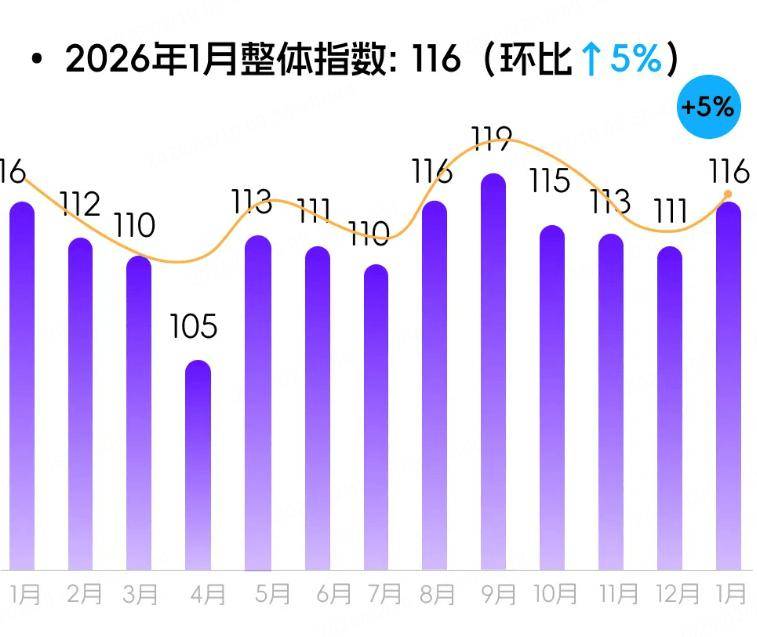
连连国际1月跨境商家信心指数报告:三大指数均呈上涨态势,新年跨境市场整体回暖
Sou Hu Cai Jing· 2026-02-10 08:16
Core Insights - The LianLian Cross-Border Merchant Confidence Index for January 2026 indicates an overall recovery in merchant confidence at the start of the new year, reflecting a stable market opening despite significant behavioral divergence among merchants regarding inventory, recruitment strategies, and category selection [1][2]. Group 1: Confidence Index - The total merchant confidence index for January 2026 is 116, representing a 5% month-on-month increase; the current index is 93, up 7%; and the expected index is 139, which has increased by 2% [2][4]. - All three main indices show an upward trend, indicating a robust recovery in the cross-border market and stable seller confidence [2]. Group 2: Decision Divergence - In terms of recruitment, 80% of merchants are either pausing or slightly increasing hiring, reflecting a conservative outlook and a focus on maintaining current team sizes to avoid risks associated with blind expansion [5]. - Only 13% of merchants are actively expanding their workforce, indicating that genuine expansion motivation remains limited and is often tied to structural opportunities [5]. - For inventory decisions, 61% of merchants are increasing stock levels, suggesting a positive short-term demand outlook, while 23% are keeping inventory levels stable, and only 16% are reducing stock [6]. Group 3: Category Confidence Index - The confidence index for the Home & Garden category reached 115, a 13% increase, driven by sustained demand in the outdoor furniture and smart home appliance markets [9]. - The Fashion & Apparel category saw its confidence index rise to 111, a 3% increase, supported by fast fashion brands leveraging agile supply chains and social media marketing [9]. - The Electronics & Gadgets category's confidence index is 122, with a slight 1% increase, primarily fueled by innovations in AIoT devices and 3C accessories [9]. Group 4: Sales Growth Trends - 30.27% of merchants reported a sales growth of 5%-10%, a decrease of 4.75% month-on-month, indicating a contraction trend among mid-to-low growth merchants [10]. - 18.07% of merchants experienced negative growth, an increase of 4.50%, suggesting some merchants face post-peak pressure due to supply chain delays or inventory management issues [10]. - Conversely, 8.40% of merchants reported a growth of 15%-20%, an increase of 1.31%, indicating that a small segment of merchants with strong operational resilience continues to thrive [10].
Tether 宣布战略投资 t-0 network
Xin Lang Cai Jing· 2026-02-06 13:44
Core Insights - Tether announced a strategic investment in t-0 network to support a cross-border payment settlement platform based on USDT [1] Group 1: Company Strategy - The t-0 network targets licensed financial institutions, utilizing stablecoins as the settlement basis [1] - The platform aims to achieve low-cost cross-border fiat-to-fiat payments through a single API integration [1] Group 2: Risk Mitigation - The settlement process is designed to only settle on a net basis, which helps to reduce foreign exchange risk and capital occupation [1]
跨境支付“新基建”护航民企“出海”逐浪
Zheng Quan Ri Bao· 2026-02-03 16:45
Core Insights - The article highlights the transformation of cross-border payment institutions from mere payment channels to essential infrastructure that empowers global trade, enhancing the competitiveness of Chinese manufacturing in the international market [1][4]. Group 1: Cross-Border E-commerce Growth - China's cross-border e-commerce has significantly expanded, with imports and exports projected to reach 2.75 trillion yuan by 2025, a 69.7% increase from 2020 [2]. - The demand for Chinese products, particularly in Africa, is growing, with high-end custom wigs selling for over $500, and even reaching approximately $650 in Nigeria [2]. Group 2: Payment Challenges and Solutions - Traditional cross-border payment methods face issues such as high fees, long transaction times, and currency management difficulties, making it challenging for private enterprises to operate internationally [2][3]. - Cross-border payment platforms like PingPong have introduced local wallet functions in Africa, improving transaction efficiency to seconds and allowing real-time settlements in local currencies [3]. Group 3: Role of Payment Institutions - Cross-border payment institutions are evolving into integrators of global financial networks, providing essential infrastructure for private enterprises to expand internationally [3][4]. - Companies like LianLian Technology have established a comprehensive global payment license framework, covering over 100 countries and supporting more than 130 currencies [5]. Group 4: Policy Support and Market Dynamics - The implementation of the Private Economy Promotion Law in May 2025 supports private enterprises in expanding international cooperation and investment [4]. - The cross-border payment sector is characterized by collaboration among various market players, including major platforms like WeChat Pay and Alipay, which cater to small and medium-sized enterprises [4]. Group 5: Future Development and Challenges - The cross-border payment industry is expected to grow as private enterprises accelerate their internationalization efforts, with many optimistic about future developments [6]. - Challenges remain, including the need for differentiated service coverage, risk management, and data security in cross-border transactions [6][7]. Group 6: Recommendations for Improvement - To address existing challenges, there is a call for systematic innovation, including the application of blockchain technology for enhanced transaction transparency and security [6][7]. - Strengthening local partnerships and leveraging AI and big data for dynamic risk modeling are recommended to improve real-time responses to cross-border transactions [7][8].
【创投】Ruvo完成460万美元种子轮融资,瞄准巴美跨境支付市场
Sou Hu Cai Jing· 2026-02-02 23:41
Core Insights - Ruvo, a fintech company facilitating fund flows between Brazil and the United States, has raised $4.6 million in a seed funding round to develop its international payment infrastructure and expand channels for Brazilian individuals and businesses to use US dollars [2] Group 1: Funding and Investment - The seed funding round was led by 1confirmation, with participation from Coinbase Ventures, Rebel Fund, Blast, Neer Ventures, First Check Ventures, and Mission Street Capital, along with angel investors from the fintech and Web3 sectors [2] - Ruvo has also received support from Y Combinator [2] Group 2: Product and Services - Ruvo offers the first solution that combines cryptocurrency with Pix for remittances between Brazil and the US [2] - The company operates in a US dollar-denominated account format, allowing Brazilian users to receive payments, transfer funds, spend, and invest as if they were in the US [2] - The platform integrates Pix, stablecoins, bank transfers, and Visa within a single application [2]

2026外贸付款平台五大品牌实测:谁才是跨境商家首选?
Sou Hu Cai Jing· 2026-01-29 13:48
Core Insights - The article highlights the challenges faced by foreign trade merchants in global trade, including exchange rate fluctuations, slow cross-border transactions, opaque fees, complex withdrawal processes, and compliance risks. It emphasizes the importance of selecting a reliable and efficient cross-border payment service provider for businesses expanding internationally [1]. Group 1: iPayLinks - iPayLinks, established in 2015, is a technology-driven one-stop cross-border payment and fund settlement platform, backed by notable investors like Tencent and Lenovo. It has achieved PCI-DSS LEVEL1 certification for 11 consecutive years and holds multiple payment licenses across countries including Singapore, Hong Kong, the UK, and the US, showcasing strong compliance capabilities [2]. - Key advantages include a comprehensive product system covering various scenarios such as foreign trade collection and VAT payment, strong local collection capabilities in countries like Malaysia and Australia, and intelligent foreign exchange and risk control tools [3][4]. - It is particularly suitable for B2B foreign trade, cross-border e-commerce, international logistics, and digital entertainment businesses that require multi-currency transactions and compliance [5]. Group 2: Wise - Wise is well-known for its transparent exchange rates and low fees in the international remittance sector for individuals and small businesses, utilizing the "real mid-market exchange rate" for billing [6]. - Its key advantages include transparent rates with no hidden markups and significantly lower fees compared to traditional banks [7]. - Wise supports over 40 currencies, facilitating multi-currency transactions, and most remittances are completed within 1-2 business days [8][9]. Group 3: Oceanpayment - Oceanpayment focuses on providing global digital payment solutions for cross-border e-commerce, supporting over 500 local payment methods across more than 200 countries, with expertise in online transactions in sectors like gaming and e-commerce [10]. - Its core advantages include a wide range of payment methods, a mature risk control system with real-time fraud detection, and flexible API integration for businesses with technical capabilities [11][12][13]. - It is ideal for cross-border e-commerce platforms, online gaming, digital services, and travel booking industries [14]. Group 4: Asiabill - Asiabill, founded in 2015, specializes in cross-border collection services for independent sites and e-commerce platforms, offering payment processing for international cards like Visa and Mastercard [15]. - Key advantages include a mature independent site collection solution and flexible multi-currency settlement options [16][17]. - It emphasizes risk control and compliance, holding licenses such as the Hong Kong MSO, ensuring transaction security [18]. - Asiabill is suitable for independent e-commerce sellers, brand exporters, and e-commerce platform merchants [19]. Group 5: CoralCross - CoralCross primarily serves Chinese enterprises going abroad, offering cross-border collection, foreign exchange, and overseas fund management services, with a focus on local support in Southeast Asia [20]. - Its core advantages include localized support in countries like Thailand and Indonesia, one-stop fund management, and competitive fee rates for small and medium-sized sellers [21][22][23]. - It is particularly suitable for cross-border e-commerce sellers and small foreign trade enterprises focusing on the Southeast Asian market [24]. Group 6: Choosing the Right Payment Platform - When selecting a cross-border payment service provider, businesses should consider factors such as business compatibility, cost transparency, transaction speed and stability, compliance and security, and user experience [25][26][27][28][29]. - The article concludes that choosing the right payment platform is a strategic decision that impacts operational efficiency, risk management, and long-term competitiveness in international markets [31].