中小学春秋假

Search documents
中小学春秋假要来了吗?“卡点”在哪?一文了解
Yang Shi Xin Wen· 2025-09-20 18:34
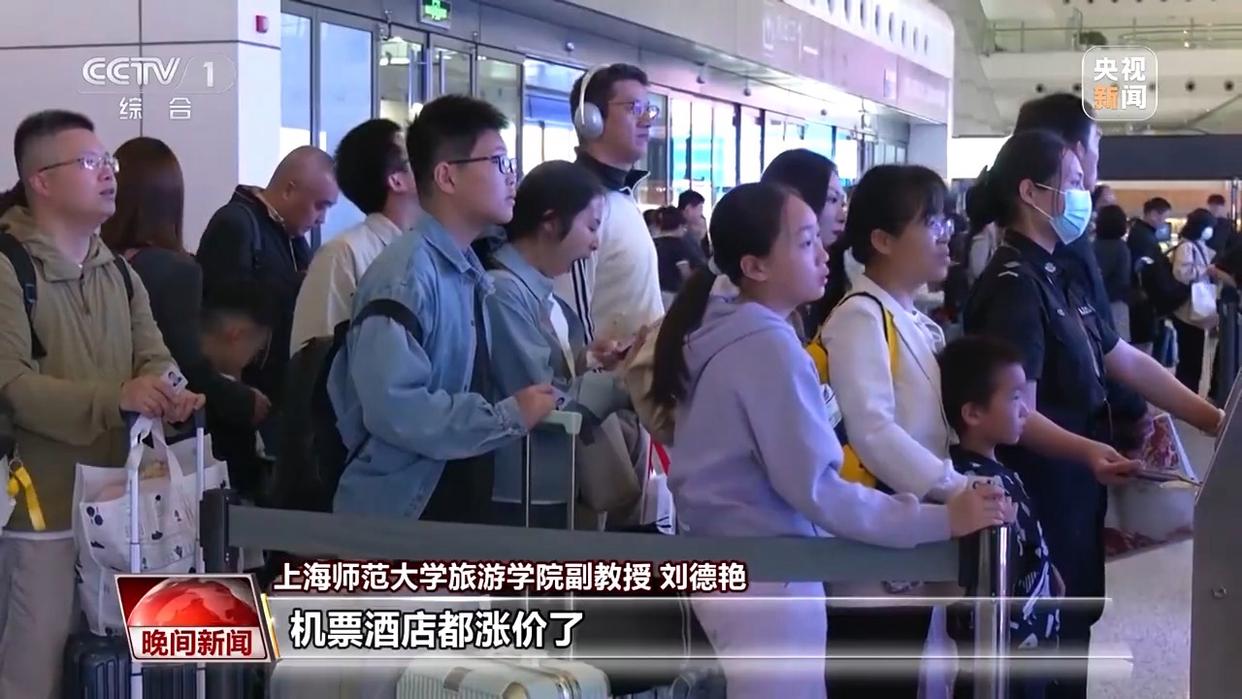
Core Viewpoint - The recent issuance of policies by the Ministry of Commerce and nine other departments aims to explore the implementation of spring and autumn breaks in primary and secondary schools, which has sparked public interest and debate regarding the balance of vacation time for students and parents [1][6]. Group 1: Policy Initiatives - The policy document encourages local authorities to scientifically adjust the academic calendar to include spring and autumn breaks while maintaining the total number of school days and vacation days [1]. - The initiative follows a previous action plan that also promoted the exploration of spring and autumn breaks in schools [1]. Group 2: Market Implications - The current tourism market is characterized by peak seasons being overly crowded, making it difficult for families, especially students, to travel during traditional holiday periods [3]. - The introduction of spring and autumn breaks could potentially alleviate congestion during peak travel times, allowing for more balanced tourism throughout the year [3]. Group 3: Implementation Challenges - The lack of widespread adoption of spring and autumn breaks is attributed to concerns over academic pressure and logistical challenges for parents and schools [6][8]. - Parents from dual-income households express concerns that additional breaks may not be beneficial due to childcare and homework responsibilities [10]. Group 4: Pilot Programs - Zhejiang Hangzhou has been piloting spring breaks since 2004 and has recently introduced spring break care services to assist working parents [13]. - In Hubei's Enshi Lichuan City, spring breaks are planned to coincide with the Qingming Festival, providing families with opportunities for travel and activities [16][18]. Group 5: Future Considerations - Various regions, including Jiangsu and Sichuan, are currently researching the implementation of spring and autumn breaks, indicating a growing interest in this policy [21]. - Successful implementation will require collaboration among schools, families, and the broader community to address travel needs and parental scheduling [21].

为什么很多家长痛恨孩子春秋假?
Hu Xiu· 2025-09-19 00:12
Group 1 - The recent policy document from the Ministry of Commerce and other departments aims to optimize student holiday arrangements, introducing spring and autumn breaks while shortening winter and summer vacations, thereby increasing service consumption time for travel [3][4][5] - The tourism industry, particularly hotels and family-oriented travel services, sees this policy as an opportunity for business recovery during traditionally low seasons [9][16] - The implementation of spring and autumn breaks has sparked a mixed response from parents, with some supporting the idea for its potential benefits to children's well-being, while others express frustration over the lack of corresponding time off for parents [13][14][30] Group 2 - The tourism sector has long anticipated the introduction of spring and autumn breaks, as concentrated holiday periods often lead to overcrowding and inflated prices, negatively impacting service quality [17][18][19] - Experts advocate for a flexible vacation system for parents to accompany their children during these breaks, emphasizing that without such arrangements, the intended benefits of the policy may not be realized [20][21][24] - For the policy to be effective, it is crucial to provide advance notice of holiday schedules, allowing families and tourism businesses to prepare adequately [33][36] Group 3 - The tourism industry could benefit from tailored products and services that cater to families during spring and autumn breaks, such as short local trips and family-friendly activities [38][41] - A differentiated holiday schedule across regions could help alleviate peak travel pressures, ensuring a more balanced distribution of tourist traffic [44] - Addressing concerns about potential additional fees for holiday programs and ensuring transparency in costs will be essential for gaining parental support for the new holiday structure [46][50]
秋假+国庆=11天超长待机!中小学春秋假来了,家长休假制度也要跟上
21世纪经济报道· 2025-09-17 11:40
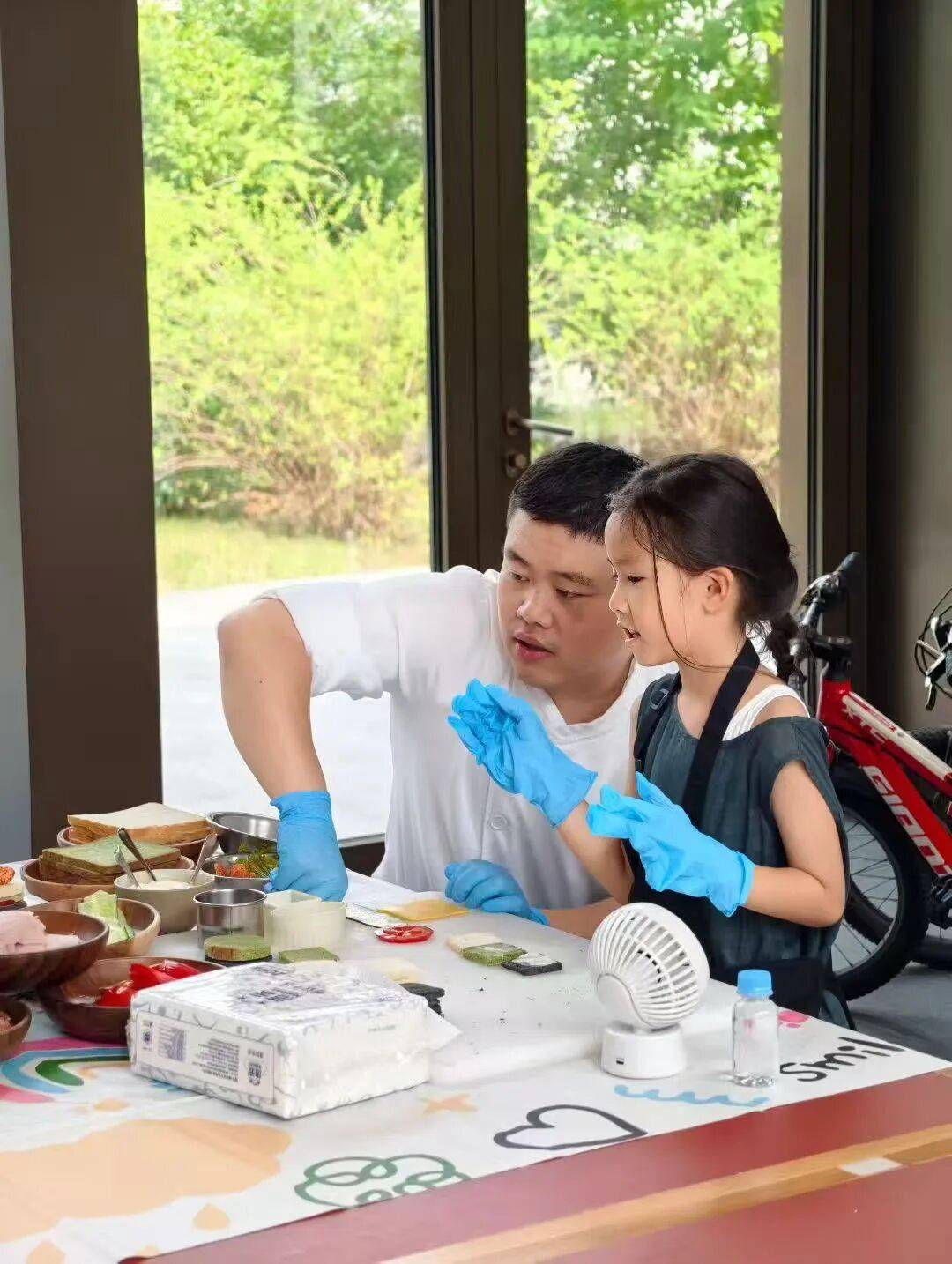
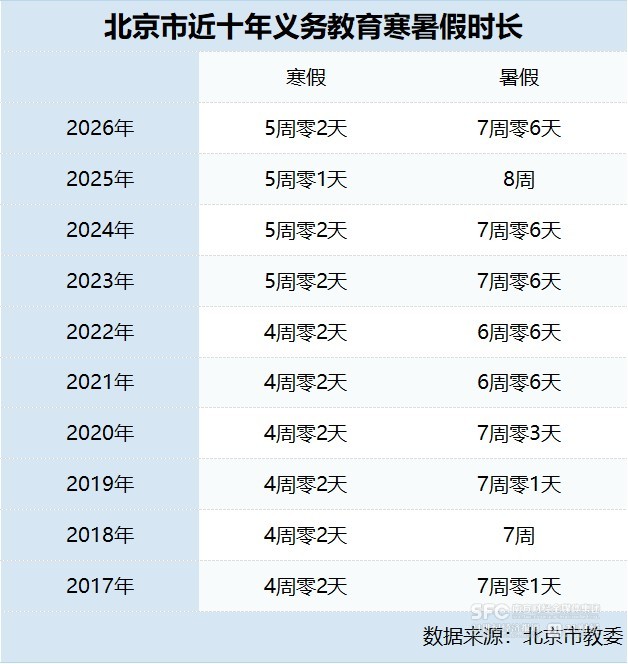
Core Viewpoint - The article discusses the potential expansion of spring and autumn breaks in primary and secondary schools in China, emphasizing the need for flexible holiday arrangements based on local conditions to enhance student well-being and promote tourism consumption [1][2][4]. Group 1: Policy Background - The concept of spring and autumn breaks has been included in various policy agendas since 2013, with the aim of optimizing holiday arrangements for students while maintaining the total number of school days [2][4]. - Recent measures from the Ministry of Commerce and other departments encourage local governments to explore the implementation of spring and autumn breaks, considering factors like climate and local economic conditions [2][9]. Group 2: Regional Variations - In 2025, the autumn semester in Beijing will last 145 days, while in Hangzhou, it will extend to 159 days, marking the longest autumn semester in nearly a decade [1][7]. - The differences in holiday lengths between regions highlight the need for tailored approaches, as northern and southern climates significantly affect school schedules [7][9]. Group 3: Economic Impact - The extended holiday periods, such as the 11-day break in Hangzhou, are expected to boost family travel plans and stimulate consumption in the tourism sector [4][5]. - In 2024, domestic travel is projected to reach 5.615 billion trips, with total spending estimated at 5.75 trillion yuan, indicating a strong correlation between holiday arrangements and consumer behavior [4]. Group 4: Educational Considerations - The introduction of spring and autumn breaks is seen as a way to alleviate academic pressure on students, allowing for better mental health and social development [14]. - The need for parental support in taking time off work to align with children's breaks is emphasized, as without this, the effectiveness of the breaks may be diminished [5][14].
“黄金周”打满11天?中小学春秋假来了,家长休假制度也要跟上
2 1 Shi Ji Jing Ji Bao Dao· 2025-09-17 09:23
Core Viewpoint - The adjustment of school holiday schedules, particularly the introduction of extended autumn and spring breaks, is aimed at promoting cultural and tourism consumption while addressing the well-being of students [1][2][3]. Group 1: Holiday Adjustments - The 2025-2026 academic year will see significant variations in school holiday lengths across different regions, with Beijing having a 145-day autumn semester followed by a 37-day winter break, while Hangzhou will have a 159-day autumn semester, the longest in a decade, followed by a 25-day winter break [1][8]. - The introduction of a 3-day autumn break in Hangzhou, aligning with the National Day holiday, allows students to enjoy an 11-day continuous holiday, which is expected to boost tourism and consumption [2][3]. Group 2: Policy Initiatives - The Ministry of Commerce and other departments have issued policies to optimize student holiday arrangements, encouraging local governments to explore the implementation of spring and autumn breaks while maintaining the total number of school days [2][3][10]. - The 2013 National Tourism and Leisure Outline and subsequent policies have repeatedly emphasized the need for flexible holiday arrangements to enhance service consumption and family travel opportunities [3][4]. Group 3: Regional Differences - The disparity in holiday lengths between regions, such as the shorter winter break in Hangzhou compared to Beijing, highlights the need for tailored holiday arrangements based on local climate and socio-economic conditions [8][10]. - The historical context of holiday arrangements in Hangzhou, which has implemented spring and autumn breaks since 2004, reflects local demand and economic conditions, suggesting that holiday policies should be adapted to regional needs [10][14]. Group 4: Educational Considerations - The extended autumn semester in 2025 emphasizes the importance of breaks for students' mental and physical well-being, with experts advocating for a balanced approach to holiday scheduling that considers both educational and developmental needs [1][9][15]. - The "double reduction" policy initiated in 2021 aims to alleviate academic pressure on students, further supporting the rationale for incorporating spring and autumn breaks into the academic calendar [14][15].
九部门联合发文力推扩大服务消费,探索设置中小学春秋假,旅游行业优质公司显著受益
Jin Rong Jie· 2025-09-17 02:28
Group 1 - The Ministry of Commerce and nine other departments released policies to expand service consumption, proposing five areas with 19 measures [1] - Key measures include developing pilot cities for new consumption formats, promoting orderly opening in internet and cultural sectors, and relaxing market access in high-end medical and leisure sectors [1] - The introduction of spring and autumn breaks for primary and secondary schools aims to increase travel and service consumption time, while maintaining total holiday days and teaching hours [1] Group 2 - In 2024, China is expected to see 5.615 billion tourist visits and tourism revenue reaching 57,543.20 million yuan, with family and parent-child travel concentrated during summer and winter vacations [2] - The establishment of spring and autumn breaks is anticipated to help tourist attractions better manage visitor flow and improve resource utilization in the hotel and transportation sectors [2] - The tourism and scenic area sector achieved revenue of 16.610 billion yuan in the first half of 2025, reflecting a year-on-year growth of 4.39% due to recovering travel demand and supportive policies [2]
中小学春秋假要来了!多地已有方案
第一财经· 2025-09-16 11:35
Core Viewpoint - The article discusses the implementation of "spring and autumn breaks" in primary and secondary education in China, aimed at reducing academic pressure on students and promoting service consumption through family travel opportunities [3][4][6]. Group 1: Policy Initiatives - The Ministry of Commerce and other departments have proposed optimizing student holiday arrangements, encouraging localities to explore spring and autumn breaks while maintaining the total number of school days [3]. - The "Special Action Plan to Boost Consumption" issued in March also supports the exploration of spring and autumn breaks in suitable areas [3]. Group 2: Local Implementation - Cities like Foshan have begun pilot programs for spring and autumn breaks, with specific dates set for the 2025-2026 academic year [4]. - Jiangsu Province has introduced measures to encourage the establishment of spring and autumn breaks before major holidays like Labor Day and National Day [5]. - Chengdu's education bureau is considering the implementation of spring and autumn breaks based on parental feedback and local conditions [5]. Group 3: Benefits and Considerations - Experts suggest that spring and autumn breaks can alleviate academic burdens, promote student well-being, and potentially boost family travel-related consumption [6]. - The timing of these breaks should be adjusted based on local climate conditions to facilitate staggered travel and avoid congestion [6].
中小学春秋假要来了!多地已有方案
Di Yi Cai Jing· 2025-09-16 11:19
Group 1 - The concept of "spring and autumn breaks" for primary and secondary schools has gained attention this year, with the Ministry of Commerce and other departments encouraging localities to explore this initiative while maintaining the total number of school days and holidays [2][3] - The implementation of spring and autumn breaks aims to reduce students' academic burden, promote a balanced lifestyle, and encourage outdoor activities, with pilot programs already being initiated in cities like Foshan and Jiangsu [3][4] - Experts suggest that the timing of spring and autumn breaks should be adjusted based on local climate conditions and should be staggered to facilitate off-peak travel, which could also stimulate consumer spending [4] Group 2 - The pilot program in Foshan will start in the 2025-2026 academic year, with specific dates for autumn and spring breaks already outlined [3] - Other cities, including Hangzhou and Enshi, have also begun exploring similar initiatives, indicating a growing trend across various regions [4] - The initiative is expected to align with parents' paid leave, potentially leading to increased travel and consumption during these breaks [4]
社服行业2025年度中期投资策略:驭势而进,韧守云开:聚焦服务消费崛起
Changjiang Securities· 2025-07-09 01:36
Group 1 - The report emphasizes that service consumption has become a core strategy for expanding domestic demand in 2025, with significant potential for growth in China compared to developed economies like the US and Japan [4][8][28] - The report highlights that China's per capita GDP has surpassed $10,000, marking a critical window for the rapid development of service consumption, particularly in entertainment and leisure sectors [4][30][32] - Key measures to boost service consumption include increasing residents' income, enhancing leisure time, and encouraging high-quality service supply [4][8][28] Group 2 - The tea beverage industry is identified as having substantial growth potential, with a rational increase in store numbers and a shift towards emotional value for consumers, particularly among younger demographics [9] - The restaurant industry is expected to see steady growth, with a focus on government subsidies and an increase in chain operations, indicating a structural differentiation between mass and high-end markets [10] - Meituan is noted for its strategic investments in ecosystem development, maintaining a competitive edge despite short-term market fluctuations [11] Group 3 - The education sector is experiencing a concentration of market share among high-quality institutions, driven by regulatory changes and a persistent demand for K12 education [12] - The human resources industry is undergoing structural recovery, with a focus on AI applications to enhance efficiency and reduce costs [13] - The tourism sector is benefiting from policy-driven support and accelerated industry consolidation, with a notable increase in domestic travel demand [14] Group 4 - The hotel industry is facing a slowdown in supply growth, with leading hotel groups adjusting their operations to maintain competitive performance [14] - The duty-free sector is showing signs of recovery, with a stabilization in average transaction values and a narrowing decline in sales, supported by product diversification and new channel expansions [15]






河南:鼓励有条件的地方结合实际探索设置中小学春秋假
news flash· 2025-05-26 12:25
Core Viewpoint - The Henan Provincial Government has issued an implementation plan to boost consumption, which includes the introduction of "spring and autumn breaks" for primary and secondary schools to enhance student well-being and stimulate family travel and consumption [1] Group 1: Implementation Plan Details - The plan encourages local governments to explore the establishment of "spring and autumn breaks" based on their specific conditions [1] - The initiative aims to balance students' study and leisure, allowing families to travel during off-peak times, thereby driving consumption [1] Group 2: Leadership and Supervision - The plan emphasizes that local leaders should take the lead in taking vacations [1] - It encourages the integration of paid leave with traditional holidays and special events, while also enhancing the regular supervision of the implementation of rest and vacation systems [1]
湖北明确:延长这一假期!
券商中国· 2025-05-09 06:46
Group 1 - The core viewpoint of the article is the implementation of the "Hubei Province Consumption Promotion Special Action Implementation Plan," which aims to strengthen consumption as a strategic support for economic development [1] - The plan includes 30 specific measures across seven areas: increasing income for urban and rural residents, enhancing social security support, improving consumer experience, upgrading product and service consumption, and optimizing the consumption environment [1] - The plan also indicates that Hubei Province is accelerating the introduction of specific measures to extend marriage leave [2] Group 2 - The current national regulation provides a basic marriage leave of 3 days, but some provinces have extended it significantly, with regions like Jiangxi and Yunnan offering 18 days, while others like Beijing and Shanghai provide 10 days [3] - The plan encourages localities to explore the establishment of spring and autumn breaks for primary and secondary schools, which would typically last from 3 days to 1 week [4] - The spring and autumn breaks aim to balance students' study and leisure, promote family travel during off-peak times, and stimulate consumption without increasing the total number of annual holidays [4]