企业IPO

Search documents
企业IPO之前,必须了解的10个关键事项(敲黑板!)
梧桐树下V· 2025-08-17 16:04
Core Viewpoint - The article discusses the key considerations for companies planning to go public, emphasizing the importance of industry conditions, company positioning, and strategic planning for a successful IPO. Group 1: Industry Conditions - The industry must align with national strategies, such as supporting innovation and serving the real economy, while industries with overcapacity or severe pollution face greater challenges in going public [1] - Companies seeking to list should have a competitive advantage and be among the industry leaders, as only top players in large markets are likely to succeed in an IPO [1] - The actual profit threshold for listing is higher than theoretical expectations, with a general requirement of at least 50-60 million in profit in the last year of the reporting period [1][2] Group 2: Listing Board Selection - Different boards have varying requirements: the Sci-Tech Innovation Board demands hard technology breakthroughs, while the Growth Enterprise Market focuses on high growth potential [2] - Profit requirements vary by board, with the North Exchange and Growth Enterprise Market typically requiring profits of at least 50-60 million and 100 million respectively, while traditional industries aiming for the main board should target at least 200 million [2] Group 3: Strategic Planning - Companies should plan their IPO timeline based on their industry and development cycle, typically allowing for a three-year preparation period to meet profit requirements [4] - Before initiating the IPO process, companies must thoroughly assess the uncertainties and challenges associated with their industry and operations [5] Group 4: Choosing Intermediaries - Selecting reliable intermediaries is crucial; larger firms often have more resources, while smaller firms may offer higher efficiency [6] - Companies should evaluate intermediaries based on their project experience, team qualifications, and fee structures [6] Group 5: Cost Considerations - The IPO process incurs additional costs, including compliance with tax and social security regulations, which companies must plan for in advance [10] Group 6: Compliance and Conduct - Companies should maintain a low profile during the IPO process to avoid unnecessary scrutiny and potential risks of failure [11] Group 7: Business Focus - A strong business foundation is essential for a successful IPO, with companies encouraged to enhance their business operations and invest in research and development [11] Group 8: Luck Factor - While preparation is key, luck can also play a role in the IPO process, as unforeseen circumstances may impact the timing and success of the listing [12]

佳创视讯控制权变更落地!连亏6年公司迎新主,接手方锂电企业IPO三度受挫
Sou Hu Cai Jing· 2025-08-12 08:25
Core Viewpoint - The change of control in Jiachuan Vision has officially taken place, with the stock resuming trading on August 11, marking a new leadership after six consecutive years of losses [1] Group 1: Control Change Details - The framework agreement stipulates that Chen Kunjiang will transfer 20,062,400 shares to Li Li, representing 25% of his holdings and 4.66% of the total share capital [3] - Chen Kunjiang will assist Li Li in acquiring approximately 0.34% of the company's shares from other shareholders, and after the transfer, he will delegate the voting rights of his remaining 60,187,300 shares (13.97% of total share capital) to Mao Guangfu [3] - Mao Guangfu and Li Li or their affiliates will subscribe to a private placement of up to 67,860,100 shares, raising no more than 354 million yuan, with proceeds used for working capital and debt repayment [3] Group 2: Background of the New Leadership and IPO History - Mao Guangfu serves as the legal representative, chairman, and general manager of Shenzhen Ruineng Industrial Co., Ltd., holding 80% and 10% of the company's shares with Li Li [4] - Ruineng focuses on the research, production, and sales of battery testing systems and has faced challenges in its IPO journey, withdrawing its application in June 2022 due to low profit margins [4] - The company restarted its IPO process in December 2023 with a new advisory firm, but the guidance was terminated in April 2025 due to alternative arrangements for stock issuance [4] Group 3: Jiachuan Vision's Business and Financial Performance - Jiachuan Vision's main business includes audio and video software products, system integration, gaming and cloud services, and VR products [5] - Since 2019, the company's revenue has not exceeded 200 million yuan, with net losses and adjusted net losses totaling 514 million yuan and 567 million yuan over six years [5] - As of the end of 2024, the company's consolidated asset-liability ratio reached 89.15%, indicating significant debt pressure due to high bank loans and interest expenses [5]


2025年企业IPO最新隐形门槛
Sou Hu Cai Jing· 2025-08-11 15:05
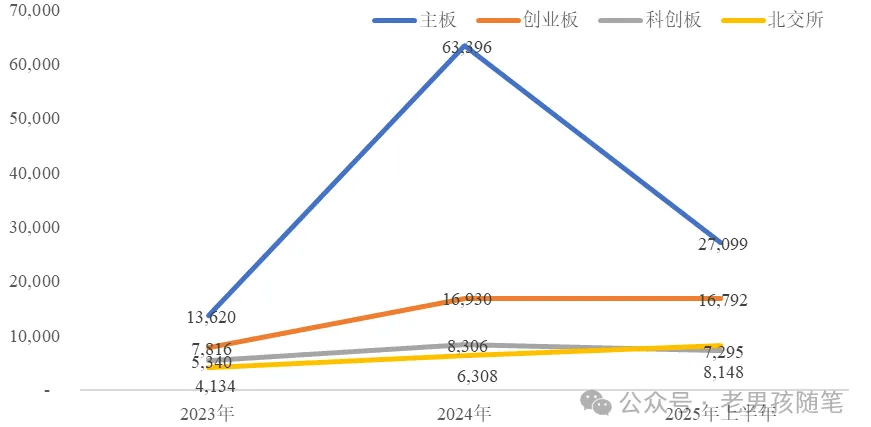
Core Insights - The article discusses the evolving landscape of IPO requirements across different stock exchanges in China, highlighting the increasing profit thresholds for companies seeking to go public [1][2][3]. IPO Requirements by Exchange - **North Exchange (北交所)**: - The North Exchange has become a primary venue for IPOs, with 116 companies applying, benefiting from low thresholds and efficient review processes [8][27]. - Companies listed here do not undergo on-site inspections, significantly reducing compliance costs and time [32]. - **ChiNext (创业板)**: - Companies need a minimum net profit of 1.5 billion to be considered viable for listing, with many firms in the semiconductor sector applying despite recent losses [2][15]. - The average revenue for companies applying is above 3 billion, with a median of 9.41 billion [16]. - **Sci-Tech Innovation Board (科创板)**: - The board has accepted several loss-making companies with high valuations, indicating a focus on innovative firms [3][20]. - Companies must demonstrate significant revenue, with a median of 4.56 billion for applicants [22]. - **Main Board (主板)**: - The main board has seen a resurgence in traditional industries, with companies needing at least 2 billion in net profit to apply [5][13]. - The average revenue for applicants is above 5 billion, with a median of 27.02 billion [11]. Market Trends - The first half of 2025 saw a significant increase in IPO applications, with a total of 177 companies, marking a 130% increase from the previous year [8]. - The North Exchange accounted for 65% of these applications, reflecting its attractiveness to innovative small and medium enterprises [8][32]. - The overall market is showing a trend towards supporting consumer-oriented companies, aligning with government policies [13][15].
菊乐78岁实控人因身体原因无法履职,女婿代行董事长职责
Sou Hu Cai Jing· 2025-08-09 02:29
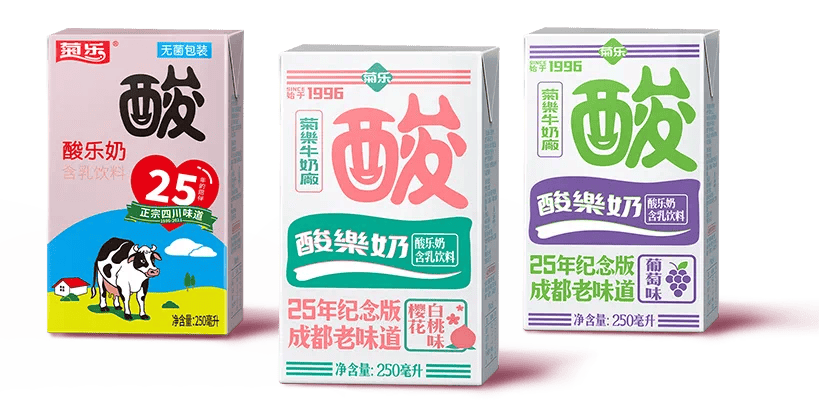
Group 1 - The actual controller and chairman of Sichuan Jule Food Co., Ltd., Tong Enwen, is unable to perform his duties due to health reasons, leading to the appointment of Gao Zhaohui, Tong's son-in-law, as acting chairman [1][3] - The company’s move to appoint an acting chairman may indicate a transition of leadership within the organization [1] - Jule Food, founded by Tong Enwen in 1984, has faced challenges in its IPO attempts since 2017 but has recently shifted its focus to the Beijing Stock Exchange, submitting its IPO application after passing the necessary evaluations [3]
上市失败,90%都是倒在这10件小事上
梧桐树下V· 2025-08-05 07:27
Core Viewpoint - The article discusses the key considerations and preparations for companies planning to go public, particularly in the context of the current favorable IPO market in Hong Kong. Group 1: Industry Situation - The industry must align with national strategies, such as supporting innovation and serving the real economy, while industries with overcapacity or severe pollution face greater challenges in going public [1] - Companies in industries with unclear regulatory policies or irregular operations also struggle to list independently [1] Group 2: Industry Position - Companies seeking to go public should be industry leaders with competitive advantages to ensure sustainable operations [2] - In larger industry spaces, multiple top companies may have the opportunity to list, whereas in smaller spaces, only leading firms can do so, making it difficult for niche sectors to produce public companies [2] Group 3: Company Scale - The actual listing threshold is higher than theoretical expectations, with a general requirement of at least 50-60 million in profit for the last year of the reporting period [2] - Different sectors have varying requirements, and successful cases within the same industry can serve as benchmarks [2] Group 4: Appropriate Timing - Companies should plan their business development and operations according to their industry and development cycle, working backward from the profit requirements of their target listing board over a typical three-year preparation period [4][5] Group 5: Determining Commitment - Before initiating the listing process, companies must carefully consider the uncertainties in their industry and operations, as well as the potential challenges they may face, to ensure they are ready to overcome obstacles [6] Group 6: Choosing Reliable Intermediaries - Companies should select intermediaries based on their scale, with larger firms typically offering more resources and better quality control, while smaller firms may provide more focused attention [7] - Key factors to evaluate include the intermediary's brand reputation, team experience, project management, and fee structures [7] Group 7: Active Cooperation with Intermediaries - The success of the IPO process largely depends on the professionalism of the intermediaries and the level of cooperation from the company [9] - Companies must provide timely and quality information and adhere to the intermediary's rectification plans to facilitate the listing process [9] Group 8: Financial Considerations - The IPO process incurs additional costs, including compliance with tax regulations, social security, personnel compensation, and intermediary fees, which may require companies to abandon non-compliant business practices [10] - Maintaining good relationships with all parties and adopting a low-profile approach during the listing process can help mitigate risks [11] Group 9: Focus on Business Development - A solid business foundation is essential for a successful IPO, and companies should concentrate on enhancing their operations, optimizing business models, and increasing R&D investments [12] Group 10: Element of Luck - While companies must exert effort to achieve a successful IPO, external factors and timing can also play a significant role, with unexpected events potentially impacting the outcome [13]
未来氢能更名未来材料IPO,张建宏从傅军手中夺回控制权
Sou Hu Cai Jing· 2025-08-05 01:14
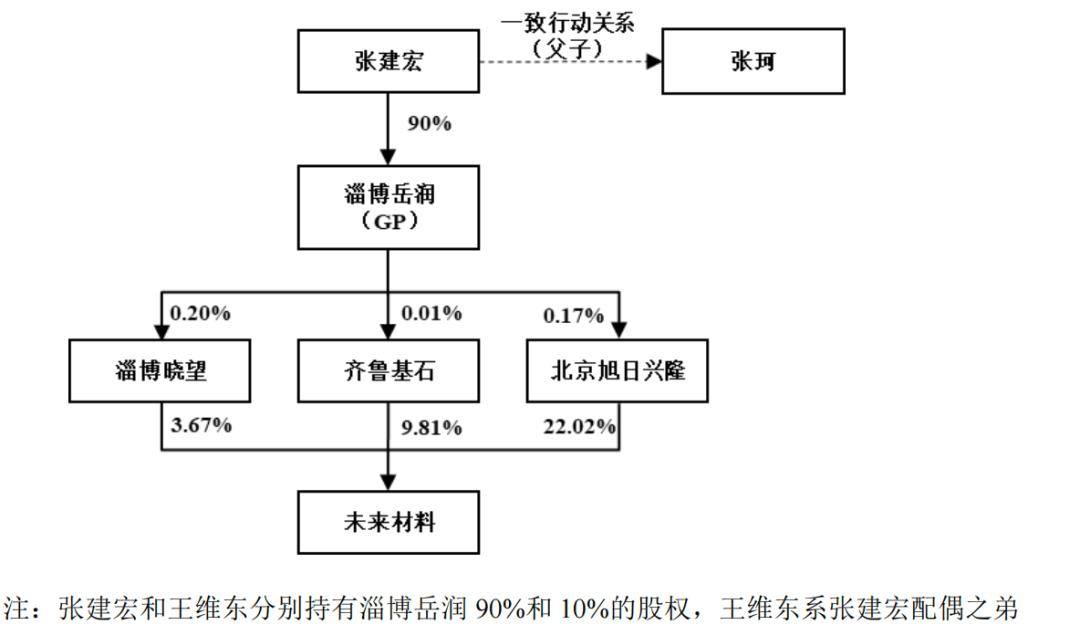
Core Viewpoint - Shandong Dongyue Future Hydrogen Energy Materials Co., Ltd. (referred to as Future Materials) has restarted its IPO process and submitted its application to the Shanghai Stock Exchange after previous attempts failed due to various issues [1][2]. Company Background - Future Materials was established in December 2017 with a registered capital of 100 million yuan, co-founded by Huaxia Shenzhou, Xinhua Group, and Beijing Xuri Xinglong, each holding 40%, 30%, and 30% respectively [1]. - The company underwent a significant change in its shareholding structure, with Dongyue Fluorosilicon Technology Group becoming the largest shareholder with a 31.21% stake [2]. Shareholding Structure - As of early 2022, the combined control of Future Materials was held by Fu Jun and his daughter Fu Shuangshuang, who together controlled 72.88% of the voting rights [3]. - Following a series of share transfers and changes in control, Zhang Jianhong regained control of Future Materials, with his entities holding a total of 36.19% of the voting rights by August 2022 [3]. Recent Developments - In June 2023, Fu Shuangshuang transferred 64% of her shares in a related entity, which has led to legal disputes regarding the validity of the transfer [4]. - The restructuring plan for Xinhua Group was approved in February 2024, leading to significant share transfers involving Future Materials [4]. Current Control - Zhang Jianhong is currently the actual controller of Future Materials, holding a total of 35.50% of the voting rights through various entities [5]. - The shareholding is relatively dispersed, with 45 shareholders as of the signing of the prospectus, and the largest shareholder being Beijing Xuri Xinglong with a 22.02% stake [9][10].
2025H1中国一级市场已披露融资额同比腰斩50%;全球独角兽新增41家,中国占6家;江苏领跑最热投资地丨投融资半年报
创业邦· 2025-07-31 00:08
Core Viewpoint - The first half of 2025 saw a significant decline in financing events and amounts in China's primary market, indicating a challenging investment environment [4][8]. Group 1: Financing Events Overview - In the first half of 2025, China experienced 3,982 financing events, a decrease of 12% from the previous half and 25% year-on-year [4][8]. - The total disclosed financing amount was 194.8 billion RMB, down 25% from the last half and 50% from the same period last year [4][8]. - The most active sectors for financing included intelligent manufacturing (995 events), artificial intelligence (548 events), and healthcare (486 events), with intelligent manufacturing seeing a 7% decline from the previous half [4][11]. Group 2: Investment Stages - The distribution of financing events by stage showed that early-stage investments dominated with 3,106 events (78%), followed by growth-stage with 739 events (18.56%), and late-stage with 137 events (3.44%) [5][18]. - In terms of disclosed financing amounts, early-stage accounted for 981.36 billion RMB (50.85%), growth-stage for 640.30 billion RMB (33.17%), and late-stage for 308.42 billion RMB (15.98%) [18]. Group 3: IPO Market Analysis - A total of 130 Chinese companies completed IPOs in the first half of 2025, marking a 1% increase from the previous half and a 33% increase year-on-year [6][46]. - The total amount raised through these IPOs was 126.06 billion RMB, which is a 6% increase from the last half and a 161% increase from the same period last year [46]. - The leading sectors for IPOs included traditional industries (29 companies), healthcare (14), and consumer goods (14) [49]. Group 4: M&A Market Analysis - In the first half of 2025, there were 237 M&A events in China, a decrease of 43% from the previous half and 45% year-on-year [55]. - The total disclosed amount for these M&A events was 68.145 billion RMB, down 48% from the last half and 62% from the same period last year [55]. - The top sectors for M&A activity included traditional industries (41 events), intelligent manufacturing (29), and healthcare (24) [57]. Group 5: Large Financing and Unicorn Analysis - Globally, there were 246 new large financing events in the first half of 2025, with China contributing 44 events, accounting for 18% of the global total [6][25]. - China saw the addition of 6 new unicorns in the first half of 2025, bringing the total to 504, which represents 27% of the global unicorn count [33][34].

赛乐仙资本围追医药股
Bei Jing Shang Bao· 2025-07-23 10:40
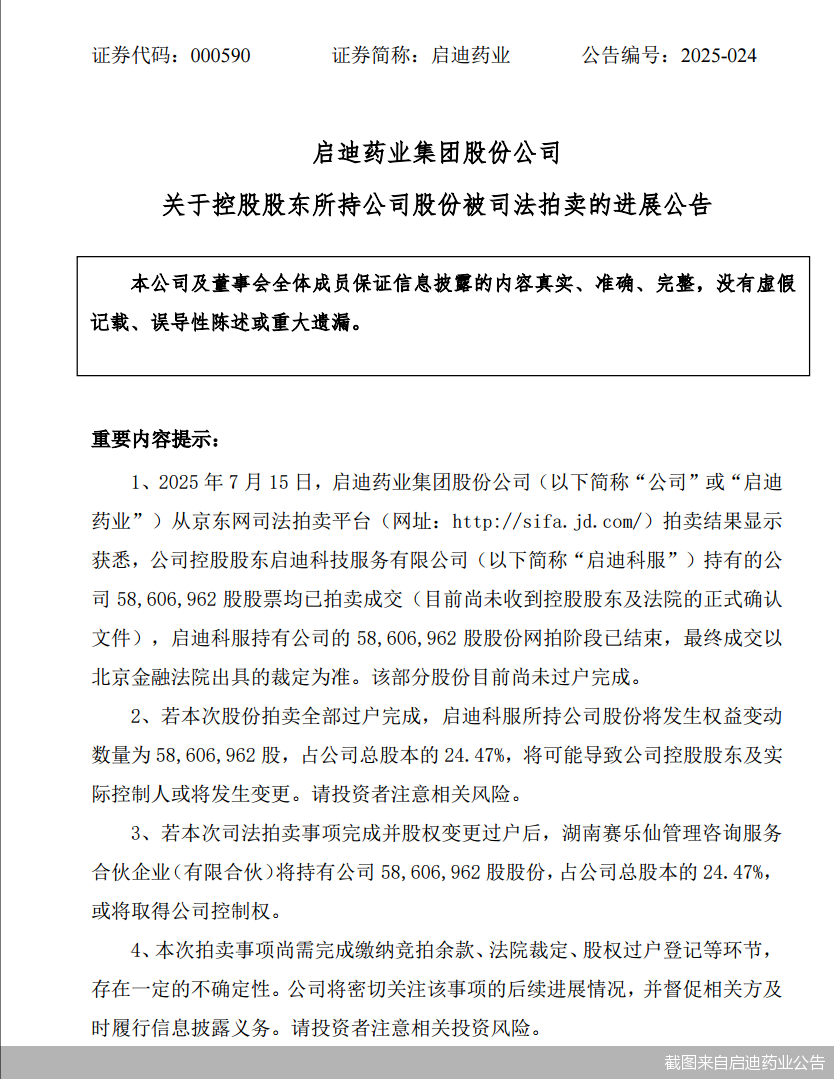
Core Viewpoint - A dramatic competition is unfolding in the capital market as Hunan Sailoxian Management Consulting Partnership successfully acquired a 24.47% stake in Qidi Pharmaceutical for 1.007 billion yuan, positioning itself as a potential new controlling shareholder [1][4][15] Group 1: Auction Details - The auction attracted eight bidders and garnered over 410,000 online viewers, with the bidding process extending to 138 rounds and 107 delays [5][6] - The starting price for the shares was approximately 450 million yuan, and the final bid represented a 124% premium over the starting price [7] - The auction price per share was about 17.19 yuan, while the closing price on the day of the auction was 13.86 yuan, indicating a significant price discrepancy [7] Group 2: Market Reactions - Following the auction, Qidi Pharmaceutical's stock experienced volatility, with a cumulative increase of 24.86% from July 9 to July 14, but a drop of 1.88% on July 15 [7][8] - The stock was listed on the Shenzhen Stock Exchange's "Dragon and Tiger List" due to its significant price fluctuations, with a notable sell-off from a specific brokerage [8][9] Group 3: Legal Context - The acquisition is set against a backdrop of a trademark infringement lawsuit initiated by Qidi Pharmaceutical against Hunan Hengchang Pharmaceutical, which is also linked to Hunan Sailoxian [10][11] - The lawsuit stems from allegations that Hengchang Pharmaceutical used Qidi's registered trademarks at a trade fair, leading to significant reputational damage for Qidi [10][11] Group 4: Financial Performance - Qidi Pharmaceutical has faced financial challenges, reporting a net loss of 125 million yuan in 2024 and an expected loss of 15 to 19 million yuan for the first half of the year [12] - The company's revenue has declined due to market conditions and rising material costs, impacting its overall profitability [12] Group 5: Future Implications - The potential acquisition raises questions about future asset injections and the strategic direction of Qidi Pharmaceutical under Hunan Sailoxian's control [16] - The relationship between Hunan Sailoxian and Hengchang Pharmaceutical may influence the resolution of ongoing legal disputes and the future operational strategy of Qidi Pharmaceutical [11][16]

18年资深保代,讲述自己的投行之路
梧桐树下V· 2025-06-08 12:39
Core Viewpoint - The article emphasizes the challenges and complexities of working in investment banking, particularly for newcomers, and introduces a learning package designed to help them navigate the industry effectively [1][2]. Summary by Sections Learning Package Content - The learning package includes a printed material titled "Investment Banking Growth Notes," an online course on assessing the feasibility of corporate listings, and a customized notebook [4][45]. Investment Banking Growth Notes - The "Investment Banking Growth Notes" consists of 312 pages, over 120,000 words, and 9 chapters, covering career planning, industry insights, essential skills such as research, due diligence, financial analysis, valuation, and the IPO process [5][6]. Chapters Overview - Chapters 1 and 2 provide foundational knowledge about investment banking, including department divisions, regulatory frameworks, essential skills, project classifications, daily tasks, and industry trends [8][10]. - Chapters 3 to 7, which occupy about 62% of the book, detail the progression from novice to expert in investment banking, focusing on industry research skills, client acquisition techniques, due diligence processes, financial thinking, and company valuation [12][15]. Industry Research Skills - Chapter 3 outlines essential research skills, including quantitative thinking, macro data analysis, industry segmentation, due diligence guidelines, and financial metrics analysis [12][15]. Client Acquisition and Due Diligence - Chapter 4 shares insights from a seasoned professional on acquiring IPO business, emphasizing the importance of building and maintaining channels, preparing for client meetings, and understanding the nuances of agreements [18][22]. - Chapter 5 details the due diligence process, including information collection, verification, and analysis, along with 12 specific operational steps [27][28]. Financial Analysis and Valuation - Chapter 6 focuses on understanding a company's financial health through balance sheets, income statements, and cash flow statements, highlighting key financial indicators and their implications [29][31]. - Chapter 7 discusses various valuation methods, including relative and absolute valuation techniques, and offers practical advice for companies to enhance their valuation [32][33]. IPO Process Insights - Chapters 8 and 9 address IPO-related topics, including common regulatory concerns and the roles of different departments in preparing for an IPO, ensuring compliance, and addressing potential inquiries from regulatory bodies [34][35][39][41]. Practical Application - The content is designed to be practical and accessible, drawing from the experiences of investment banking professionals and corporate executives, making it applicable in real-world scenarios [43][44].

新纳科技深主板IPO终止后董事长变更,58岁何军义曾任职兰溪二轻局生产科科长
Sou Hu Cai Jing· 2025-06-06 01:16
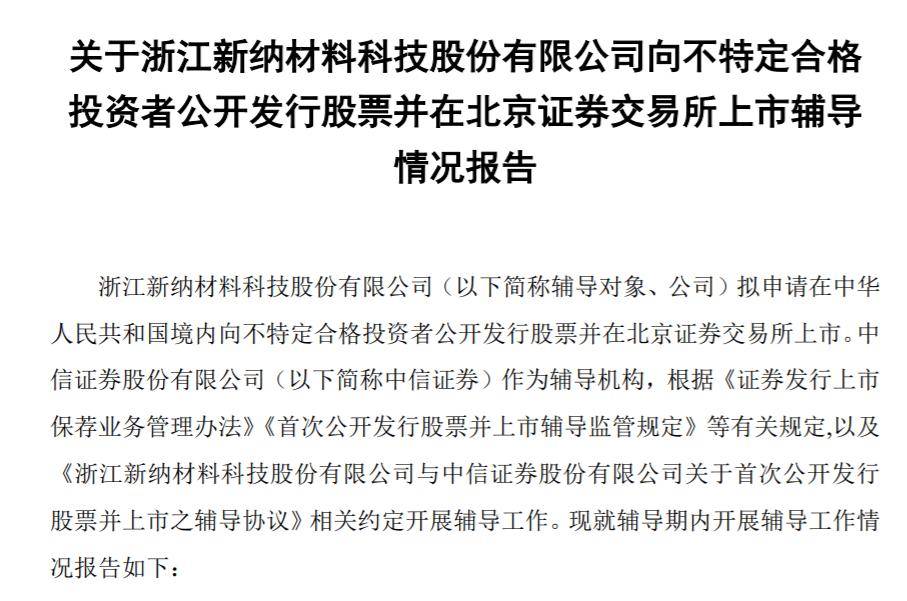
Core Viewpoint - Zhejiang Xinna Materials Technology Co., Ltd. (hereinafter referred to as "Xinna Technology") has completed its IPO counseling filing with the Zhejiang Securities Regulatory Bureau and plans to list on the Beijing Stock Exchange after withdrawing its application for the Shenzhen Stock Exchange due to policy changes [2][4]. Group 1: Company Overview - Xinna Technology was established in 1994 and is primarily engaged in the research, production, and sales of inorganic non-metallic materials, with main products including silica and electronic ceramics [2][4]. - The controlling shareholder of Xinna Technology is Hengdian Group Holding Co., Ltd., which holds an 89% stake in the company [4][5]. Group 2: Financial Performance - In 2024, Xinna Technology achieved an operating income of 1.198 billion yuan, representing a year-on-year increase of 9.27% [3]. - The net profit attributable to shareholders of the company was 78.42 million yuan, a decrease of 7.81% compared to the previous year [3]. - The basic earnings per share for the company was 0.21 yuan, down 4.55% from the previous year [3]. Group 3: Management Changes - He Junyi has been appointed as the new Chairman and General Manager of Xinna Technology as of August 2024, following the resignation of the previous chairman due to age reasons [6]. - Several other management changes occurred, including the appointment of new deputy general managers and independent directors to support the company's development needs [6].