信息差

Search documents
我在TOP3大学招生组抢高分生
Hu Xiu· 2025-07-27 06:25
Group 1 - The article discusses the changing dynamics in college admissions, highlighting that traditional strategies used by admissions teams are becoming less effective as students become more aware of the complexities involved in choosing their majors and schools [3][16][32] - Students are increasingly navigating the pressures from their families, schools, and the admissions process, leading to a realization that the idealized paths presented to them may not align with their true interests [4][32][65] - The narrative illustrates specific cases of students, such as Yu Shu and Feng Xin, who challenge the conventional expectations of pursuing prestigious schools and majors, opting instead for fields that align more closely with their personal interests and circumstances [11][25][82] Group 2 - The article emphasizes the information gap that exists between high-achieving students and those from less privileged backgrounds, which affects their understanding of different fields and career prospects [34][35][57] - It highlights the role of high school teachers and the educational system in perpetuating a narrow view of success, often prioritizing prestige over suitability for students [21][31][65] - The experiences of students like Yu Shu and Feng Xin reveal a growing skepticism towards the traditional narrative of success tied to elite institutions, as they seek to define their futures based on personal aspirations rather than societal expectations [32][82][88] Group 3 - The article notes a significant shift in student attitudes towards college admissions, with some students rejecting the allure of prestigious institutions in favor of more suitable and practical choices [80][82][89] - It discusses the implications of this shift for the educational landscape, suggesting that the long-standing obsession with elite schools may be waning as students prioritize their own interests and well-being [29][32][78] - The narrative concludes with a reflection on the broader societal implications of these changes, indicating a potential re-evaluation of what constitutes success in education and career paths [57][78][90]


川普单挑华尔街+美联储,背后竟是一盘大棋!
Sou Hu Cai Jing· 2025-07-17 08:09
Group 1 - The core viewpoint of the article highlights the tension between political pressures and the independence of the Federal Reserve, as President Trump publicly calls for the resignation of Chairman Powell, which raises concerns in the market about the Fed's autonomy [2] - Major Wall Street executives, including the CEOs of Bank of America, Goldman Sachs, and JPMorgan Chase, have voiced their support for the independence of the Federal Reserve, indicating a collective stance from the financial sector [2] Group 2 - The article discusses the lagging nature of news in the market, emphasizing that true market movements often precede news announcements, particularly in the A-share market where speculation occurs ahead of actual news [5] - It illustrates this point with examples of two stocks, Shengtun Mining and Qifeng New Materials, which had different market performances despite both announcing positive earnings forecasts, highlighting the importance of institutional investor behavior over mere news [10] Group 3 - The article stresses the value of quantitative data in understanding market dynamics, suggesting that institutional investors exhibit specific trading behaviors during market volatility, which can be analyzed through data [11] - It advises investors to focus on real trading data rather than being swayed by news, as data provides a more reliable insight into market trends and investor sentiment [11][12]

X @Yuyue
Yuyue· 2025-07-14 10:42
Investment Strategies - The industry suggests maintaining presence and building quality information channels for daily information gathering [1] - The industry emphasizes "lane change overtaking" instead of "corner overtaking," highlighting new opportunities in each cycle [2] - The industry advises against expecting daily profits, advocating for a longer investment timeframe [4] - Arbitrage thinking is crucial, including selecting industries for arbitrage; if not in the top 0.1%, explore new areas [5] - Information arbitrage allows for greater profits with earlier entry, considering the opportunity cost of capital [4] Identifying New Opportunities - Establish and maintain updated information channels, learning from profitable individuals [5] - Dedicate sufficient time and energy to the process [6] - Analyze the depth of information dissemination, prioritizing faster channels like international sources and primary information [7] Evaluating Potential Investments - Assess market size and liquidity to determine the capacity for capital and ease of trading [8] - Prioritize non-consensus opportunities for greater safety, evaluating the information dissemination chain (East/West, exchange listings, liquidity) [8] - Base investment decisions on information or cognitive advantages [9] - Develop clear exit strategies, including selling on centralized exchanges (CEX) contracts or spot markets, or at specific market capitalization levels [10] - Recognize that larger market capitalization, on-chain assets require more complex analysis due to increased participation [10] - Thoroughly researched assets are more likely to yield higher returns; increased analysis leads to greater confidence [11] Learning and Adaptation - Utilize AI tools effectively [11] - Master the art of asking insightful questions [12] - Engage in discussions with knowledgeable individuals in new fields [13] - Emphasize practical application and experimentation [13] Advice for Newcomers - Focus on on-chain opportunities, as secondary market opportunities are more challenging [14] - Review past successful assets to understand potential strategies and narratives, simulating scenarios [15] - Acknowledge that on-chain activity is 70% unproductive time and 30% impactful time, requiring careful timing based on metrics like token graduation and transaction fees [16] - Build on-chain resources such as address lists and smart wallet collections, and learn to use tools like OKX and GMGN [17] - Start with small investments to build knowledge, believing in the potential for significant gains due to continuous capital inflow [17] Future Asset Landscape - Future assets may be divided into: top-tier assets attracting real-world assets, mid-tier assets facing elimination, and memecoins with new, speculative features [17]
X @XQ
XQ· 2025-07-04 16:31
Market Dynamics & Uncertainty - The current market situation for TAP and AP is uncertain until Elon Musk definitively announces the establishment or abandonment of a political party [1] - Uncertainty can lead to potential gains, as liquidity flows towards the direction with the greatest certainty [2] - Information asymmetry reduces uncertainty, leading to positive expected returns in the long run [2] - Retail investors inevitably bear some uncertainty due to information gaps [2] Investment & Trading Strategies - Traders need a consistent trading system to manage uncertainty and adapt to position fluctuations [2] - Relying solely on uncertainty for profit involves unseen losses, as complete uncertainty resembles a coin toss with a zero-sum or negative-sum outcome [2] Hypothetical Scenario - If Musk announces the establishment of a political party and registers it as AP, a new group (D_new) would encompass all liquidity (P), potentially leading to a price increase of 100% from C+D, with an unpredictable increase from B [2]
X @XQ
XQ· 2025-07-04 16:31
Market Drivers - Cryptocurrency market's major trends originate from two sources: fundamental technological changes and external incremental expectations [1] - Profit generation in the cryptocurrency space stems from information asymmetry and bearing uncertainty [1] Investment Strategies - Understanding and managing uncertainty is crucial for successful investment [1] - Information arbitrage is a source of profit, as previously discussed [1]
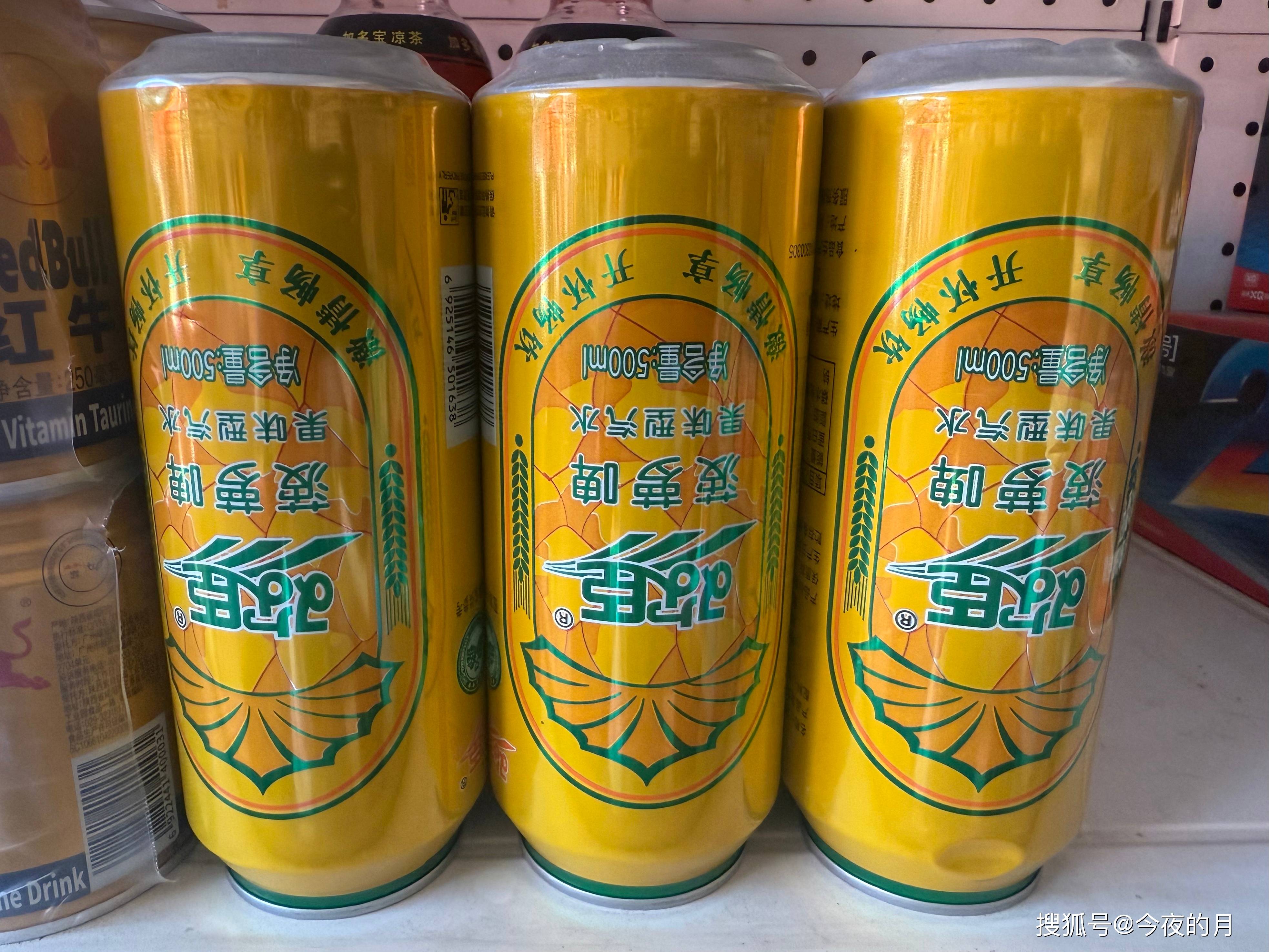
组字画:这两天有三拨人来店里买菠萝啤,他们对店里菠萝啤价格的态度截然不同
Sou Hu Cai Jing· 2025-07-03 12:35
Group 1 - The pricing of products, such as pineapple beer, varies between different vendors, leading to perceived value differences among consumers [1][2][5] - Consumers often compare prices and may choose to purchase based on perceived affordability, as seen with the middle-aged woman who mentioned a lower price at another store [2][5] - The business environment in rural areas presents unique challenges, where lower-priced products may be more appealing, affecting sales strategies [8] Group 2 - The economic status of individuals or families influences their purchasing decisions, determining the level of products they can afford [8]
到底卖了多少钱?
Hu Xiu· 2025-06-10 09:09
Core Viewpoint - The article discusses the trend of controlling shareholders and acquirers collaborating to depress prices and force out minority shareholders, particularly in the current market environment [1][28]. Group 1: Historical Context - A decade ago, a prominent health group targeted successful postpartum care centers in Beijing, leading to a competitive market where smaller players struggled to survive [4][8]. - A specific postpartum care center, operated by two friends, faced financial difficulties and was ultimately sold at a significantly low price due to the pressure from the controlling shareholder [6][10]. Group 2: Current Market Dynamics - The current market is filled with struggling unicorns and investors seeking exits, creating opportunities for acquisitions of undervalued assets [25][26]. - Large companies looking to acquire businesses prefer low prices and 100% ownership, often negotiating directly with controlling shareholders to set low buyout prices for minority shareholders [27][28]. Group 3: Mechanisms of Price Depressing - Controlling shareholders often collaborate with acquirers to pressure minority shareholders into accepting low buyout offers, sometimes at valuations as low as 0.5 to 0.1 times the market value [29][40]. - The process may involve various tactics to persuade minority shareholders, including creating a sense of urgency or financial distress [38][39]. Group 4: Information Asymmetry - There exists a significant information gap between controlling shareholders and minority shareholders, where the latter may not be aware of the true value of their assets or potential buyers [18][40]. - This information asymmetry allows controlling shareholders to negotiate favorable terms for themselves while offering minority shareholders minimal compensation [41].
张雪峰从互联网“消失”,是迟早的事
Sou Hu Cai Jing· 2025-06-03 20:59
Core Viewpoint - The discussion revolves around Zhang Xuefeng's potential departure from live streaming, highlighting the impact of information disparity on educational choices and career paths for students from different socioeconomic backgrounds [1][3][7]. Group 1: Zhang Xuefeng's Role and Impact - Zhang Xuefeng is perceived as a crucial figure in bridging the information gap for ordinary families, providing practical advice on educational and career choices [6][7]. - His guidance has led to significant shifts in student enrollment in certain majors, particularly a decline in journalism and advertising programs [6][7]. - The advice he offers is rooted in a pragmatic approach, emphasizing employability and practical outcomes for students from less privileged backgrounds [7]. Group 2: Information Disparity and Its Consequences - The article discusses how information disparity serves as a barrier to social mobility, affecting students' ability to make informed decisions about their futures [3][7]. - It highlights the cyclical nature of socioeconomic status, where families often replicate the career paths of previous generations due to a lack of access to diverse information [8]. - The narrative suggests that Zhang Xuefeng's insights challenge traditional norms and aim to disrupt the cycle of limited opportunities for lower-income families [8].

散户必看!上涨趋势中3招加仓技巧,这样减仓避免坐过山车
Sou Hu Cai Jing· 2025-05-29 03:02
Core Viewpoint - The article discusses practical strategies for stock trading, focusing on the importance of understanding signals for both adding and reducing positions in the market. Group 1: Adding Positions - The first signal for adding positions is that the pullback should not exceed one-third of the previous rally's gain, indicating that the stock still has potential for rebound [3]. - The second signal is that trading volume should decrease to below 60% of previous highs, suggesting that selling pressure has been largely absorbed [3]. - The third signal is that at least 30% of stocks in the sector should be showing strength, indicating overall sector momentum which increases the likelihood of individual stock gains [3]. Group 2: Reducing Positions - Reducing positions requires a counterintuitive approach, as many retail investors tend to be greedy, often waiting for higher returns and risking losses [5]. - A dynamic stop-loss strategy is suggested, where a third of the position is sold if the stock deviates more than 15% from the 20-day moving average, and half is sold if it deviates by 25% [5]. - A significant increase in daily turnover, exceeding twice the average of the past 30 days, is a warning sign to exit positions, as it may indicate that major players are offloading shares [5]. Group 3: Information Disparity - The article highlights that even with positive news, stock prices may stagnate due to information asymmetry, where institutional investors may have access to negative information before retail investors [8]. - It emphasizes the importance of utilizing tools to mitigate the risks associated with information gaps, which can be a significant cost for retail investors [8].