儒家思想

Search documents
关于阿里内网万字长文的絮絮叨叨
Hu Xiu· 2025-06-13 11:32
Group 1 - The article discusses the perceived inefficacy of a lengthy internal document from Alibaba, suggesting it lacks actionable insights and is filled with vague criticisms [6][9][10] - It highlights the importance of having a clear decision-making structure within companies, drawing parallels to the legalist philosophy which emphasizes efficiency and operational clarity [5][6] - The author critiques the notion of "long-termism" as a vague concept that lacks practical applicability in business contexts, arguing that many companies face challenges regardless of their long-term strategies [10][11] Group 2 - The article mentions that Alibaba has had some internal innovations, but these are not sufficient to label the company as highly innovative, indicating a mixed performance in this area [11] - It points out that many companies experience failures in internal innovation, which is a common occurrence in the industry, suggesting that Alibaba's struggles are not unique [11] - The article concludes with a reflection on the nature of corporate success, emphasizing that a few key decisions made by the right people at the right time can outweigh numerous mistakes [14]
同时代下,为何明朝没有发展成为近代资本主义?
3 6 Ke· 2025-05-27 15:09
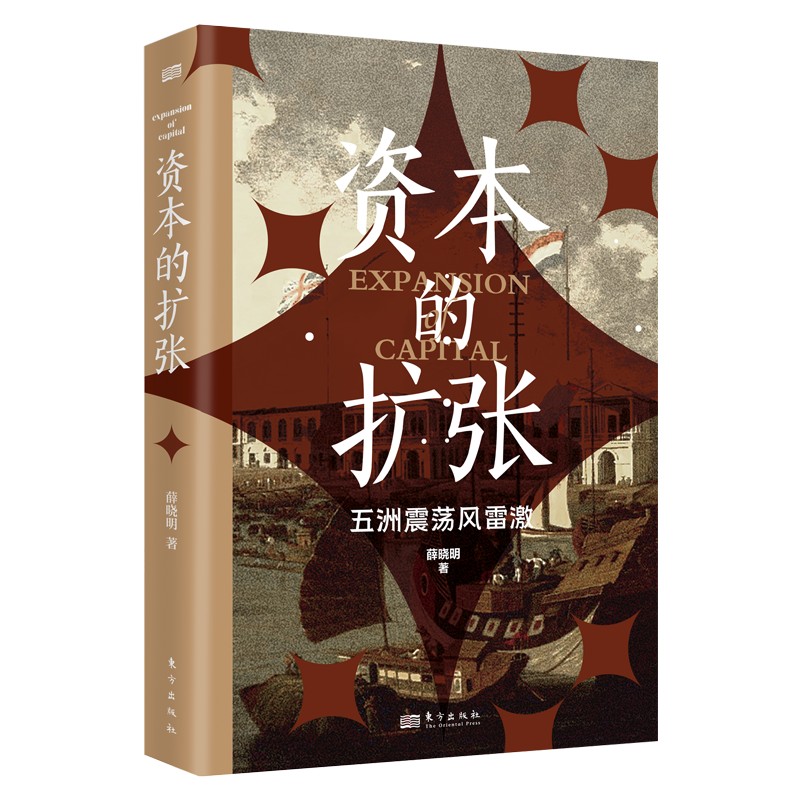
Group 1 - The core argument is that the development of capitalism in ancient China was hindered by the deeply rooted agricultural natural economy and the political structure based on imperial authority and Confucian ideology [1][4][14] - The political order in a predominantly agricultural society required a cultural capital foundation rather than land resources, leading to a centralized political system through the abolition of feudalism and the establishment of a bureaucratic system [1][2] - The bureaucratic system relied on the Confucian examination system to recruit scholar-officials, who were politically dependent on imperial authority, creating a fragile power dynamic [2][3] Group 2 - The Confucian ideology, while not a religion, served as an ethical framework that reinforced feudal hierarchy and imperial authority, allowing for the externalization of familial governance into public political life [3][4] - Capital accumulation and capitalism were unimaginable in a society dominated by feudal paternalism, where property rights were contingent upon the ruler's discretion [4][5] - In the feudal society, commercial capital had to align with cultural and political capital to gain property protection, leading to a system where merchants became subservient to political power [5][6] Group 3 - The relationship between officials and merchants was characterized by a power imbalance, with officials leveraging commerce for personal gain while merchants relied on officials for trade privileges [6][7] - The case of the Jin merchants illustrates how family ties and examination success facilitated the formation of official-merchant alliances, exemplifying the intertwining of commerce and political power [7][8] - The commercial tax system in the Ming dynasty was heavily skewed towards agriculture, with commercial taxes contributing only a small fraction of total tax revenue, reflecting the state's prioritization of agricultural income [10][11] Group 4 - The instability of the bureaucratic system meant that the protection of merchant interests was precarious, with political changes leading to rapid shifts in wealth distribution [12][13] - The lack of a credible public debt system in ancient China prevented the establishment of a stable relationship between state power and capital, inhibiting the emergence of capitalism [14][15] - The intertwining of commercial and political interests resulted in a fragmented merchant class that lacked the cohesion necessary for collective action, preventing the rise of a self-aware bourgeoisie [16][17]

“‘一带一路’创造了合作共赢”
人民网-国际频道 原创稿· 2025-05-22 09:15
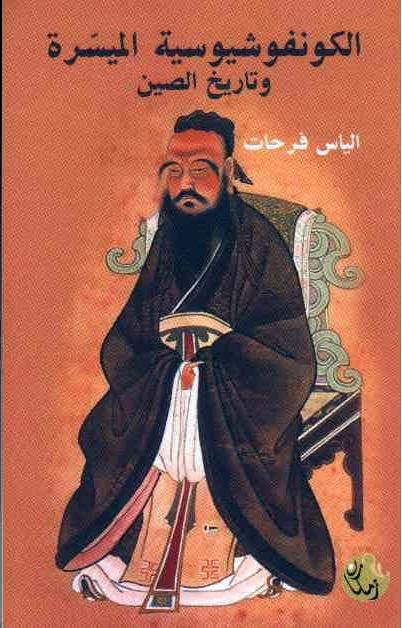
Group 1 - The core viewpoint emphasizes the significant role of ethical values in Chinese traditional culture, particularly Confucianism, in shaping governance and modernization achievements in China [1] - Elias Farhat, a Lebanese political and strategic analyst, has conducted extensive research on the cultural underpinnings of China's development and its principles in international relations [1] - Farhat's experiences in China, including participation in the International Confucian Association's dialogue conferences, highlight the importance of cultural dialogue in enhancing mutual understanding among nations [1][4] Group 2 - The ancient Silk Road has historically connected China with countries in Asia and Europe, and China's Belt and Road Initiative represents a significant shift from Western practices of exploitation to a model of cooperative development [4] - China's foreign policy is based on the Five Principles of Peaceful Coexistence, emphasizing mutual respect and cultural dialogue, which has contributed to regional stability, such as the reconciliation between Saudi Arabia and Iran [4] - Farhat commends China's modernization achievements, noting the rapid economic growth and technological advancements that position China confidently on the global stage [4]
孔子“走进”摩洛哥校园
人民网-国际频道 原创稿· 2025-04-22 03:06
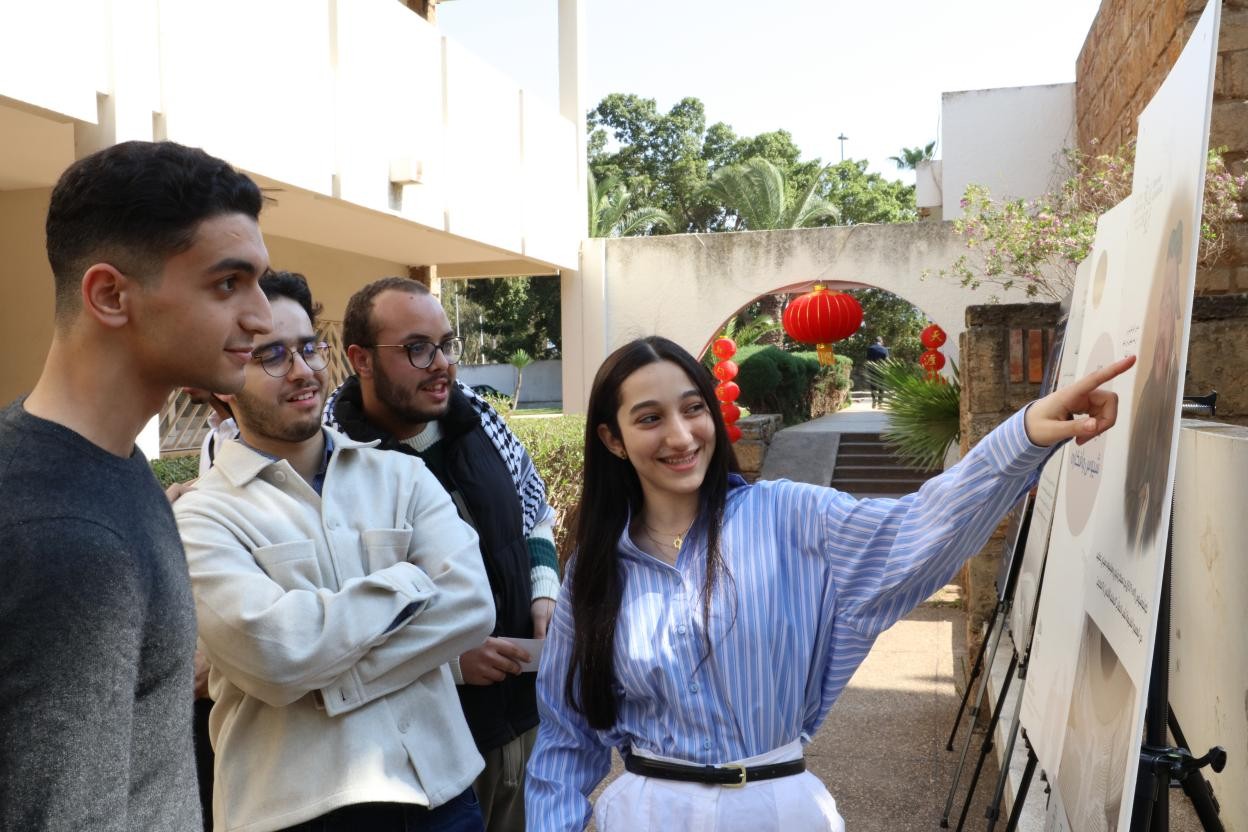
人民网迪拜4月21日电 (记者管克江)由摩洛哥高等商业管理学院、拉巴特中国文化中心与摩洛哥哈桑二世大学孔子学院联合举办的"2025口才日"全国 演讲大赛暨中国文化主题日活动近日在摩高等商业管理学院校园内举行。演讲大赛以"儒家哲学和思想"为主题,来自摩洛哥全国二十多所高校的学生参加。 活动开幕式上,哈桑二世大学孔子学院中方院长郑琼的致辞以"仁"为核心,阐释了儒家思想的现代价值,强调中摩在家庭观念、教育理念等方面的共通 之处。孔院外方院长法德玛·艾特·穆斯从历史与现实维度回顾了摩中深厚联系,倡议保持开放交流窗口,推动学生在中摩交流中发挥更大作用。 中国文化主题活动中,《永远的孔子》图片展通过"孔子生平与思想""孔子文化与日常生活""孔子文化的世界影响"三个篇章,串联起孔子生平、儒家思 想精髓及中华文化对世界的深远影响。 在互动体验工作坊,民乐老师演奏经典曲目,并向摩洛哥学生们讲解中国乐器的分类和发展史;书法教室内,学生们了解了书法起源与汉字演变后,学 习使用毛笔练习书写汉字;在茶艺师的演示下,他们尝试闻香识茶和排序制茶工序,领略中国茶文化的博大精深。 摩洛哥大学生在观看《永远的孔子》图片展。拉巴特中国文化中心供图 ...
【文化中国行】山东曲阜:儒风千载传文脉
Yang Shi Wang· 2025-04-06 12:39
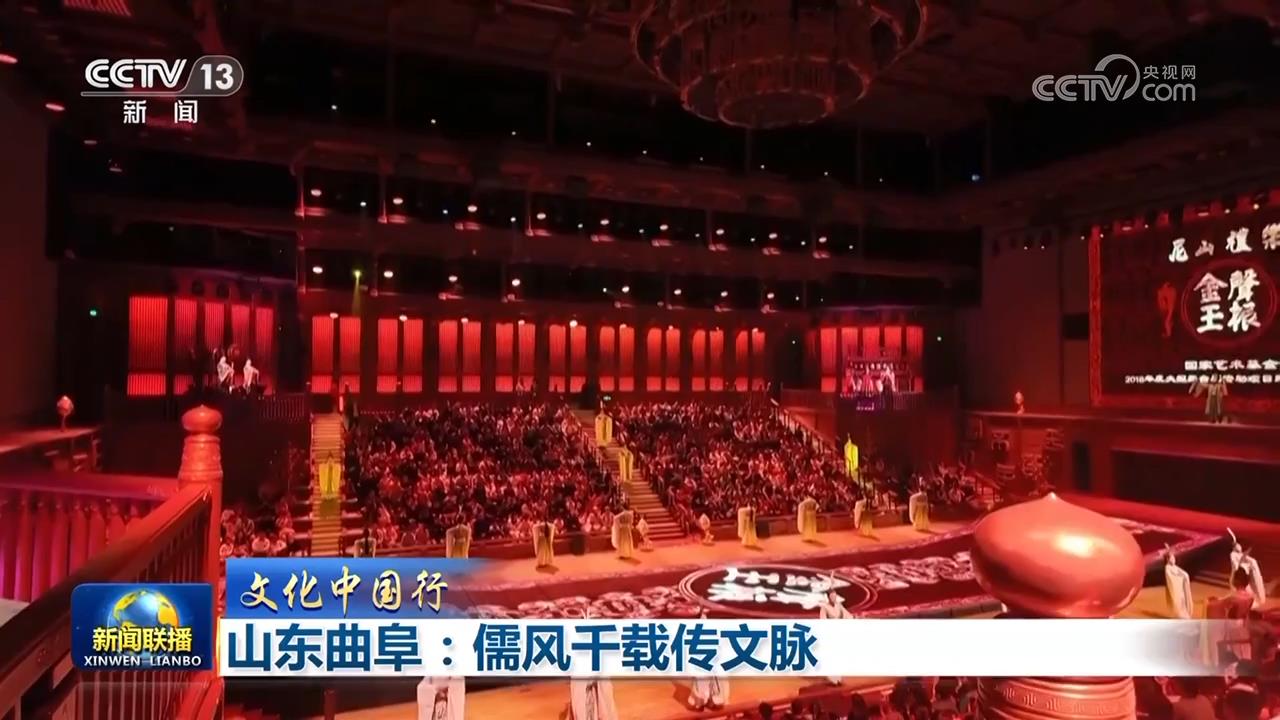
央视网消息(新闻联播):两千多年来,孔子以学立身,他所创立的儒家学说以及在此基础上发展的儒家思想对中华文明产生了深刻影响。4月6日的《文化 中国行》,我们一起走进山东曲阜,感受儒家思想的千年底蕴。 清明节期间,孔子故里山东曲阜迎来了客流小高峰,大型礼乐演出《金声玉振》以孔子的生平经历为主线,运用多种技术手段引领观众沉浸式走进"风雅 颂"的礼乐长卷。 曲阜,古为鲁国国都,孔子故里。曲阜的孔庙、孔府、孔林,统称曲阜"三孔"。孔庙曾是孔子故居,至今已有两千多年的历史,是中国三大古建筑群之一; 与之相邻的孔府是孔子后代居住的府第,占地约8万平方米,是我国保留至今为数不多的衙宅合一的建筑群。孔林则是孔子及后代的长眠之所,是我国目前 延续年代最长、面积最大、保存最完整的家族墓地。1994年,曲阜"三孔"被联合国教科文组织列入世界文化遗产名录。 走进孔庙,柏树成荫,殿宇轩昂,深宅肃穆。 以古人之规矩,开自己之生面。古城曲阜在保护孔庙、孔府、孔林"老三孔"的基础上,建设了孔子研究院、孔子博物馆、尼山圣境"新三孔",为学术研究、 博物展览、体验参与提供了新空间。徜徉其中,人们探寻孔府旧藏、追溯儒家文化发展脉络、感受儒家思想的时 ...