
受贿犯罪

Search documents
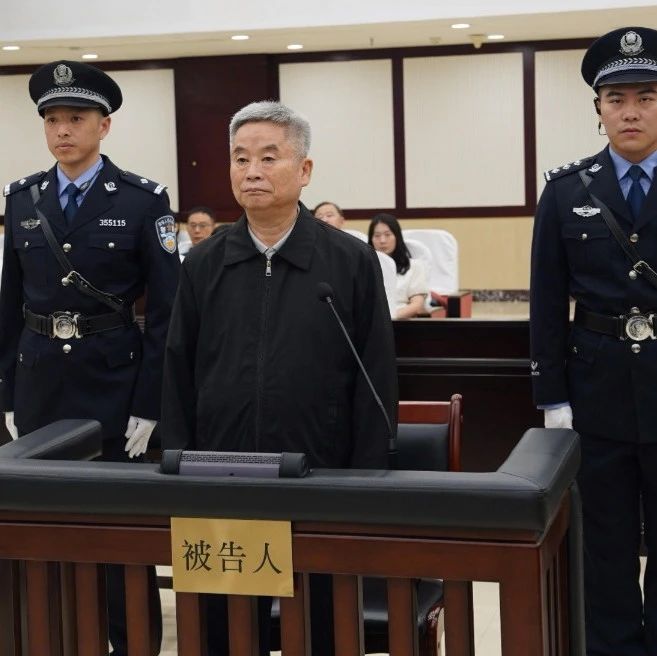
农行原副行长楼文龙,无期!
券商中国· 2025-08-25 13:53
Core Viewpoint - The case of Lou Wenlong, former vice president of Agricultural Bank of China, highlights significant corruption within the banking regulatory framework, resulting in a severe legal penalty for the accused [1][4]. Summary by Sections Case Details - Lou Wenlong was sentenced to life imprisonment for accepting bribes totaling over 84.51 million RMB from 2005 to 2024 while holding various high-ranking positions in banking supervision and management [3][4]. - The court found that his actions constituted a particularly serious crime, causing substantial losses to the state and the public [4]. Court Proceedings - The trial was held on June 6, 2025, with evidence presented by the prosecution and a thorough examination of the case by both sides [4]. - Lou Wenlong admitted to his crimes, expressed remorse, and cooperated with authorities by returning all illicit gains, which contributed to a potential reduction in his sentence [4].


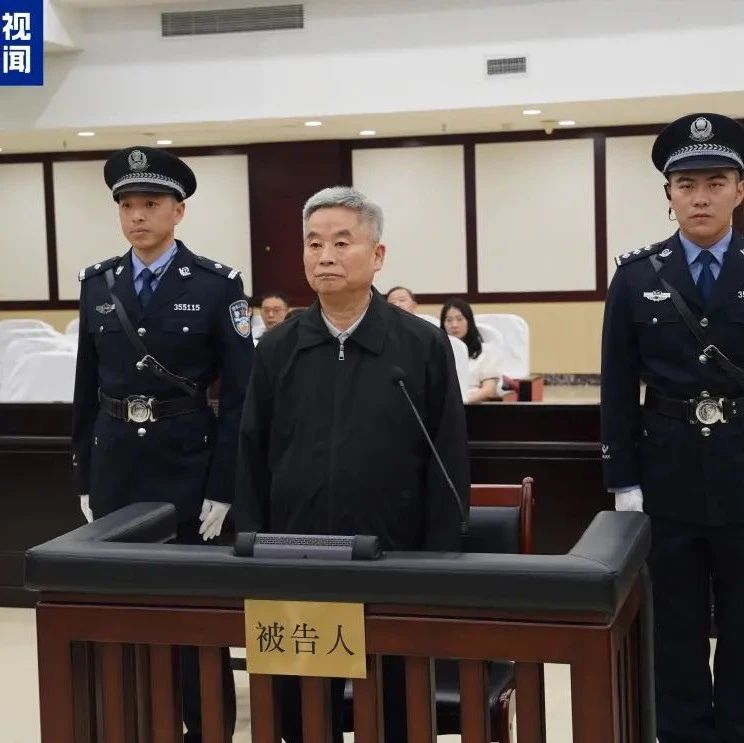
农行原副行长楼文龙,被判无期
中国基金报· 2025-08-25 10:16
Core Viewpoint - The case of Lou Wenlong, former vice president of the Agricultural Bank of China, highlights significant corruption within the banking regulatory framework, resulting in a life sentence for accepting bribes totaling over 84.51 million yuan [4][5]. Group 1: Case Details - Lou Wenlong was sentenced to life imprisonment for accepting bribes amounting to over 84.51 million yuan from 2005 to 2024 while holding various positions in banking regulation [4][5]. - The court found that his actions caused significant losses to the state and the public, constituting a particularly serious crime [4][5]. - The court acknowledged mitigating factors such as his confession and the return of illicit gains, which influenced the sentencing [5]. Group 2: Background Information - Lou Wenlong, born in January 1958, held several key positions in banking supervision, including director of the Banking Regulatory Department and vice president of the Agricultural Bank of China [7]. - His career spanned various roles within the People's Bank of China and the China Banking Regulatory Commission, indicating a long-standing involvement in the banking sector [7]. Group 3: Disciplinary Actions - Following an investigation, Lou was expelled from the Communist Party for serious violations of political and organizational discipline, including accepting bribes and failing to report personal matters truthfully [6]. - His case has been referred to the prosecutorial authorities for further legal action, emphasizing the severity of his misconduct [6].
以案明纪释法 | 准确识别以定向增发股份收益权为工具的利益输送
Zhong Yang Ji Wei Guo Jia Jian Wei Wang Zhan· 2025-08-13 00:04
Core Viewpoint - The article discusses the complexities surrounding the criminalization of state officials profiting from directed share placements, emphasizing the need for thorough investigations focusing on the nature of the transactions and the motivations behind them [1][5][11]. Summary by Sections Basic Case Facts - Wang, a former state-owned enterprise leader, and Li, the actual controller of a private investment company, developed a relationship that led to Wang facilitating Li's access to share placements [2][3]. - In 2014, Wang used his position to allocate shares from a state-owned company to Li's firm, which had previously been denied access [2]. Disputed Opinions - There are differing views on whether Wang's actions constitute bribery, with some arguing that the investment was a normal business opportunity, while others assert it was a clear case of bribery due to the nature of the transaction [5][6][11]. Analysis of Opinions - The article argues that the relationship between Wang and Li was not a legitimate market transaction but rather a form of power-for-money exchange, as Wang's actions were influenced by his official capacity [8][9][10]. - Wang's acquisition of shares was characterized by a lack of market risk, as Li guaranteed profits, which deviates from typical investment behavior [10][12]. Determining Bribery Amount - The article suggests that the total profit Wang received should be considered as the bribe amount, as it was a direct result of the power-for-money transaction [11][12]. - It emphasizes that the nature of the shares acquired by Wang was such that they were not typically accessible to ordinary investors, reinforcing the argument of an improper exchange [12][15][16].
“90后”年轻干部肖义现场忏悔:对不起单位和领导培养,对不起父母和妻子
中国基金报· 2025-08-11 08:02
Group 1 - The case of Xiao Yi, a former executive manager of a state-owned enterprise, highlights severe violations of legal and ethical standards, including bribery and corruption [1][4] - Xiao Yi's actions included accepting gifts and entertainment from management and service objects, and using his position to facilitate project contracts and fund allocations in exchange for illegal benefits [4][5] - The disciplinary actions taken against Xiao Yi included expulsion from the Communist Party, removal from public office, and referral to the prosecution for criminal charges, reflecting the serious nature of his misconduct [4][2] Group 2 - The incident serves as a cautionary tale for other employees in state-owned enterprises, emphasizing the importance of adhering to legal and ethical standards to avoid severe consequences [1][4] - The educational approach taken by the local disciplinary committee, which involved direct exposure to the courtroom proceedings, aims to instill a stronger sense of accountability and awareness among employees [1]

前行丨明辨是非 守护正义
Zhong Yang Ji Wei Guo Jia Jian Wei Wang Zhan· 2025-08-11 01:08
Core Viewpoint - The article emphasizes the importance of strict adherence to regulations regarding misconduct, particularly in the context of public officials accepting gifts or benefits, highlighting the need for accountability and integrity in governance [1][2]. Group 1: Misconduct and Accountability - The article discusses the harmful effects of misconduct, particularly in the context of public officials accepting gifts, and stresses that even retired officials should face disciplinary actions if they engage in such behavior [1]. - A case involving a public hospital's vice president accepting "red envelopes" from medical equipment suppliers is examined, with the focus on whether this constitutes bribery or merely a gift [2]. - The article illustrates the necessity of thorough investigations to determine the nature of relationships between officials and suppliers, emphasizing that the absence of explicit profit motives does not absolve officials from accountability [2]. Group 2: Decision-Making and Responsibility - The article presents a case where two officials were held accountable for purchasing faulty gas alarm systems, despite their claims of ignorance regarding the technical specifications [3][4]. - It highlights the importance of understanding the technical aspects of procurement and the implications of decisions made by officials, suggesting that accountability should be balanced with the context of their actions [5]. - The article concludes with a discussion on the need for careful consideration in disciplinary actions, advocating for a nuanced approach that recognizes the complexities of decision-making in public service [6].
非法收受2.16亿余元!秦如培,被判死缓!
券商中国· 2025-08-06 10:06
Group 1 - The core viewpoint of the article is the sentencing of Qin Rupai, a former high-ranking official in Guangxi, to death with a two-year reprieve for bribery, highlighting the severity of corruption in government positions [1][2] - The court found that from 1998 to 2024, Qin Rupai illegally accepted bribes totaling over 216 million RMB, leveraging his various official positions to facilitate projects and business operations for others [1][2] - The court acknowledged mitigating factors such as Qin's confession, cooperation with authorities, and the return of most of the illicit gains, which influenced the decision to suspend the death sentence [2]
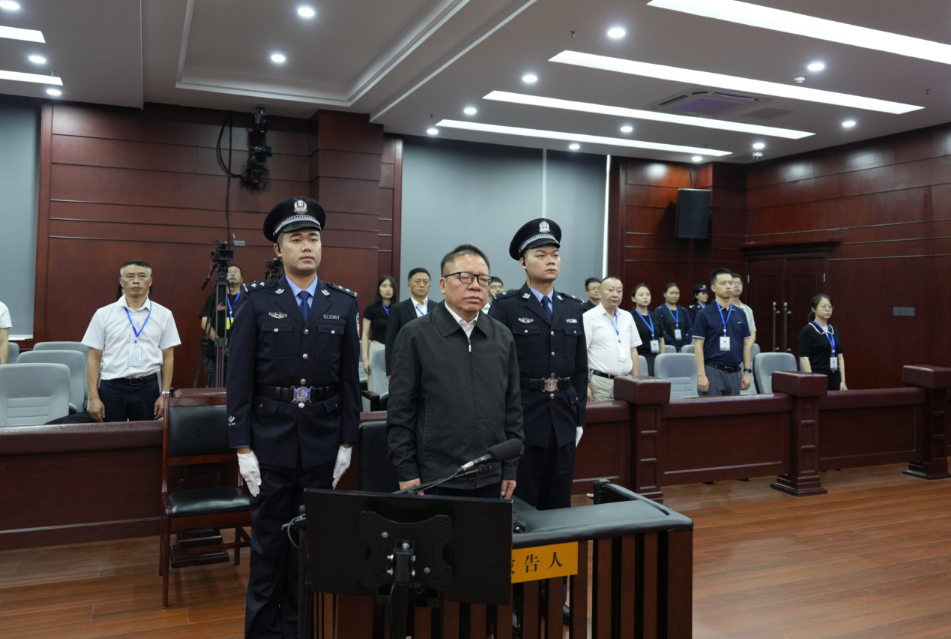
广西壮族自治区党委原常委、自治区政府原副主席秦如培受贿案一审宣判
Yang Shi Wang· 2025-08-06 09:16
Core Points - The Deyang Intermediate People's Court sentenced Qin Rupai, former Vice Chairman of the Guangxi Zhuang Autonomous Region, to death with a two-year suspension for bribery, along with lifelong deprivation of political rights and confiscation of all personal property [1][3] - Qin Rupai was found guilty of accepting bribes totaling over 216 million RMB from 1998 to 2024 while holding various government positions, which caused significant losses to the state and public interests [3] - The court acknowledged mitigating factors such as Qin's confession, cooperation in returning most of the illicit gains, and the presence of attempted bribery, leading to a suspended death sentence [3][4] Legal Proceedings - The trial was held publicly on May 23, 2025, with evidence presented by the prosecution and both sides given the opportunity to express their views [4] - Over 40 individuals, including representatives from the National People's Congress, political advisors, journalists, and members of the public, attended the court proceedings [4]
李勇,一审获刑14年
Zhong Guo Xin Wen Wang· 2025-08-05 09:28
Core Viewpoint - The case of Li Yong, former Deputy Secretary of the Party Committee and General Manager of China National Offshore Oil Corporation (CNOOC), highlights significant corruption within the company, resulting in a 14-year prison sentence and a fine of 3 million RMB for accepting bribes totaling over 67.94 million RMB [1][3][5] Group 1 - Li Yong was found guilty of accepting bribes from 1996 to 2023, leveraging his various positions within CNOOC to assist companies and individuals in business dealings, resulting in illegal gains of over 67.94 million RMB [3][5] - The court deemed Li Yong's actions as particularly egregious due to the substantial amount of bribes involved, warranting severe punishment [5] - Mitigating factors included his confession, cooperation with authorities, and full restitution of the illicit gains, which led to a reduced sentence [5]


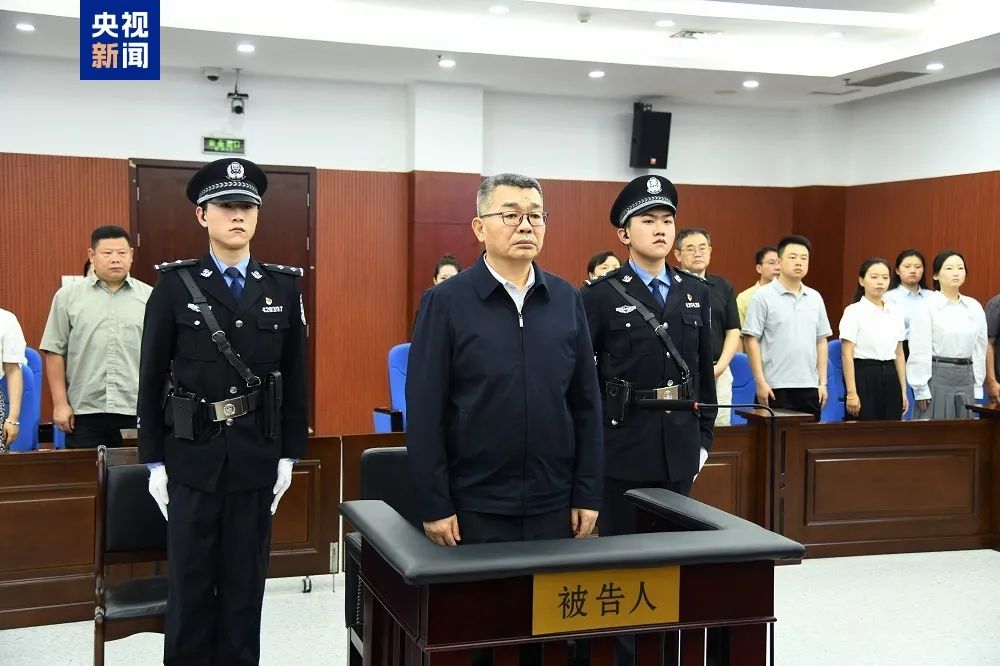
周从启,检举他人犯罪行为,经查证属实,获从轻处罚
Xin Jing Bao· 2025-08-03 22:44
Core Points - The court sentenced Zhou Congqi, former deputy director of the Guizhou Provincial Water Resources Department, to 13 years in prison for accepting bribes totaling over 72.29 million yuan from 2005 to 2023 [1][2] - Zhou utilized his positions to facilitate approvals for mining rights and other business matters in exchange for illegal financial benefits [1][2] Group 1: Case Details - Zhou Congqi was found guilty of accepting bribes amounting to 72.29 million yuan, with some funds not actually received [1] - The court recognized Zhou's actions as particularly egregious due to the substantial amount involved and the nature of his offenses [1] - Factors such as partial attempted crimes, truthful confession, and active restitution contributed to a lighter sentence [1] Group 2: Background and Context - Zhou served as deputy director of the Guizhou Provincial Land and Resources Department for 15 years, where he exploited his authority for personal gain [2] - The approval of mining rights was a routine administrative function that became a significant issue for illegal mining operators seeking to bypass regulations [2] - A specific case involved businessman Wang, who invested in Zhou's family-owned liquor factory as a means to secure mining rights, transferring a total of 2.4 million yuan for this purpose [2]
受贿超7229万元 贵州省水利厅原副厅长周从启一审获刑13年
Xin Jing Bao· 2025-08-01 11:28
Core Point - The case involves the sentencing of Zhou Congqi, former deputy director of the Guizhou Provincial Water Resources Department, for accepting bribes totaling over 72.29 million yuan from 2005 to 2023 [1] Summary by Relevant Sections Legal Proceedings - The court sentenced Zhou Congqi to 13 years in prison and imposed a fine of 2 million yuan for bribery [1] - The court ordered the confiscation of the bribe proceeds and their interest, which will be turned over to the national treasury [1] Bribery Details - Zhou Congqi utilized his positions in the Guizhou Provincial Land and Resources Department and the Water Resources Department to facilitate approvals for mining rights, land use rights, and company operations [1] - The total amount of bribes received was over 72.29 million yuan, with some of the amounts not actually obtained [1] Mitigating Factors - The court acknowledged that some of Zhou's criminal acts were attempted but not completed [1] - Zhou provided truthful confessions and actively reported on other criminal activities, which were verified as true, demonstrating a degree of cooperation with law enforcement [1] - His remorse and proactive return of illicit gains were considered as mitigating factors in the sentencing [1]